My Special Day in Kindergarten: From Planning to Celebrating
 Funded by the European Union. Views and opinions expressed are however those of the author(s) only and do not necessarily reflect those of the European Union or the European Education and Culture Executive Agency (EACEA). Neither the European Union nor EACEA can be held responsible for them. |
 All contents, in particular texts, pictures and graphics, are protected by copyright. Unless expressly stated otherwise, copyright is held by sel.eduskills.plus and is licensed under Creative Commons Attribution - Non-commercial - Distribution under the same conditions 4.0 International license. They may be subject to the terms of the license. |
© 2026 sel.eduskills.plus
| Advanced | |
| Age: 4-6 | |
| 1 week | |
| Children plan and celebrate their own special day. They learn about their needs, develop planning and social skills, recognize their self-worth and importance to the group, and enjoy meaningful celebrations together. | |
| Growth mindset | |
| Managing learning | |
| Cognitive task Conversation Movement Music | |
|
Preparation
- Inform parents about the individual special day celebrations and explain the educational goals.
- Ask families about their celebration customs. Some celebrate birthdays, others may have different traditions or no birthday celebrations at all.
- Explain that children can freely choose a special personal celebration day - it may be their birthday or another date that feels meaningful to them.
- Share with parents that the focus is on self-expression, inclusion, and community, not on material gifts.
Implementation
Kira and Miro begin a playful conversation about celebrating special days. Kira says she loves birthdays and wants to celebrate on December 12th because she likes how 12.12 sounds. Miro wonders if everyone celebrates their birthday or if there are other ways to have a special day.
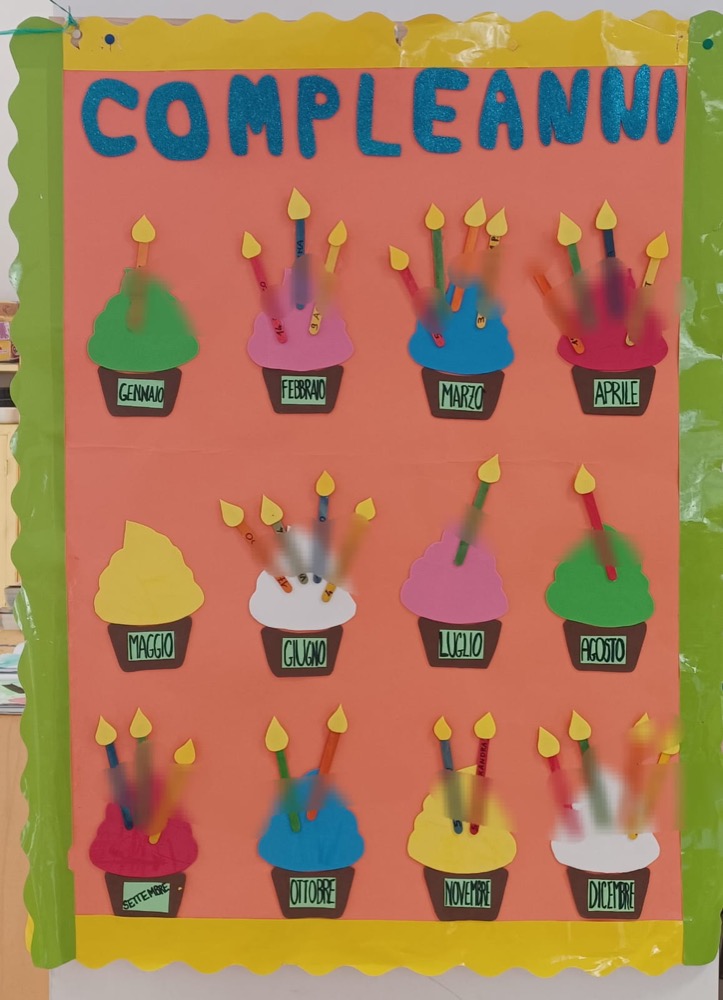
Together, they talk about how people celebrate - with songs, candles, games, or friends - and invite the children to share their ideas. They introduce the idea of a celebration plan and some celebration accessories, such as a paper cake, candles, or a decorated chair for the celebrant.
Choose your day
The teacher moderates a discussion about choosing a Special Day.
Children can choose:
- their birthday
- another day close to their birthday (e.g., if it falls on a weekend or holiday)
- a completely different date they like
Encourage them to think about the time of year, season, or feeling connected with their chosen date. Explain that resources and time are limited, so each child will have one personal celebration day per year.
Motivation for planning
Show pictures of past Special Day celebrations in kindergarten.
Ask:
- What do you see in these pictures?
- What do you like most about these celebrations?
- What happens when we celebrate a Special Day here?
- How do you feel when you celebrate your own day?
- And when your friend celebrates theirs?
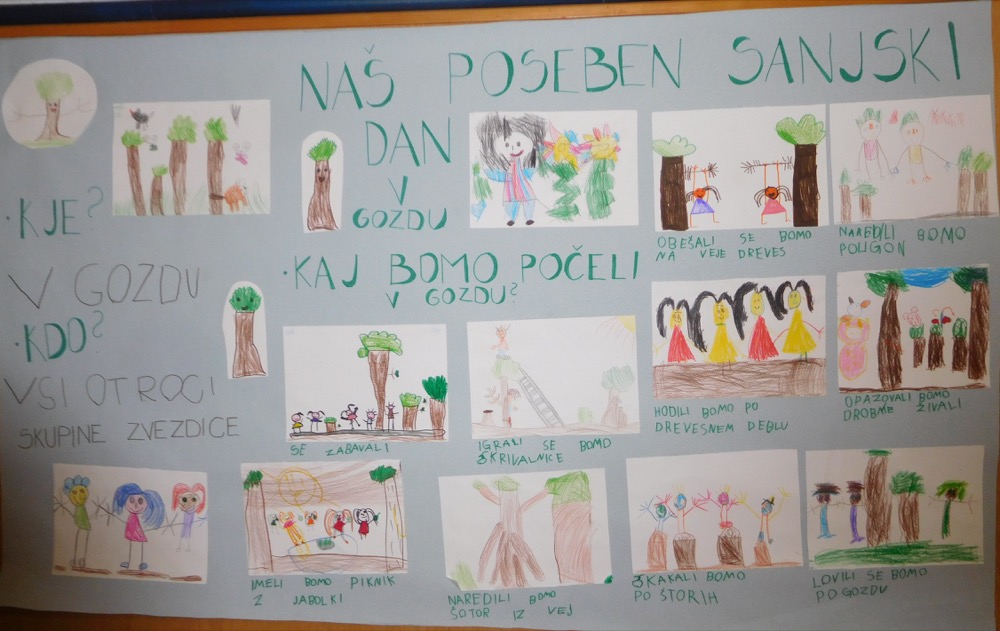
Show photos of different types of celebrations (indoors, outdoors, in the forest, etc.) and discuss possible activities: games, dances, songs, role play, or sports.
Children decide if they want their Special Day to match their birthday or another time of year.
Planning 'My Dream Special Day'
Give each child a large sheet of paper or poster template with key areas drawn on it:
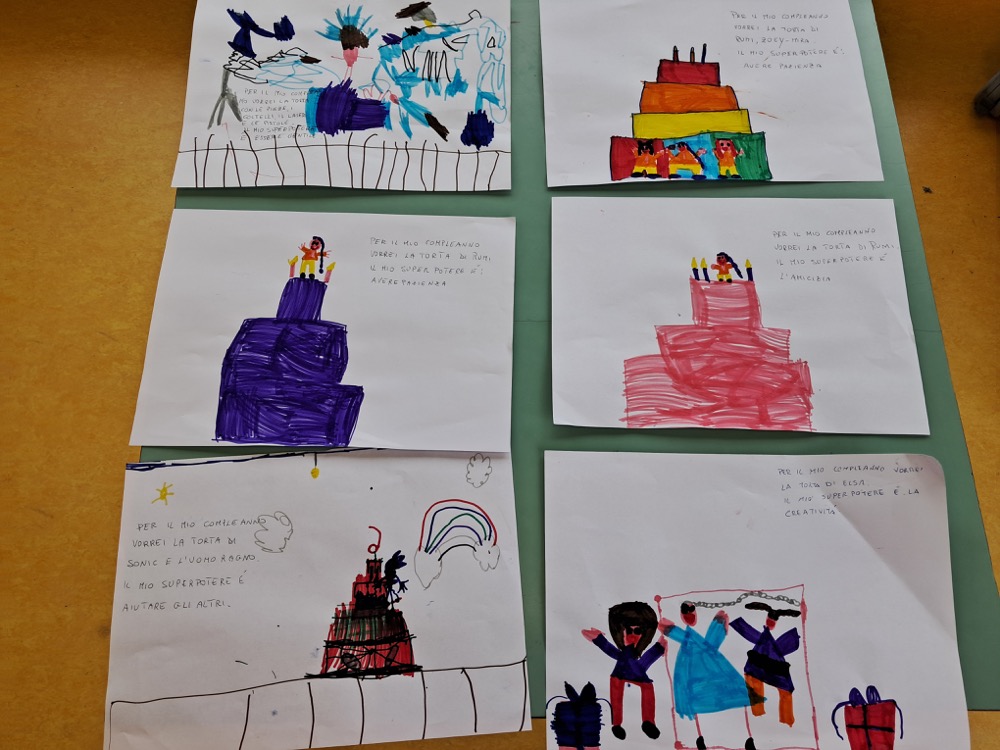
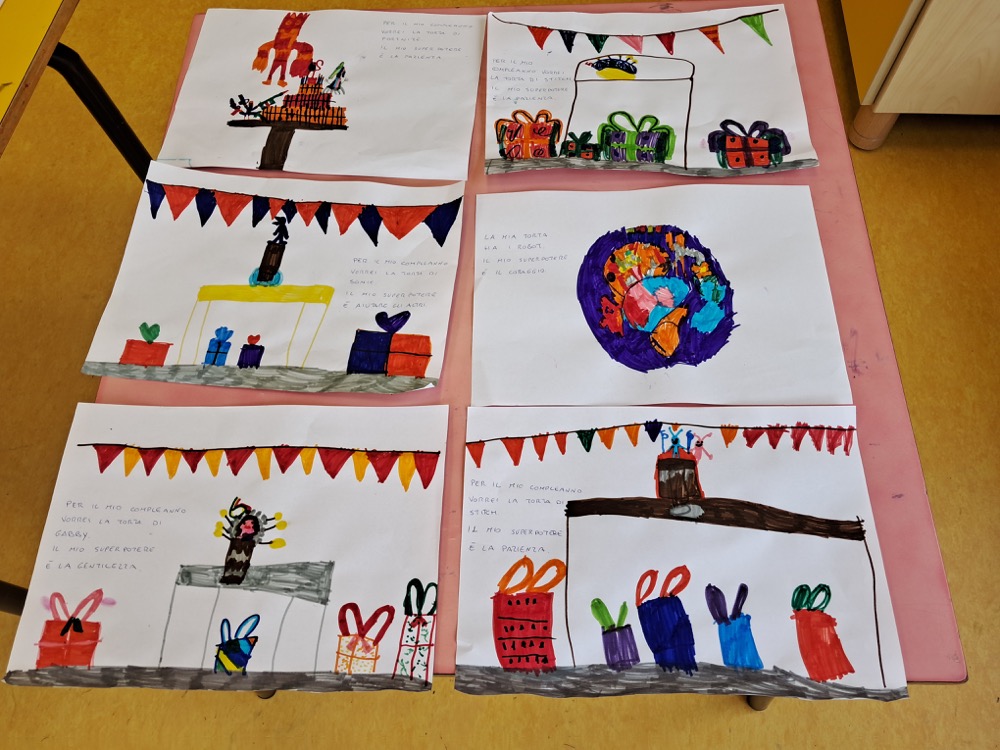
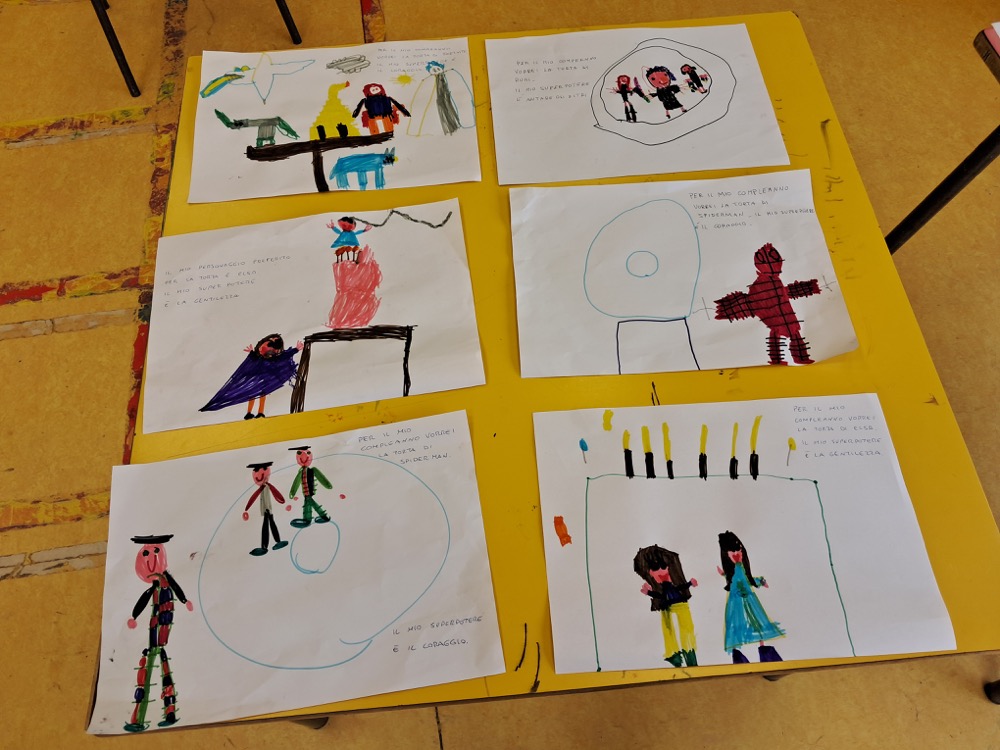
- My superpower - what I’m good at and how I can use my strengths in the celebration.
- Content of my celebration - e.g., Firefighter’s Day, Dance Party, Noddy Adventure.
- How and where we will celebrate - location, decorations, music, etc.
- My friends’ superpowers - how others can help (e.g.: Ana draws beautifully - she can make decorations. Luka sings well - he can sing a song.).
Children complete the poster with drawings and ideas. In addition to planning what to do and who will help, children are encouraged to think about how they want to celebrate - at their own rhythm and comfort level.
The teacher gently guides questions such as:
- How many activities would you like on your Special Day?
- Do you want your celebration to be calm or full of action?
- Would you like music to be loud or quiet?
- Would you like a short or a long celebration?
This reflection helps children recognize their own needs and preferences and supports them in expressing what makes them feel comfortable and happy.
The teacher documents these choices on each child’s planning poster.
During the celebration, these preferences can be revisited — helping the group learn to respect individual differences and to adapt to others’ comfort zones.
Presentation of the plans
Each child presents their Special Day plan to the group, explaining:
- which games or activities they chose and why
- who will help them and how
- why they have chosen a particular child for a particular task
Important note
Before each Special Day celebration, talk privately with the child about their plan:
- Are your wishes still the same, or have they changed? Why?
If a child has limited verbal skills, involve parents for suggestions or input.
Reflection
Display all the Special Day posters together.
Lead a discussion:
- What does each plan tell us about that child?
- What is their special skill or superpower?
- What do we have in common, and what makes each of us unique?
- How can our superpowers help make the celebration special?
Kira and Miro can join the discussion, noticing the children's strengths.
Variations and Additional Ideas
Example of a celebration: Firefighter’s Special Day
Celebration protocol:
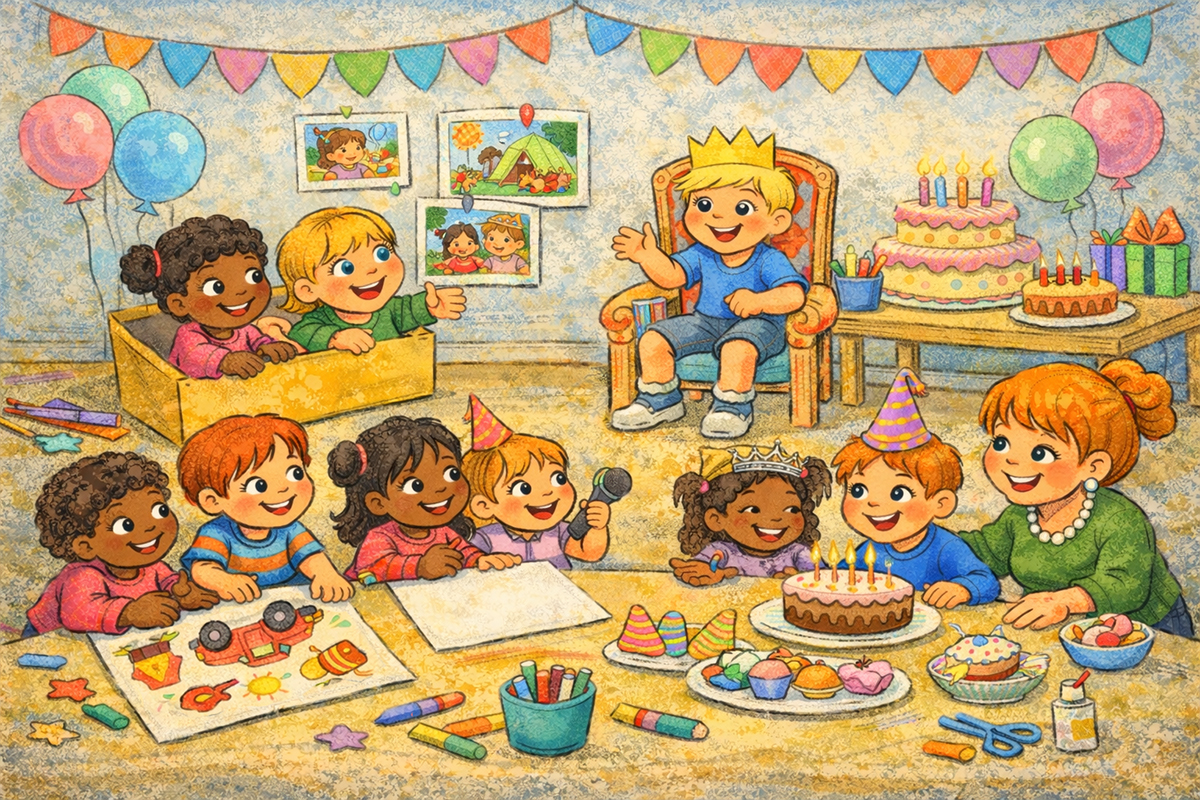
- Welcoming: The Special Day child enters the decorated playroom (decorations prepared by friends, e.g. Ana, Mersiha, and Luka).
- Song: Everyone sings the Special Day song to welcome the celebrant.
- Appreciation: The group tells the celebrant what they appreciate about them and what new things they can do now that they are one year older.
- Candles and wishes: The Special Day child blows out the candles and makes a wish.
Celebration:
- Review the child’s plan and check what accessories or materials are needed for the games.
- Play the chosen theme games.
Reflection on the celebration:
After the celebration, the teacher leads a short reflection with the children:
- How did you feel during your Special Day?
- How did your superpower help you today?
- Which superpower did your friends use to make your day special?
If the kindergarten serves meals (or if families bring food for the Special Day), the table can be decorated in the chosen theme.
All Special Day celebrations follow the same protocol, but the content varies according to each child’s interests, wishes, and strengths (superpowers).
Teachers can also prepare a small handmade surprise gift for each child - sometimes linked to the celebration theme, sometimes a simple didactic game the child can later share with friends or family.
The creativity of the gift is up to the teacher.
Photos of the Activity