Što ako?
 Financirano sredstvima Europske unije. Izneseni stavovi i mišljenja su stavovi i mišljenja autora i ne moraju se podudarati sa stavovima i mišljenjima Europske unije ili Europske izvršne agencije za obrazovanje i kulturu (EACEA). Ni Europska unija ni EACEA ne mogu se smatrati odgovornima za njih. |
 Svi sadržaji, a posebno tekstovi, slike i grafikoni, su zaštićeni autorskim pravima. Vlasnik autorskih prava, ukoliko nije drugačije označeno, je sel.eduskills.plus, a autorsko pravo je definirano licencom Creative Commons Imenovanje-Nekomercijalno-Dijeli pod istim uvjetima 4.0 Međunarodna. Autorska prava mogu biti definirana uvjetima licence. |
© 2026 sel.eduskills.plus
| Napredna | |
| Dob: 4-6 | |
| 20-30 minuta | |
| Kroz pitanja „Što ako?“ djeca postaju svjesna uzroka i posljedica. Jačaju kreativno i kritičko mišljenje, razvijaju strategije prilagodbe na izazove i doživljavaju vrijednost suradnje. | |
| Kritičko razmišljanje | |
| Fleksibilnost | |
| Kognitivni zadatak Razgovor | |
|
Priprema
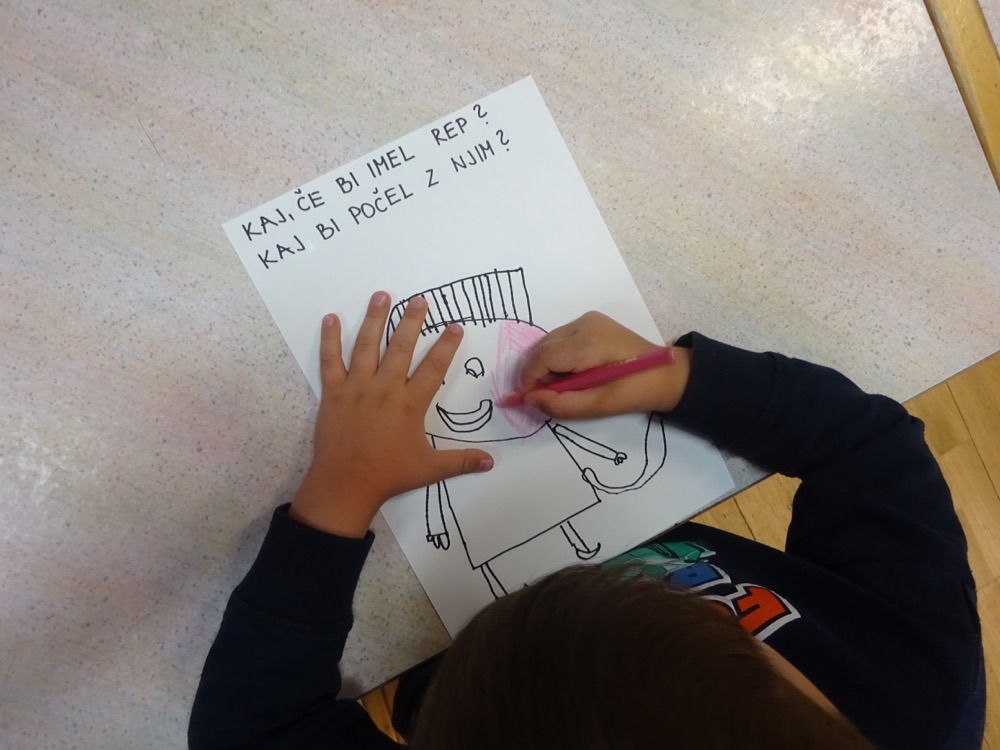
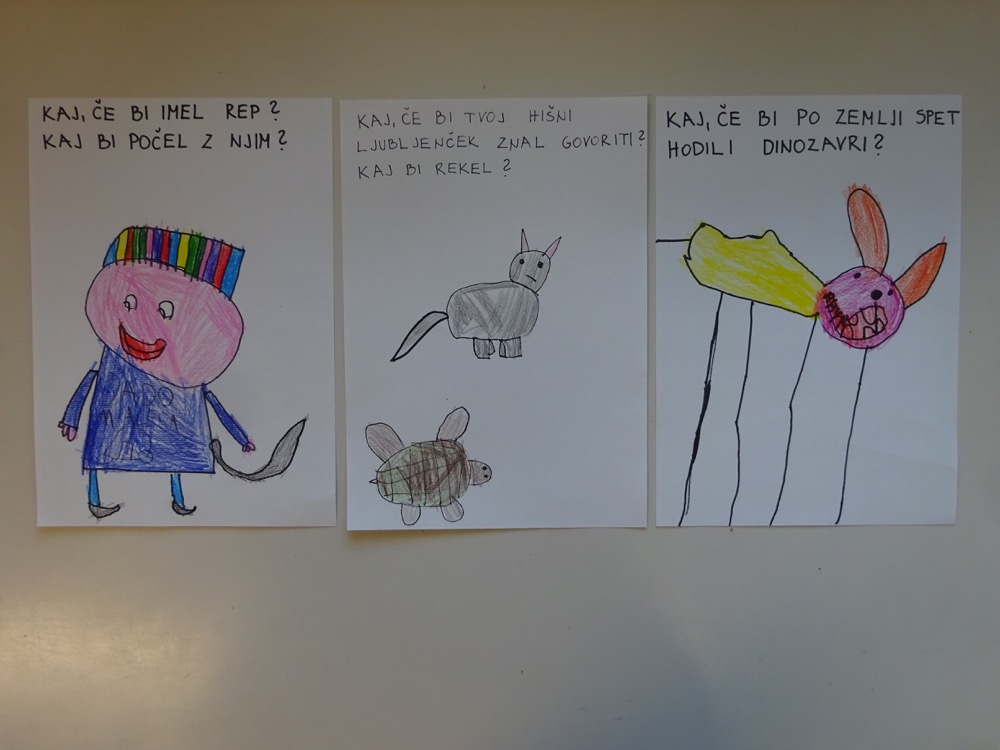
Isprintajte kartice s pitanjima „Što bi bilo?“. Možete iskoristiti raspoloživi prostor kako biste djeci omogućili da ilustriraju rečenice „Što ako“. Plastificirajte ih radi trajnosti.
Implementacija
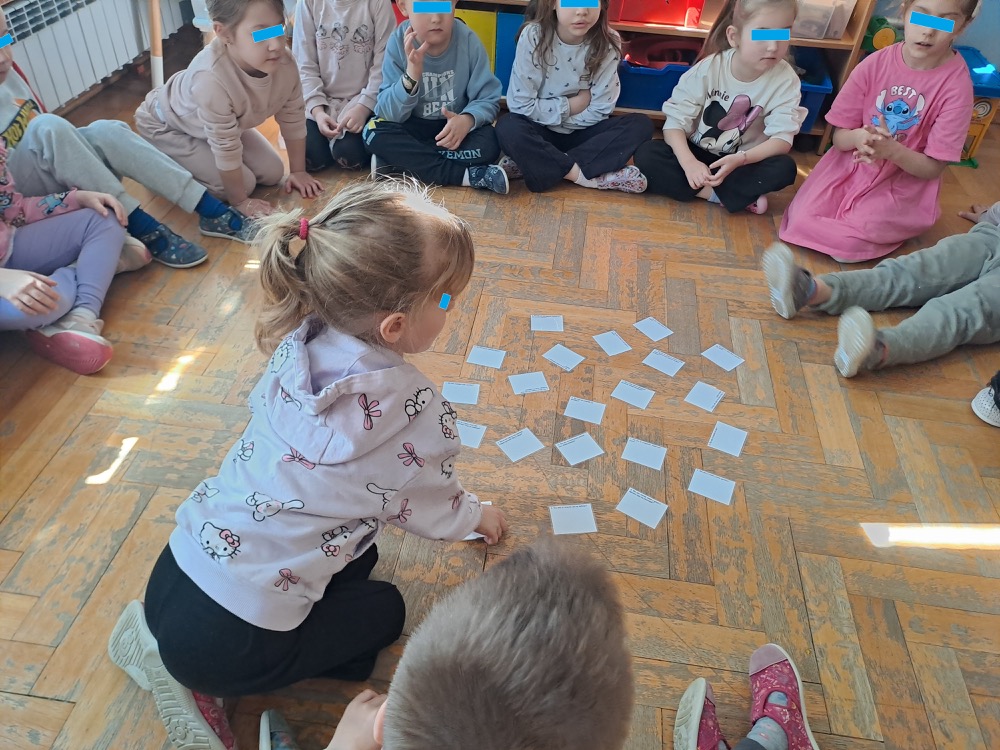
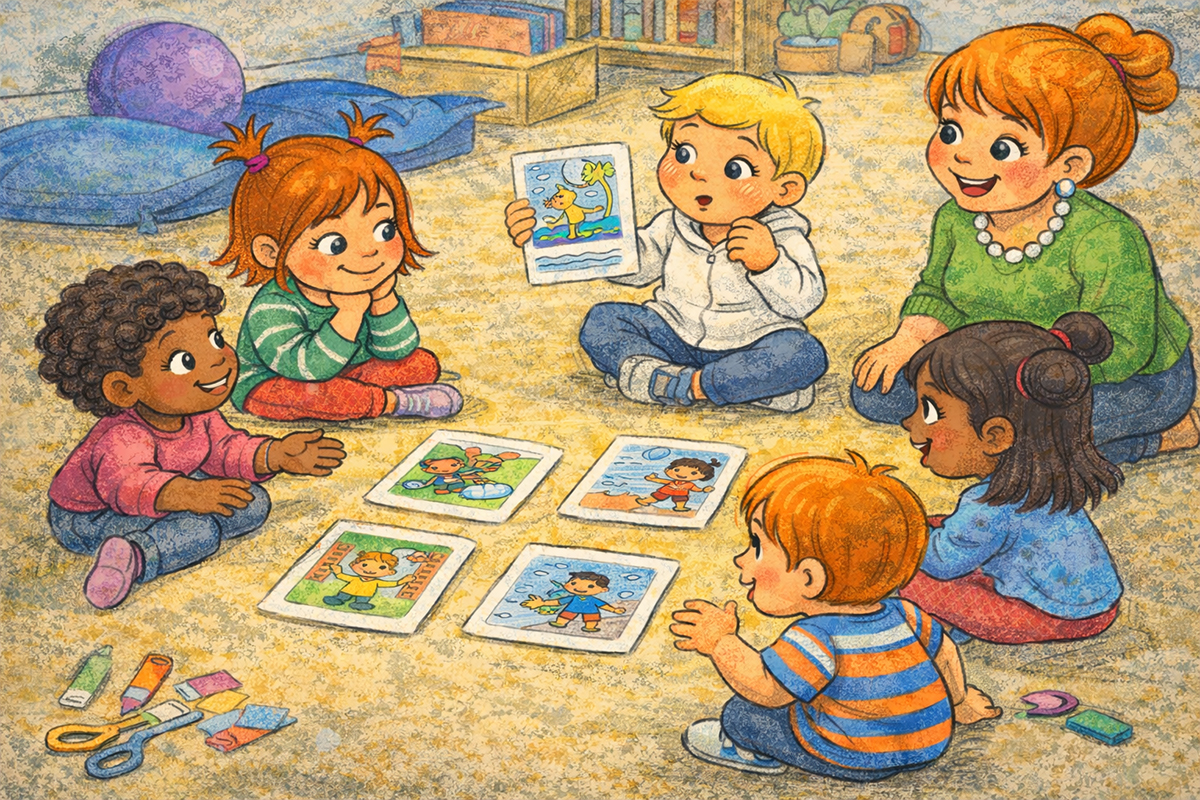
Okupite djecu u krug i predstavite novu igru. Pokažite im kartice s pitanjima „Što bi bilo?“ i objasnite da svaka kartica sadrži situaciju o kojoj će razmišljati i razgovarati.
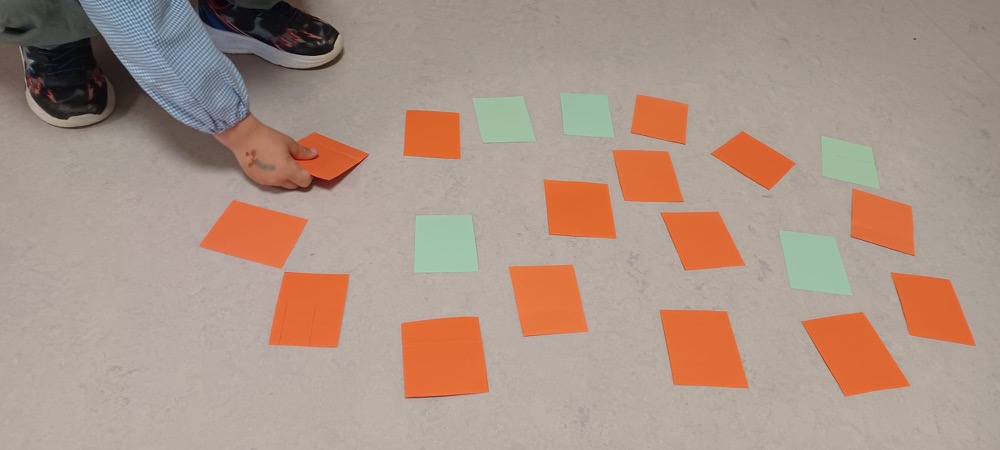
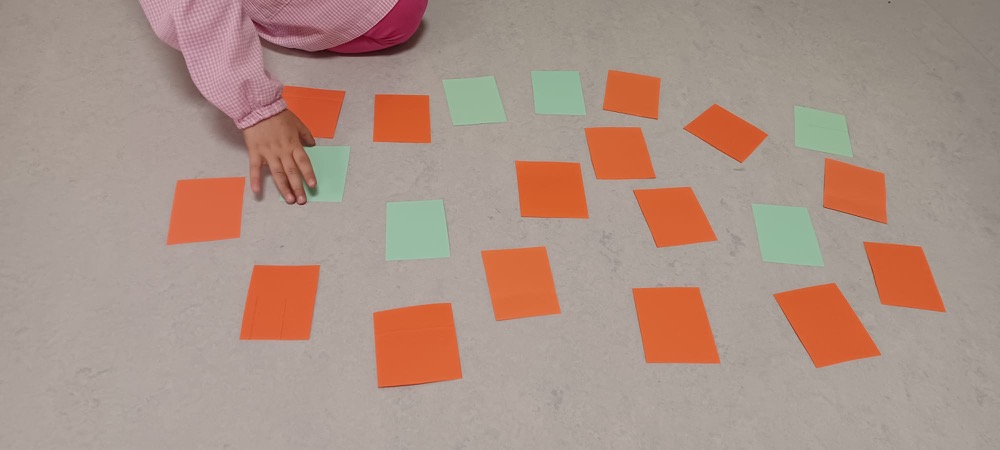
Rasporedite kartice licem prema dolje u sredinu kruga. Brojalicom odredite koje će dijete prvo izvlačiti karticu.
Odabrano dijete uzima karticu, pogleda sliku i sluša kako odgojiteljica naglas čita pitanje (ili ga dijete pročita ako zna čitati). Dijete zatim objašnjava što misli da bi bilo najbolje učiniti u toj situaciji.
Odgojiteljica potiče razmišljanje postavljajući pitanja poput:
- Što bi ti bilo potrebno u toj situaciji?
- Kako bi si mogao/mogla pomoći?
- Koga bi mogao/mogla zamoliti za pomoć?
Nakon toga i druga djeca dijele svoje ideje i mišljenja o situaciji. Kad svi završe raspravu, dijete koje je trenutno na redu odabire sljedeće dijete koje će izvući karticu. Nastavite dok sva djeca ne dođu na red ili dok interes prirodno ne opadne.
Refleksija
Nakon igre razgovarajte o iskustvu:
- Što ti se najviše svidjelo u ovoj igri?
- Koja su ti pitanja bila najdraža i zašto?
- Koja su bila teška? Što ih je činilo teškima?
- Jesi li ikada bio/bila u sličnoj situaciji? Kako si je riješio/riješila?
Ovaj razgovor pomaže djeci povezati maštu i razmišljanje sa stvarnim životnim situacijama i emocijama.
Varijacije i dodatne ideje
Promijeni priču:
Upotrijebite poznatu priču ili događaj i zamislite „Što bi bilo?“ obrat. (Primjer: Što bi bilo da se Crvenkapica izgubila u gradu?).
Izrada vlastitih kartica:
Djeca izrađuju svoje „Što bi bilo?“ kartice koristeći slike iz časopisa ili vlastite crteže. Mogu osmisliti situacije, ilustrirati ih i podijeliti sa skupinom.
Igra uloga:
Djeca u parovima ili manjim skupinama odglume odabrane „Što bi bilo?“ situacije. Potaknite djecu da istražuju različita rješenja i emocije kroz igru.
Pitanja „Što ako?“ - Vesela i smiješna
Pitanja „Što ako?“ - Izazovne situacije
Slike aktivnosti