Što nam glazba govori - Istraživanje emocija kroz glazbu
 Financirano sredstvima Europske unije. Izneseni stavovi i mišljenja su stavovi i mišljenja autora i ne moraju se podudarati sa stavovima i mišljenjima Europske unije ili Europske izvršne agencije za obrazovanje i kulturu (EACEA). Ni Europska unija ni EACEA ne mogu se smatrati odgovornima za njih. |
 Svi sadržaji, a posebno tekstovi, slike i grafikoni, su zaštićeni autorskim pravima. Vlasnik autorskih prava, ukoliko nije drugačije označeno, je sel.eduskills.plus, a autorsko pravo je definirano licencom Creative Commons Imenovanje-Nekomercijalno-Dijeli pod istim uvjetima 4.0 Međunarodna. Autorska prava mogu biti definirana uvjetima licence. |
© 2026 sel.eduskills.plus
| Napredna | |
| Dob: 4-6 | |
| 20-30 minuta | |
| Djeca slušaju glazbu, slobodno se kreću te istražuju kako ih zvukovi i ritmovi potiču na osjećaje i pokret. | |
| Samoregulacija | |
| Fleksibilnost | |
| Umjetnost Pokret Muzika | |
|
Priprema
Za varijacije:
- Izradite četiri velika papirnata oblaka tako da od debljeg papira izrežete oblike oblaka i na svaki napišete jednu emociju.
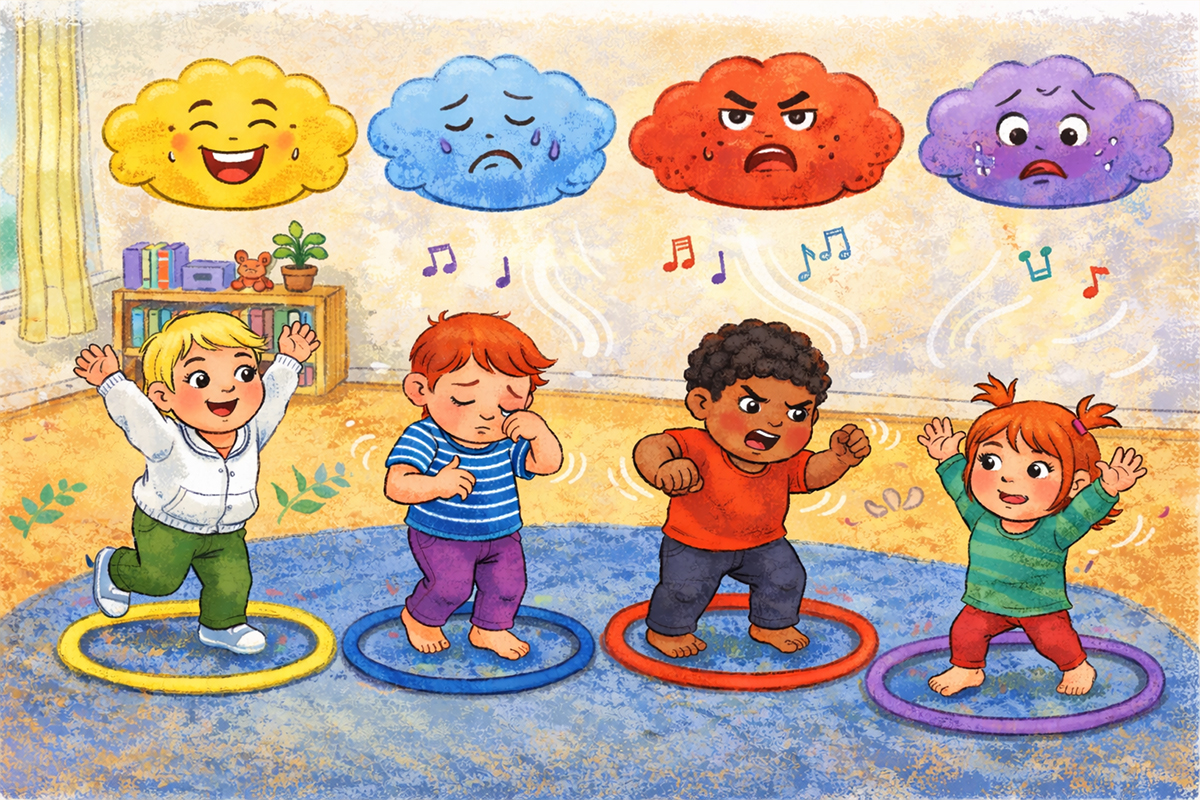
- Postavite četiri obruča različitih boja, pri čemu svaka boja predstavlja jednu emociju.
- Pripremite dovoljno papira za slikanje, kistova i tempera za svako dijete.
- Zaštitite prostor za slikanje podlogom i pripremite zaštitne pregače za djecu.
Ova aktivnost može izazvati snažne osjećaje. Odabrane strategije za suočavanje s njima možete pronaći u Smjernicama. Preporučujemo da se upoznate s tim strategijama prije provođenja aktivnosti u grupi.
Implementacija
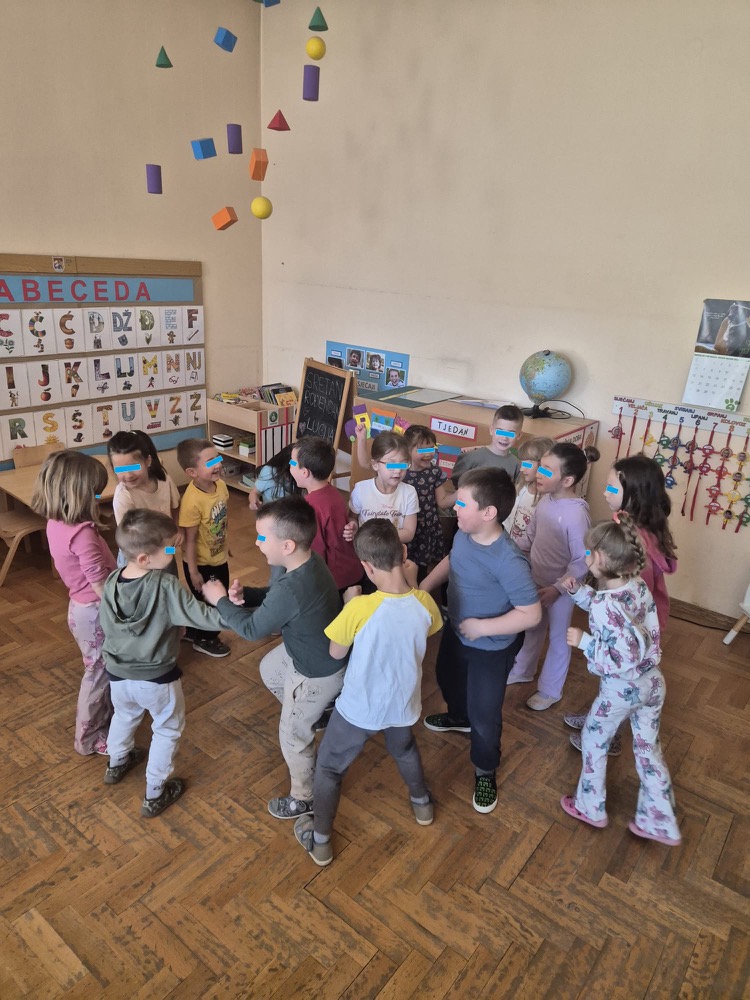
Okupite djecu u krug i objasnite im da će istraživati kako nas glazba može navesti da se osjećamo. Započnite laganim trljanjem ušiju zajedno s djecom kako biste ih „probudili“ za bolje slušanje. Nakon toga zajedno se lagano istegnite i protresite tijelo kako biste ga probudili za pokret.
Objasnite djeci da ih glazba koju će čuti može podsjetiti na različite osjećaje i da svojim tijelom mogu pokazati kako ih glazba navodi da se osjećaju ili što zamišljaju.
Pustite prvi glazbeni ulomak i dopustite djeci da nekoliko trenutaka mirno slušaju. Nakon slušanja pitajte:
- Kakav vam osjećaj ili sliku ova glazba priziva?
- Kako se vaše tijelo želi kretati kad je čujete?
Potičite djecu da se slobodno kreću i na svoj način tumače glazbu.
Kada glazba stane, zastanite i pitajte kako se njihova tijela sada osjećaju:
- Osjećaju li se vaše ruke lagane ili teške? Kreću li se noge brzo ili sporo?
- Osjećate li se smireno, uzbuđeno, toplo, hladno, mirno ili nemirno?
Ponovite postupak s drugim glazbenim ulomcima, ostavljajući vremena za slušanje, kretanje i razmišljanje nakon svakog.
Naglasite da svatko može drugačije doživjeti i izraziti glazbu te da ne postoji ispravan ili pogrešan način kretanja.
Refleksija
Nakon što su istraženi svi glazbeni ulomci, pozovite djecu da sjednu i opuste se.
Vodite ih kroz nekoliko dubokih udisaja i sporih izdisaja.
Upitajte ih:
- Kako ste se osjećali dok ste slušali i kretali se?
- Je li postojao glazbeni ulomak koji vam se posebno svidio? Zašto?
- Jesu li neki pokreti ili zvukovi djelovali neobično ili novi?
Istaknite da je svaki osjećaj i iskustvo vrijedno te da nam glazba može pomoći razumjeti i izraziti naše emocije.
Varijacije i dodatne ideje
Oblaci
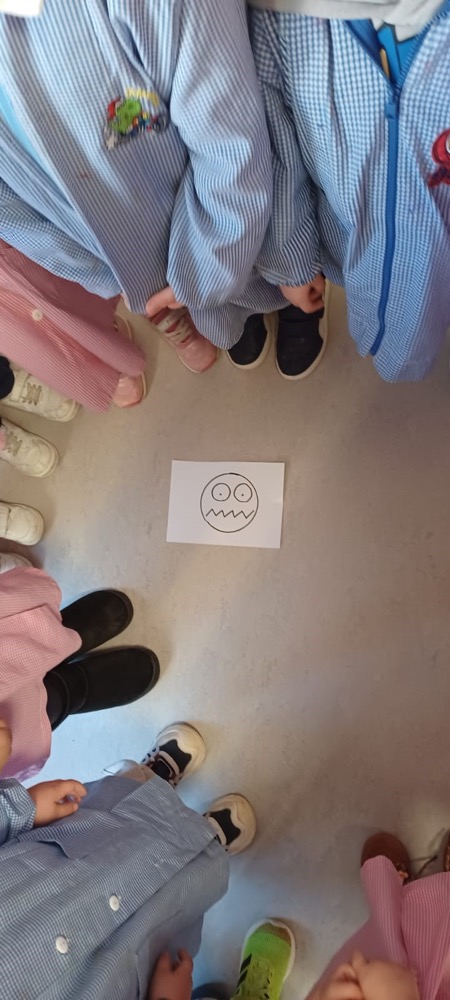
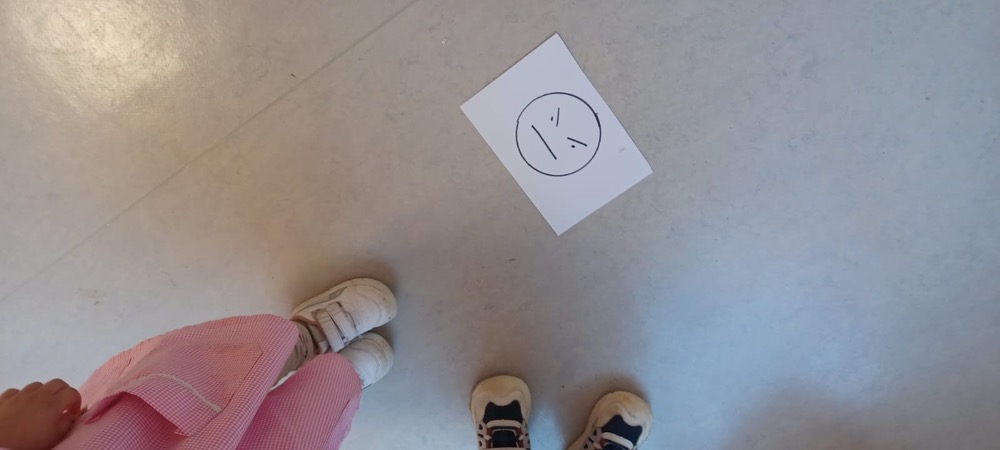
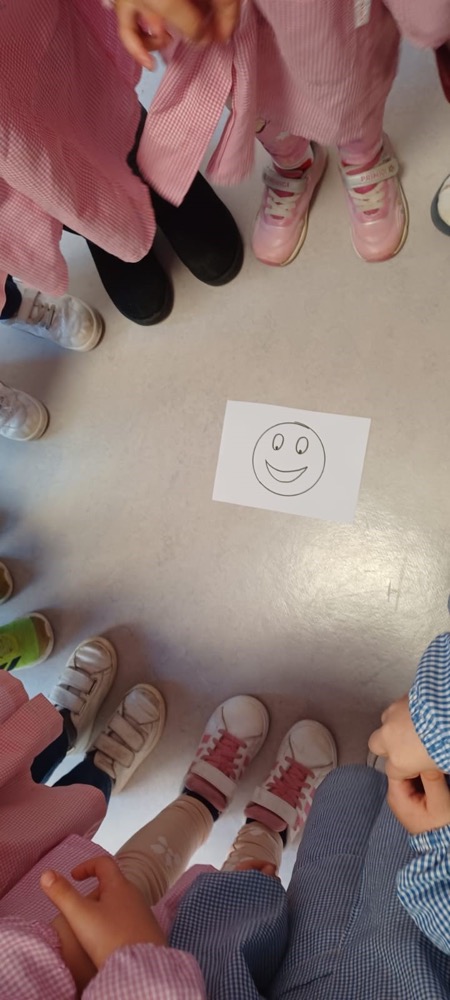
Postavite velike papirnate „oblake” na pod, a na svakom neka bude označena jedna emocija, poput sreće, tuge, ljutnje ili straha. Dok svira glazba, djeca se kreću prema oblaku koji predstavlja osjećaj koji povezuju s glazbenim ulomkom. Ovo im pomaže povezati pokret i prostor sa svjesnošću o emocijama.
Obruči
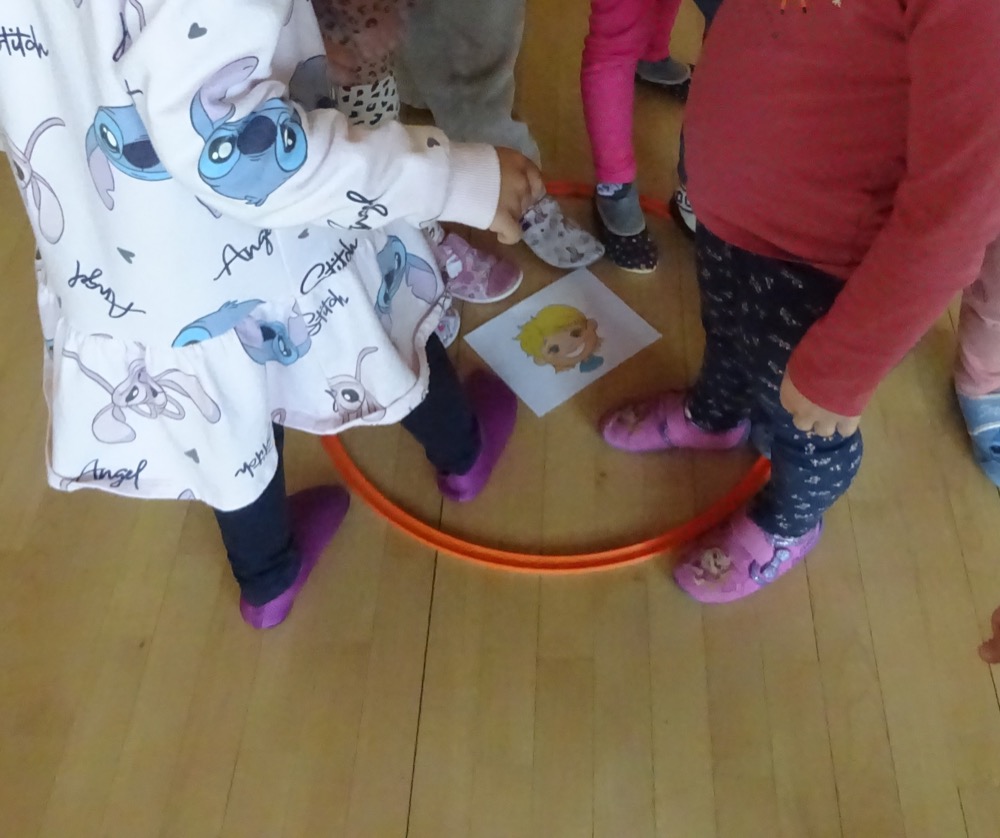
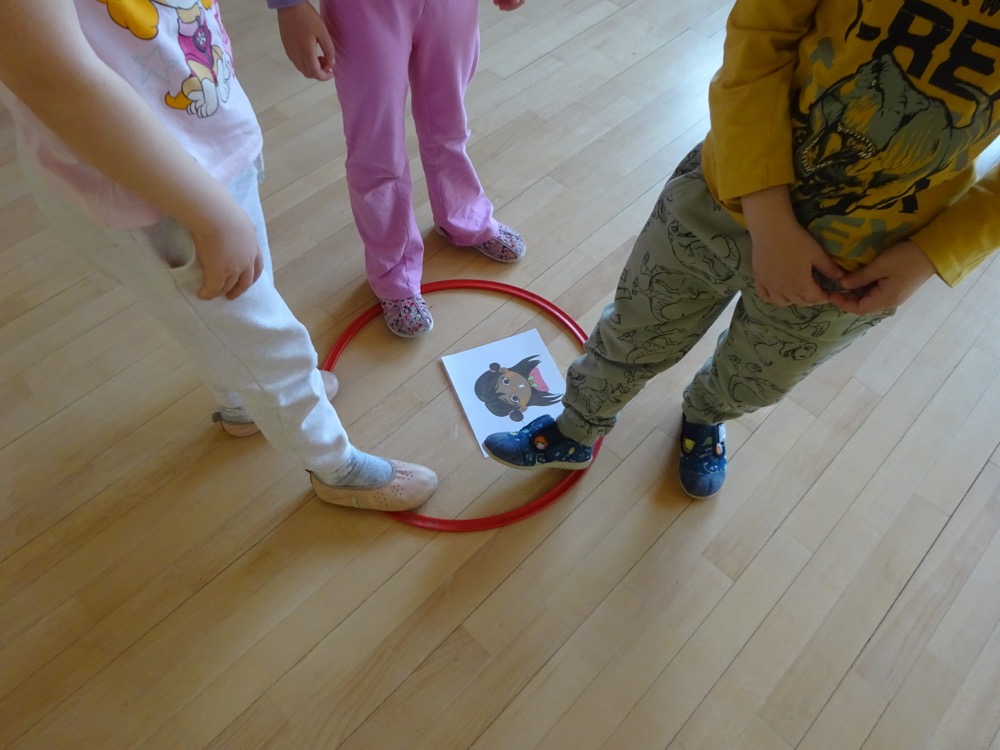
Upotrijebite obojene obruče, pri čemu svaka boja predstavlja određeni osjećaj. Nakon slušanja glazbenog ulomka, djeca ulaze u obruč koji najbolje odgovara emociji koju su osjetila. Ova varijacija potiče donošenje odluka i osobnu interpretaciju.
Slikanje
Svakom djetetu dajte veliki list papira i temperu. Dok slušaju glazbu, djeca slikaju bojama i oblicima koji odražavaju njihove osjećaje. Ovakav pristup omogućava kreativno i individualno izražavanje te pomaže djeci vizualizirati emocije kroz umjetnost.
Obris tijela
Pripremite veliki list papira s obrisom dječjeg tijela i objesite ga na zid.
Ponudite djeci voštane pastele kako bi mogla „naslikati svoje osjećaje” unutar obrisa tijela, koristeći različite boje za prikaz mjesta i načina na koji osjećaju emocije dok slušaju glazbu.
Glazbeni dnevnik osjećaja
Izradite zajednički „glazbeni dnevnik” za skupinu, u koji djeca i odgojiteljice mogu bilježiti glazbene ulomke koje su slušali i osjećaje koje su povezali s njima.
S vremenom, ovaj dnevnik može prerasti u vizualnu i emocionalnu mapu iskustava skupine s glazbom.
Slike aktivnosti