Values in our Group - Friendship
 Funded by the European Union. Views and opinions expressed are however those of the author(s) only and do not necessarily reflect those of the European Union or the European Education and Culture Executive Agency (EACEA). Neither the European Union nor EACEA can be held responsible for them. |
 All contents, in particular texts, pictures and graphics, are protected by copyright. Unless expressly stated otherwise, copyright is held by sel.eduskills.plus and is licensed under Creative Commons Attribution - Non-commercial - Distribution under the same conditions 4.0 International license. They may be subject to the terms of the license. |
© 2026 sel.eduskills.plus
| Advanced | |
| Age: 4-6 | |
| 5 sessions of approx. 30 min | |
| Children explore changes in their peers and learn to value friendship, kindness, and belonging through reflection, drawing, and a Secret Friend game. | |
| Flexibility | |
| Critical thinking | |
| Cognitive task Conversation | |
|
Preparation
Changes in Our Friends
- Collect photos of the children from when they were younger.
- Place the photos in a basket or box.
- Prepare a notebook for observations and a poster to record comments about changes and growth.
Poster - How Friendship Is Seen, Heard, and Felt
- Provide a large sheet of paper or board, crayons, and markers for drawing and writing.
Being a Good Friend
- Offer various paper sizes, crayons, and markers for drawings.
- Keep a pen handy to write down children’s statements.
- Prepare a poster or board to collect thoughts.
Secret Friend Game
- Prepare slips of paper with children’s names or photos for the Secret Friend draw.
- Have a basket or box ready for drawing.
- Provide paper and crayons for small gifts, drawings, or notes of kindness.
- Prepare a poster or chart to track actions and reflections.
Reflection and New Goals
- Prepare a sheet of paper or calendar for recording reflections and setting new goals.
- Provide simple visual aids (like smiley or thoughtful faces) to help children express their feelings.
Implementation
Changes in Our Friends
Children learn to notice and talk about how their peers have grown and changed.
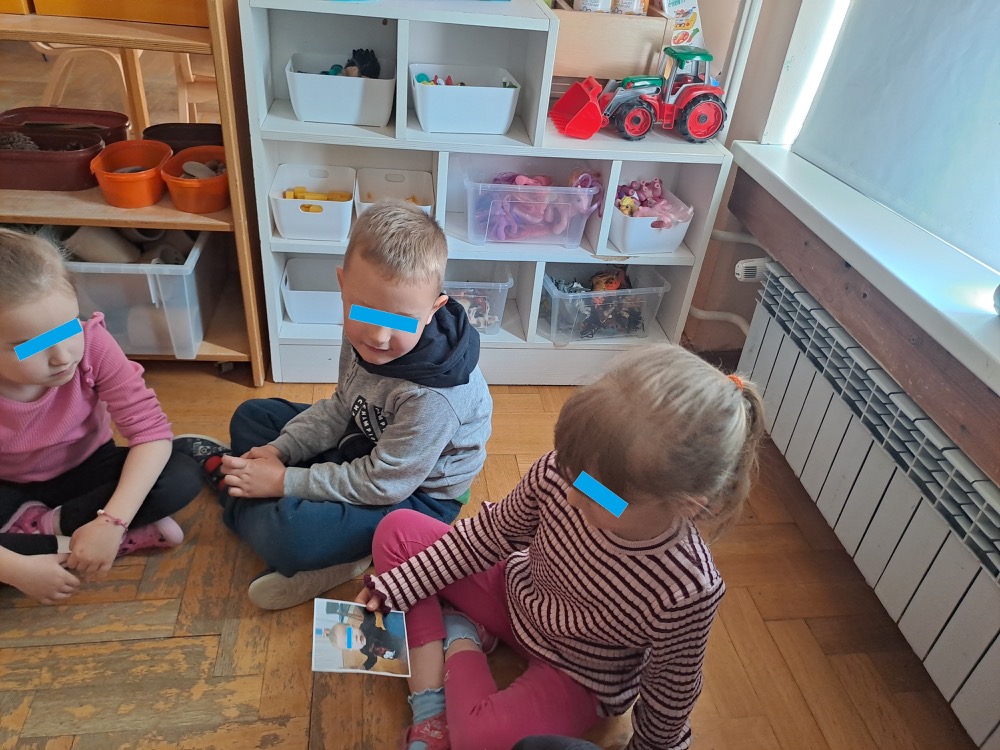
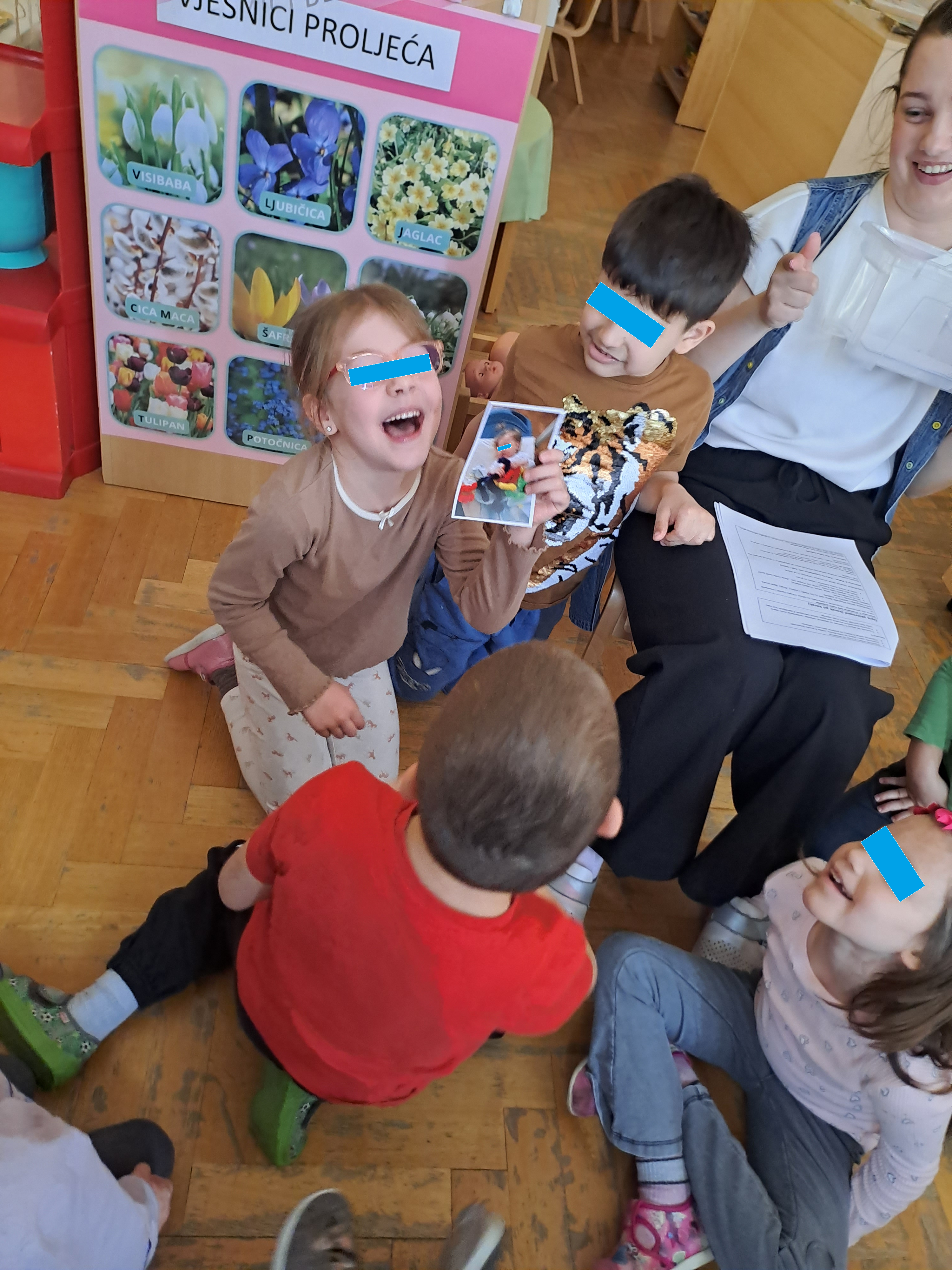
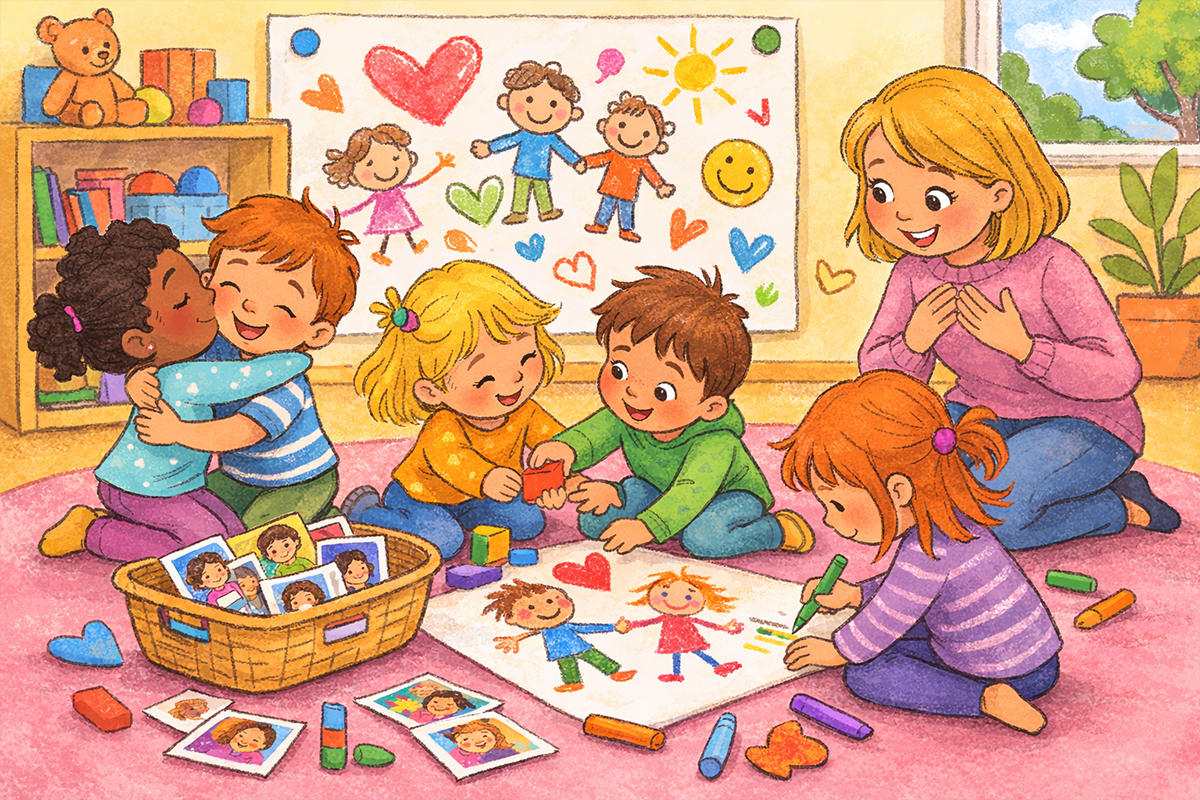
The teacher places photos of the children (taken when they were younger) in a basket. Each child draws a photo and looks carefully at it.
They talk together about:
- What has changed (e.g.: hair, height, favorite clothes).
- What their friend can do now that they could not do before (e.g.: He can ride a bike now. She can draw animals really well.).
- Why every person is special and important to the group.
The teacher writes down the children’s observations and collects them on a poster.
Poster - How Friendship Is Seen, Heard, and Felt
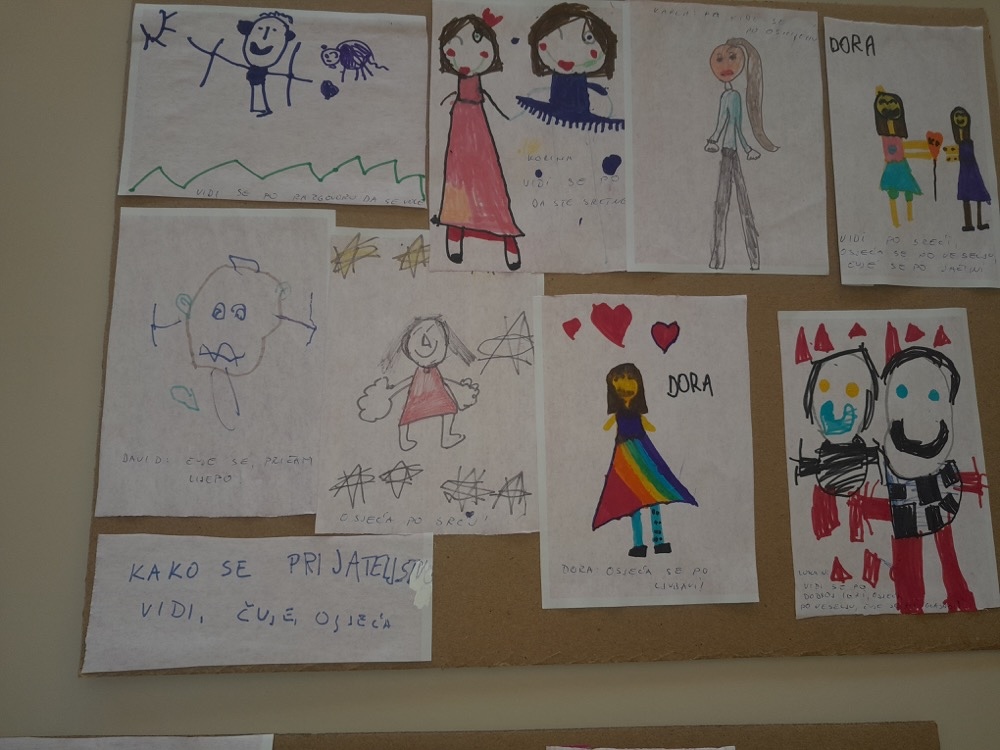
Together, the group creates a poster showing what friendship looks like, sounds like, and feels like in their group.
Examples:
- Seen: Smiles, children playing together, helping each other.
- Heard: Let’s play! Thank you! Please help me.
- Felt: Safe, happy, cared for, calm.
Children add drawings and words that show how friendship is expressed in their daily life.
Being a Good Friend
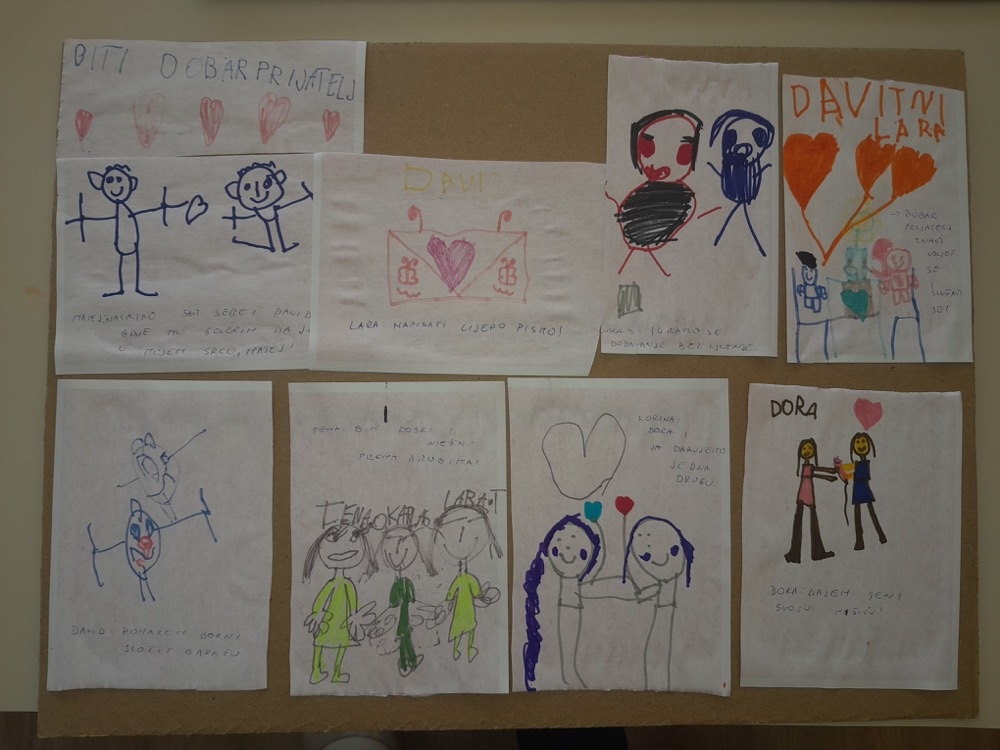
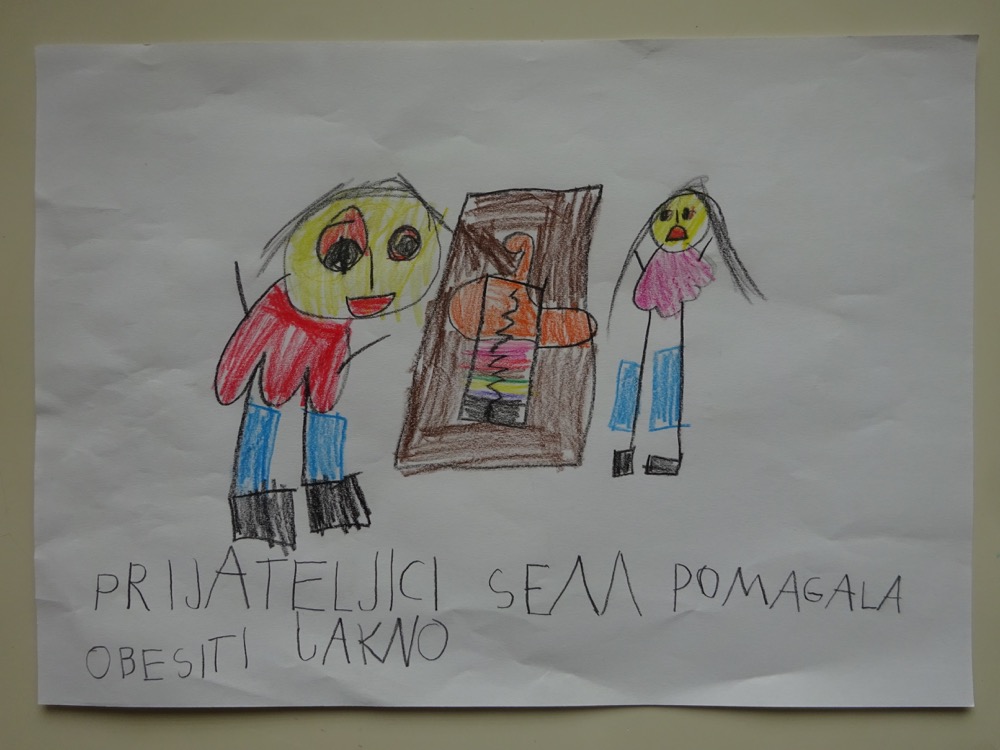
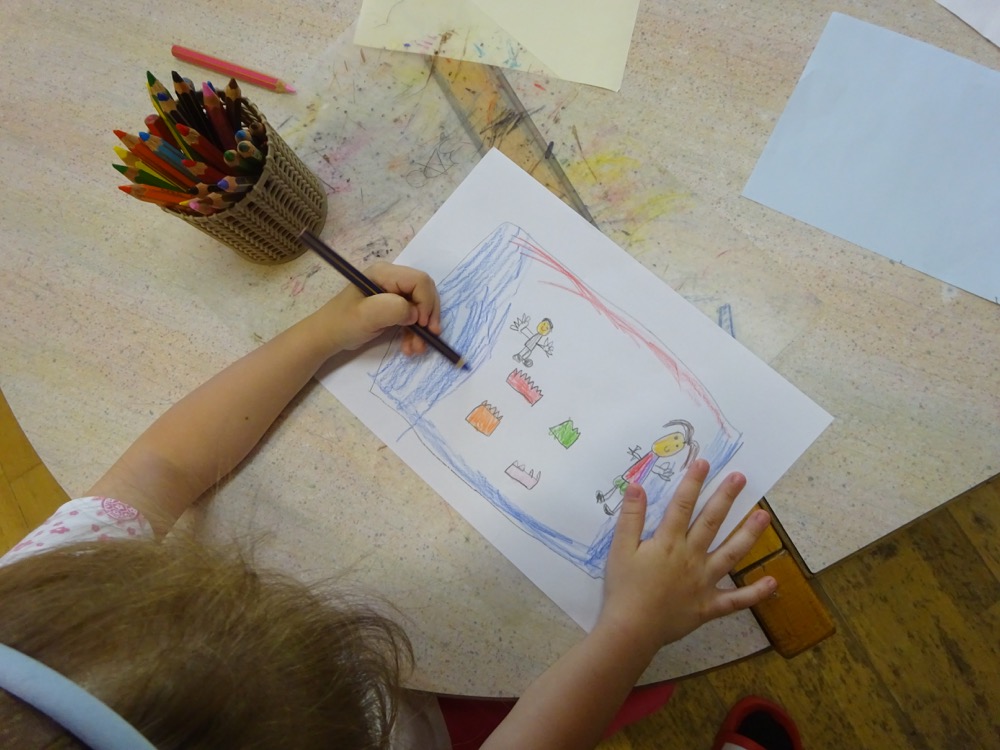
Children draw a picture of themselves doing something friendly.
They describe what they are doing and how it helps others (e.g., I help my friend zip up her coat. I share my crayons.).
The teacher writes down their sentences and discusses how small acts of kindness make the group feel better together.
Secret Friend Game
Each child draws a slip of paper with the name or photo of a secret friend.
Throughout the day or week, they try to do small kind actions for that friend (helping, drawing a picture, saying something nice).
At the end of the week, the group gathers and tries to guess who their secret friend was.
Together, they talk about how these small actions help the group get along in a pleasant and caring way.
Notes for Inclusion
The level of abstraction can be adjusted depending on the children’s developmental stage.
Teachers should support children who find it difficult to imagine others’ perspectives by giving concrete examples, using visual aids, or modeling friendly behaviors.
The goal is to help all children experience that friendship means caring for one another, cooperating, and making the group a pleasant place to be in.
Reflection
At the end of the week, children reflect on how they showed friendship.
They can use emotion faces or short statements to say how they felt when helping others or being helped.
Together, they set simple new goals for the next week (e.g.: I will invite someone new to play. I will listen when a friend talks.).
The teacher records the children’s ideas and keeps the chart visible as a reminder.
Variations and Additional Ideas
Looking at Group Photos
Instead of individual photos, children can look at older and newer group photos. Together they observe how the group has changed over time: who has joined, who may have moved on, and how everyone has grown.
This helps them reflect on belonging, friendship, and how groups evolve while still remaining connected.
Photos of the Activity