Mali vrtlari
 Financirano sredstvima Europske unije. Izneseni stavovi i mišljenja su stavovi i mišljenja autora i ne moraju se podudarati sa stavovima i mišljenjima Europske unije ili Europske izvršne agencije za obrazovanje i kulturu (EACEA). Ni Europska unija ni EACEA ne mogu se smatrati odgovornima za njih. |
 Svi sadržaji, a posebno tekstovi, slike i grafikoni, su zaštićeni autorskim pravima. Vlasnik autorskih prava, ukoliko nije drugačije označeno, je sel.eduskills.plus, a autorsko pravo je definirano licencom Creative Commons Imenovanje-Nekomercijalno-Dijeli pod istim uvjetima 4.0 Međunarodna. Autorska prava mogu biti definirana uvjetima licence. |
© 2026 sel.eduskills.plus
| Napredna | |
| Dob: 4-6 | |
| 2 sesije po otprilike 1 sat | |
| Djeca istražuju kako biljke rastu i što je živim bićima potrebno za opstanak. Promatranjem i brigom povezuju prirodu, znatiželju i razvijaju empatiju. | |
| Dobrobit | |
| Upravljanje učenjem | |
| Kognitivni zadatak Razgovor Na otvorenom | |
|
Implementacija
Započnite razgovorom: Odgojiteljica pita djecu imaju li kod kuće ili u vrtu biljke. Što je biljkama potrebno da bi živjele? Kako one „jedu“ ili „piju“? Potaknite djecu da podijele ono što već znaju o biljkama i njihovoj njezi.
Upoznavanje biljaka
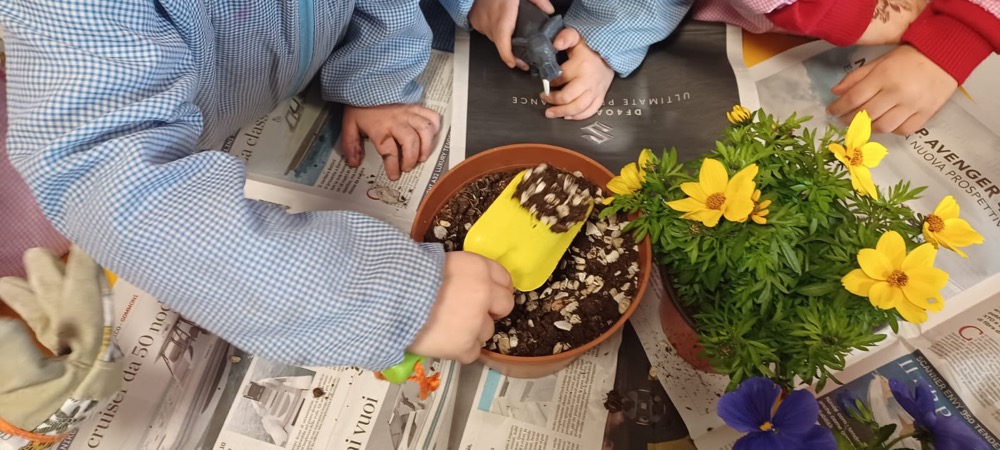
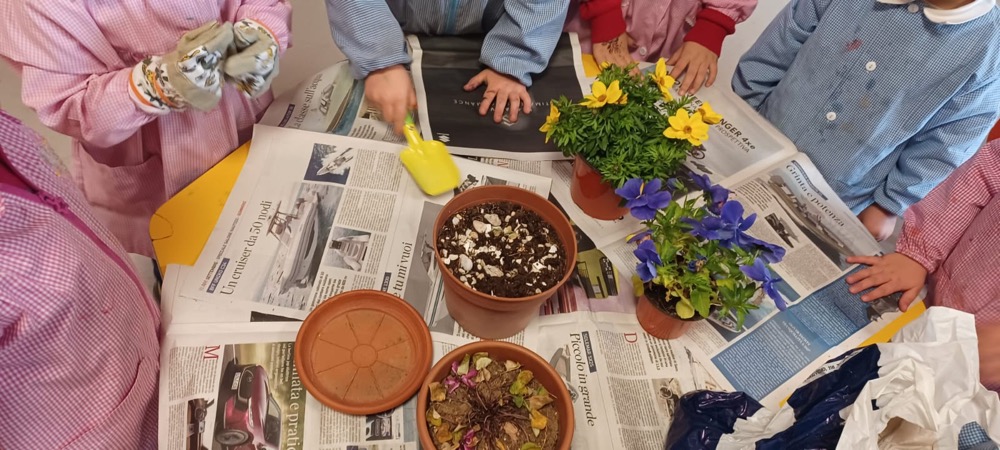
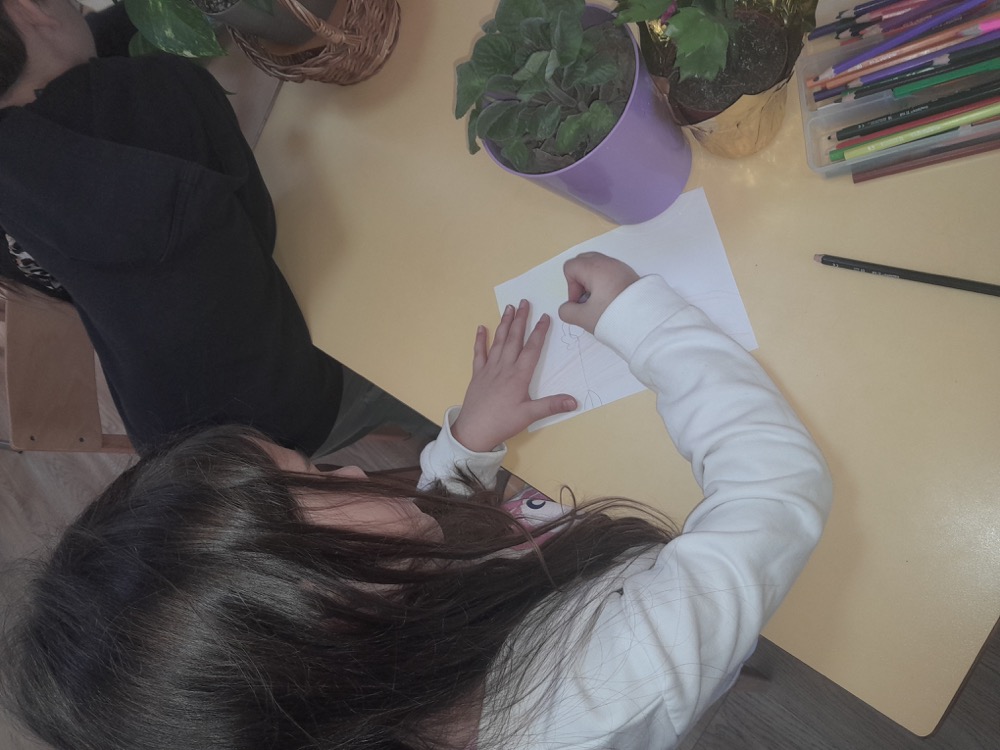
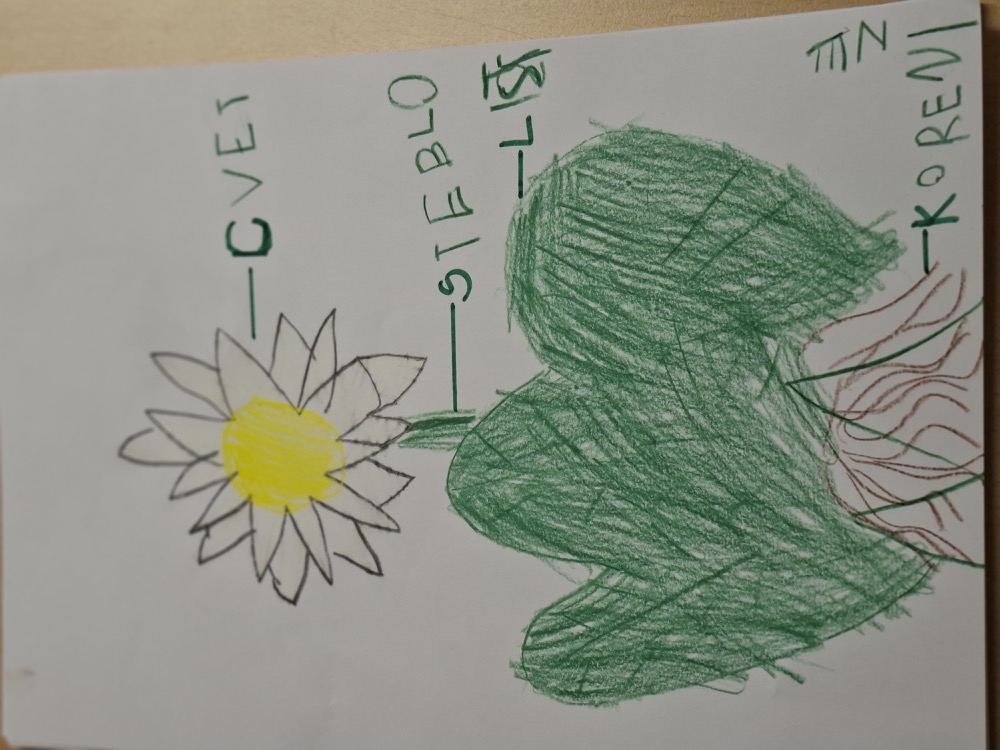
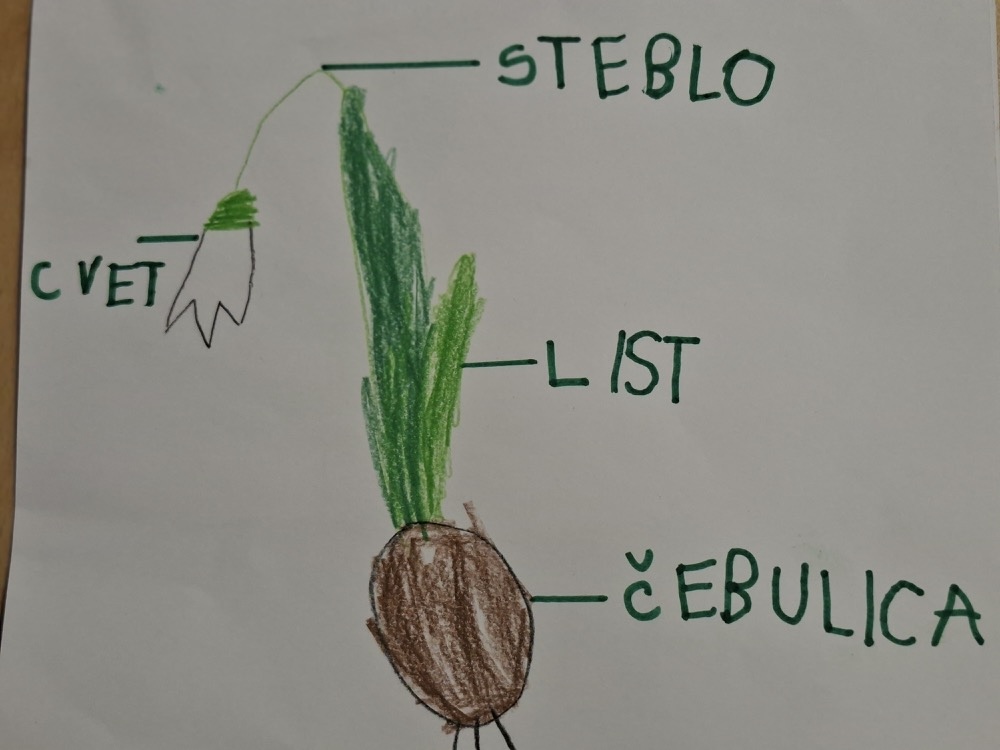
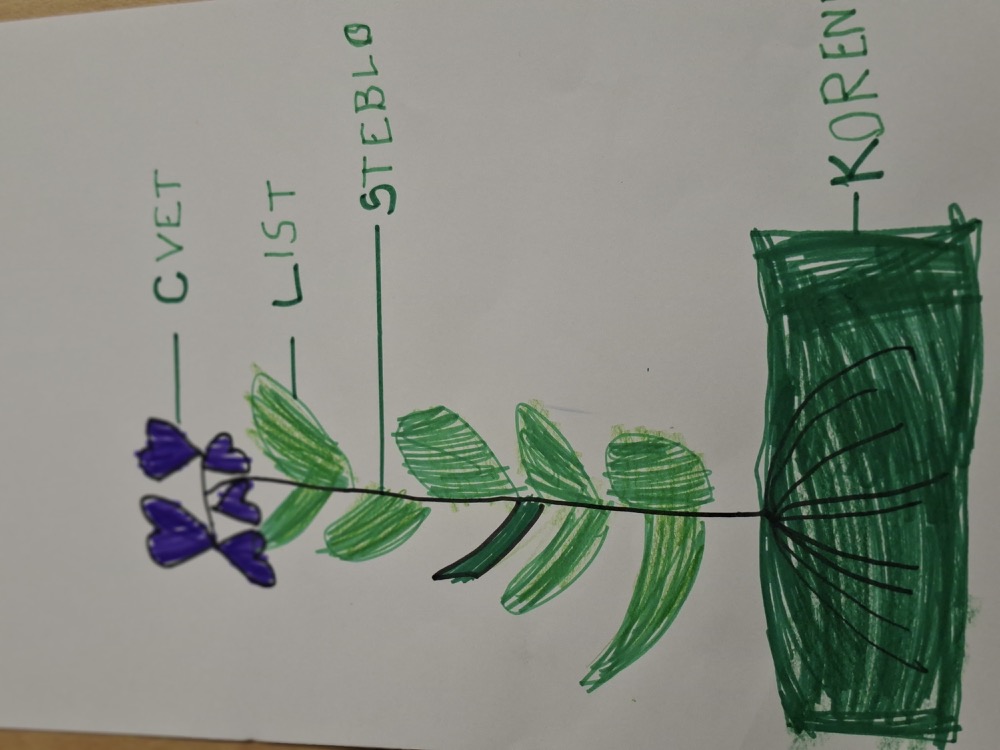
Djeca i odgojiteljica donose nekoliko biljaka u skupinu. (Roditelje se može zamoliti da pomognu i doniraju biljke prije početka projekta.) Djeca ih pomno promatraju, dodiruju lišće i stabljike te razgovaraju o tome što uočavaju. Zajedno imenuju i prepoznaju glavne dijelove biljke (korijen, stabljika, listovi, cvjetovi). Djeca crtaju svoja opažanja ili snimaju fotografije
Biljni pokus
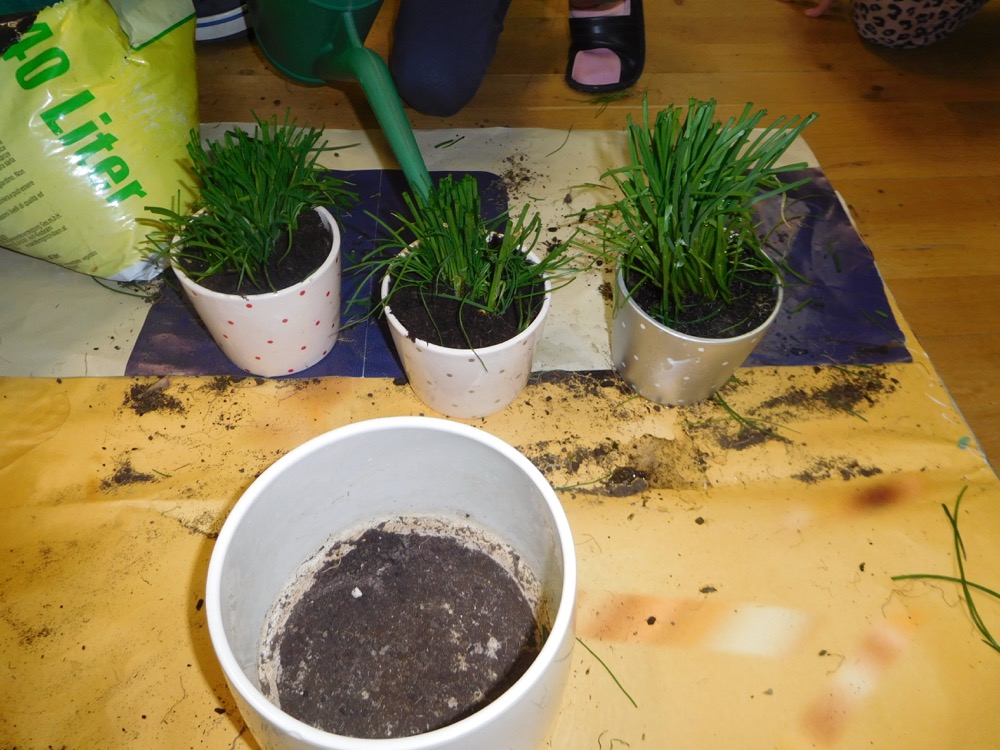
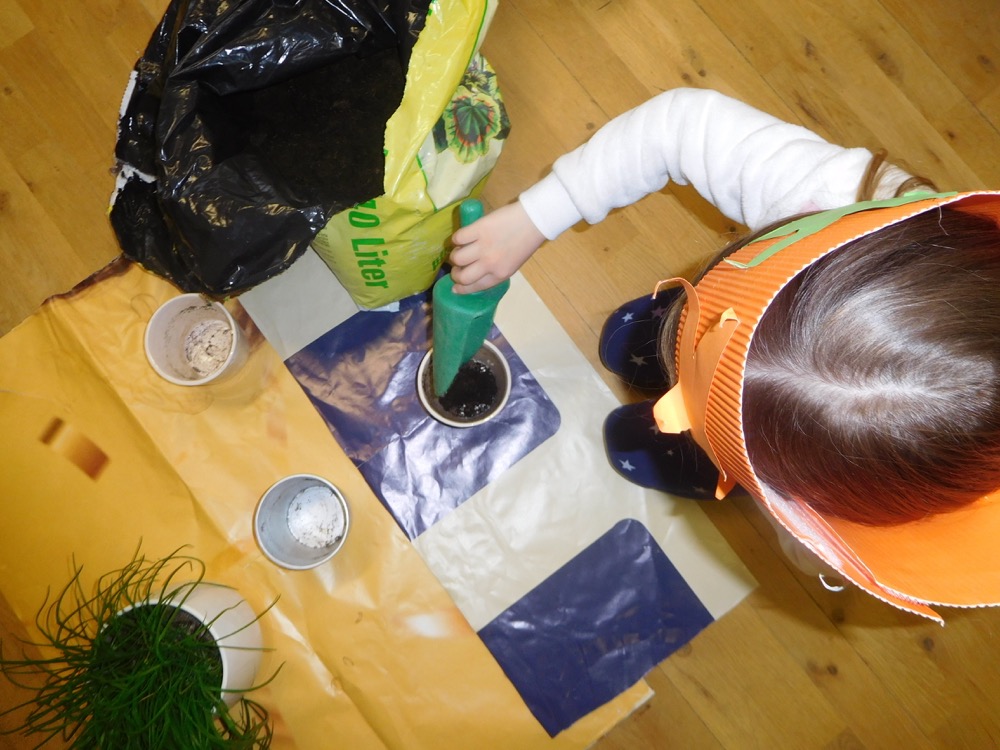
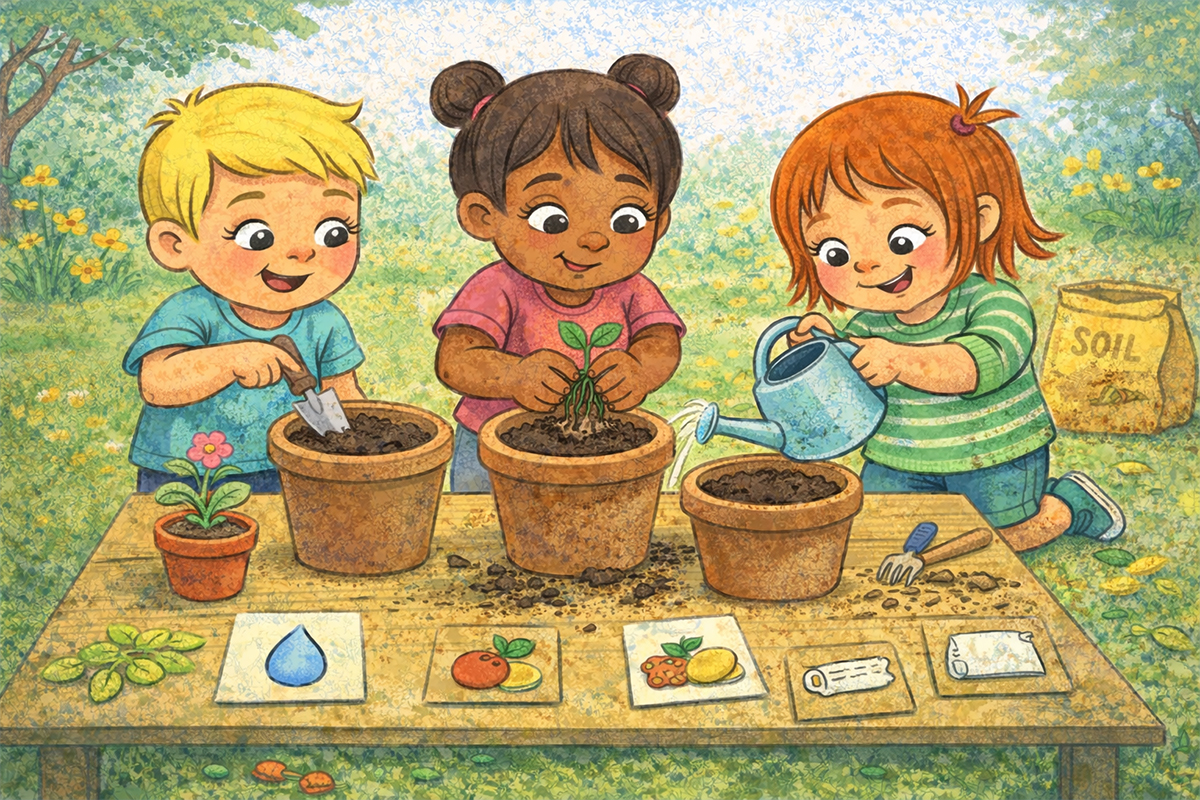
Djeca pomažu presaditi tri biljke iste vrste u tri zasebne posude.
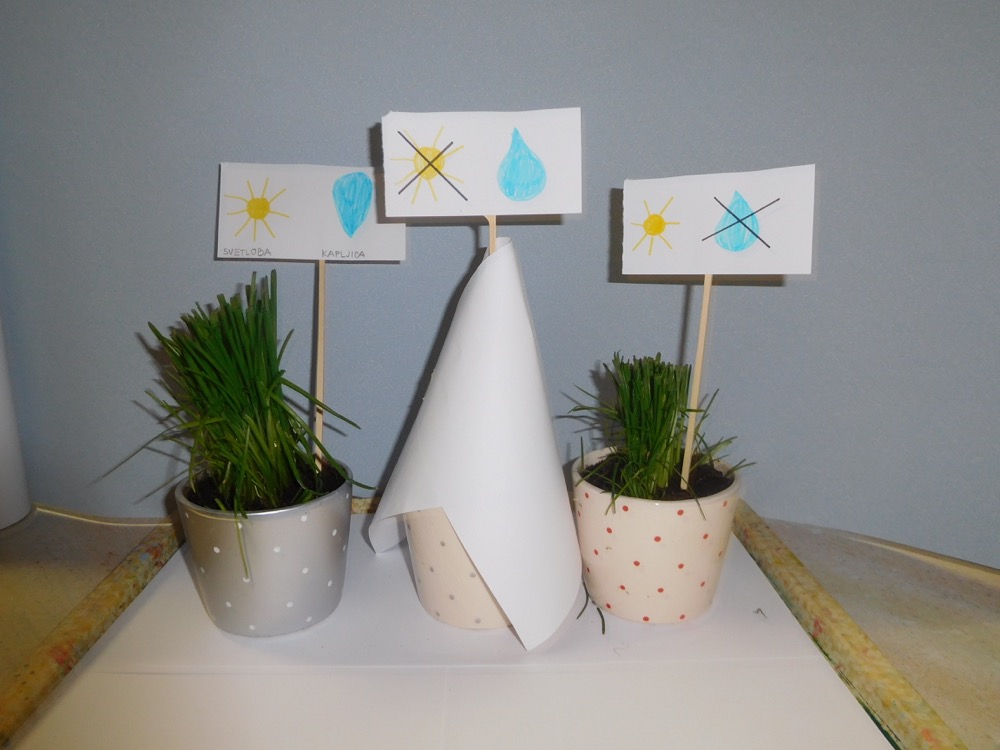
Svaka će se posuda njegovati na drugačiji način:
- Biljka 1: Stavljena na svjetlo i redovito zalijevana.
- Biljka 2: Stavljena u tamu, ali redovito zalijevana.
- Biljka 3: Stavljena na svjetlo, ali bez zalijevanja.
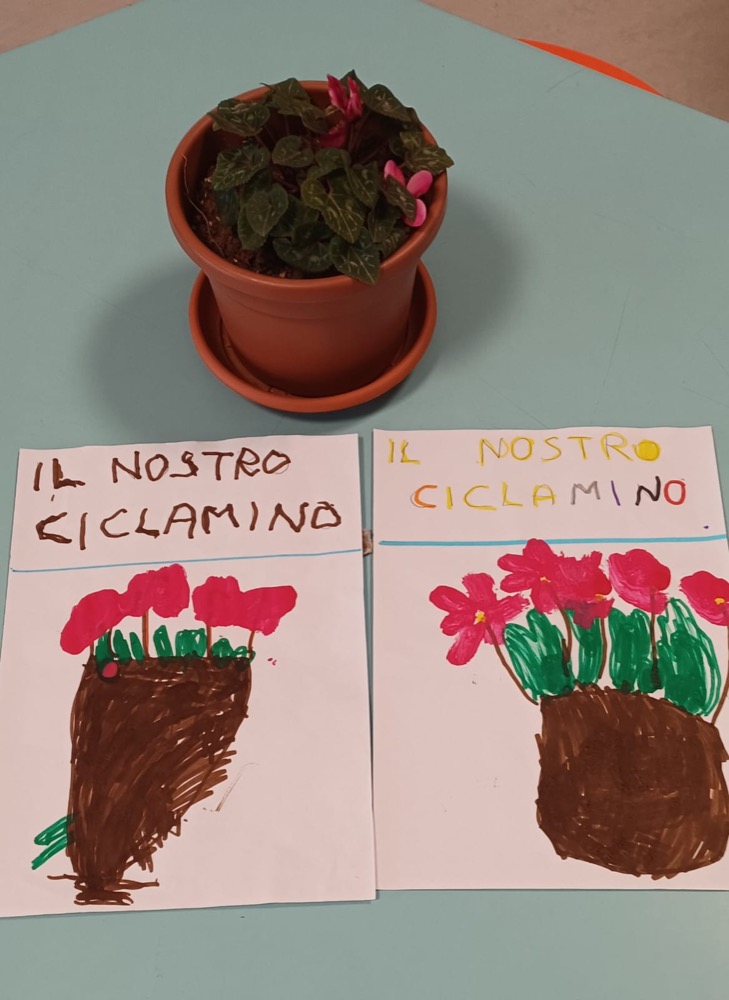
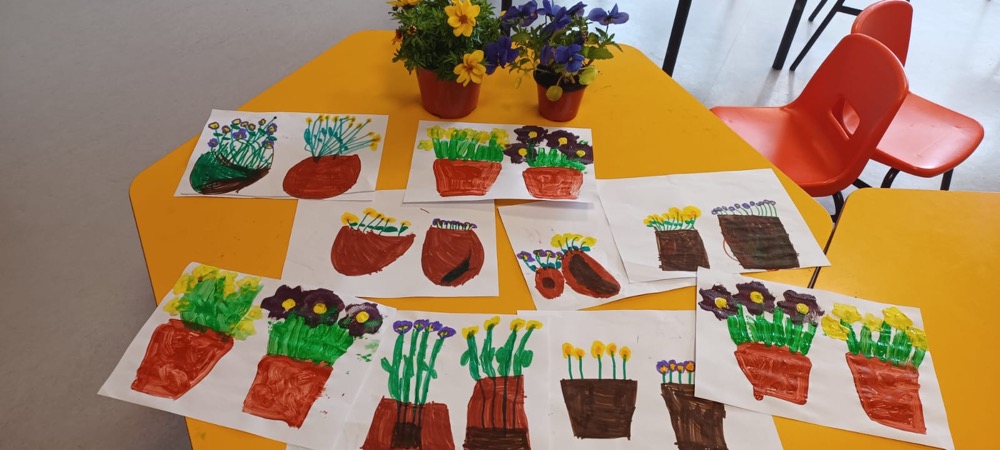
Djeca crtaju tri biljke i njihovo mjesto u prostoru.
Zatim predviđaju:
- Što će se dogoditi s biljkom u mraku?
- Što će se dogoditi s biljkom bez vode?
- Što će se dogoditi s biljkom koja ima i vodu i svjetlo?
Djeca se izmjenjuju u zalijevanju i promatranju biljaka te razgovaraju o tome kakav je osjećaj brinuti o živom biću.
Promatranje i refleksija
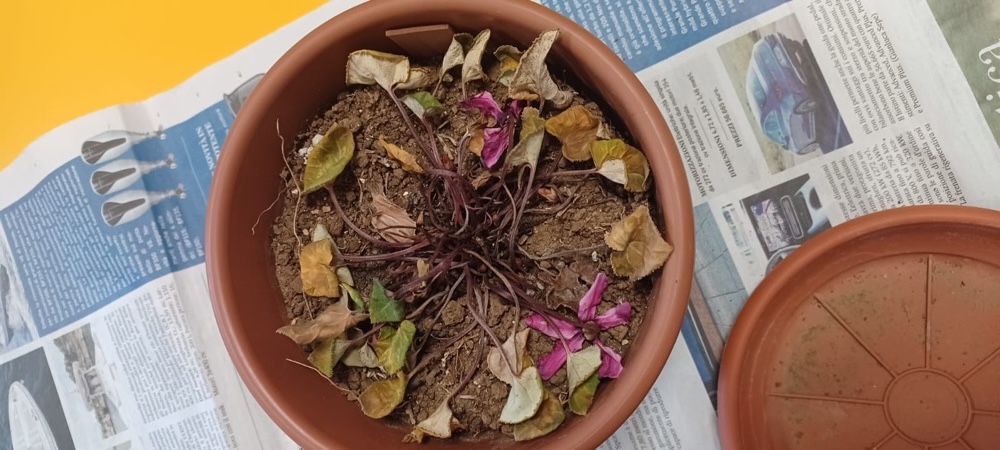
Nakon nekoliko dana ili tjedana, skupina ponovno promatra tri biljke.
- Kako su se promijenile?
- Jesu li naša predviđanja bila točna?
- Zašto su neke biljke uvenule ili prestale rasti?
Djeca ponovno crtaju biljke kako bi zabilježila svoja opažanja.
Refleksija
Djeca razgovaraju o svojim iskustvima i idejama. Odgojiteljica dodaje i naglašava:
- Da biljkama treba (ovisno o vrsti) odgovarajuća količina vode, svjetla i njege kako bi rasle.
- Da i mi imamo potrebe – poput hrane, brige, prijateljstva i ljubavi – koje nam pomažu rasti zdravo i sretno.
- Da nam briga o biljkama pomaže razumjeti kako živa bića trebaju pažnju, strpljenje i ljubaznost.
Slike aktivnosti