La nostra giornata all'asilo - Cronologia delle attività e dei bisogni
 Finanziato dall'Unione europea. Le opinioni espresse appartengono, tuttavia, al solo o ai soli autori e non riflettono necessariamente le opinioni dell'Unione europea o dell’Agenzia esecutiva europea per l’istruzione e la cultura (EACEA). Né l'Unione europea né l'EACEA possono esserne ritenute responsabili. |
 Tutti i contenuti di questo sito, in particolare testi, immagini e grafica, sono protetti da copyright. Salvo espressa indicazione contraria, il copyright è detenuto da sel.eduskills.plus ed è concesso in licenza sotto la Creative Commons Attribution - Non-commercial - Distribution alle stesse condizioni di 4.0 International license. Essi possono essere soggetti ai termini della licenza. |
© 2026 sel.eduskills.plus
| Avanzato | |
| Età: 4-6 | |
| 1 settimana | |
| I bambini creano una linea del tempo visiva della loro giornata all'asilo, identificando le attività e i bisogni corrispondenti come cibo, riposo e acqua. | |
| Benessere | |
| Auto.Regolazione Pensiero critico Mentalità di crescita Gestione dell'apprendimento | |
| Compito cognitivo Conversazione Raccontare storie Arte | |
|
Preparazione
Raccogli il materiale.
Implementazione
Spettacolo di marionette
Kira e Miro introducono l'attività dicendo: "Esploriamo cosa facciamo ogni giorno all'asilo e pensiamo a cosa ci serve in ogni fase!"
Miro pone domande come: "Quando bevi acqua?" o "Di cosa hai bisogno durante il riposo?"
Kira incoraggia i bambini a condividere i loro pensieri sulle attività che preferiscono e sui loro bisogni in quei momenti.
I burattini chiedono all'insegnante di approfondire la questione con i bambini e di fornire loro un resoconto in seguito (o al prossimo incontro).
Discutere delle attività quotidiane
L'insegnante modera la discussione di gruppo e redige il verbale.
Creazione della cronologia
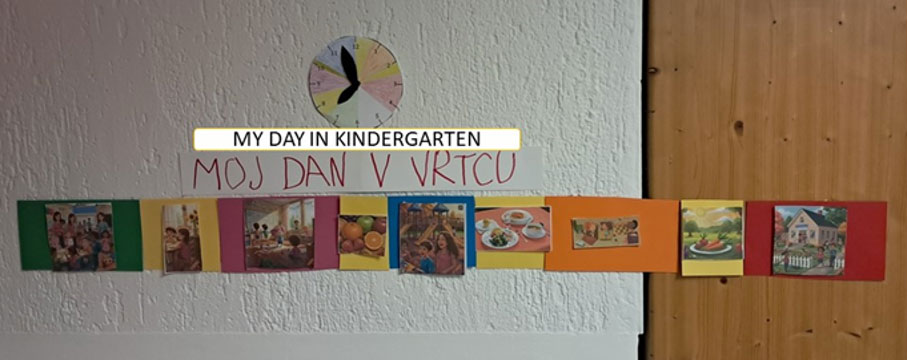
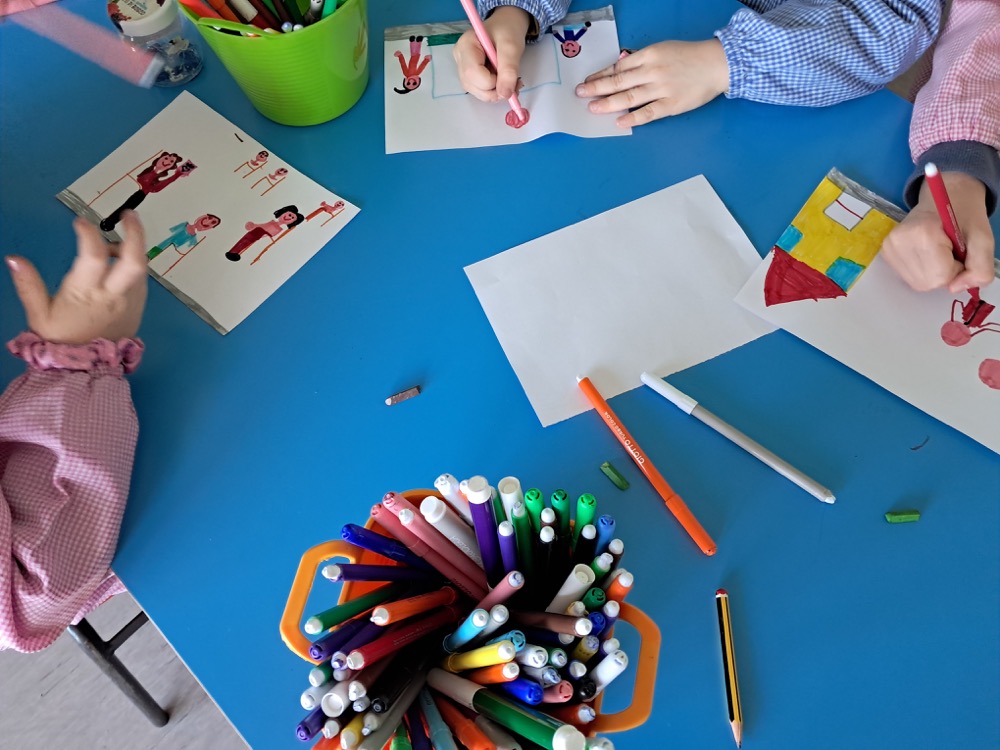
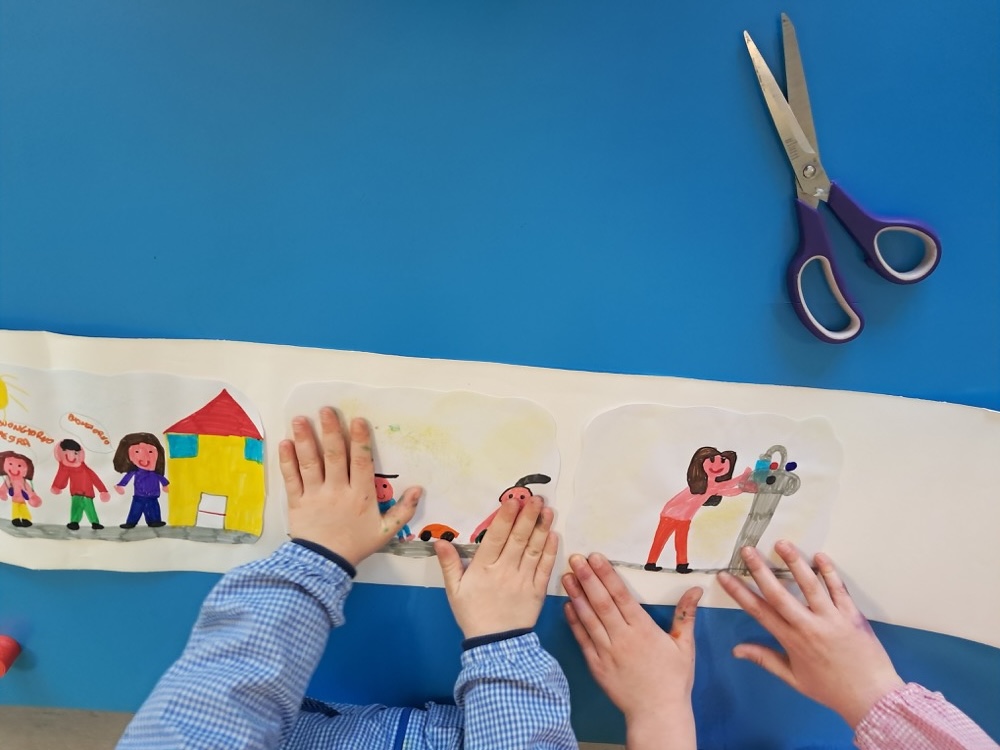
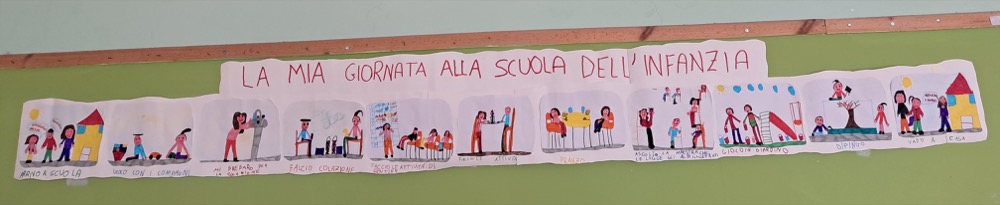
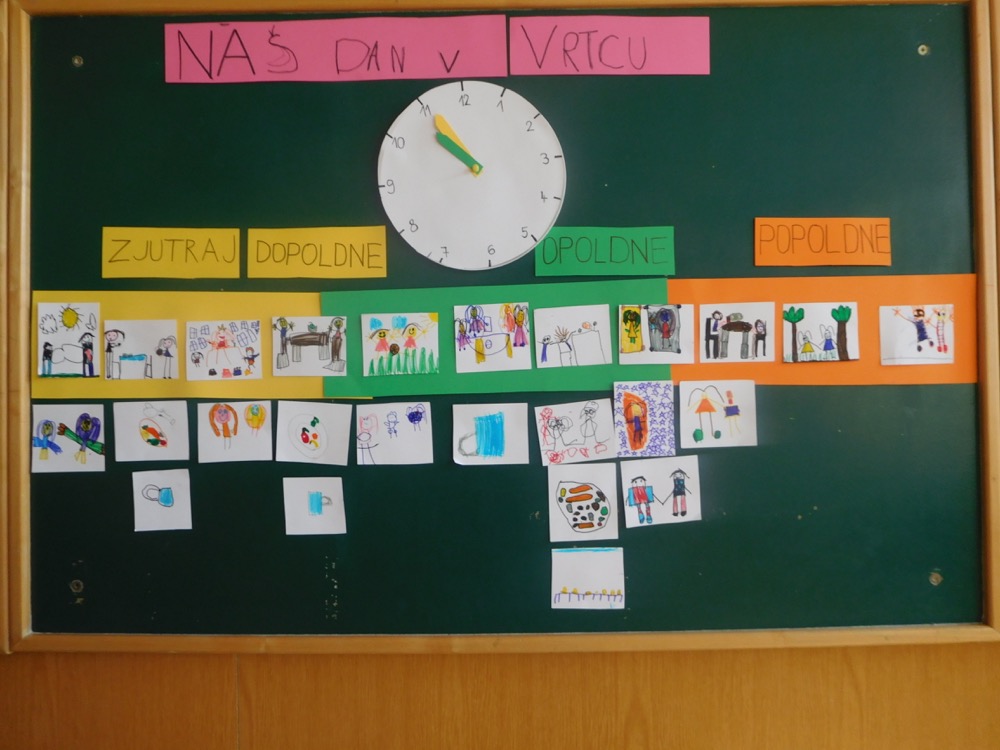
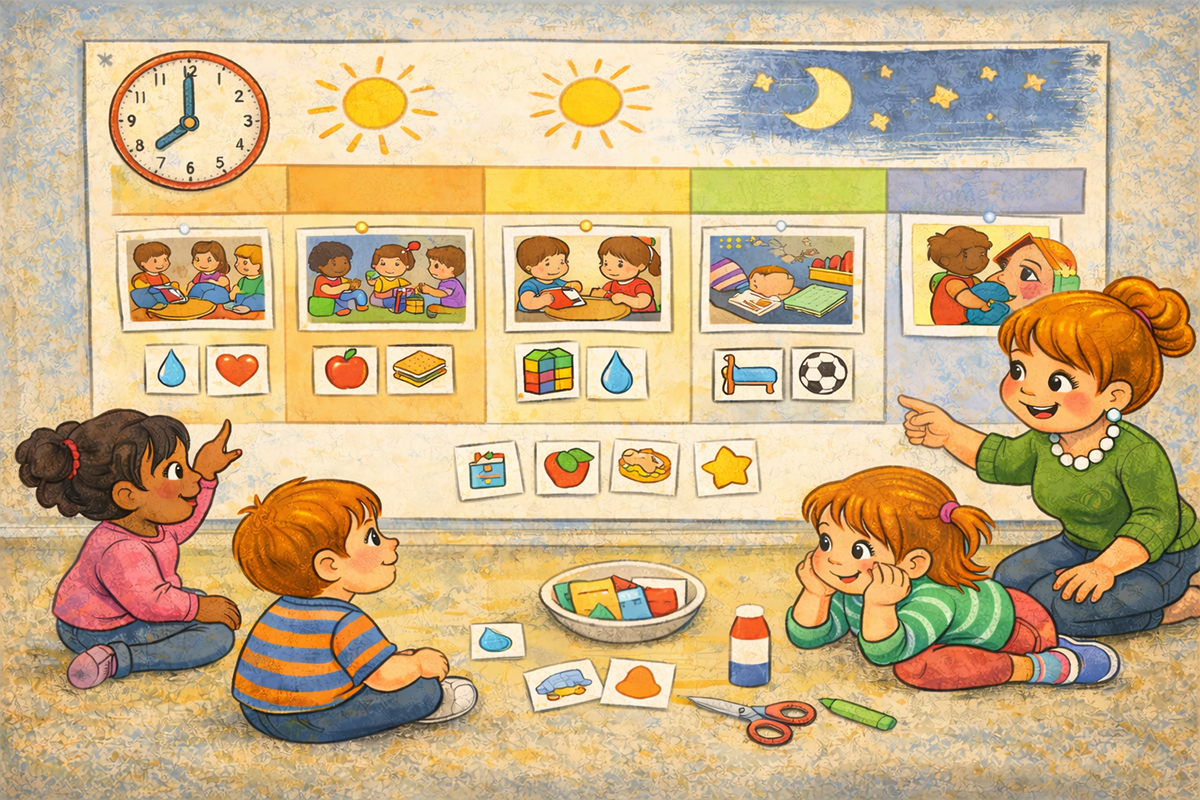
I bambini lavorano insieme per disegnare una semplice linea del tempo su un grande foglio di carta. Includono segmenti come mattina, pranzo e pomeriggio, e aggiungono colori o simboli per contrassegnare le diverse parti della giornata.
Aggiunta di attività
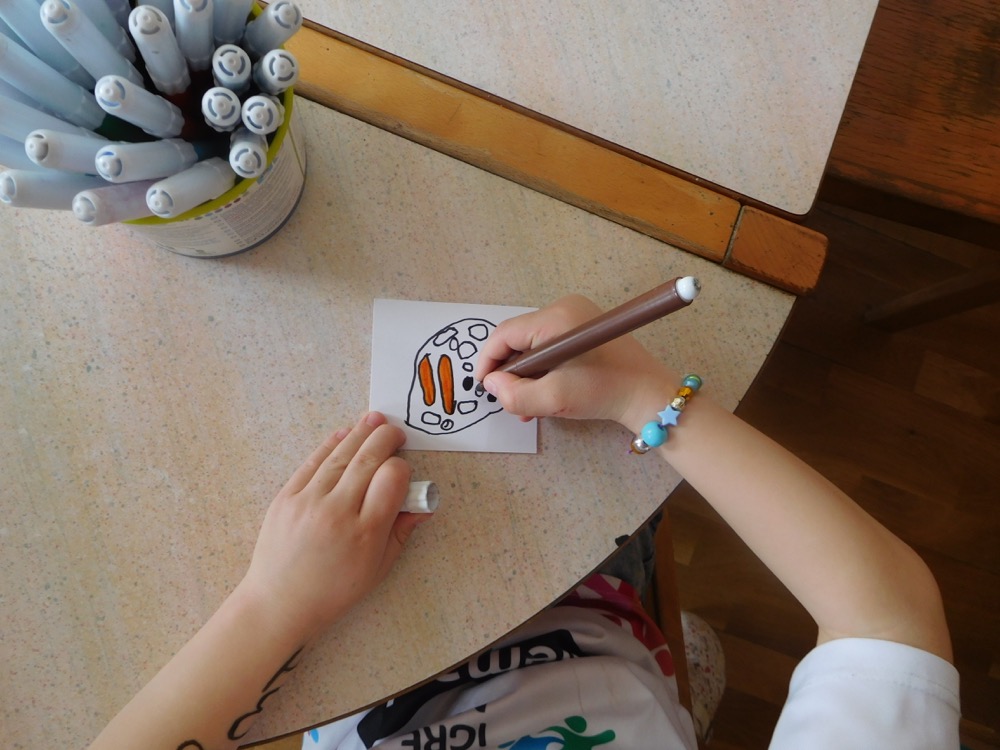
L'insegnante aiuta i bambini a selezionare o disegnare immagini di attività quotidiane (ad esempio, momenti di condivisione in gruppo, giochi, pasti) e ad attaccarle alla linea del tempo nei segmenti appropriati.
Identificazione dei bisogni
Un gruppo di bambini prepara delle carte che rappresentano diverse esigenze.
Per ogni attività, i bambini pensano a ciò di cui potrebbero aver bisogno e usano delle carte con delle etichette (o disegnano dei simboli), ad esempio:
- Acqua: quando hanno sete, ad esempio durante il gioco o dopo una passeggiata.
- Cibo: quando è ora di uno spuntino o di pranzo.
- Riposo: quando si sentono stanchi, ad esempio dopo pranzo.
- Aiuto: se hanno bisogno dell'aiuto di un insegnante o di un amico.
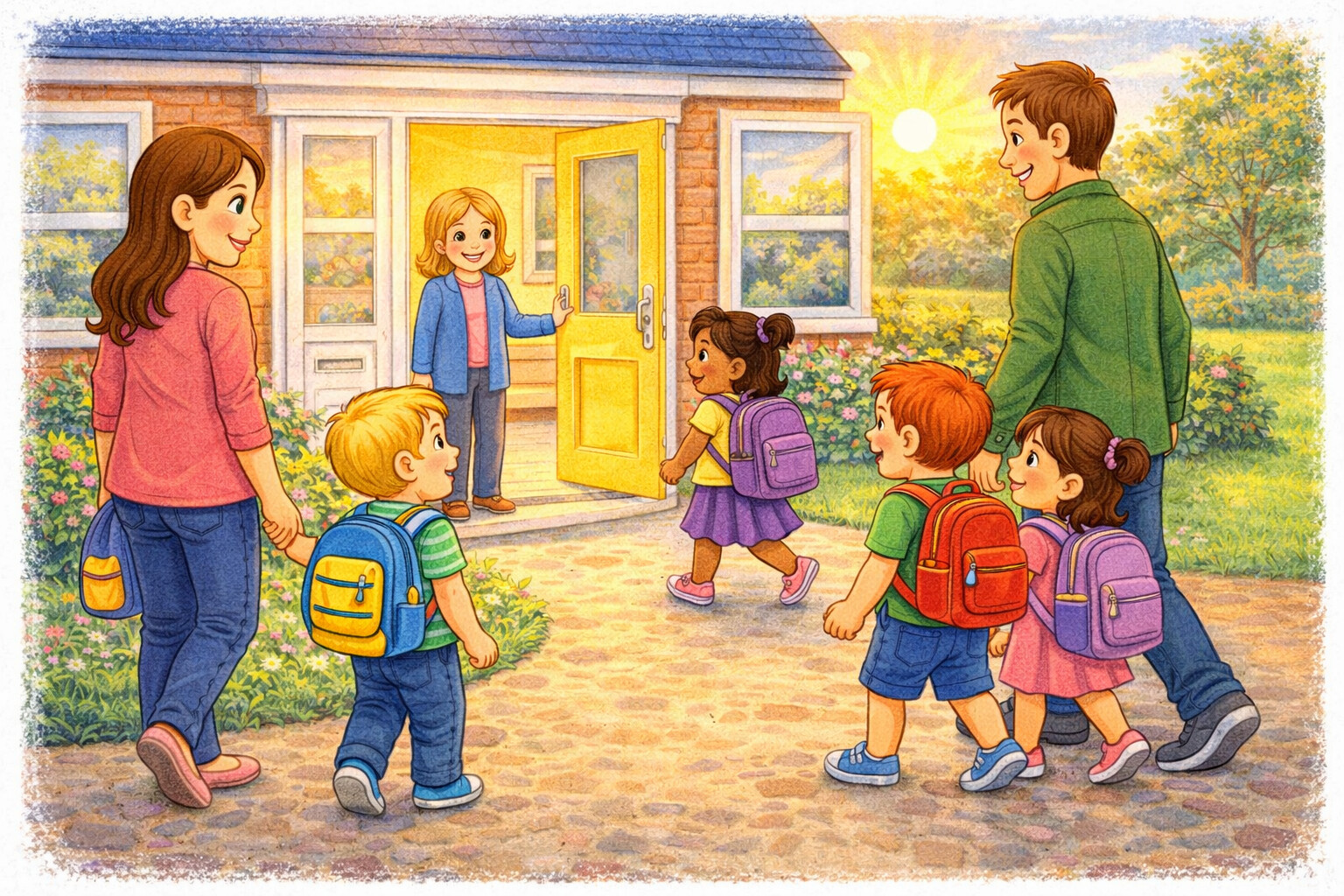
- Un caloroso benvenuto: da parte di un insegnante o di un amico all'arrivo all'asilo.
Ogni bambino sceglie un'attività e vi aggiunge una carta con la propria esigenza. Ad esempio, per la merenda potrebbe disegnare il simbolo di un alimento o attaccare una carta con la scritta "Cibo", mentre per il riposo potrebbe usare il simbolo dell'area relax o una carta con la scritta "Riposo".
Riflessione
Riflessione e condivisione (spettacolo di marionette)
Una volta completata la cronologia, i bambini la presentano a Kira e Miro.
Kira e Miro pongono domande, parafrasano ciò che i bambini spiegano e forniscono un feedback positivo.
Sottolineano quanto sia importante verificare i propri bisogni durante la giornata.
Fanno notare che ognuno può avere esigenze diverse (ad esempio, non tutti si sentono assonnati dopo pranzo), il che può portare a variazioni nelle tempistiche personali.
Varianti e idee aggiuntive
Cronologie personali
Ogni bambino crea una piccola linea del tempo personale che riflette le sue attività preferite e i suoi bisogni, sia all'asilo che a casa.
Gioco di ruolo per le esigenze quotidiane
In piccoli gruppi, i bambini mimano alcune fasi della giornata, esprimendo ad alta voce i propri bisogni (ad esempio, "Ho sete dopo aver giocato fuori").
Pianificazione della giornata
I bambini e l'insegnante collaborano per pianificare la routine del giorno successivo, decidendo insieme come soddisfare bisogni quali riposo, alimentazione e gioco.
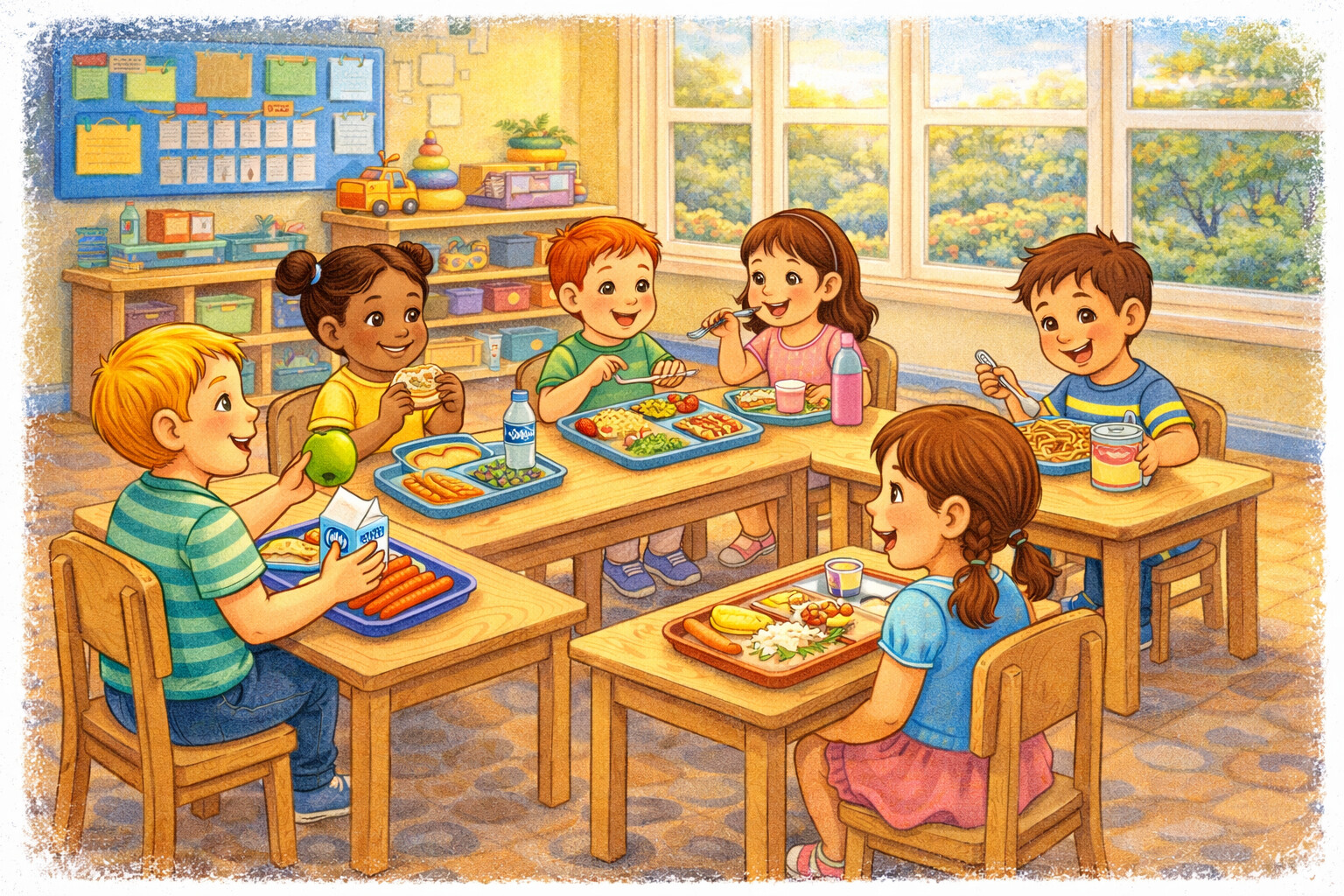
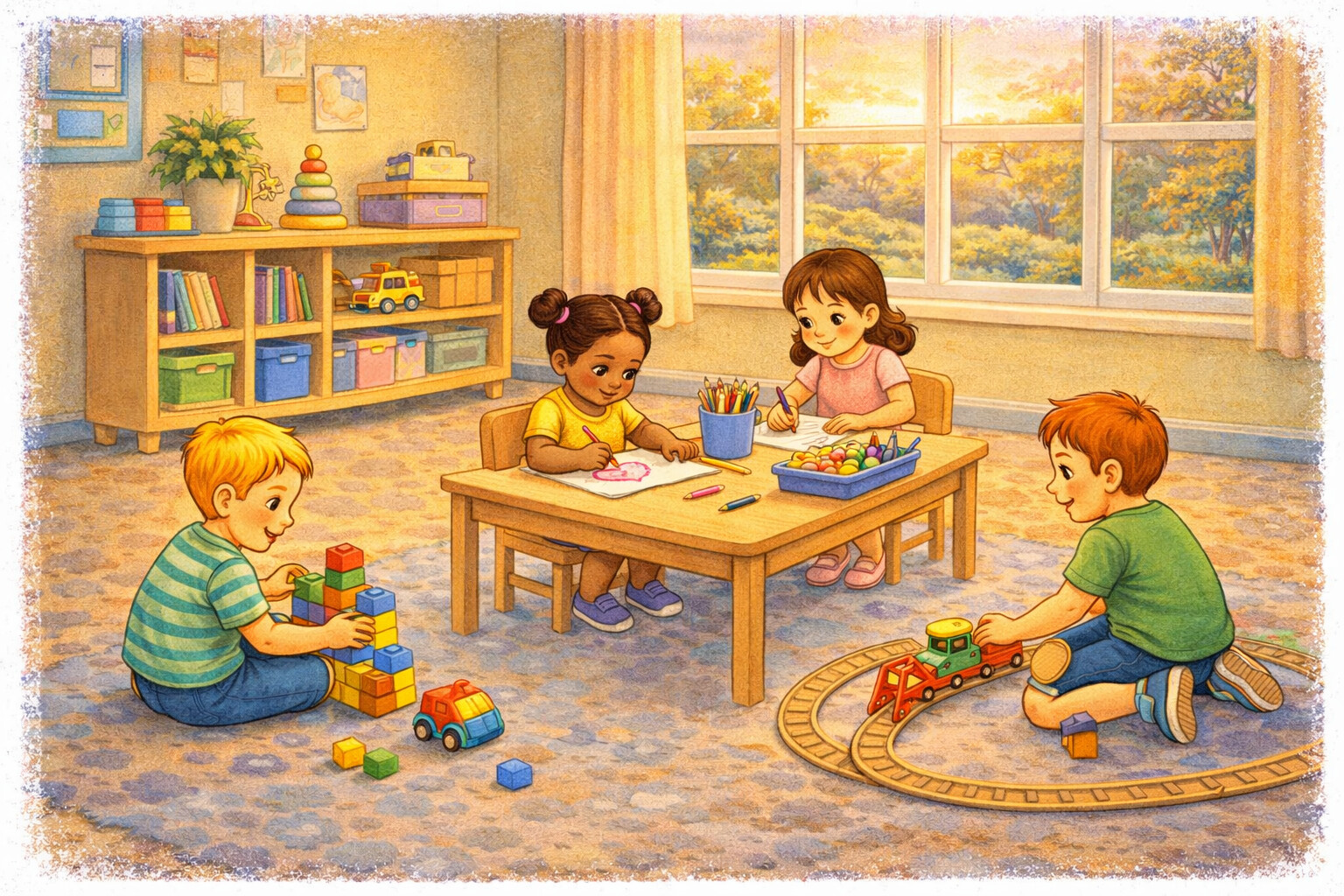
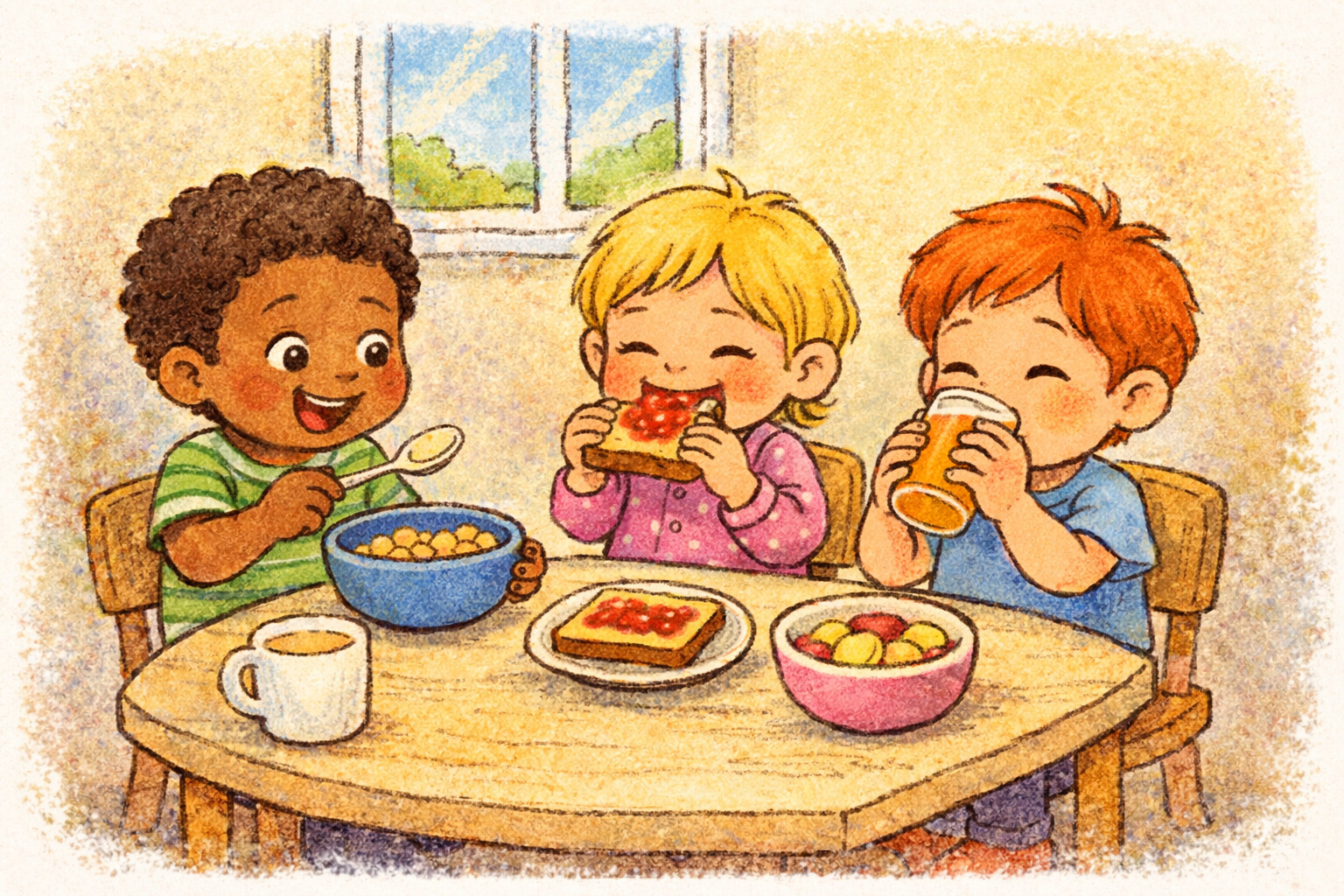
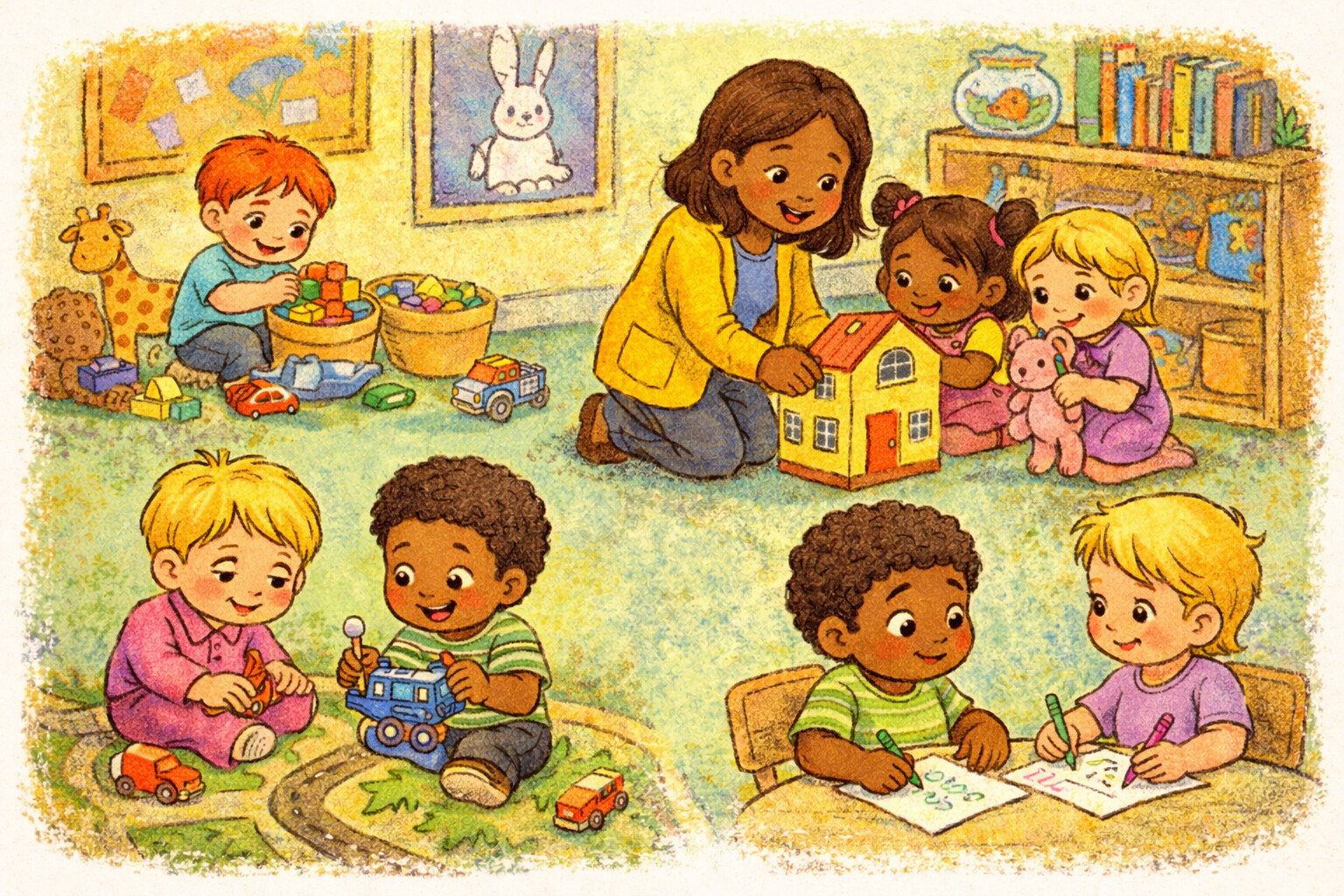
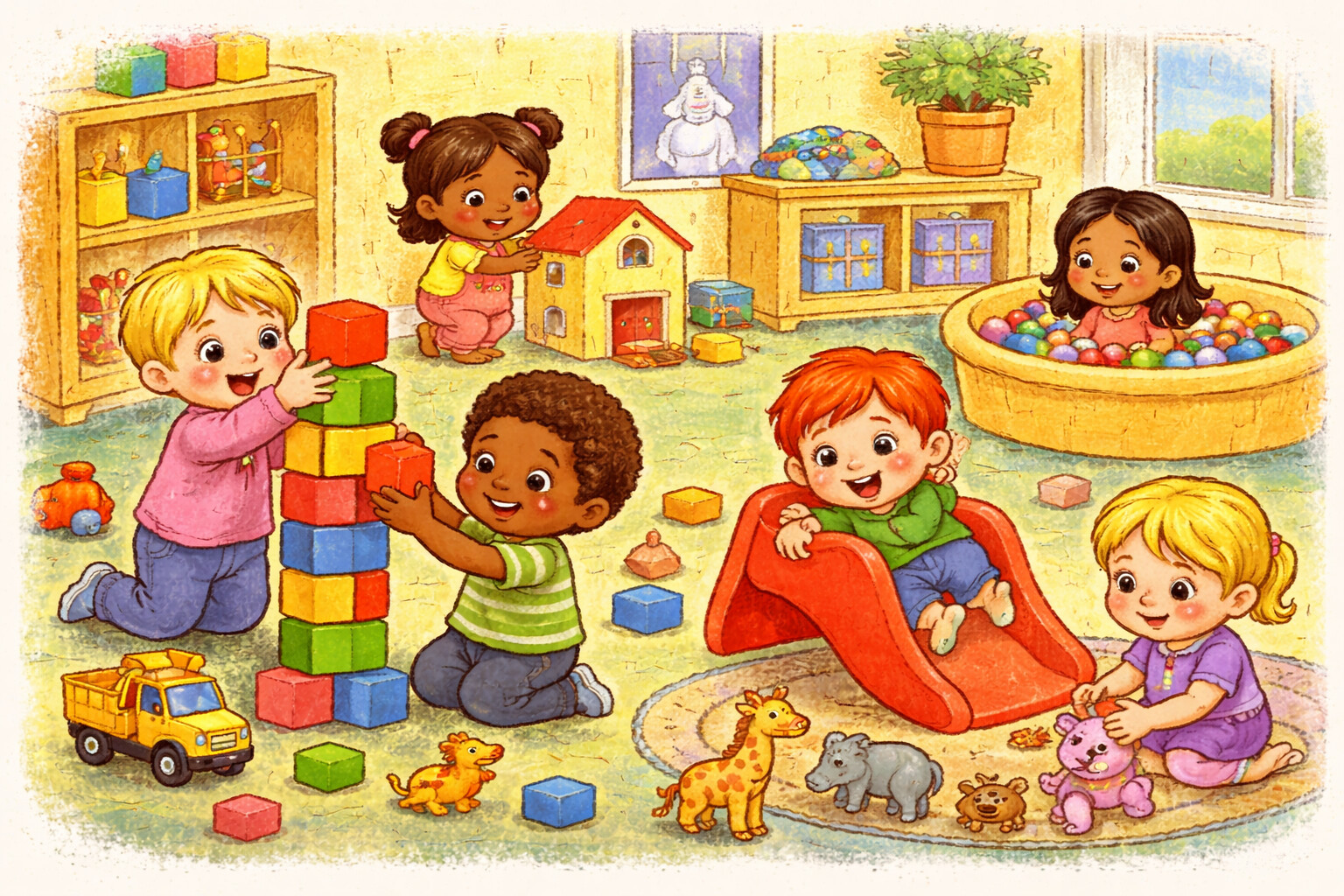
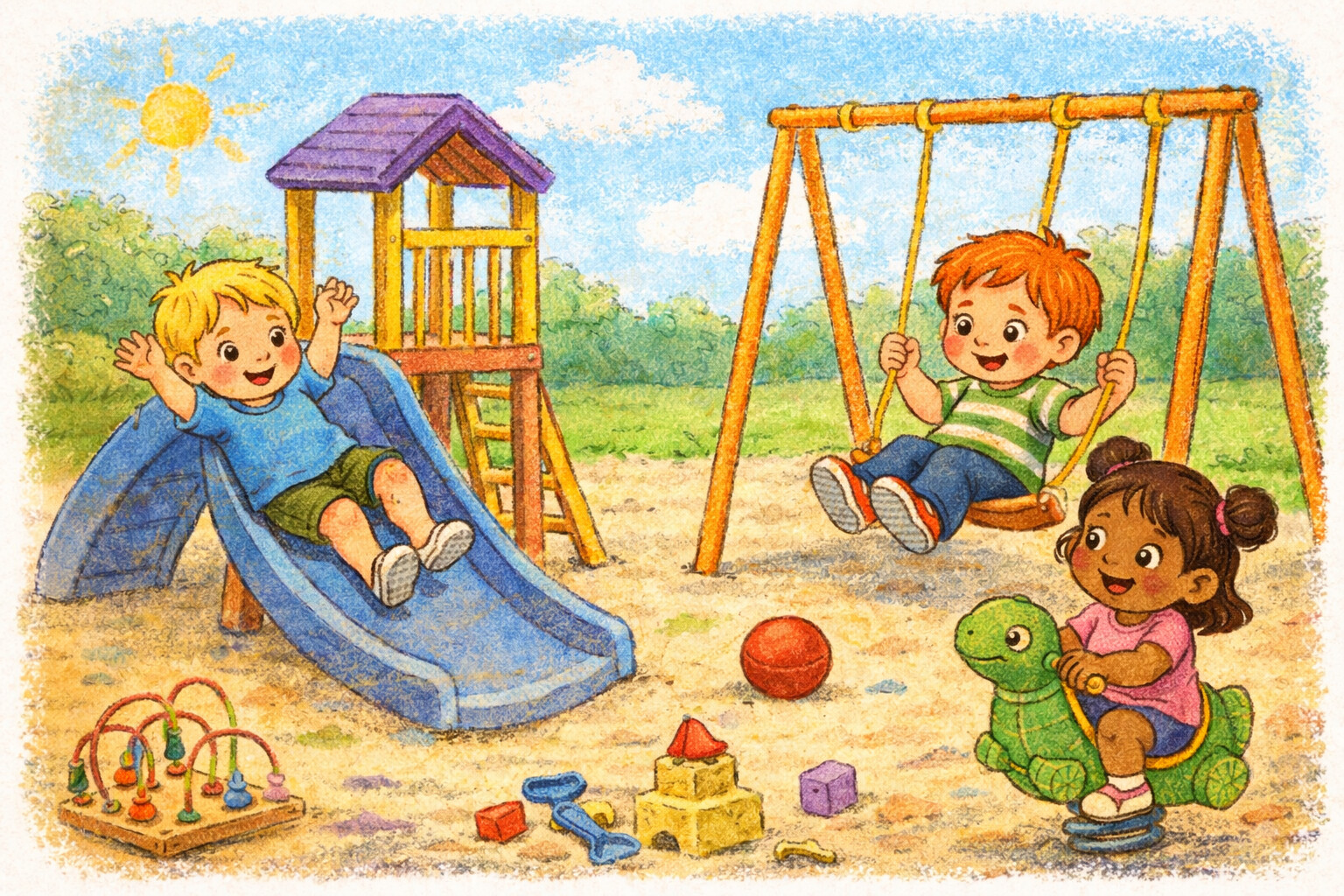
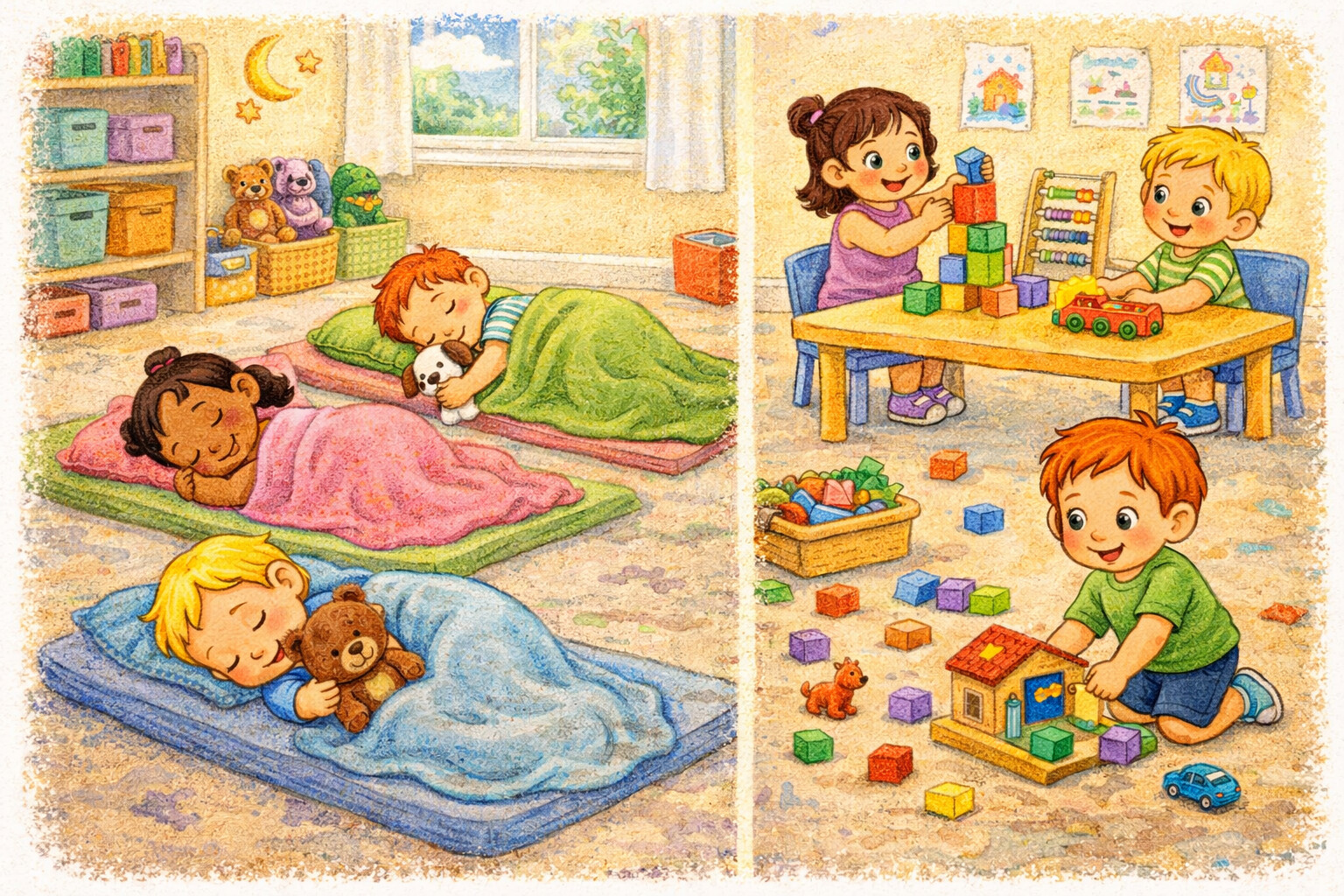
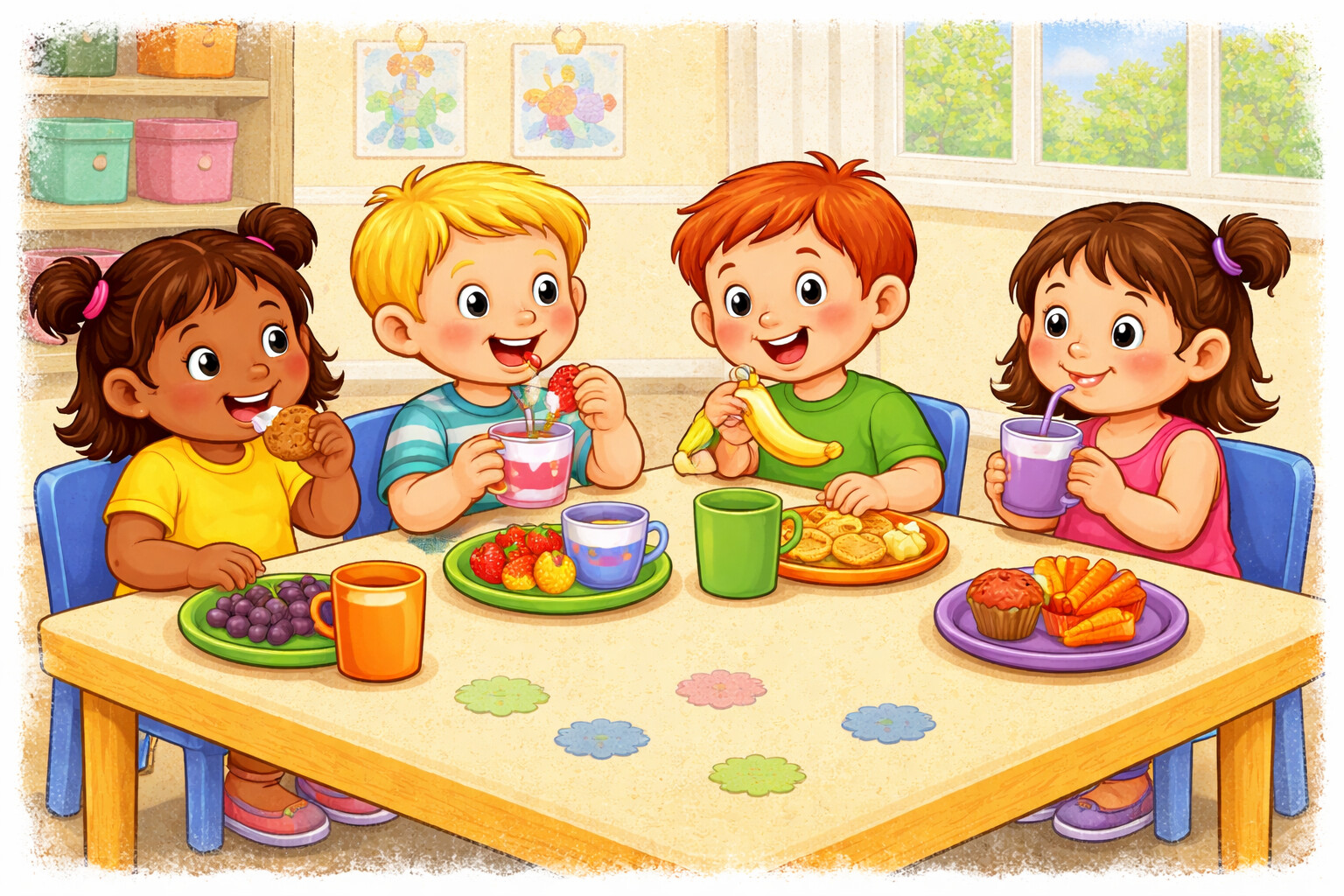
Scheda di lavoro "Diversi momenti della giornata"
|
|
|
|
|

|
|
|

|

|
|
|

|
Scheda di lavoro "Icone per i bisogni"

|

|

|

|

|
Foto dell'attività