Doctor, Please Help! My Pet Is Sick!
 Funded by the European Union. Views and opinions expressed are however those of the author(s) only and do not necessarily reflect those of the European Union or the European Education and Culture Executive Agency (EACEA). Neither the European Union nor EACEA can be held responsible for them. |
 All contents, in particular texts, pictures and graphics, are protected by copyright. Unless expressly stated otherwise, copyright is held by sel.eduskills.plus and is licensed under Creative Commons Attribution - Non-commercial - Distribution under the same conditions 4.0 International license. They may be subject to the terms of the license. |
© 2026 sel.eduskills.plus
| Advanced | |
| Age: 4-6 | |
| 20-30 min | |
| Children learn to recognize emotions, understand others’ feelings, see things from different perspectives, and practice offering support. | |
| Flexibility | |
| Cognitive task Conversation | |
|
Preparation
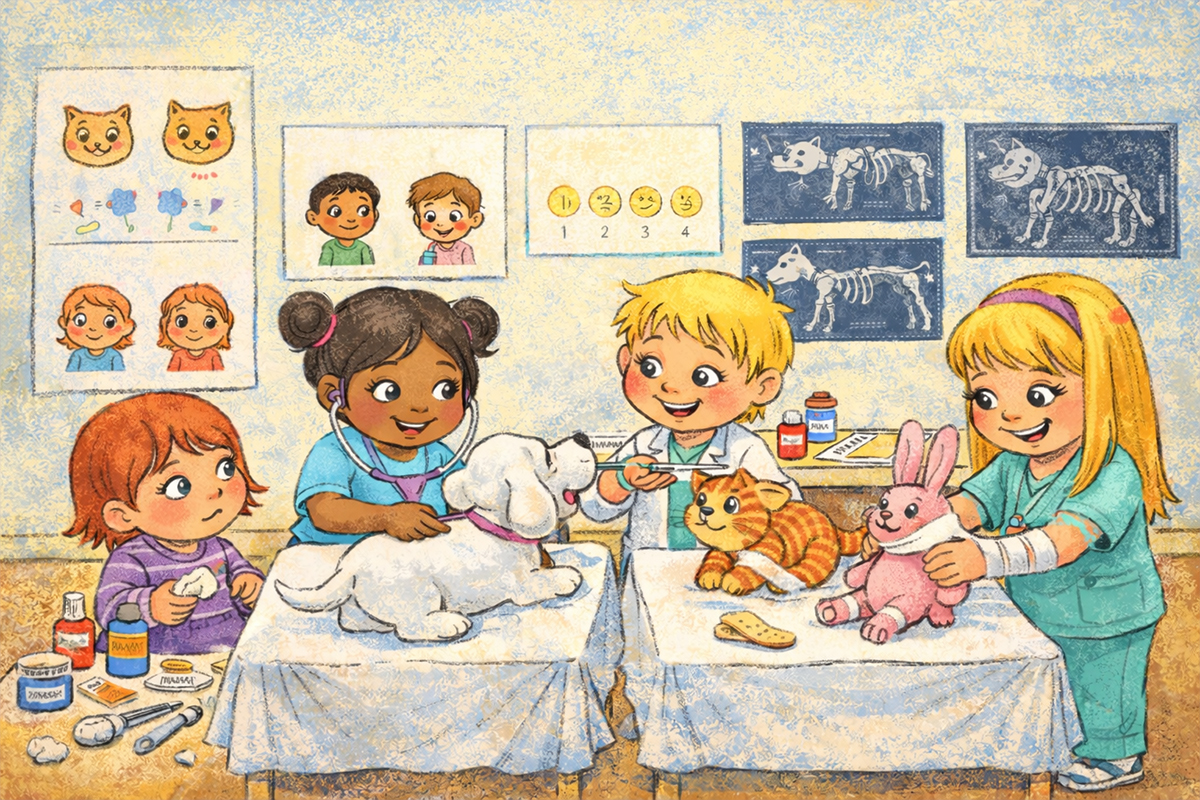
- Prepare signs and posters: ANIMAL CLINIC, PRICES, ANIMAL FEELINGS, OWNER FEELINGS, PAIN SCALE, WHEN A PET IS SICK OR INJURED, WHEN AN ANIMAL ISN'T FEELING WELL...
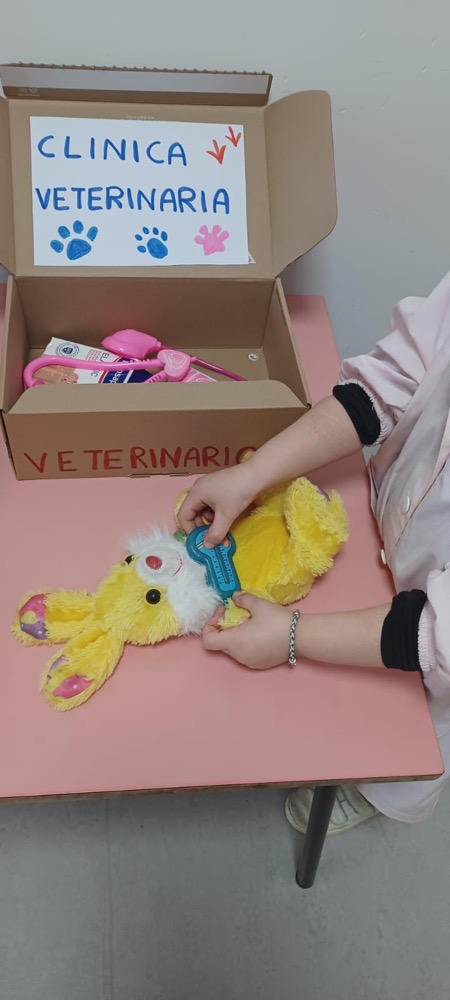
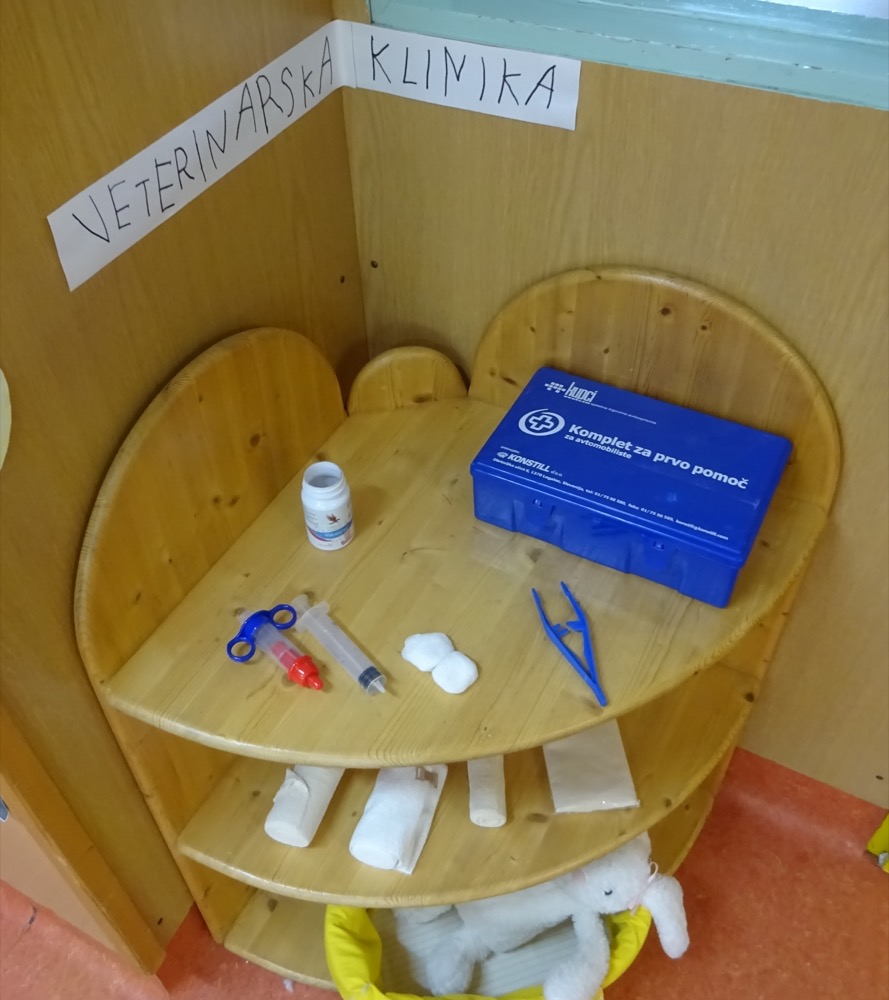
- Prepare a space in the room where you can organize a vet centre.
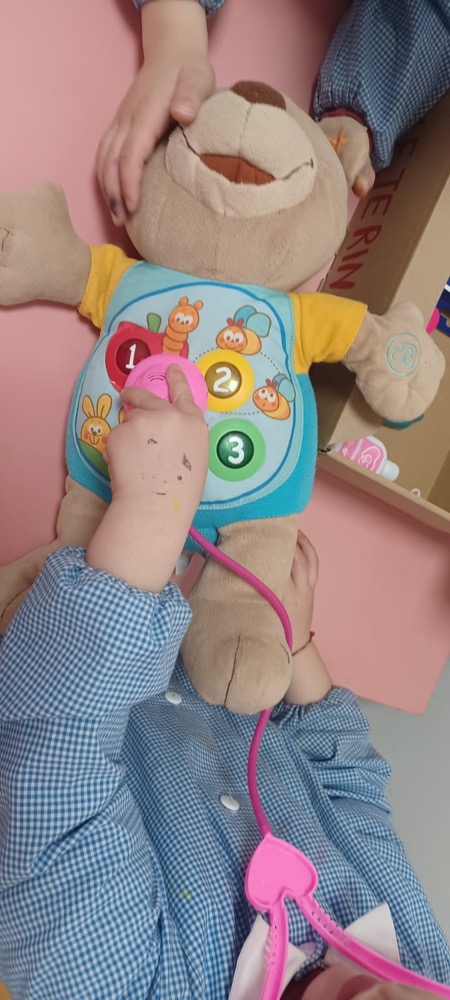
- Prepare animals, materials, and props for the game.
Implementation
Begin by talking with the children about their pets.
Ask:
- Do you have a pet at home?
- Has your pet ever been sick or hurt?
- Did you visit a vet?
- How do pets behave when they don’t feel well?
- What can help them feel better?
- What did the vet do to help?
Encourage the children to share their experiences and feelings about caring for animals.
Setting up the veterinary play centre
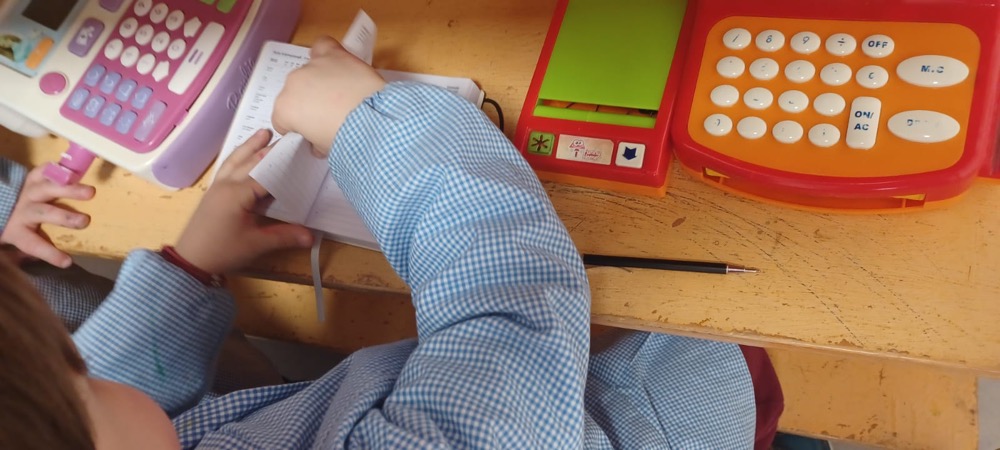
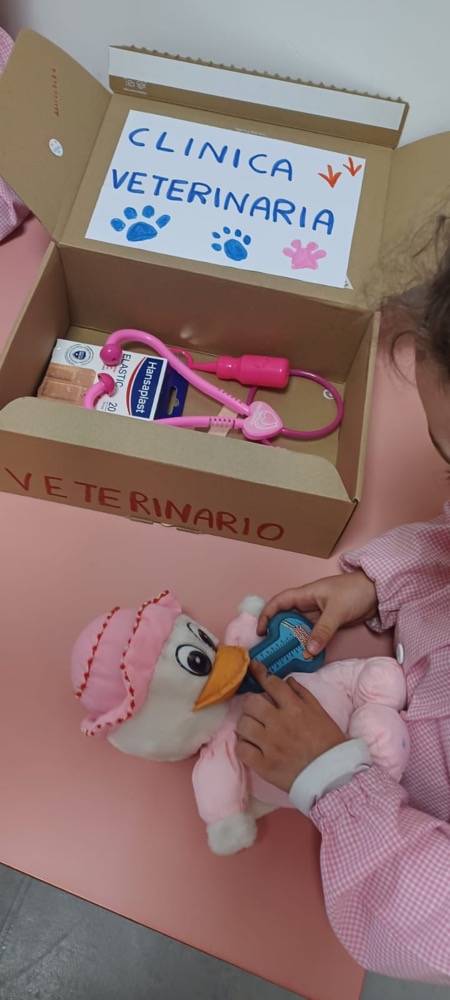
Together with the children, create a veterinary clinic in the playroom. Arrange furniture, materials, resources, and posters for the game.
Agree on simple rules: how many children can play in the centre at one time, how to organise the space, and where to put the toys and materials after play.
Role play - At the vet
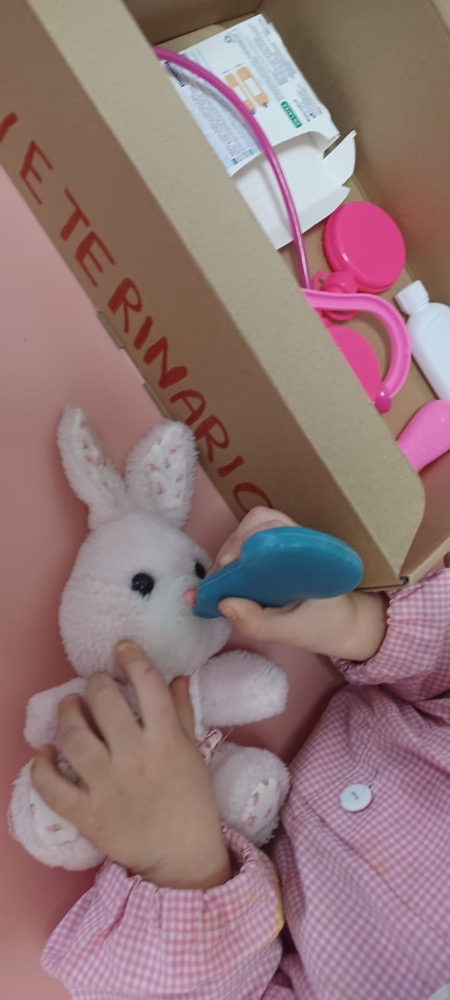
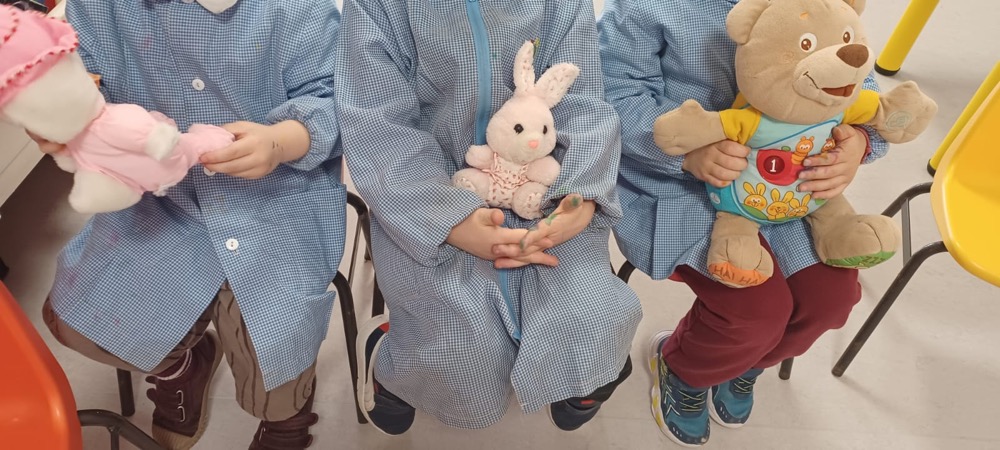
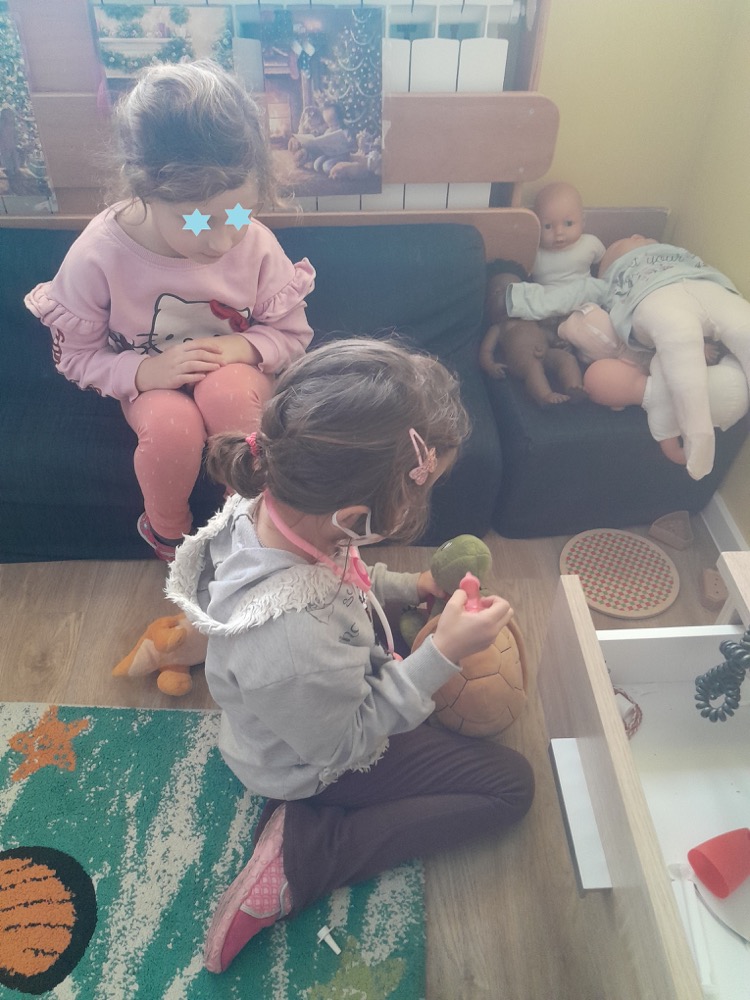
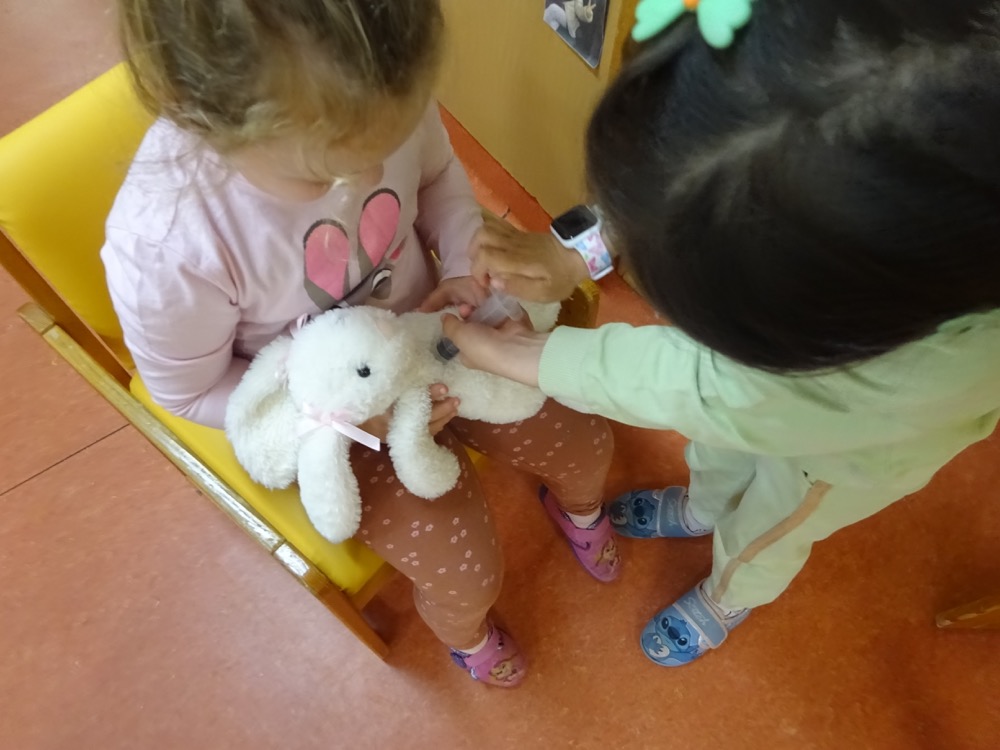
Invite the children to organize their play and choose roles: veterinarian, animal owner, or animal.
Encourage turn-taking so everyone can try different roles.
Stay nearby to observe and offer gentle guidance if misunderstandings occur.
Join the play occasionally - e.g., by acting as a pet or an owner - to model empathy, communication, and care, or to include children who might need extra support.
Reflection
After the play, talk with the children about their experience:
- How did you feel in your role? Which role did you like best?
- Was it easy or difficult to know when your pet was not well?
- How did you understand what your pet needed when it couldn’t speak?
- How did you help? How did that feel?
Variations and Additional Ideas
Visit a zoo and talk with the animal caretakers about how they look after animals’ health and well-being.
Visit a veterinary centre to meet real veterinarians and learn how they help animals that are sick or injured.
VETERINARY CLINIC
PRICE LIST

|
EAR CHECK
|
20 €
|

|
BANDAGE
|
30 €
|
|
VACCINATION
|
40 €
|

|
FOOD
|
10 €
|
HOW DOES THE ANIMAL FEEL?

HAPPY
|

SAD
|

ANGRY
|

SCARED
|

TIRED
|

HURT
|
HOW DOES THE OWNER FEEL?

WORRIED
|

SAD
|

RELIEVED
|

HAPPY
|

SCARED
|
PAIN SCALE

WHEN AN ANIMAL IS SICK

NOT EATING
|

LIMPING
|

NOT PLAYING
|

WHINING
|

INJURED
|
WHAT DO WE DO?

1. NOTICE
|
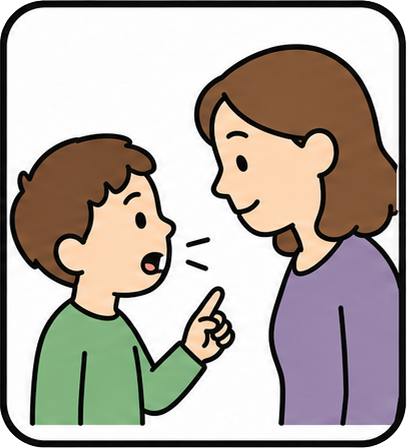
2. TELL AN ADULT
|
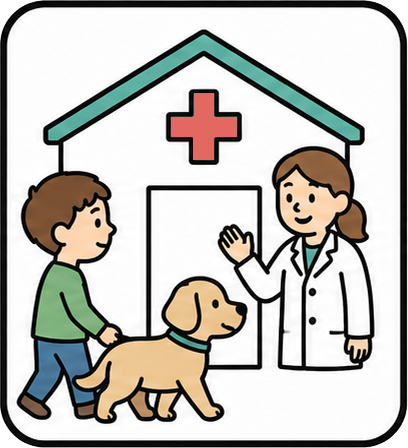
3. GO TO THE VET
|
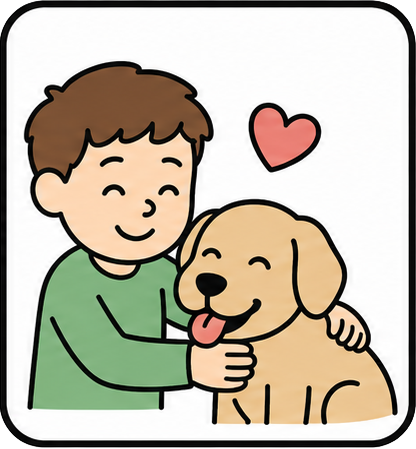
4. TAKE CARE
|
Photos of the Activity