Doktore, pomozite mi! Moj ljubimac je bolestan!
 Financirano sredstvima Europske unije. Izneseni stavovi i mišljenja su stavovi i mišljenja autora i ne moraju se podudarati sa stavovima i mišljenjima Europske unije ili Europske izvršne agencije za obrazovanje i kulturu (EACEA). Ni Europska unija ni EACEA ne mogu se smatrati odgovornima za njih. |
 Svi sadržaji, a posebno tekstovi, slike i grafikoni, su zaštićeni autorskim pravima. Vlasnik autorskih prava, ukoliko nije drugačije označeno, je sel.eduskills.plus, a autorsko pravo je definirano licencom Creative Commons Imenovanje-Nekomercijalno-Dijeli pod istim uvjetima 4.0 Međunarodna. Autorska prava mogu biti definirana uvjetima licence. |
© 2026 sel.eduskills.plus
| Napredna | |
| Dob: 4-6 | |
| 20-30 minuta | |
| Djeca uče prepoznati emocije, razumjeti osjećaje drugih, sagledati stvari iz različitih perspektiva i vježbaju pružati podršku. | |
| Fleksibilnost | |
| Kognitivni zadatak Razgovor | |
|
Priprema
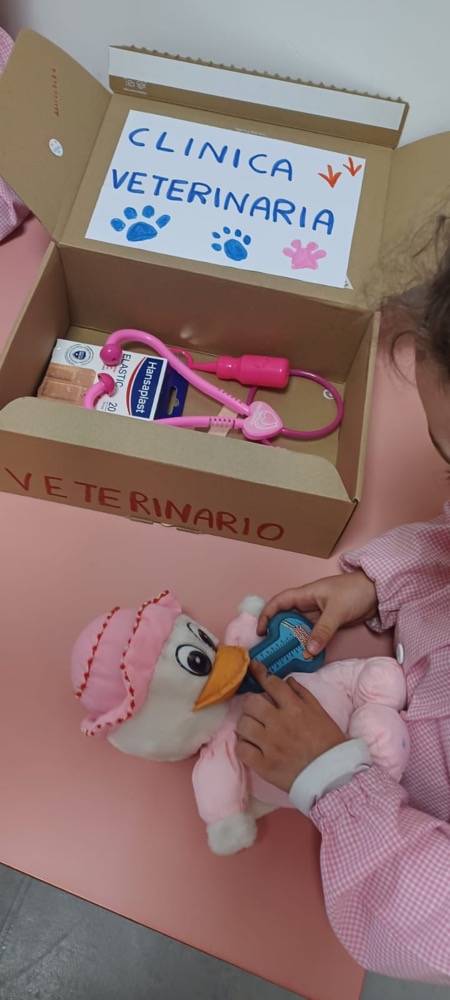
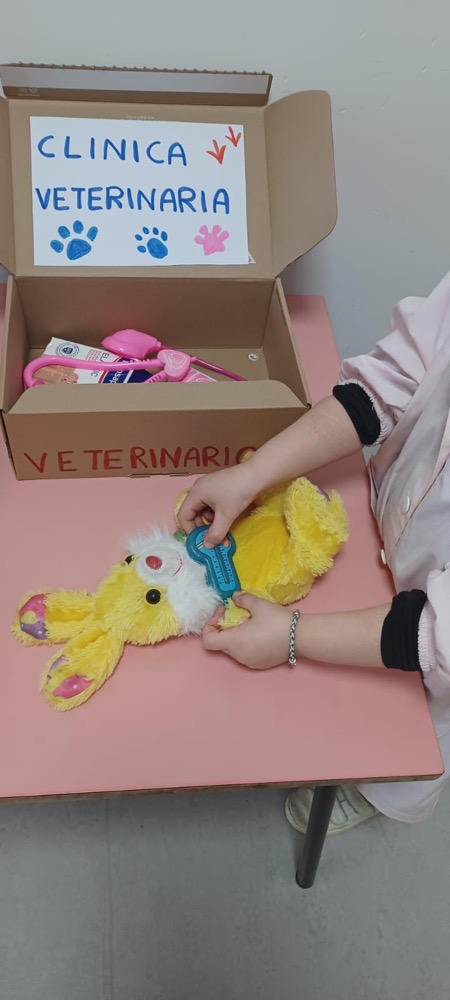
- Pripremiti natpise i plakate: VETERINARSKA AMBULANTA, CIJENIK, EMOCIJE ŽIVOTINJA, EMOCIJE VLASNIKA, LJESTVICA BOLI, KADA JE KUĆNI LJUBIMAC BOLESTAN ILI OZLIJEĐEN, KADA SE ŽIVOTINJA NE OSJEĆA DOBRO…
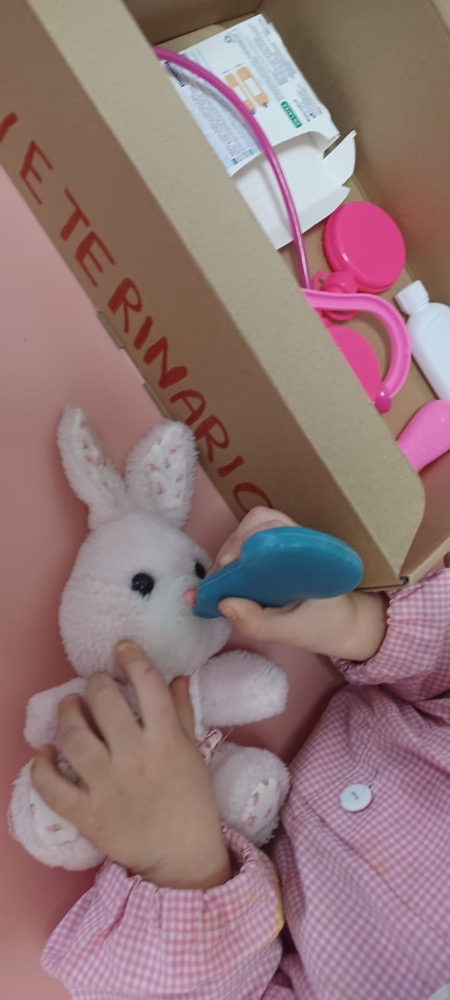
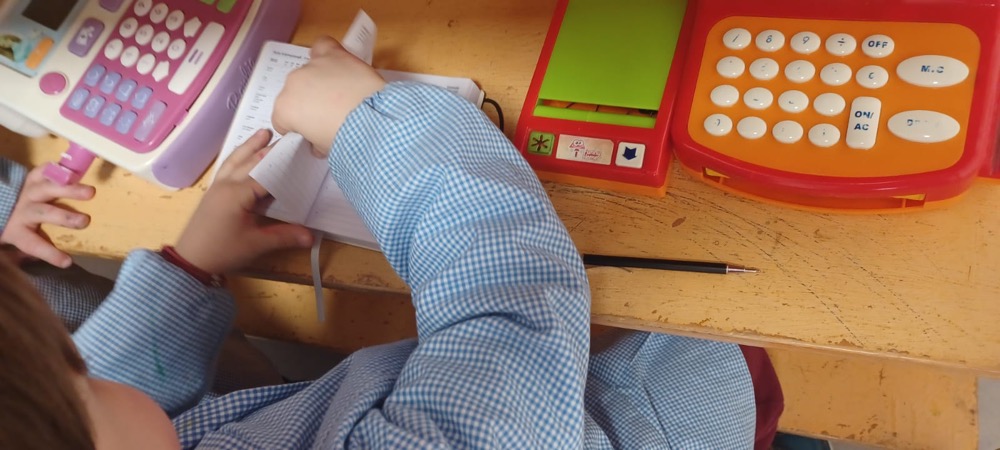
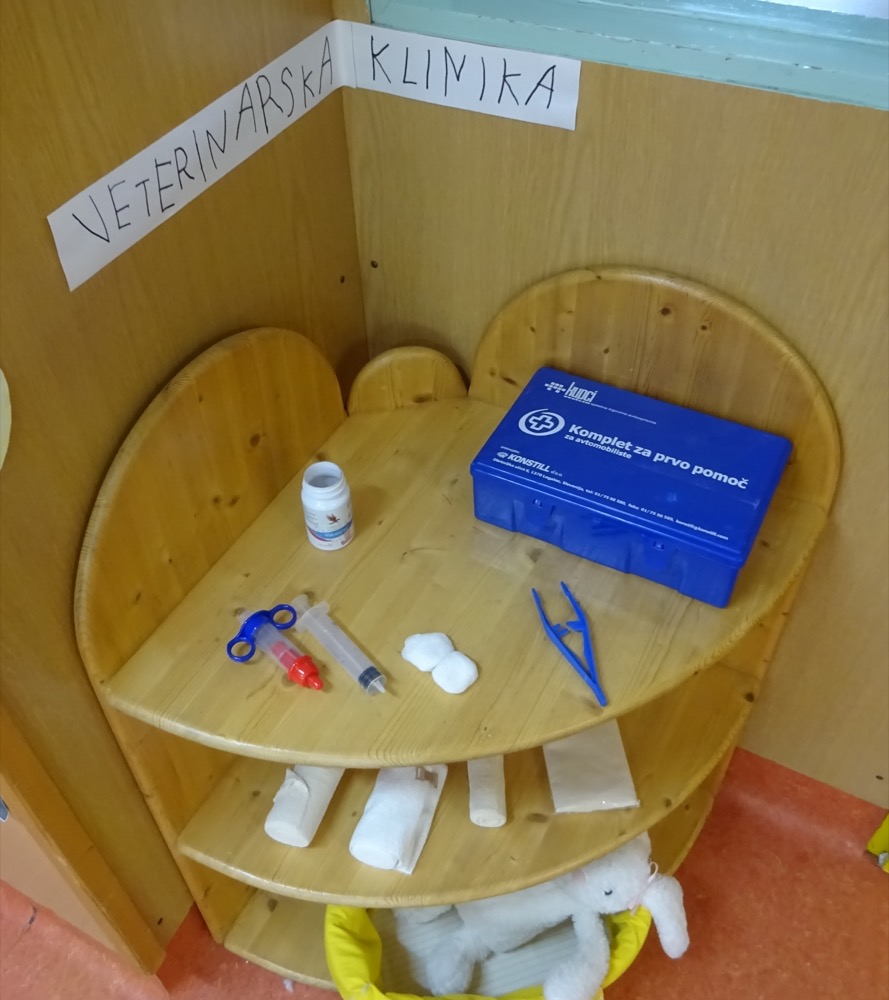
- Pripremite prostor u sobi gdje možete organizirati veterinarski centar.
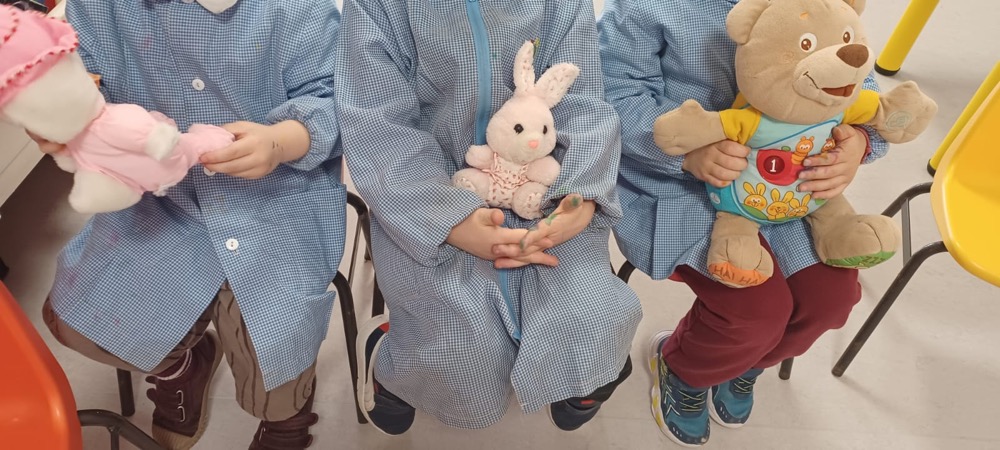
- Pripremite životinje, materijale i rekvizite za igru.
Implementacija
Započnite razgovor s djecom o njihovim kućnim ljubimcima pitanjima.
Pitajte ih:
- Imaš li kućnog ljubimca kod kuće?
- Je li tvoj ljubimac ikada bio bolestan ili ozlijeđen?
- Jeste li posjetili veterinara?
- Kako se ljubimci ponašaju kada se ne osjećaju dobro?
- Što im može pomoći da se osjećaju bolje?
- Što je veterinar učinio kako bi pomogao?
Potaknite djecu da podijele svoja iskustva i osjećaje vezane uz brigu o životinjama.
Uređivanje veterinarskog centra za igru
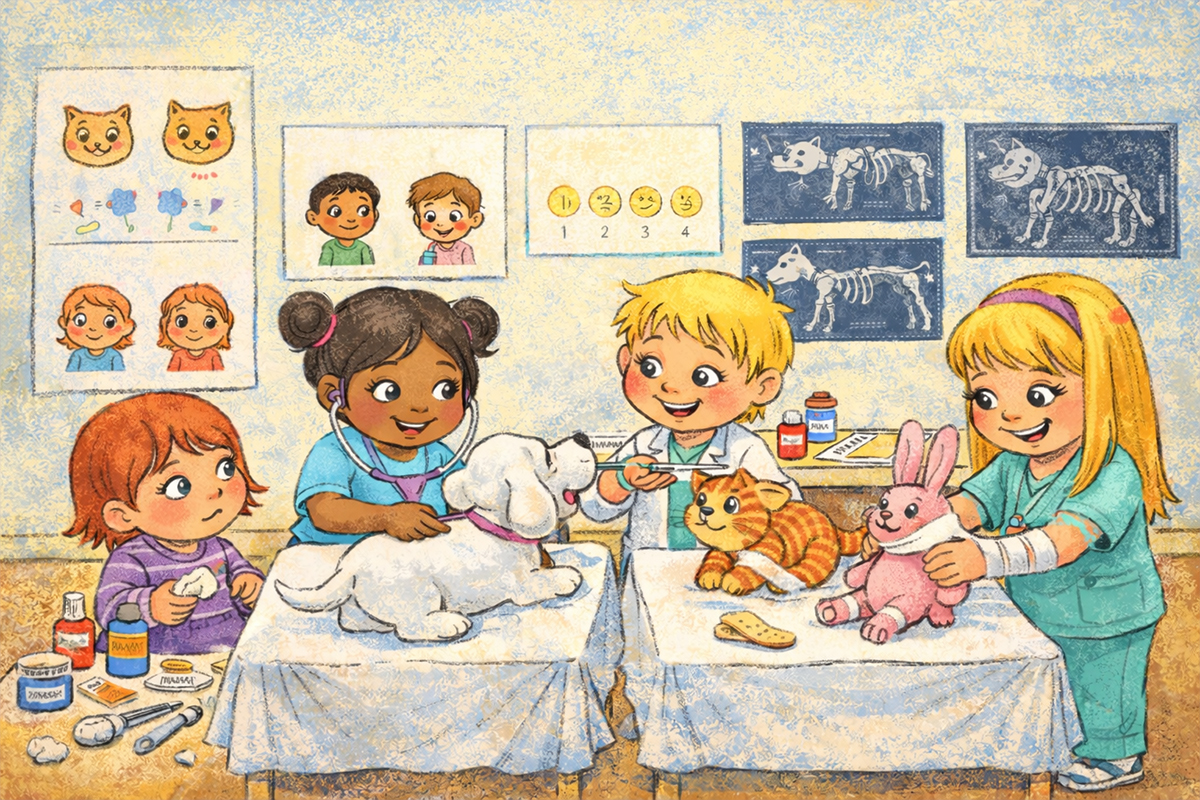
Zajedno s djecom uredite „veterinarsku kliniku“ u odgojno-obrazovnoj skupini. Rasporedite namještaj, materijale, pomagala i plakate za igru.
Dogovorite jednostavna pravila: koliko djece može istodobno boraviti u centru, kako organizirati prostor i gdje pospremiti igračke i materijale nakon igre.
Igra uloga – kod veterinara
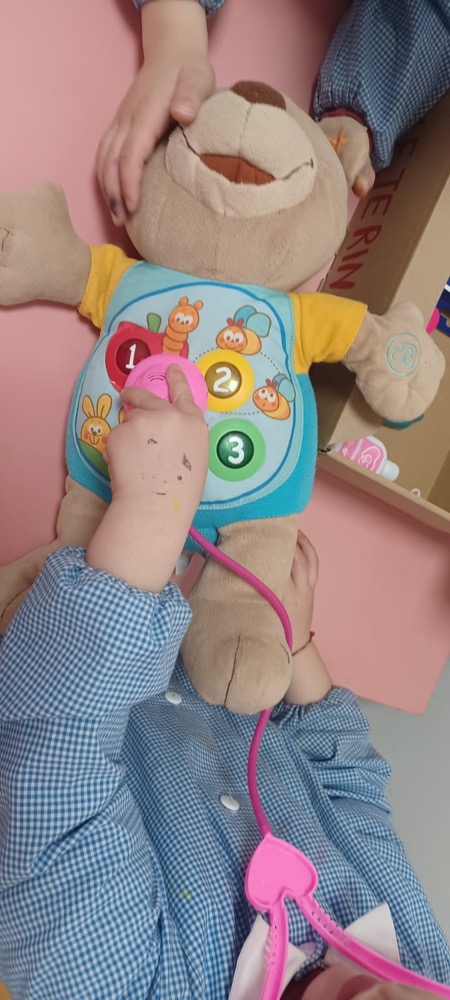
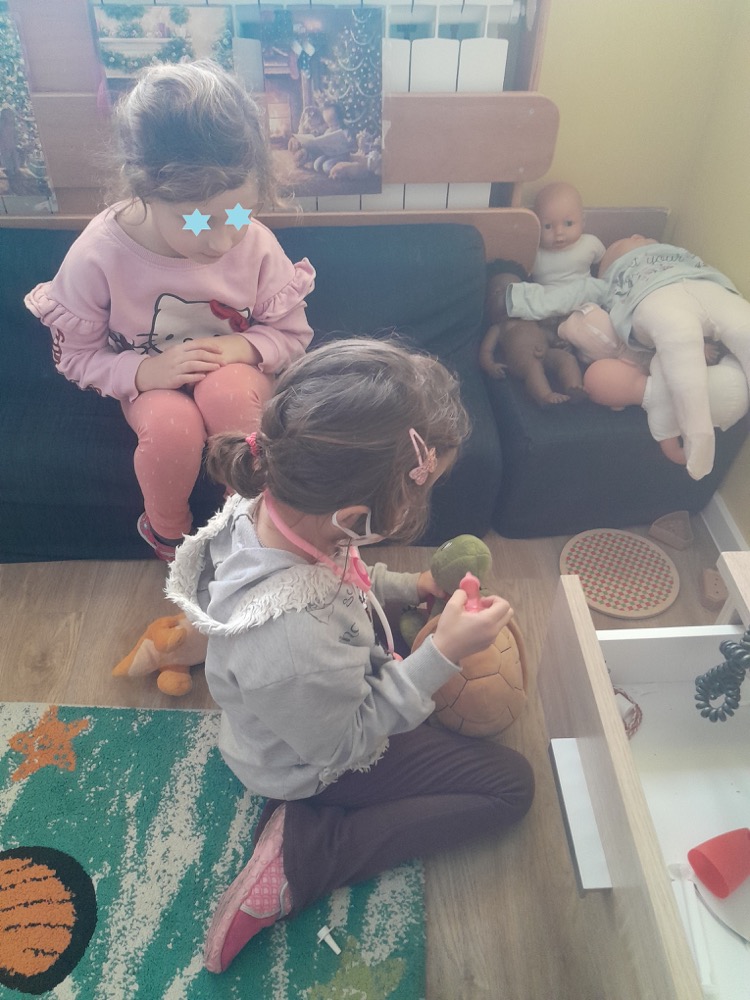
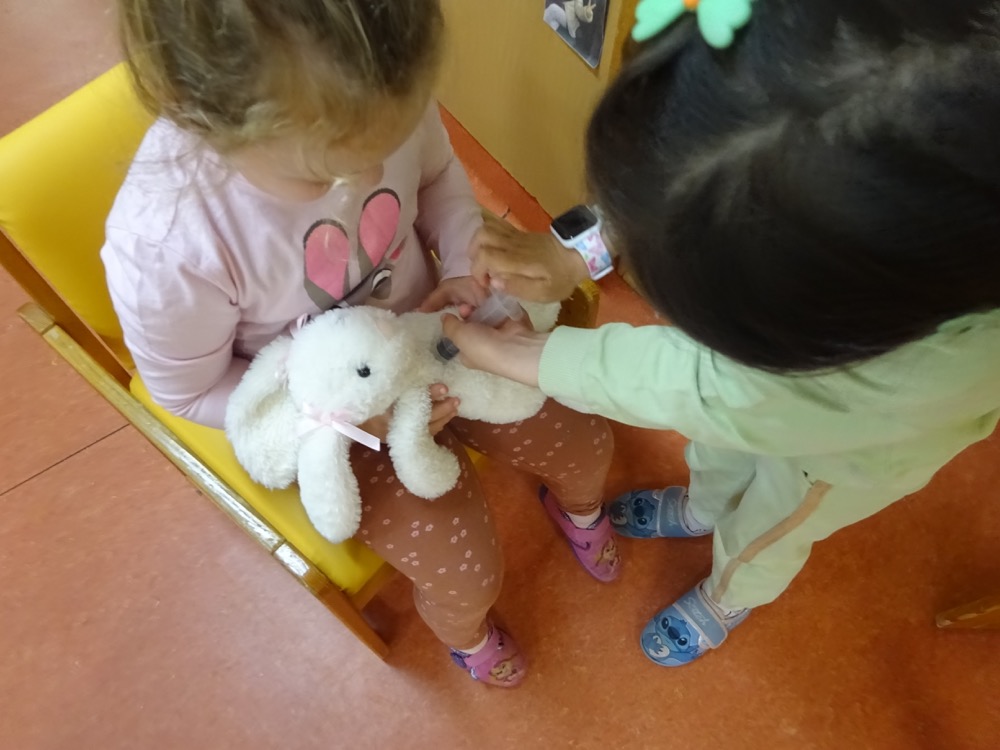
Pozovite djecu da organiziraju igru i odaberu uloge: veterinar, vlasnik životinje ili sama životinja.
Potaknite izmjenjivanje uloga kako bi svi imali priliku isprobati različite pozicije.
Budite u blizini kako biste promatrali igru i pružili blagu podršku ako dođe do nesporazuma.
Povremeno se uključite u igru, primjerice, kao ljubimac ili vlasnik, kako biste modelirali empatiju, komunikaciju i brigu ili uključili djecu kojoj je potrebna dodatna podrška.
Refleksija
Nakon igre razgovarajte s djecom o njihovom doživljaju:
- Kako si se osjećao/la u svojoj ulozi? Koja ti se uloga najviše svidjela?
- Je li bilo lako ili teško prepoznati da tvoj ljubimac nije dobro?
- Kako si razumio/razumjela što je tvom ljubimcu potrebno kada ne može govoriti?
- Kako si mu pomogao/pomogla? Kako si se pritom osjećao/osjećala?
Varijacije i dodatne ideje
Posjetiti zoološki vrt i razgovarati sa skrbnicima životinja o tome kako brinu o zdravlju i dobrobiti životinja.
Posjetiti veterinarsku stanicu kako bi djeca upoznala prave veterinare i saznala kako pomažu životinjama koje su bolesne ili ozlijeđene.
VETERINARSKA KLINIKA

CJENIK

|
PREGLED UHA
|
20 €
|

|
ZAVOJ
|
30 €
|

|
CIJEPLJENJE
|
40 €
|

|
HRANA
|
10 €
|
KAKO SE ŽIVOTINJA OSJEĆA?

SRETAN
|

TUŽAN
|

LJUT
|

PRESTRAŠEN
|

UMORAN
|

POVRIJEĐEN
|
KAKO SE VLASNIK OSJEĆA?

ZABRINUT
|

TUŽAN
|

ODAHNUO
|

SRETAN
|

PRESTRAŠEN
|
SKALA BOLI

KADA JE ŽIVOTINJA BOLESNA

NE JEDE
|

ŠEPA
|

NE IGRA SE
|

CVILI
|

OZLIJEĐEN
|
ŠTO NAM JE ČINITI?

1. OBRATITI PAŽNJU
|

2. REĆI ODRASLOJ OSOBI
|

3. IĆI KOD VETERINARA
|

4. BRINUTI
|
Slike aktivnosti