Kako biti dobar slušatelj
 Financirano sredstvima Europske unije. Izneseni stavovi i mišljenja su stavovi i mišljenja autora i ne moraju se podudarati sa stavovima i mišljenjima Europske unije ili Europske izvršne agencije za obrazovanje i kulturu (EACEA). Ni Europska unija ni EACEA ne mogu se smatrati odgovornima za njih. |
 Svi sadržaji, a posebno tekstovi, slike i grafikoni, su zaštićeni autorskim pravima. Vlasnik autorskih prava, ukoliko nije drugačije označeno, je sel.eduskills.plus, a autorsko pravo je definirano licencom Creative Commons Imenovanje-Nekomercijalno-Dijeli pod istim uvjetima 4.0 Međunarodna. Autorska prava mogu biti definirana uvjetima licence. |
© 2026 sel.eduskills.plus
| Napredna | |
| Dob: 4-6 | |
| 3 dana | |
| Djeca istražuju što znači biti dobar slušatelj i uče kako pažljivo slušanje razvija usredotočenost, povjerenje i bolju komunikaciju u skupini. | |
| Razgovor | |
|
Priprema
Pripremite materijale i uredite prostor u sobi za igru prije početka aktivnosti.
Implementacija
Započnite razgovor s djecom o slušanju. Pitajte ih znaju li što znači biti dobar slušatelj.
Tko je dobar slušatelj?
Pitajte skupinu:
- Tko je, po vašem mišljenju, dobar slušatelj?
Pozovite djecu da podijele svoje ideje. Zapišite njihove odgovore na plakat ili zamolite jedno dijete da ih zapiše.
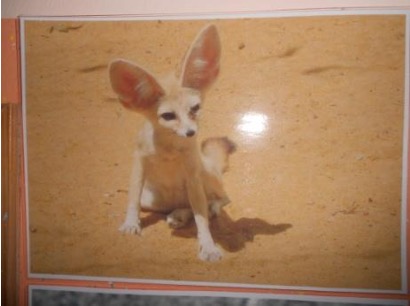
Potaknite ih da navedu primjere – ponekad će spomenuti crtane ili filmske likove sa „super sluhom“, poput Supermana. Iskoristite to kao zabavan uvod u dublje promišljanje:
Objasnite da dobro slušanje nije stvar velikih ušiju ili supermoći, već pažnje prema osobi koja govori, primjećivanja iz kojeg smjera dolazi zvuk i usredotočenosti na temu razgovora.
Ako djeca spomenu duhovite ili doslovne odgovore (poput velikih ušiju), iskoristite ih kao most za nastavak razgovora na lagan, uključiv i poticajan način.
Kako možemo biti dobri slušatelji u našoj skupini?
Pitajte:
- Što možemo učiniti kako bismo bili dobri slušatelji u našoj skupini?
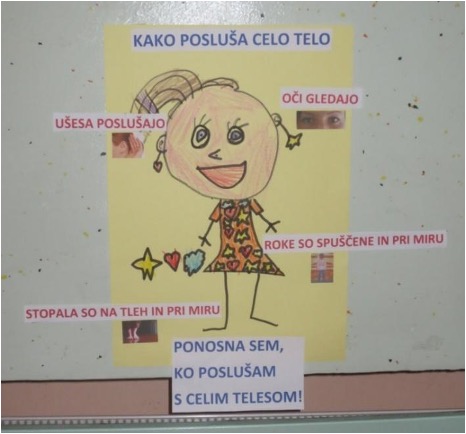
- Kako znaš da dobro slušaš?“ (primjeri: mirno sjedenje, gledanje govornika, ne prekidanje, ostajanje u aktivnosti).
- Kako zvuči dobar slušatelj?“ (primjeri: govori jedan po jedan, odgovara ljubazno, pokazuje interes).
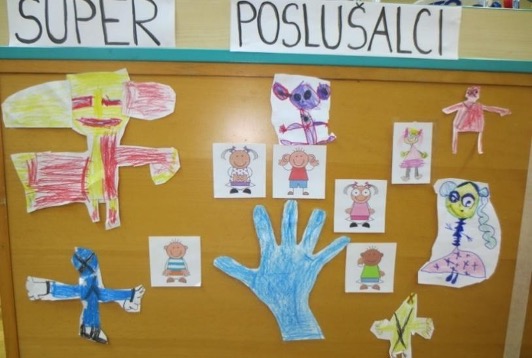
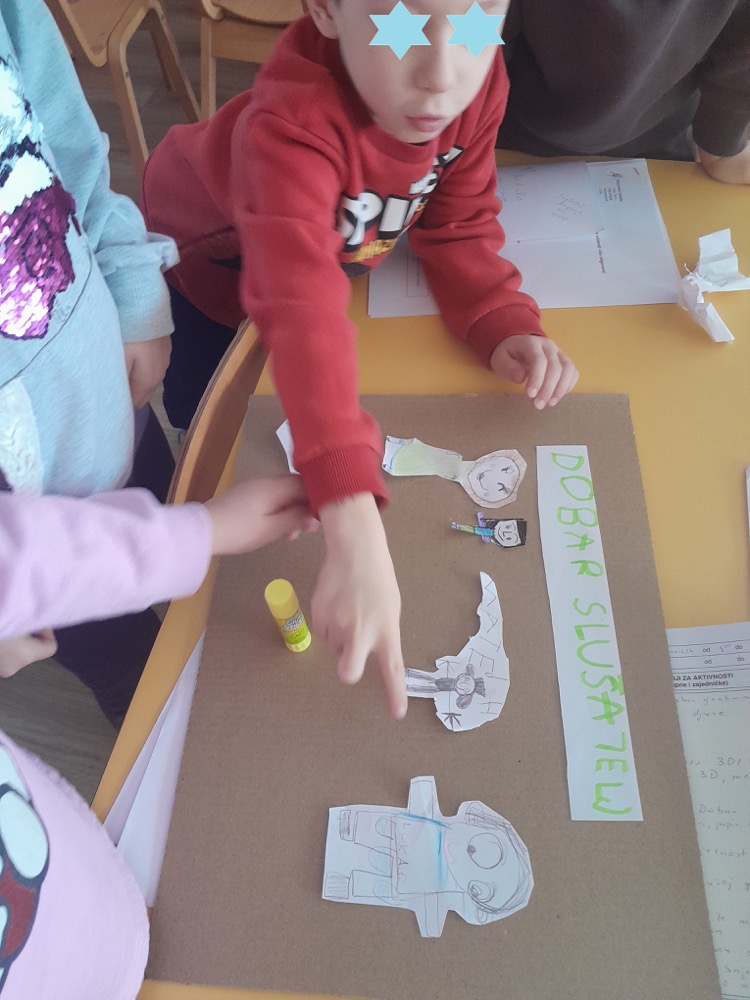
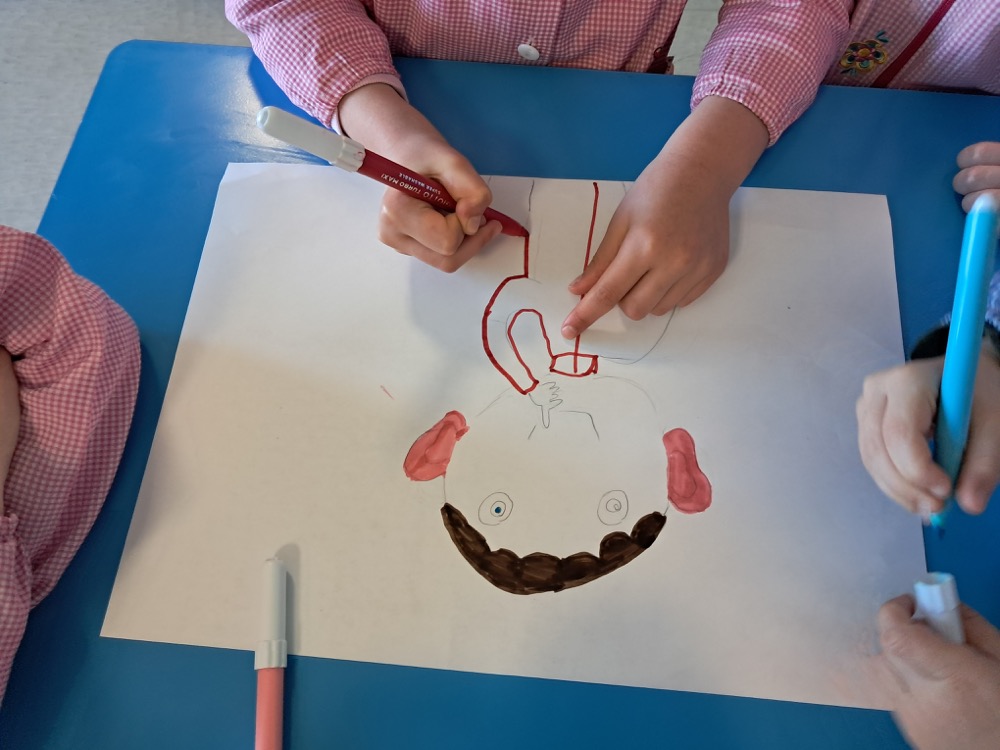
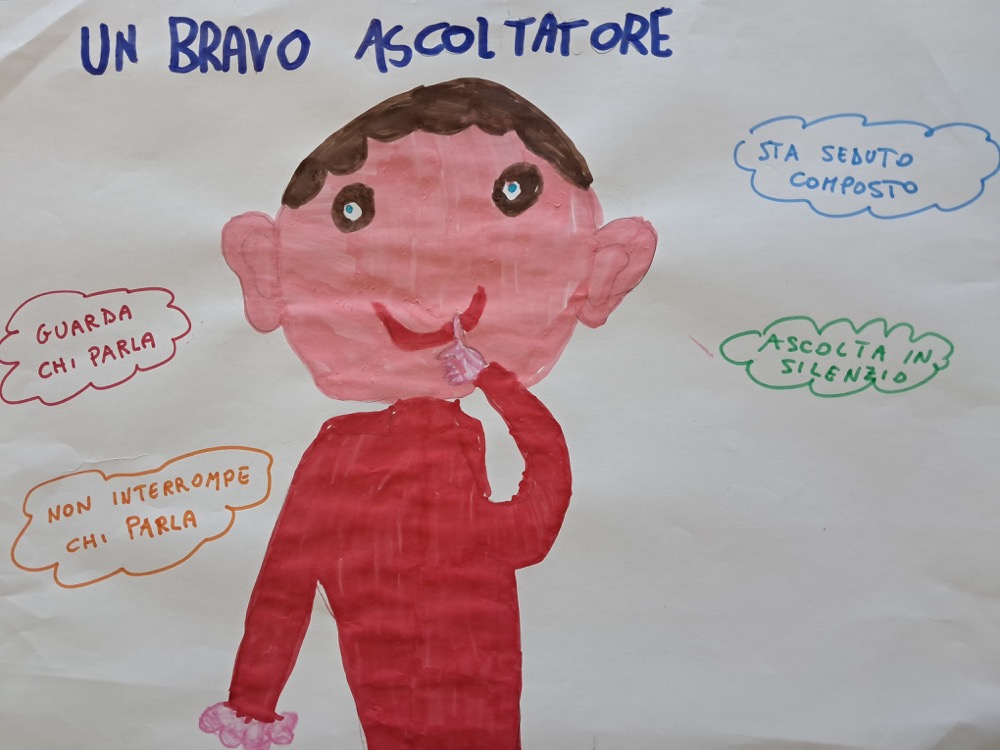
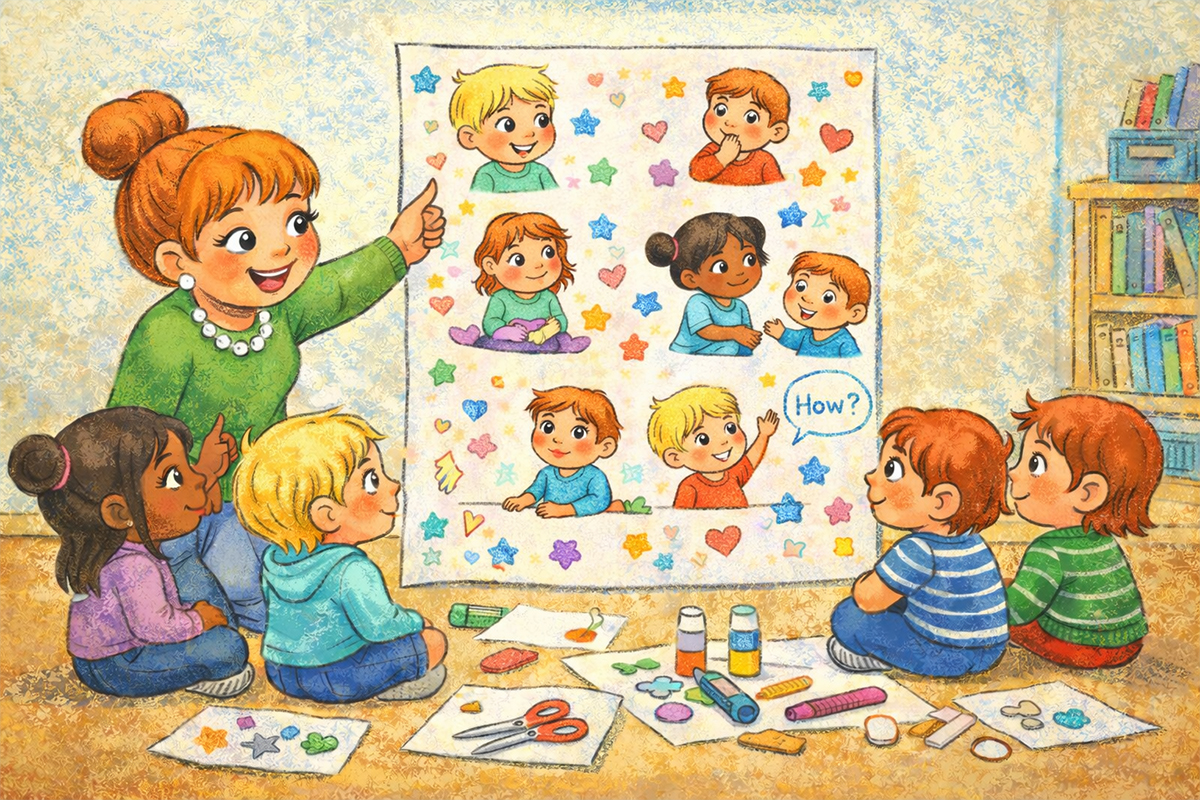
Zajedno sažmite njihove ideje i izradite plakat pod nazivom Dobar slušatelj u našoj skupini. Djeca se mogu nacrtati kao dobri slušatelji i ukrasiti plakat.
Postavite ga na vidljivo mjesto kao svakodnevni podsjetnik.
Slike aktivnosti