The Rights of Children and Me
 Funded by the European Union. Views and opinions expressed are however those of the author(s) only and do not necessarily reflect those of the European Union or the European Education and Culture Executive Agency (EACEA). Neither the European Union nor EACEA can be held responsible for them. |
 All contents, in particular texts, pictures and graphics, are protected by copyright. Unless expressly stated otherwise, copyright is held by sel.eduskills.plus and is licensed under Creative Commons Attribution - Non-commercial - Distribution under the same conditions 4.0 International license. They may be subject to the terms of the license. |
© 2026 sel.eduskills.plus
| Advanced | |
| Age: 4-6 | |
| 1 h | |
| Children learn about their rights, reflect on their meaning, and express their ideas through drawings for a shared poster. | |
| Managing learning | |
| Conversation Art | |
|
Implementation
Kira and Miro come to visit the group. They have heard that World Children’s Day is coming up and want to learn more about it.
The teacher (through the puppets) starts the conversation:
- Kira: “I heard children all over the world have special rights. What does that mean?”
- Miro: “Do we also have rights here in our kindergarten?”
The teacher asks the group:
- What do you think rights are?
- Why do children need their own rights?
Show a simple booklet or picture set about children’s rights.
Understanding World Children’s Day
The teacher explains World Children’s Day and invites children to share what they think this day is about.
Kira and Miro listen carefully, occasionally adding their own comments (“That sounds fair!” or “I didn’t know that!”) to reinforce children’s ideas and curiosity.
Drawing our ideas
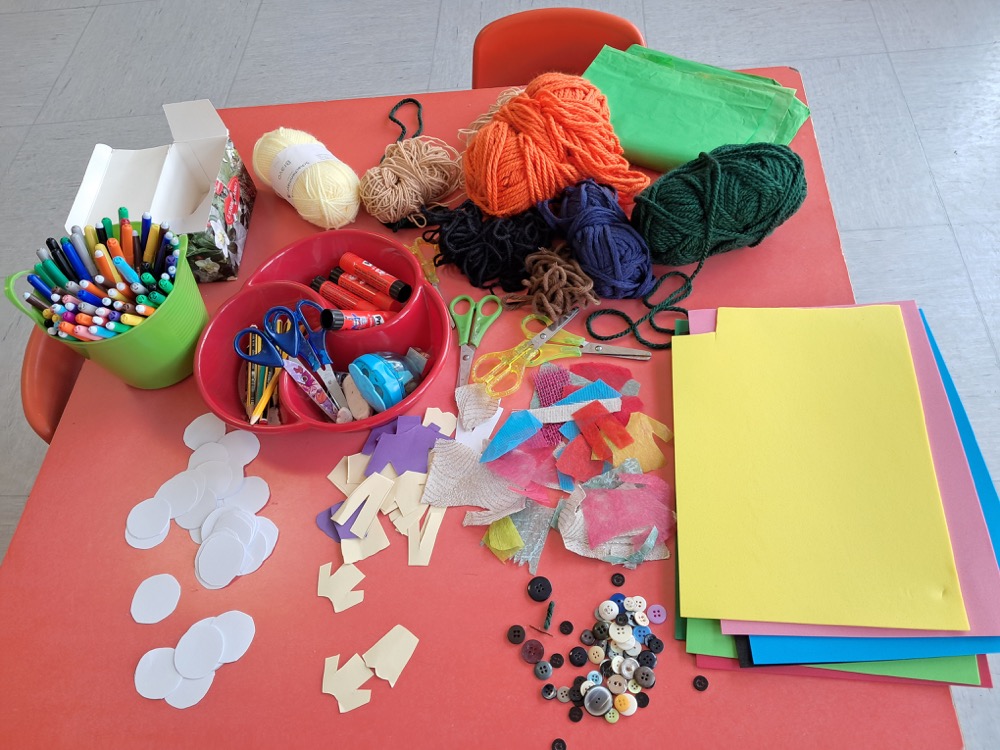
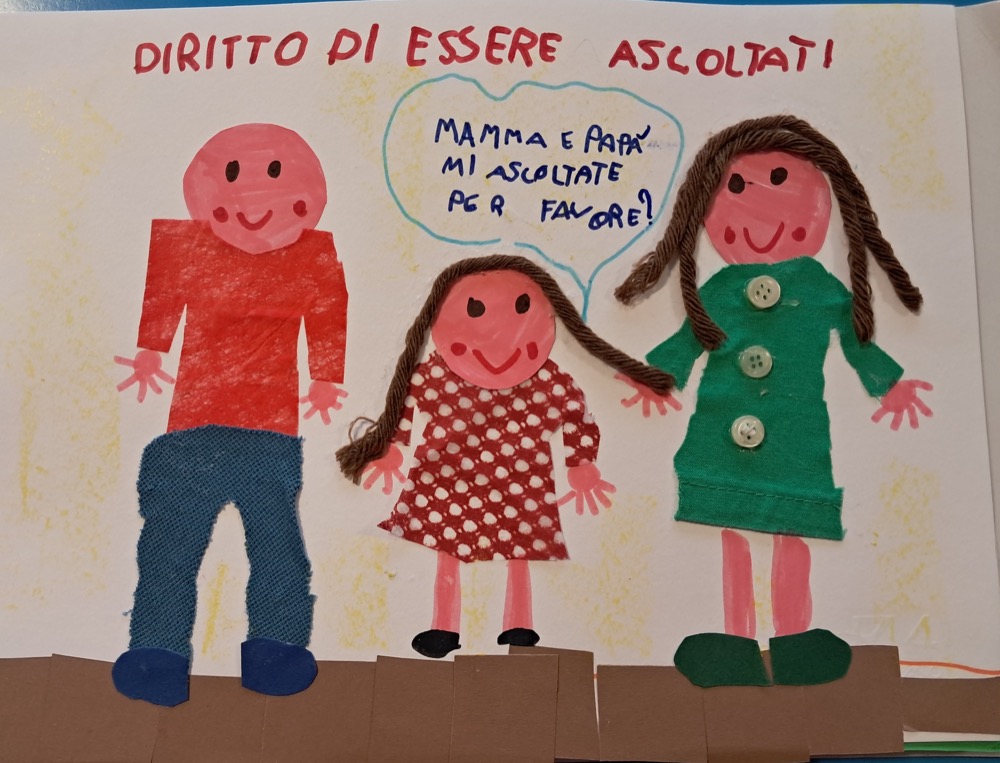
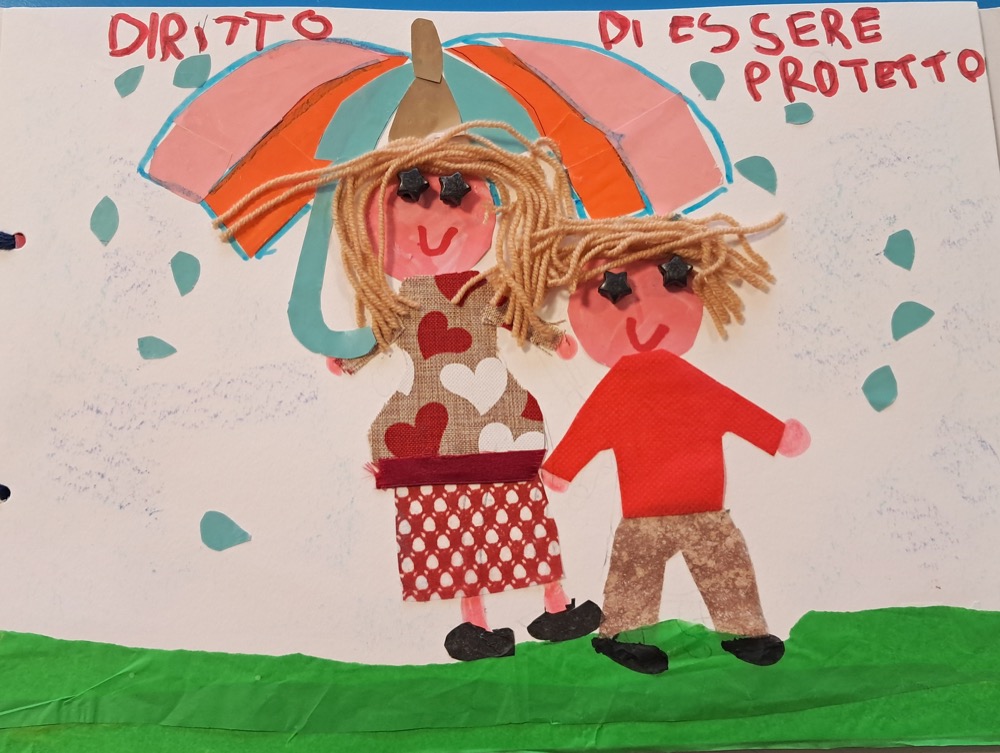
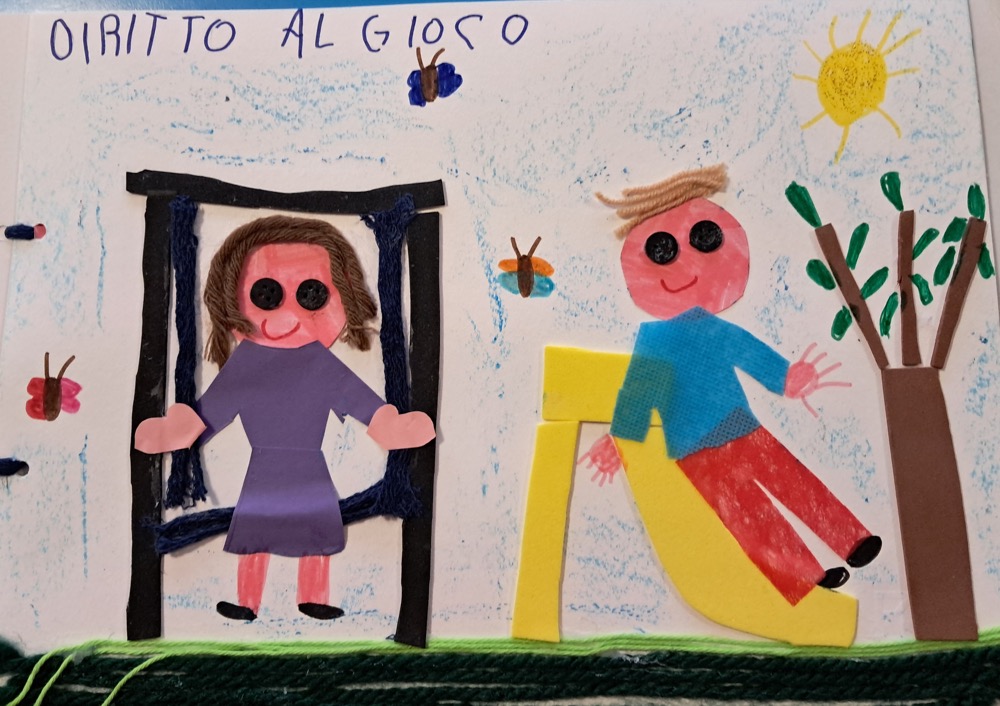
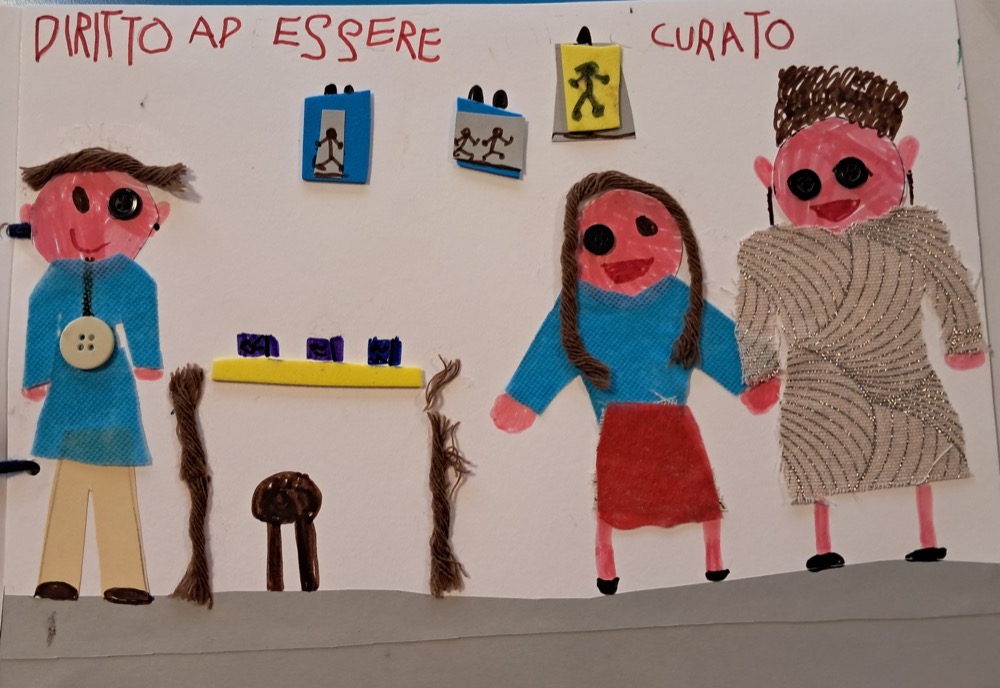
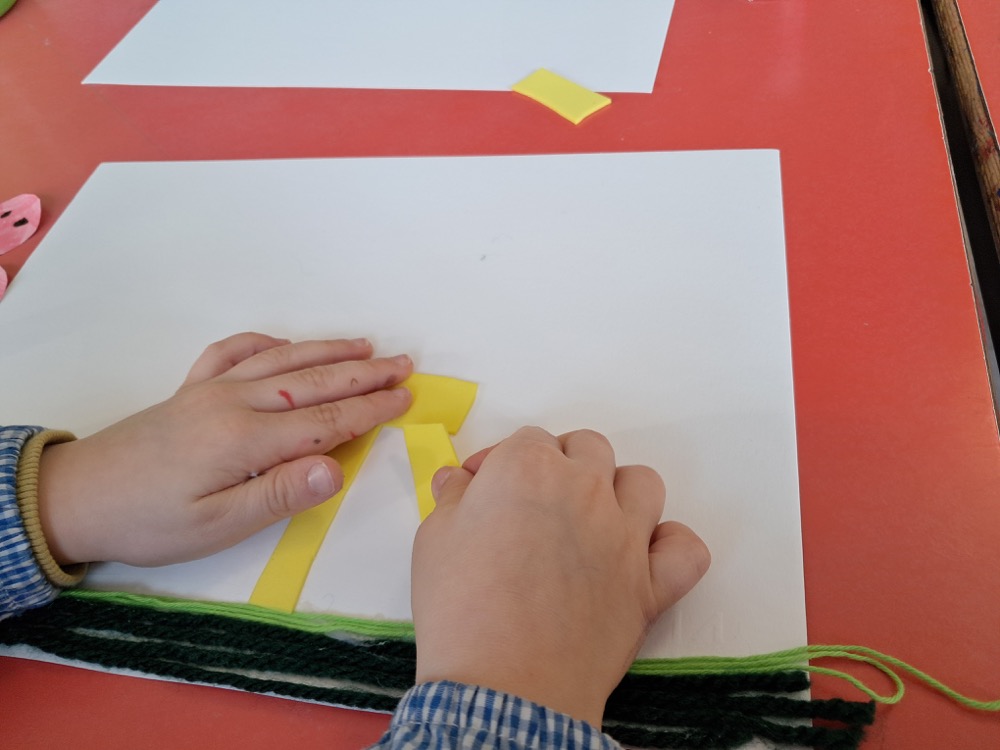
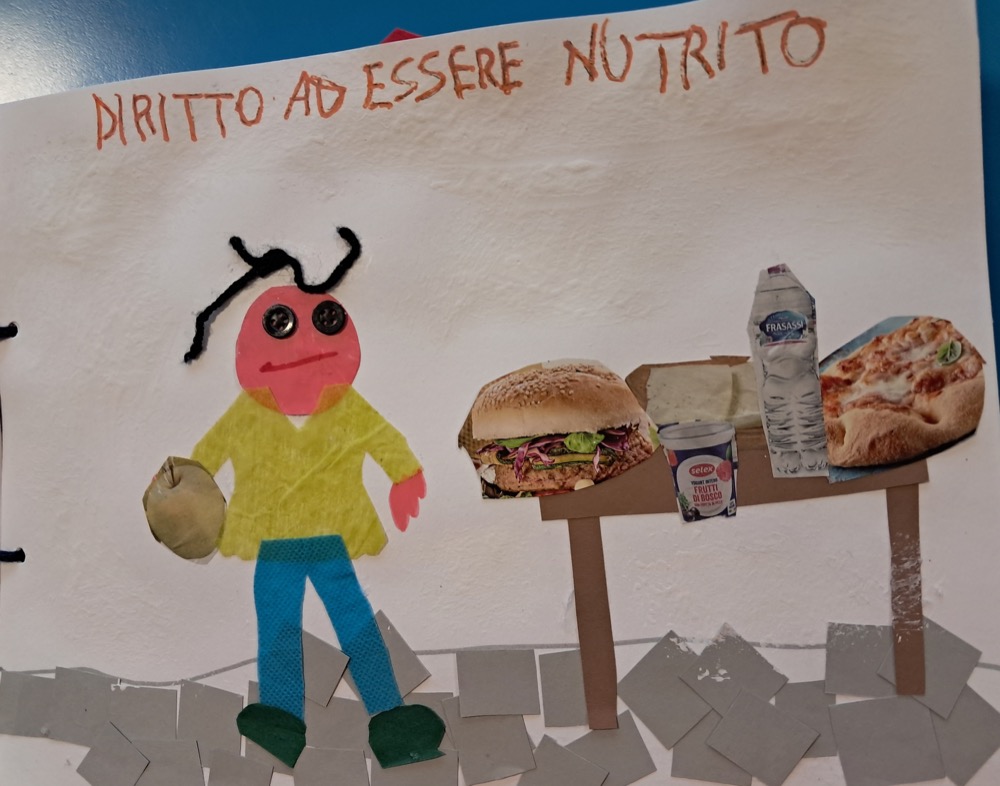
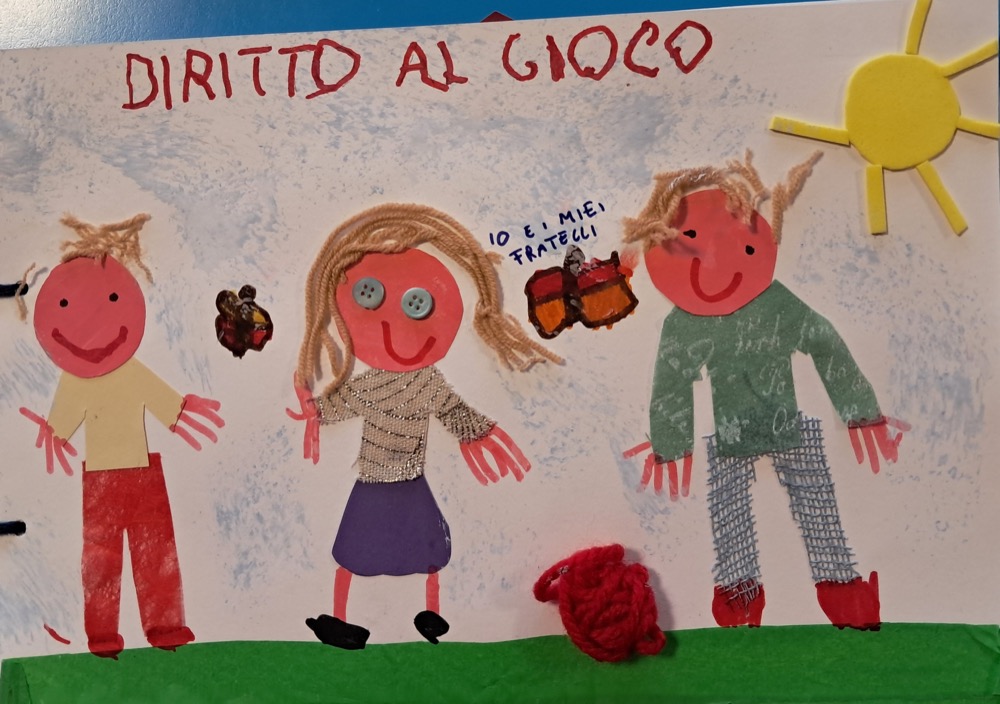
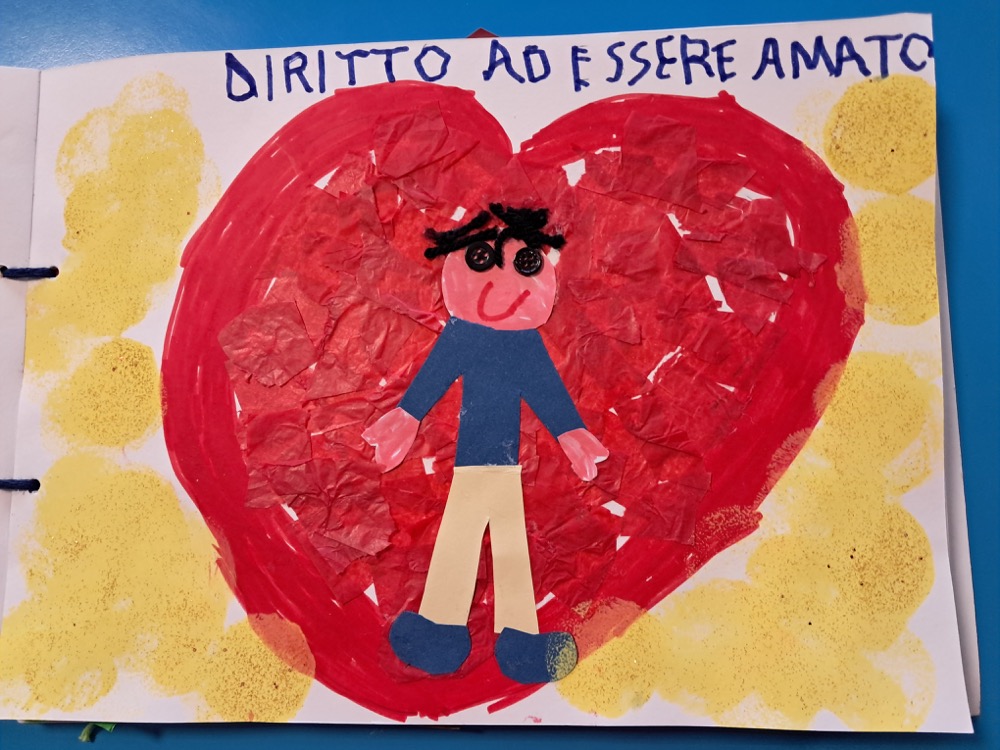
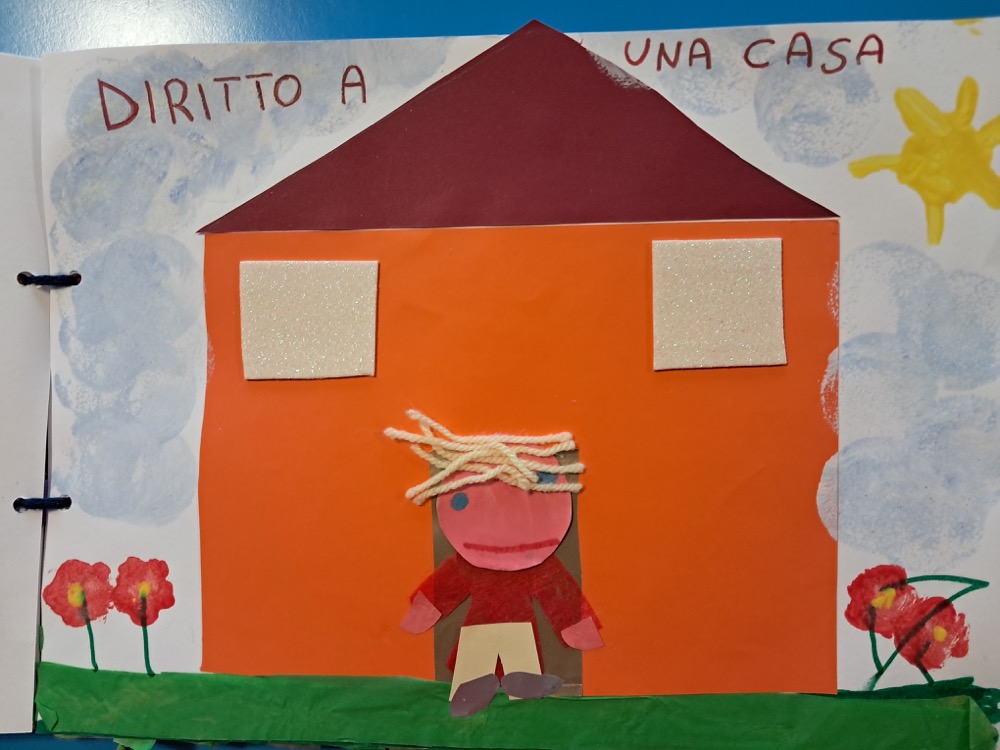
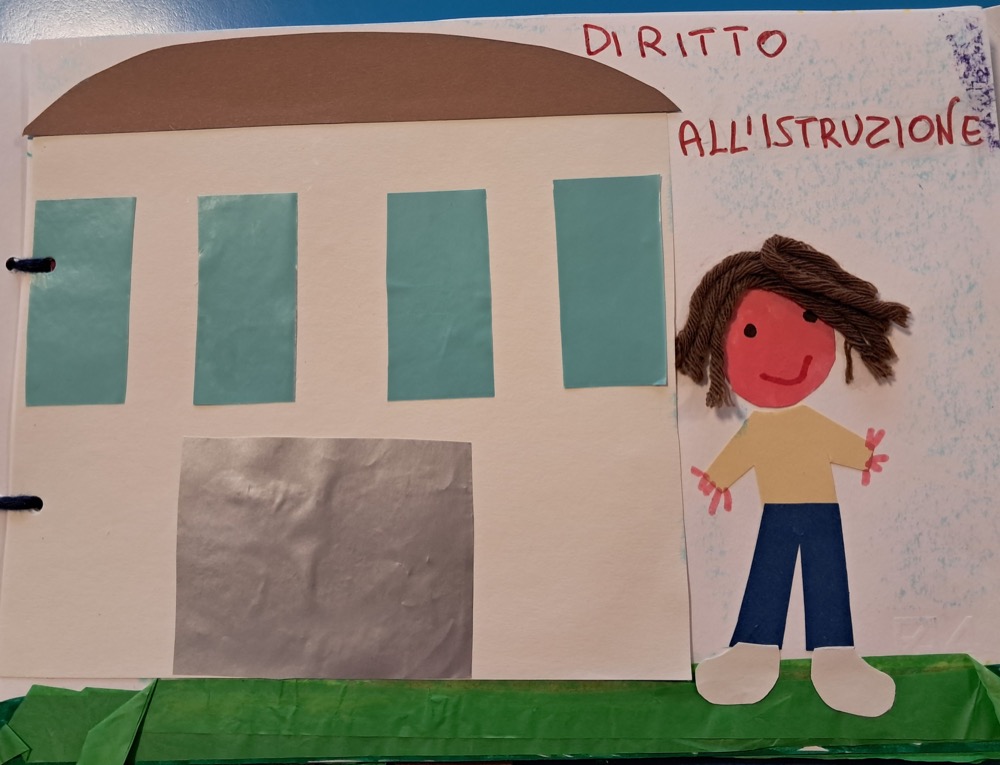
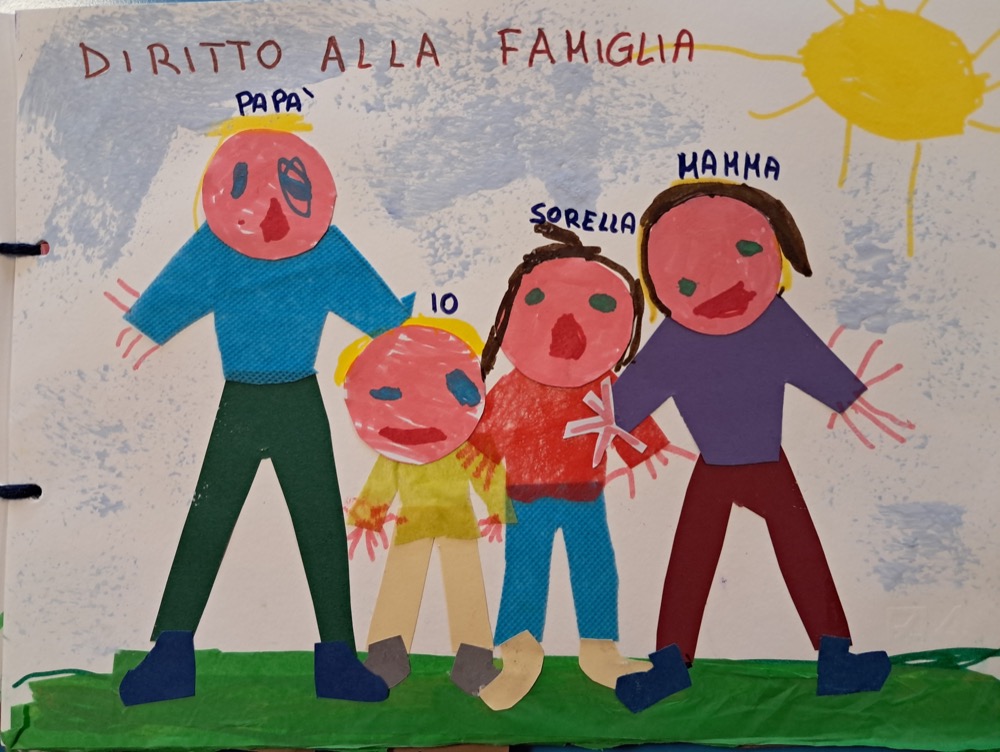
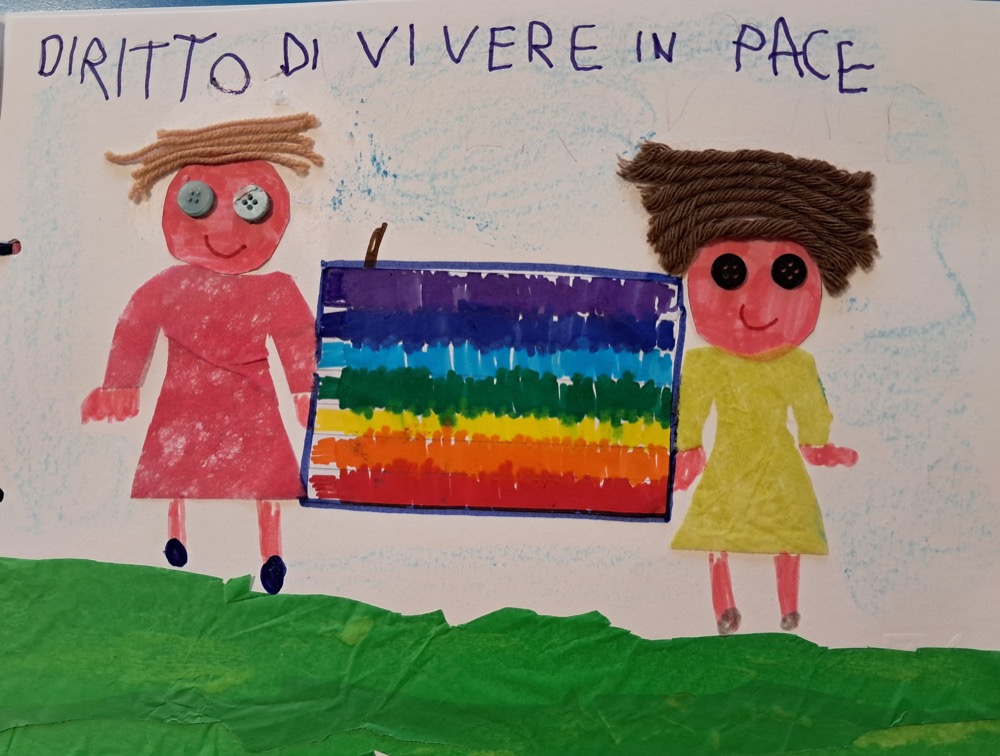
Children draw what they have said or understood about children’s rights or why these rights are important.
Kira and Miro can “walk around” to look at the drawings, asking short questions like:
- Which right did you draw?
- Why is it important to you?
Creating a shared poster
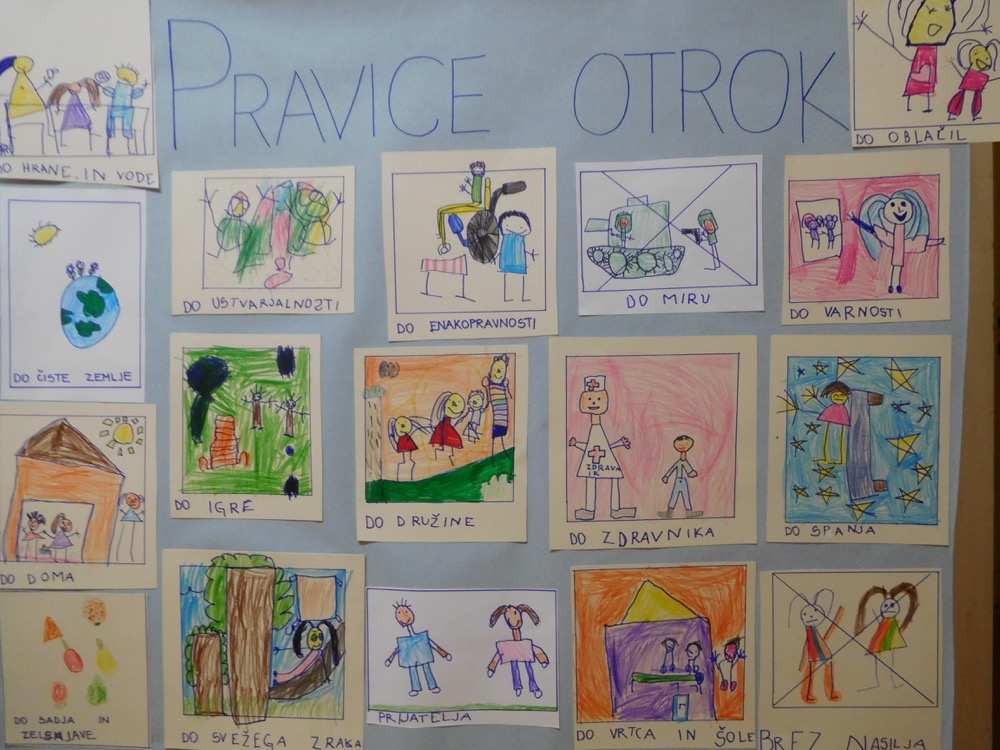
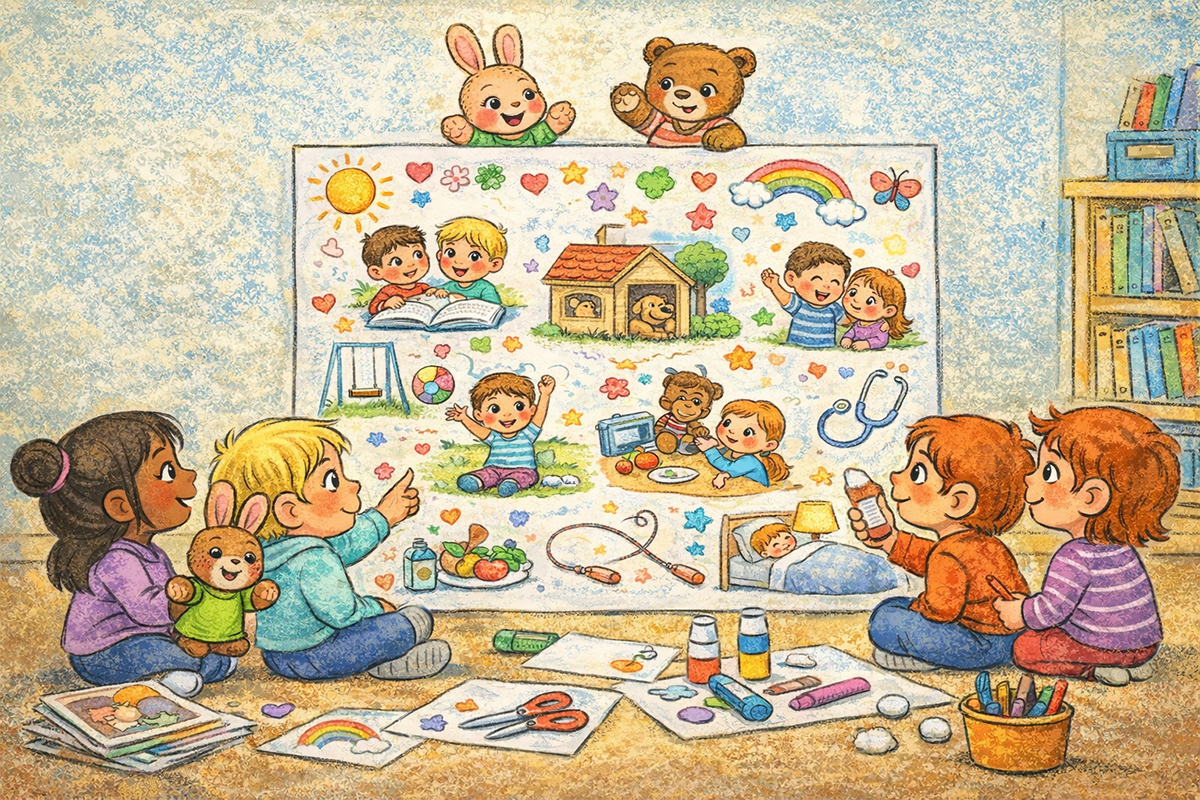
Children’s drawings are combined into one large poster.
Each child presents their drawing to the group while Kira and Miro listen and occasionally comment with supportive phrases (“That’s a beautiful idea!” “Everyone has the right to play - yes!”).
Exploring individual rights
Kira and Miro introduce specific rights (e.g., “the right to play,” “the right to learn,” “the right to be safe”) one by one.
Together, the group explores how these rights are protected in their daily life — e.g., through sharing, caring, and listening.
Reflection
The teacher and puppets lead a short discussion:
- How can we make sure everyone’s rights are respected here in our kindergarten?
- How does it feel when someone listens to what you need?
The poster is displayed in a visible place to remind everyone of these rights and the importance of fairness, respect, and care.
Photos of the Activity