Prava djece – i moja prava
 Financirano sredstvima Europske unije. Izneseni stavovi i mišljenja su stavovi i mišljenja autora i ne moraju se podudarati sa stavovima i mišljenjima Europske unije ili Europske izvršne agencije za obrazovanje i kulturu (EACEA). Ni Europska unija ni EACEA ne mogu se smatrati odgovornima za njih. |
 Svi sadržaji, a posebno tekstovi, slike i grafikoni, su zaštićeni autorskim pravima. Vlasnik autorskih prava, ukoliko nije drugačije označeno, je sel.eduskills.plus, a autorsko pravo je definirano licencom Creative Commons Imenovanje-Nekomercijalno-Dijeli pod istim uvjetima 4.0 Međunarodna. Autorska prava mogu biti definirana uvjetima licence. |
© 2026 sel.eduskills.plus
| Napredna | |
| Dob: 4-6 | |
| 1 sat | |
| Djeca uče o svojim pravima, promišljaju o njihovu značenju te izražavaju svoje ideje crtežima za zajednički plakat. | |
| Upravljanje učenjem | |
| Razgovor Umjetnost | |
|
Implementacija
Kira i Miro dolaze u posjet skupini. Čuli su da se približava Međunarodni dan djeteta i žele saznati više o njemu.
Odgojiteljica (kroz lutke) započinje razgovor:
- Kira: „Čula sam da djeca diljem svijeta imaju posebna prava. Što to znači?“
- Miro: „Imamo li i mi prava ovdje u našem vrtiću?“
Odgojiteljica pita skupinu:
- Što mislite, što su „prava“?
- Zašto djeca trebaju svoja prava?
Prikažite jednostavnu brošuru ili slikovni materijal o dječjim pravima.
Razumijevanje Međunarodnog dana djeteta
Odgojiteljica objašnjava Međunarodni dan djeteta i poziva djecu da podijele što misle da se obilježava tim danom.
Kira i Miro pažljivo slušaju i povremeno dodaju svoje komentare („To zvuči pravedno!“ ili „Nisam to znala!“), potičući dječju znatiželju i ideje.
Crtamo naše ideje
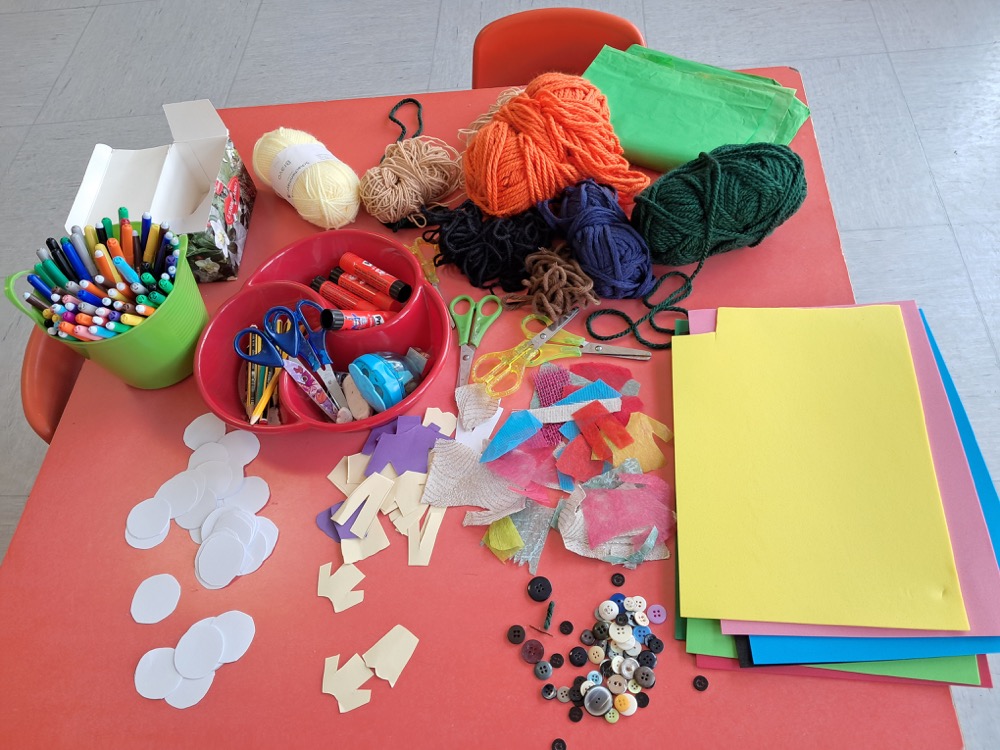
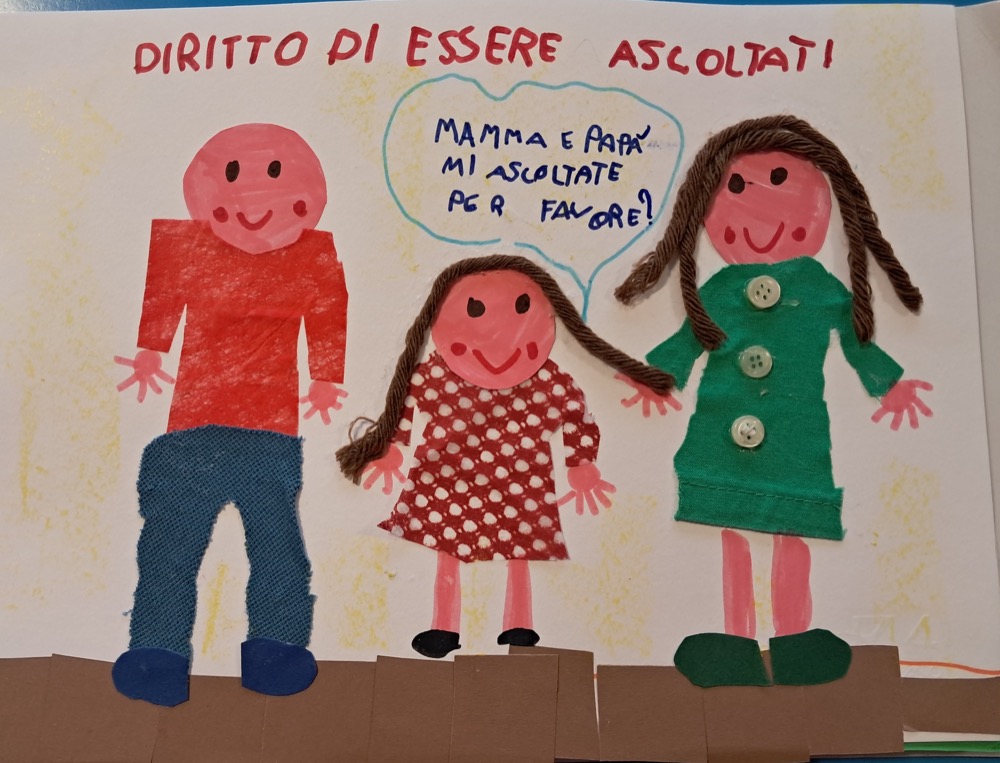
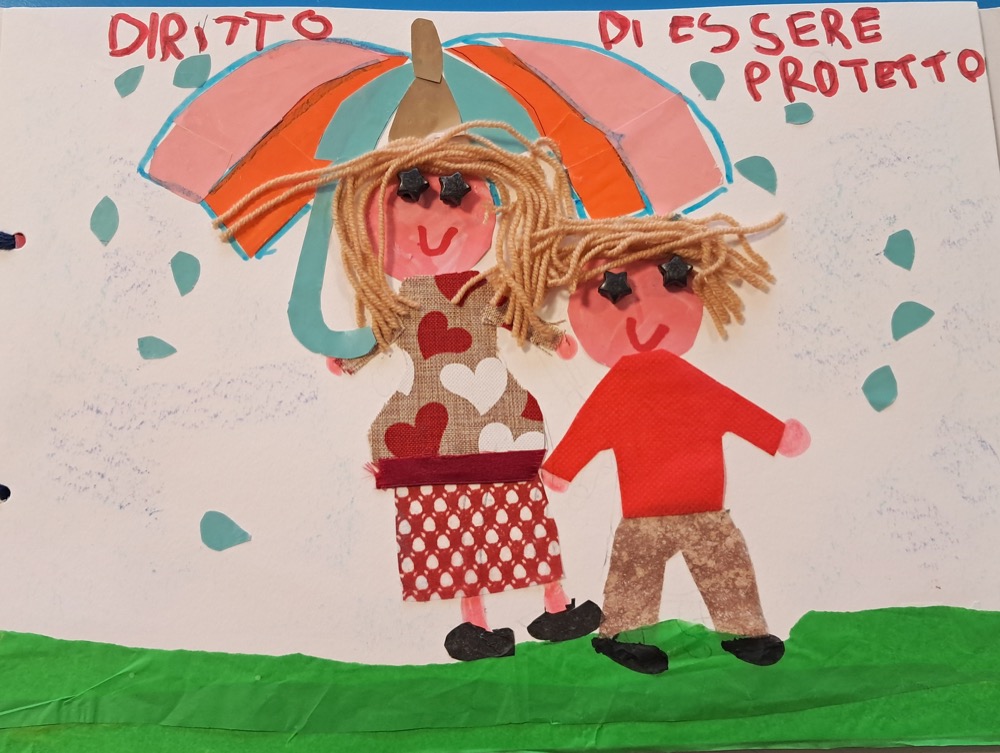
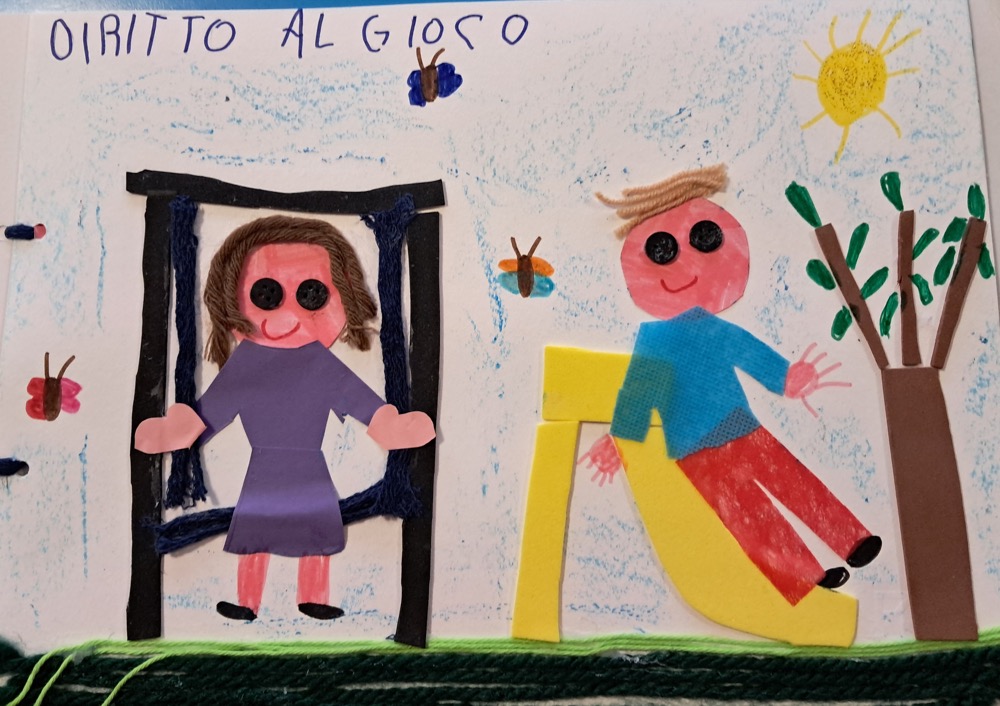
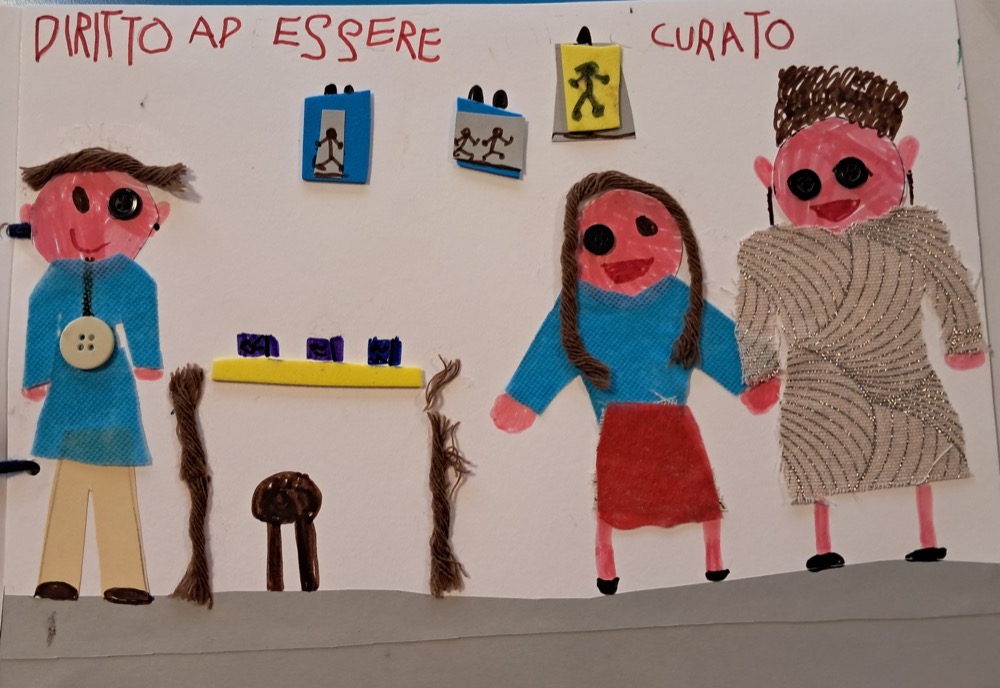
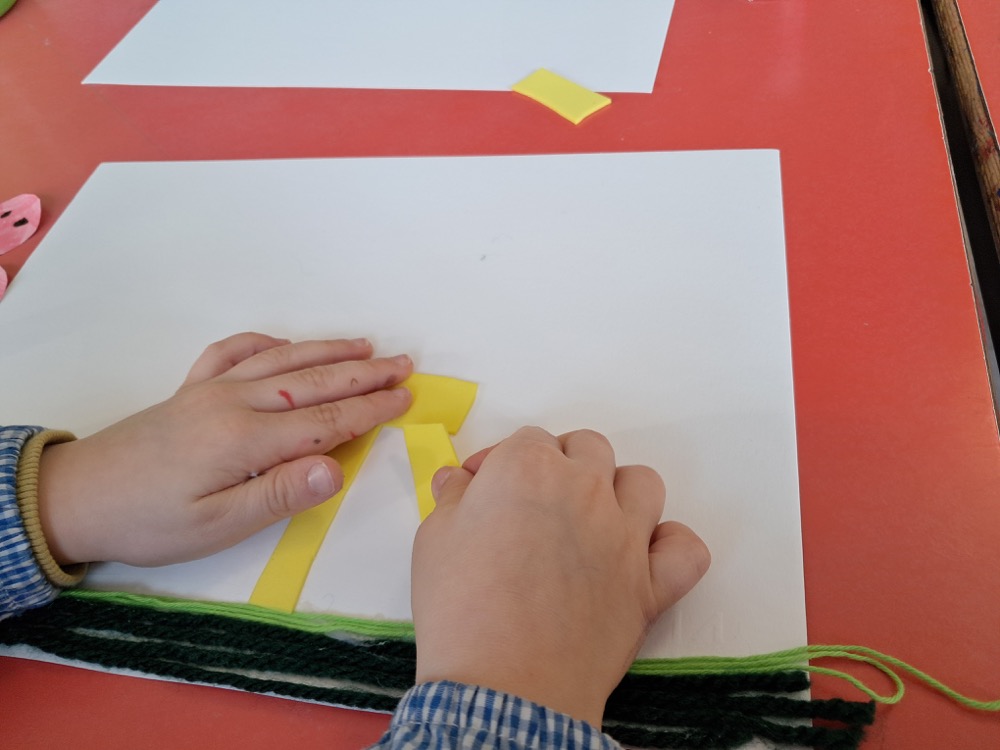
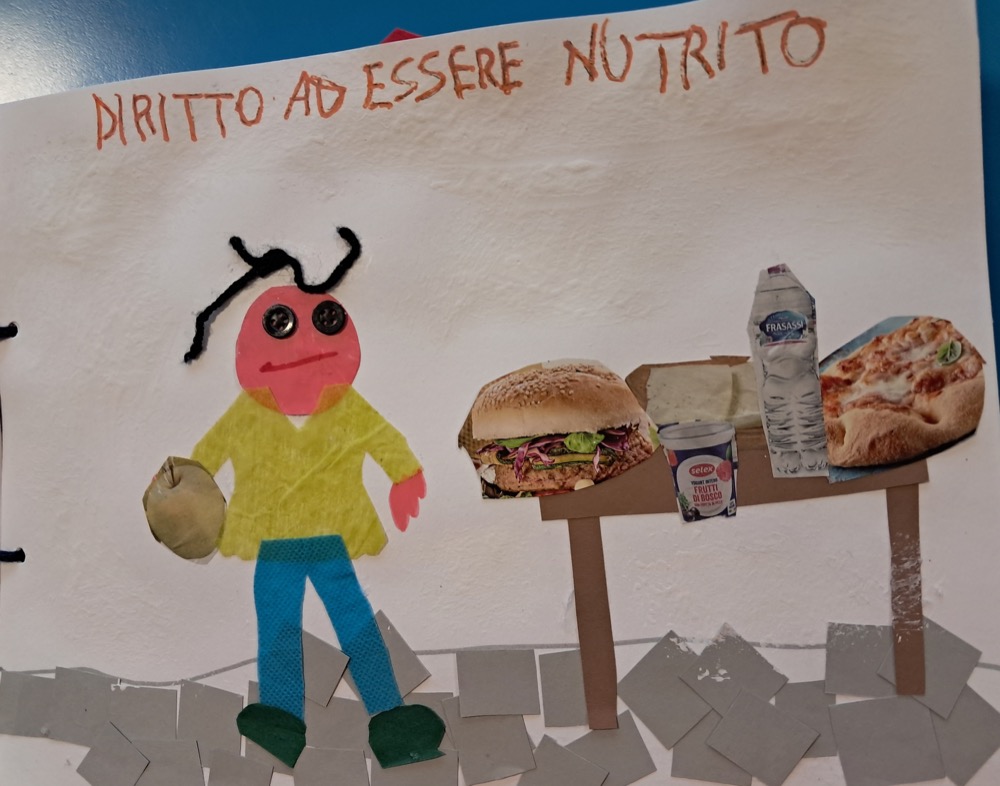
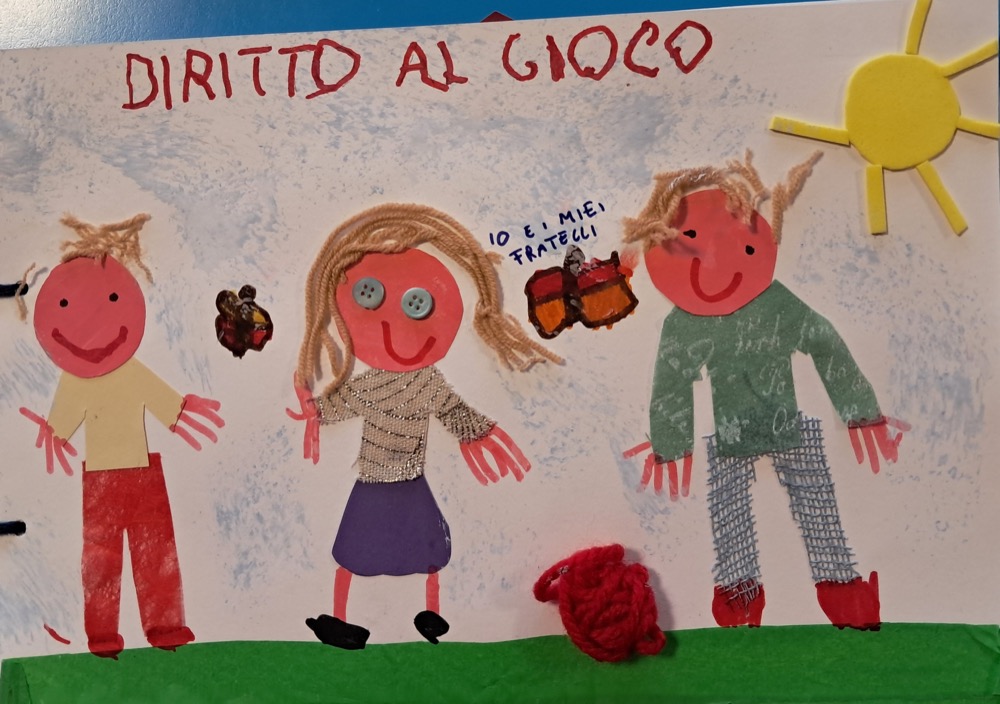
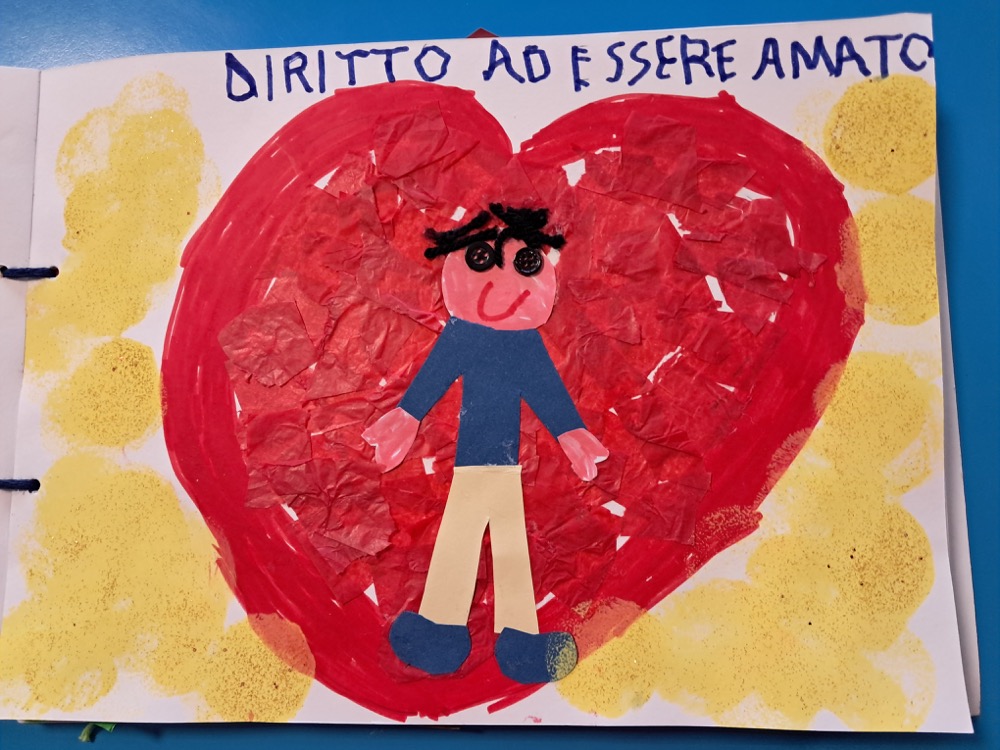
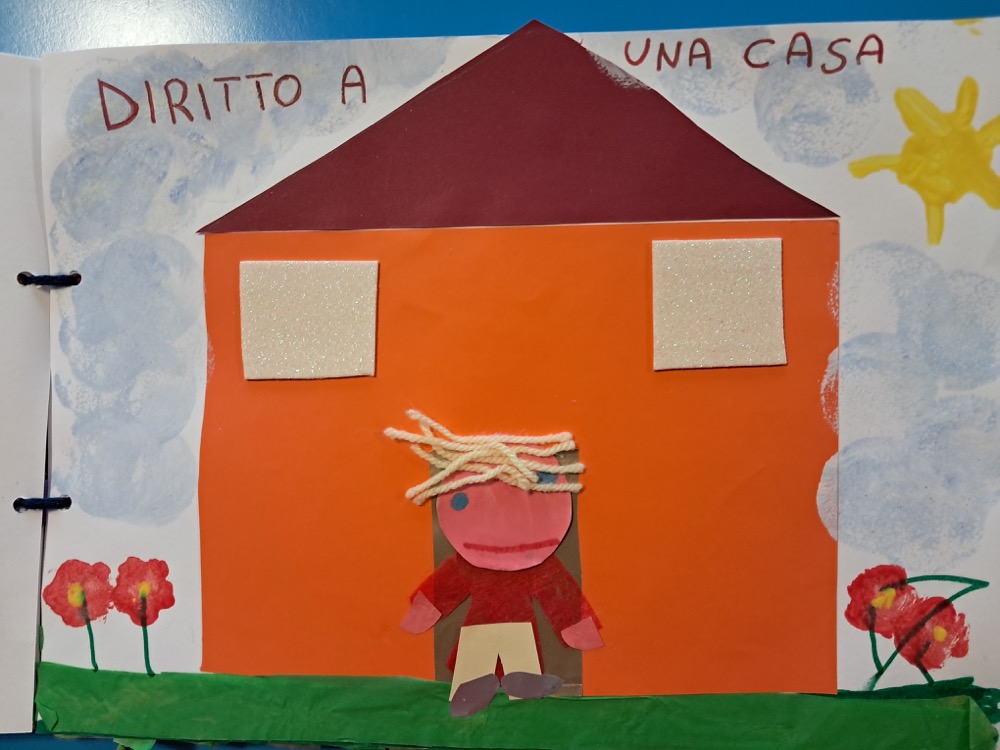
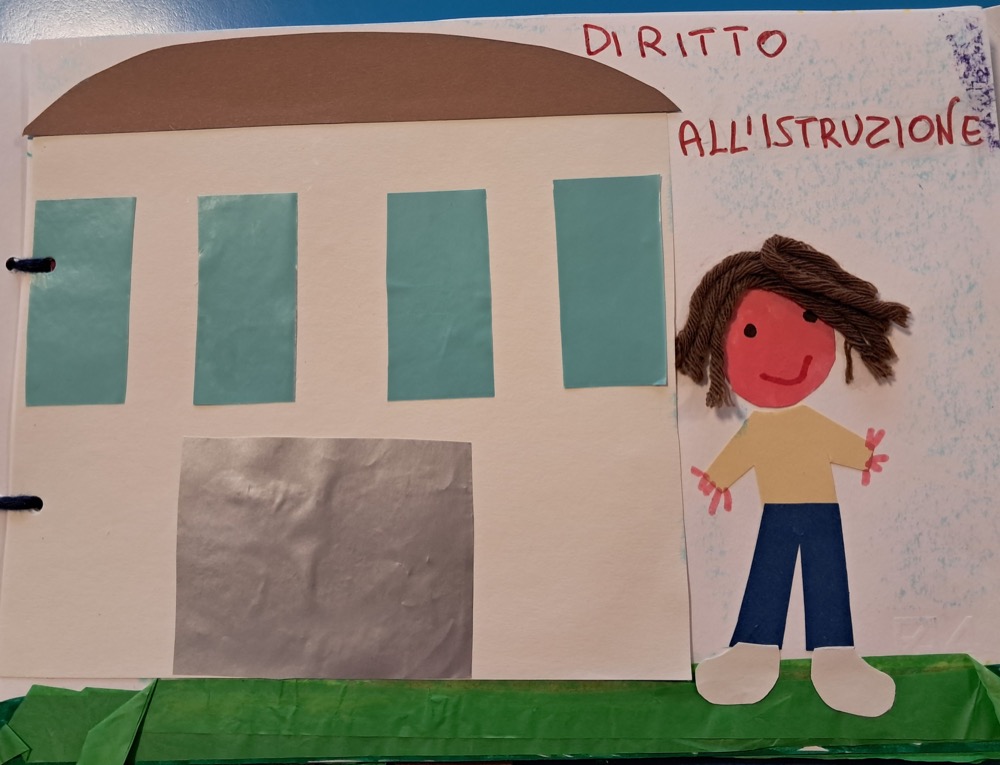
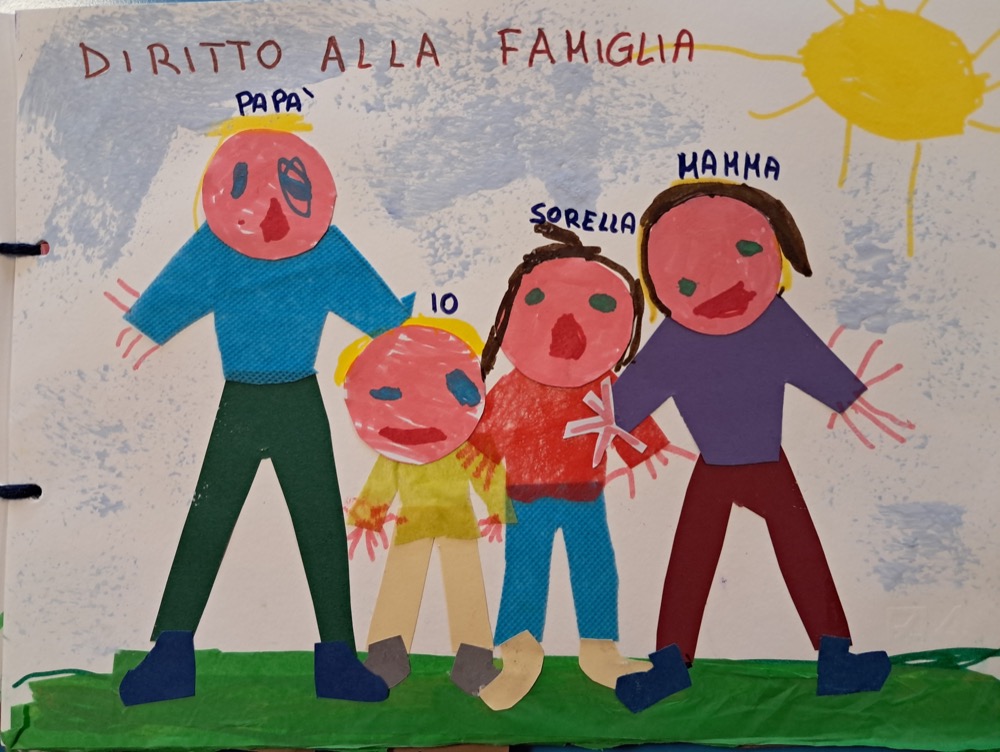
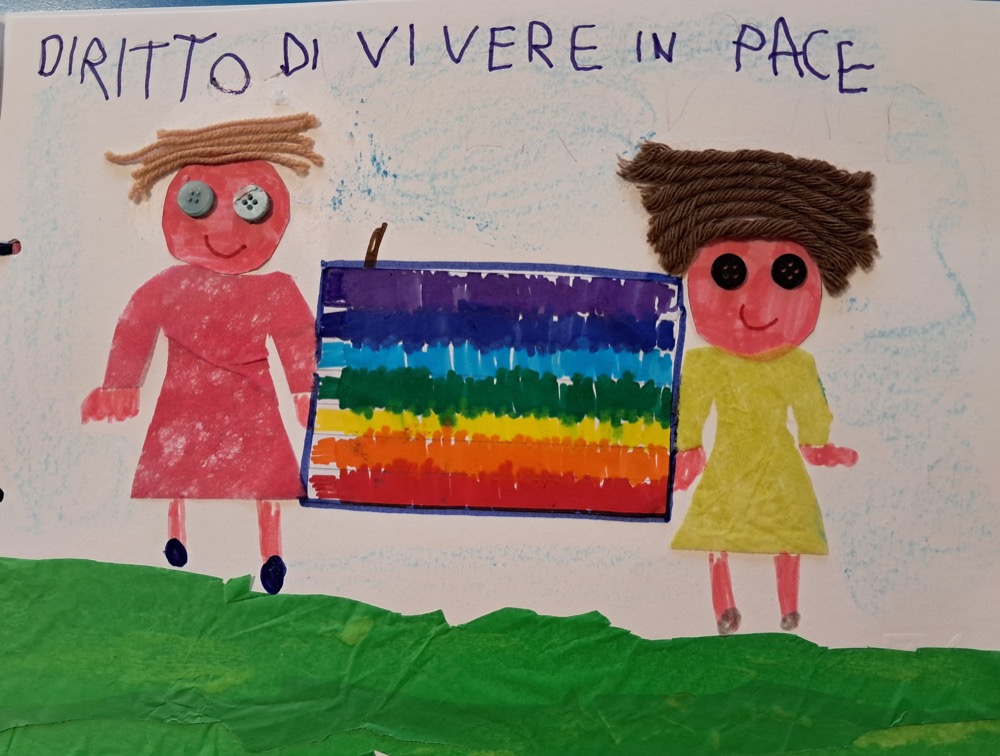
Djeca crtaju ono što su rekla ili razumjela o dječjim pravima ili zašto su ta prava važna.
Kira i Miro mogu „šetati“ među djecom i razgledavati crteže, postavljajući kratka pitanja poput:
- Koje si pravo nacrtao/nacrtala?
- Zašto ti je ono važno?
Izrada zajedničkog plakata
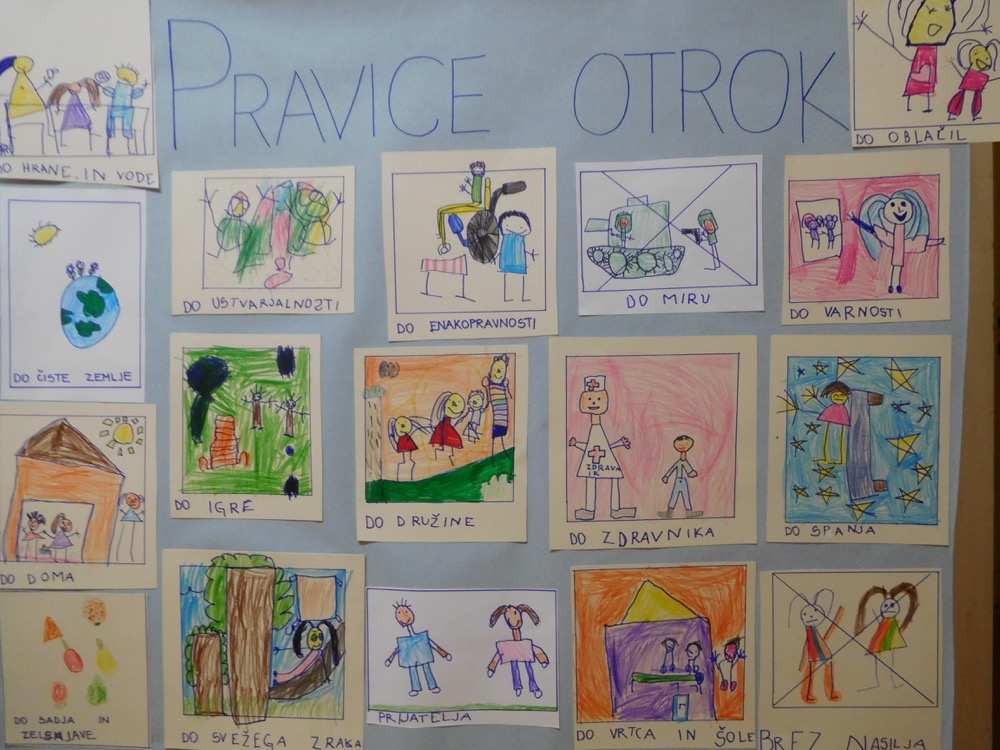
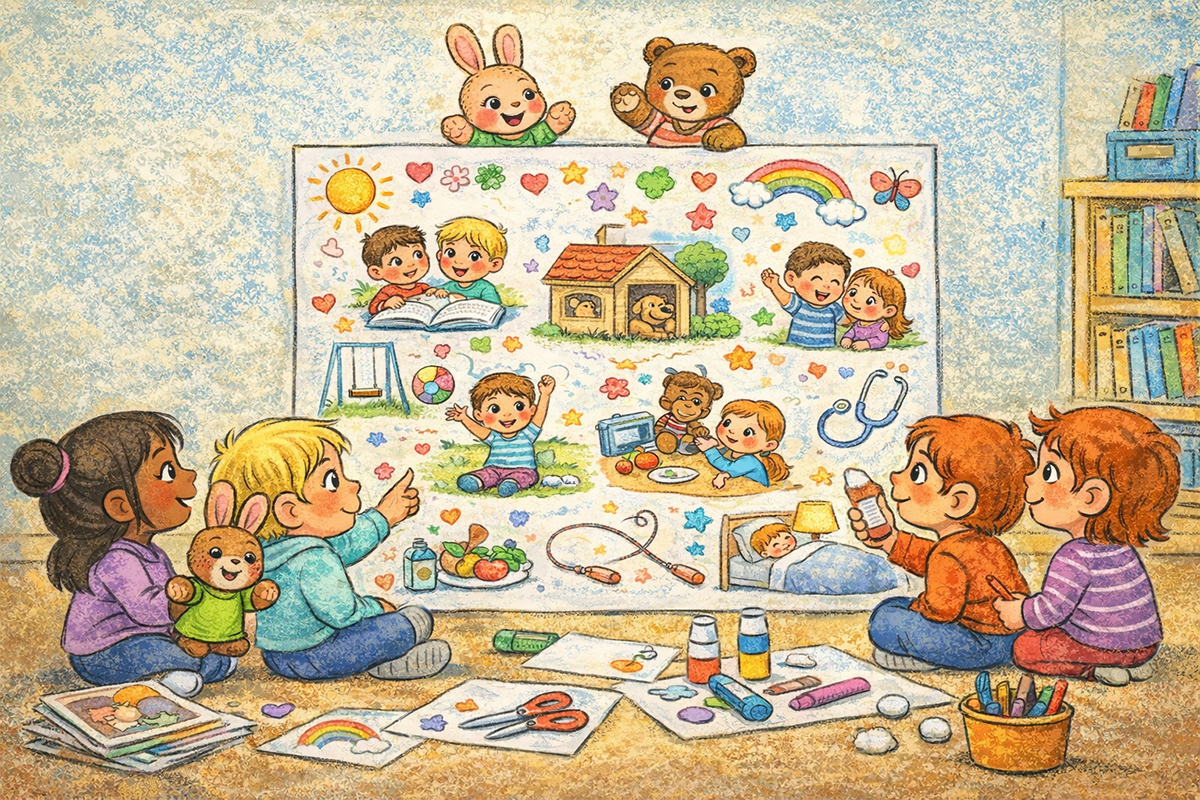
Dječji crteži se spajaju u jedan veliki zajednički plakat.
Svako dijete predstavlja svoj crtež skupini, dok Kira i Miro slušaju i povremeno komentiraju podržavajućim rečenicama („To je prekrasna ideja!“ „Da, svatko ima pravo na igru!“).
Istraživanje pojedinačnih prava
Kira i Miro predstavljaju pojedina prava (npr. „pravo na igru“, „pravo na učenje“, „pravo na sigurnost“) jedno po jedno.
Skupina zajedno istražuje kako su ta prava zaštićena u svakodnevnom vrtićkom životu – kroz dijeljenje, brigu, međusobno poštovanje i slušanje.
Refleksija
Odgojiteljica i lutke vode kratku raspravu:
- Kako možemo osigurati da se prava svih poštuju u našem vrtiću?
- Kako se osjećaš kada netko sluša što ti je potrebno?
Plakat se postavlja na vidljivo mjesto kao podsjetnik na dječja prava i važnost pravednosti, poštovanja i brige.
Slike aktivnosti