Kesten
 Financirano sredstvima Europske unije. Izneseni stavovi i mišljenja su stavovi i mišljenja autora i ne moraju se podudarati sa stavovima i mišljenjima Europske unije ili Europske izvršne agencije za obrazovanje i kulturu (EACEA). Ni Europska unija ni EACEA ne mogu se smatrati odgovornima za njih. |
 Svi sadržaji, a posebno tekstovi, slike i grafikoni, su zaštićeni autorskim pravima. Vlasnik autorskih prava, ukoliko nije drugačije označeno, je sel.eduskills.plus, a autorsko pravo je definirano licencom Creative Commons Imenovanje-Nekomercijalno-Dijeli pod istim uvjetima 4.0 Međunarodna. Autorska prava mogu biti definirana uvjetima licence. |
© 2026 sel.eduskills.plus
| Napredna | |
| Dob: 4-6 | |
| 20-30 minuta | |
| Djeca se igraju i kreću uz pjesmicu o kestenu, vježbajući ritam, pažnju, koordinaciju i radosnu suradnju u skupini. | |
| Fleksibilnost Samoregulacija | |
| Pokret Muzika | |
|
Priprema
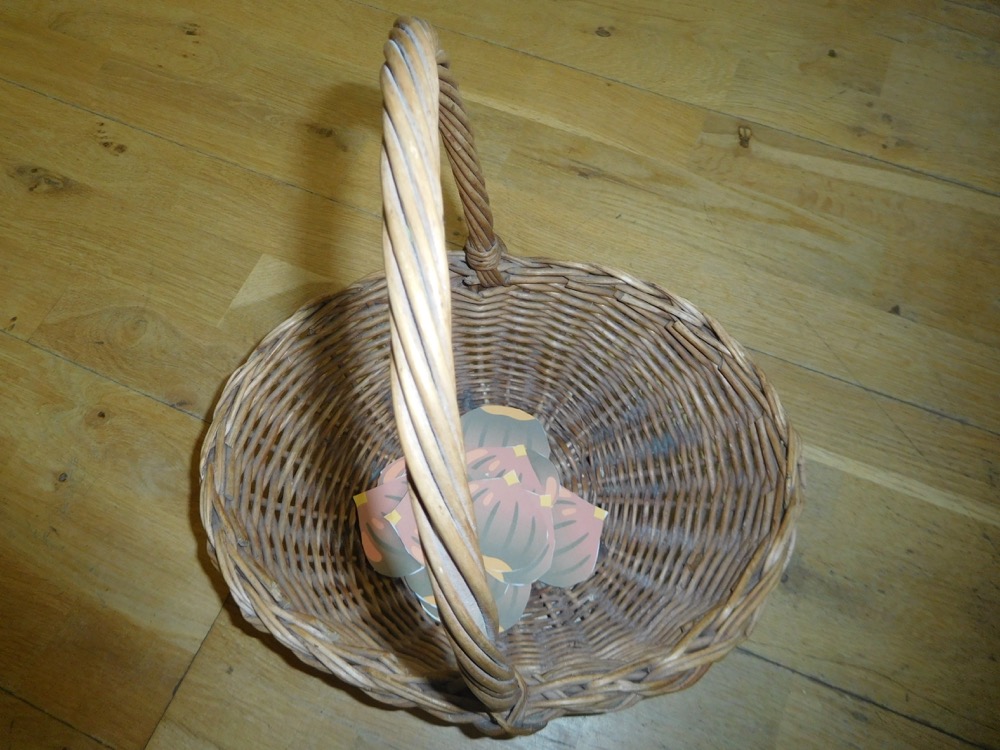
Pripremite košaru punu kestena (možete ih prikupiti zajedno s djecom tijekom šetnje ili zamoliti roditelje da donesu nekoliko).
Implementacija
Okupite djecu u krug. Pokažite im košaru kestena skupljenih u šetnji i izrecitirajte brojalicu „Kesten“.
Poučite djecu brojalici i pravilima igre.
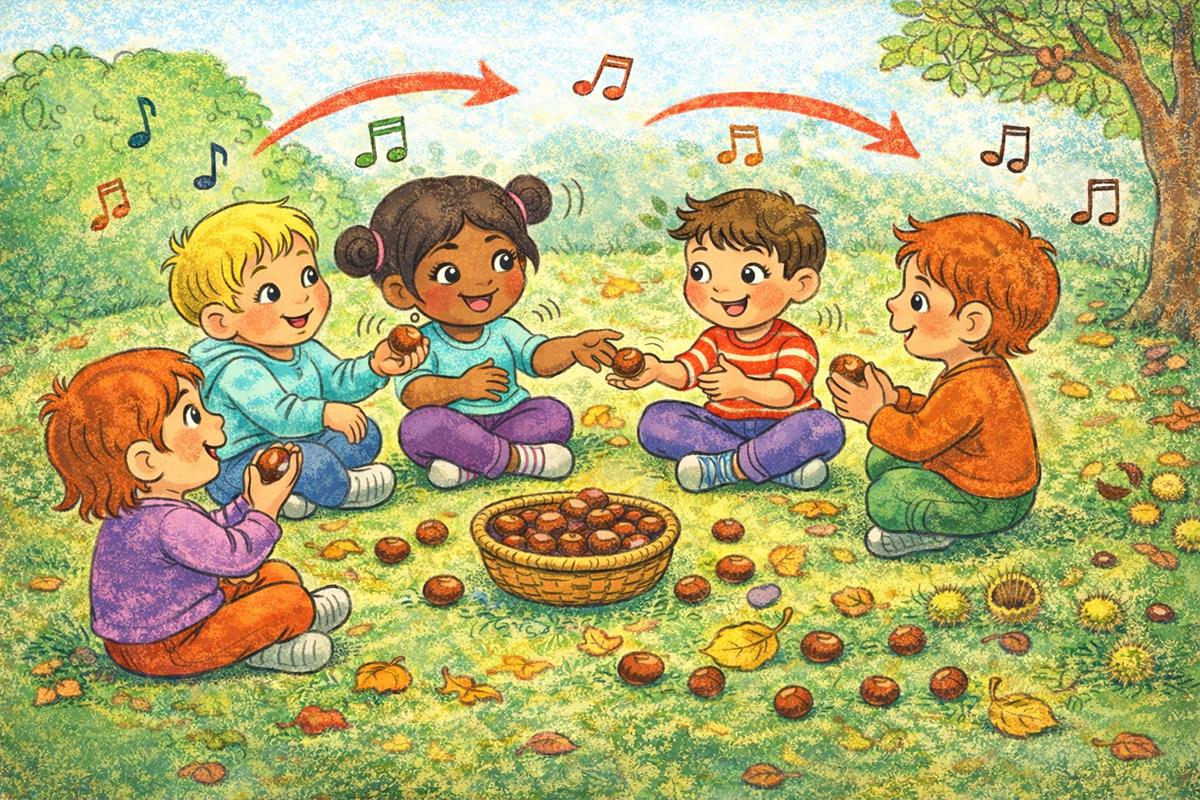
Sjedeći u krugu, djeca recitiraju stihove i ritmično prosljeđuju kesten iz ruke u ruku.
Kad brojalica završi, dijete koje drži kesten ispada iz igre.
Igra traje sve dok ne ostane jedno dijete – konačni „pobjednik“.
Potaknite vedru i suradničku atmosferu u kojoj je naglasak na ritmu, pažnji i sudjelovanju, a ne na natjecanju.
Refleksija
Pitajte djecu:
- Kako si se osjećao/osjećala tijekom igre?
- Što ti se najviše svidjelo?
- Što je bilo teško ili smiješno?
- Kako smo jedni drugima pomagali održati ritam?
Varijacije i dodatne ideje
Stavite kestene u plastične posudice kako biste izradili jednostavne zvečke.
Recitirajte brojalicu dok tresete zvečke u ritmu.
Krećite se ili plešite u ritmu brojalice koristeći zvečke kao udaraljke.
Matematička igra s kestenom i kockom (varijanta igre „Čovječe, ne ljuti se“).
Kesten
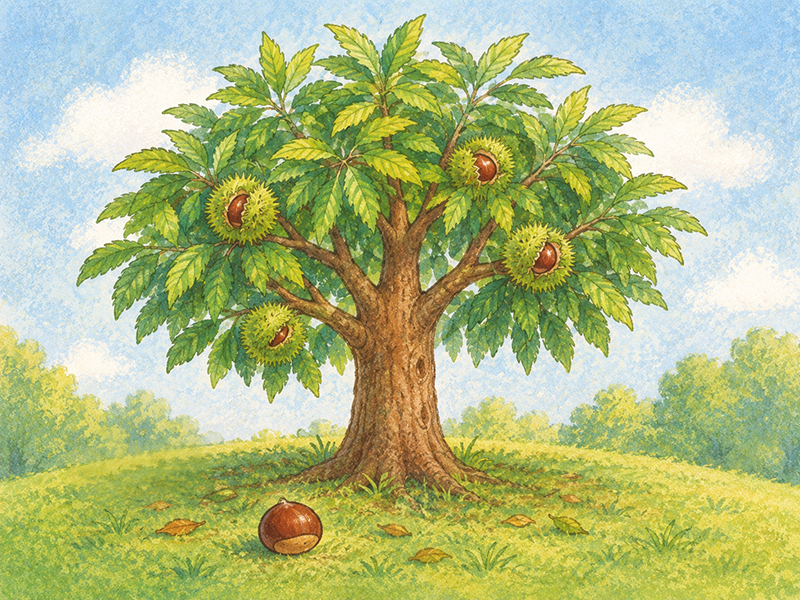
Jesen je stigla, ljeto je prošlo,
Kesteni padaju po travnjaku.
Ponekad ovdje, a ponekad tamo,
Tap, tap, posvuda tapkaju.
Grigor Vitez
Slike aktivnosti