Faces of How We Feel
 Funded by the European Union. Views and opinions expressed are however those of the author(s) only and do not necessarily reflect those of the European Union or the European Education and Culture Executive Agency (EACEA). Neither the European Union nor EACEA can be held responsible for them. |
 All contents, in particular texts, pictures and graphics, are protected by copyright. Unless expressly stated otherwise, copyright is held by sel.eduskills.plus and is licensed under Creative Commons Attribution - Non-commercial - Distribution under the same conditions 4.0 International license. They may be subject to the terms of the license. |
© 2026 sel.eduskills.plus
| Basic | |
| Age: 4-6 | |
| 10-15 min | |
| Children pick an emotion face, name the feeling, share examples, and place it on a wall to build a collection of emotions together. | |
| Self-regulation | |
| Growth mindset | |
| Cognitive task Conversation Parents | |
|
Preparation
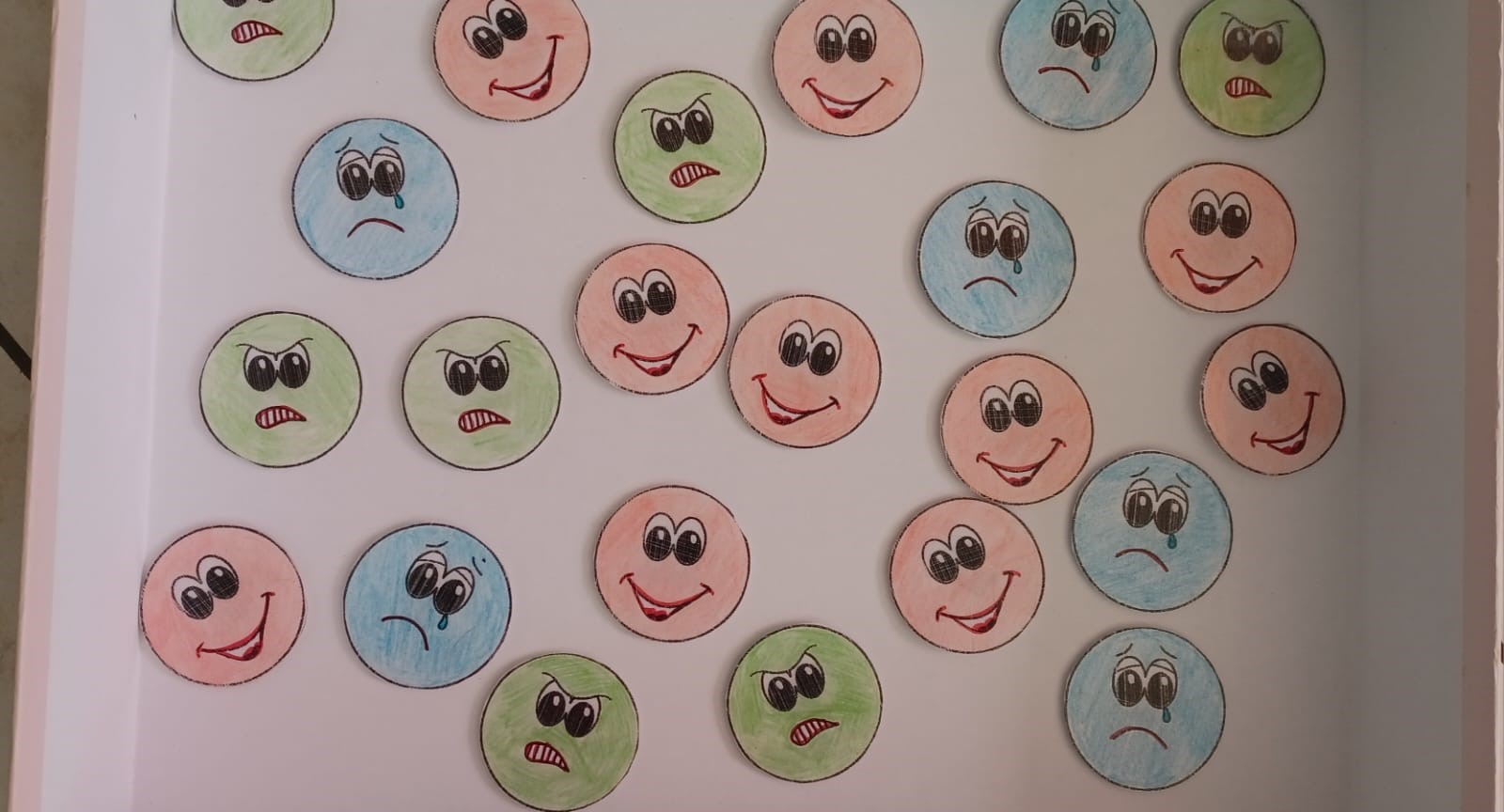
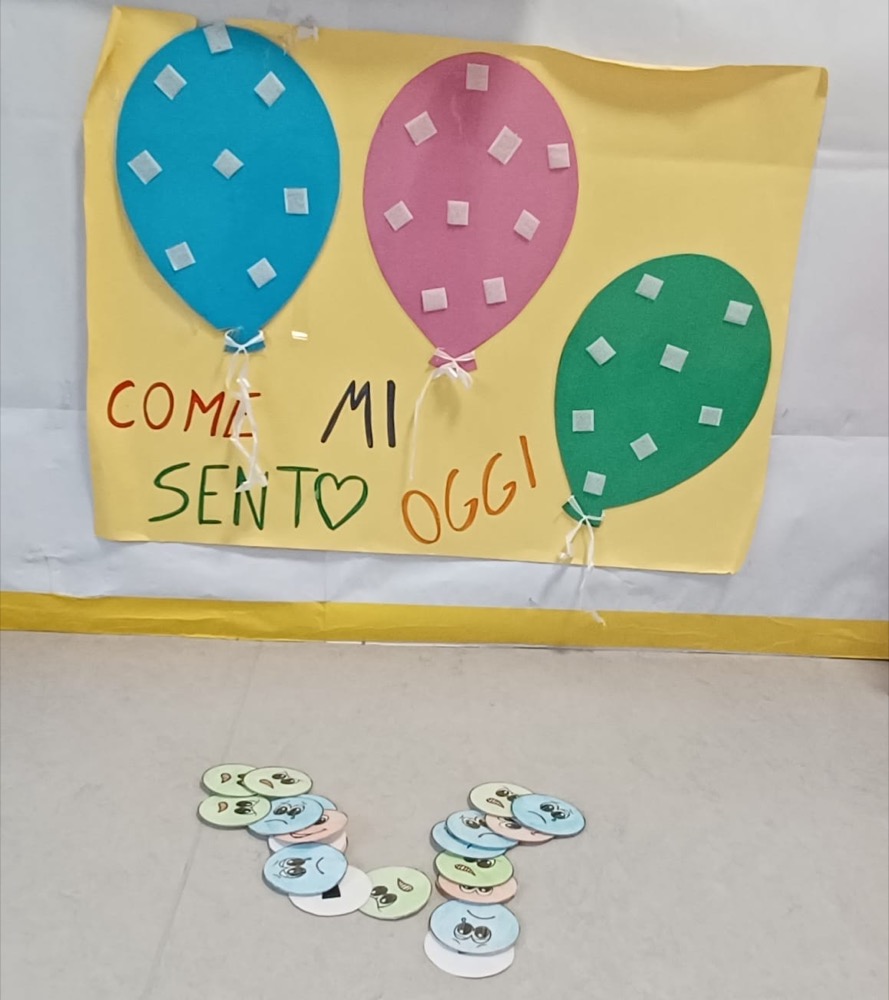
Use ready-made worksheet or prepare your own cards by printing and using laminator pouches. Gather all the emotion faces and place them in a box or basket for the children to choose from. Attach a piece of adhesive (such as double-sided tape or reusable sticky tack) to the back of each emotion so children can stick them on a surface or wall during the activity.
Implementation
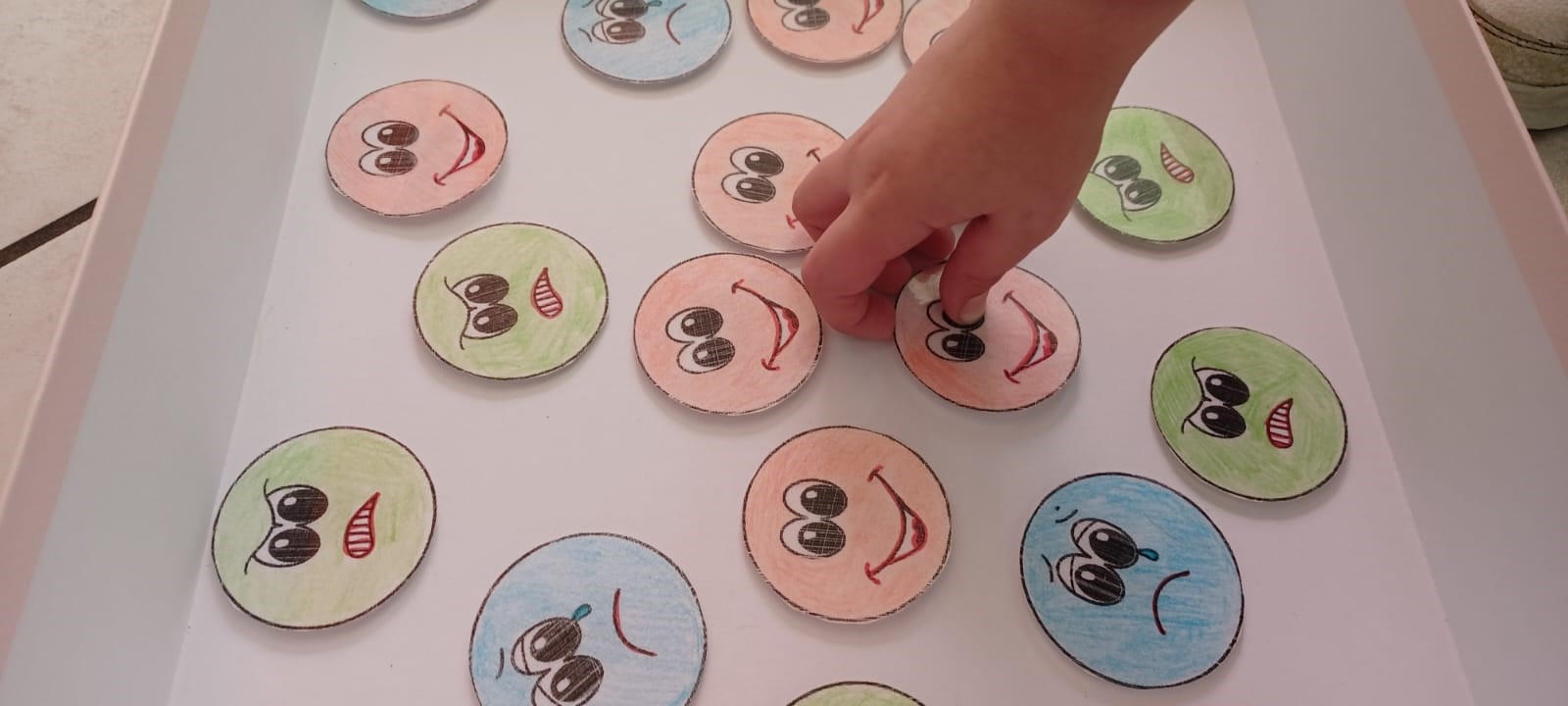
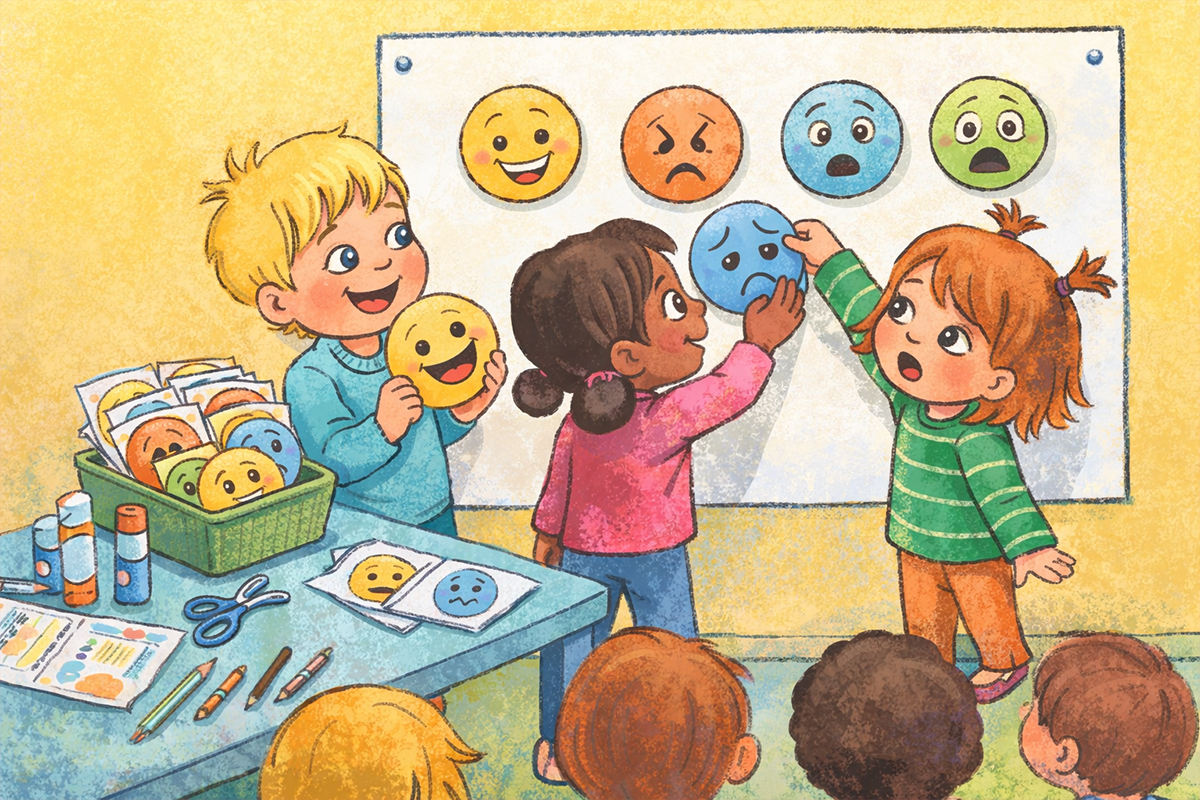
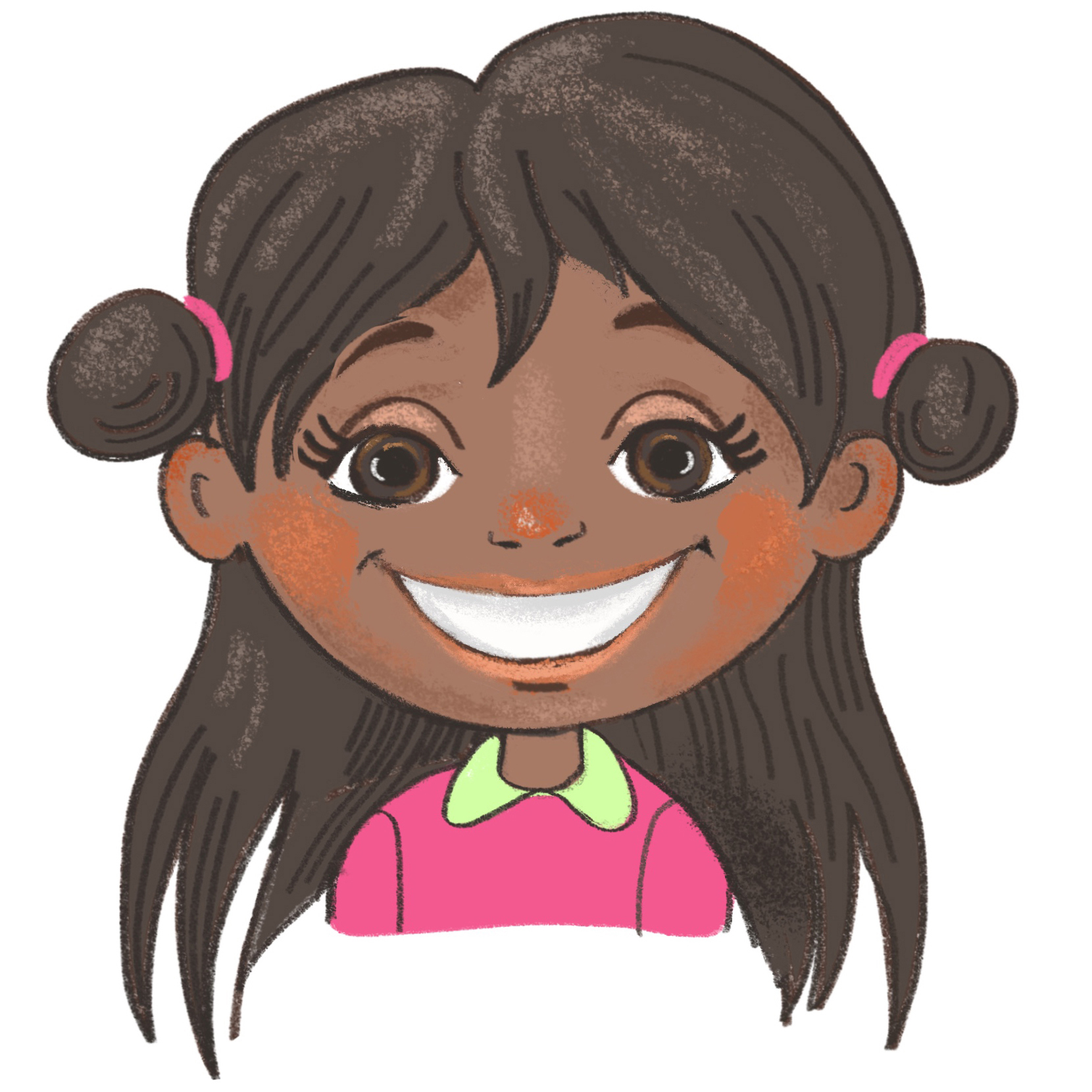
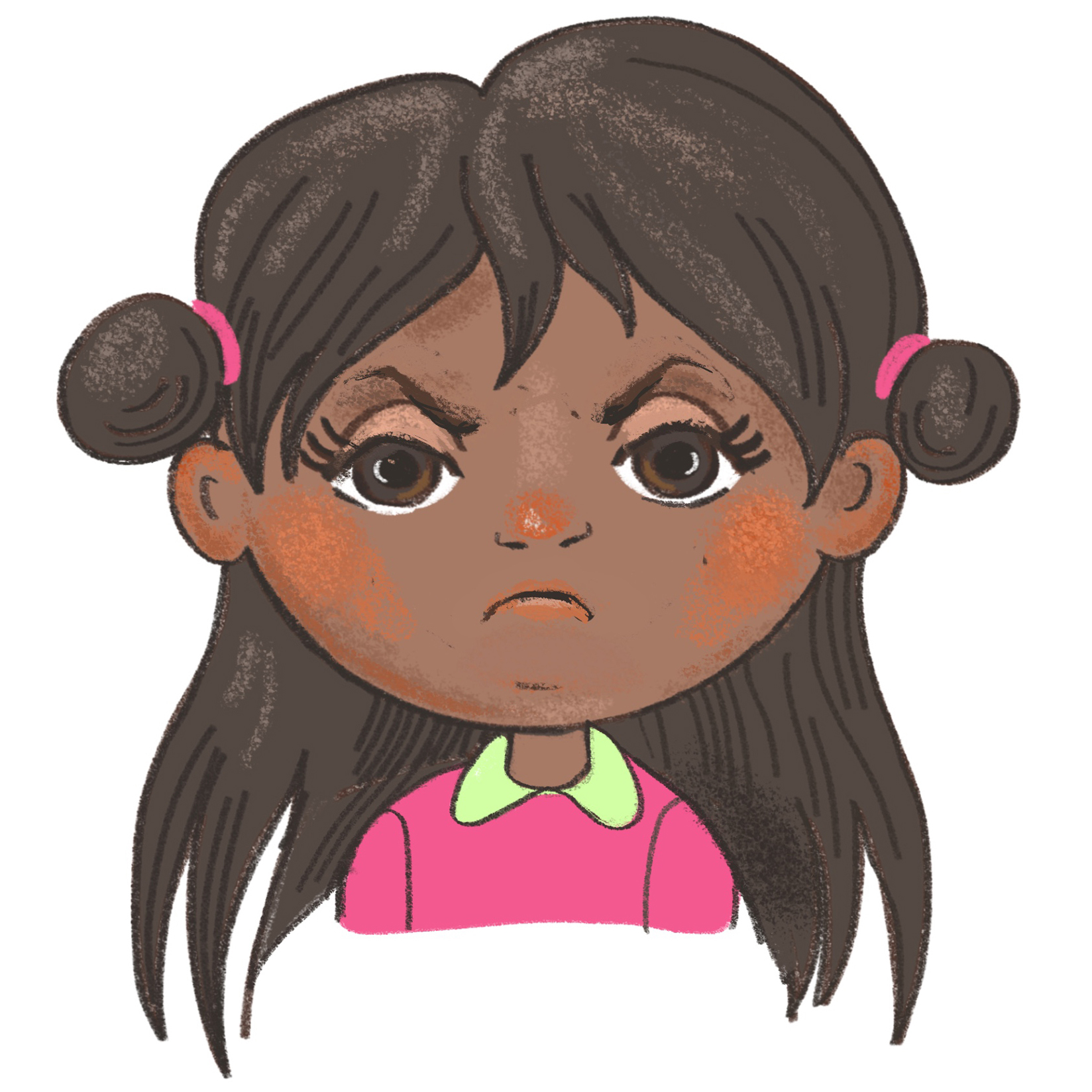
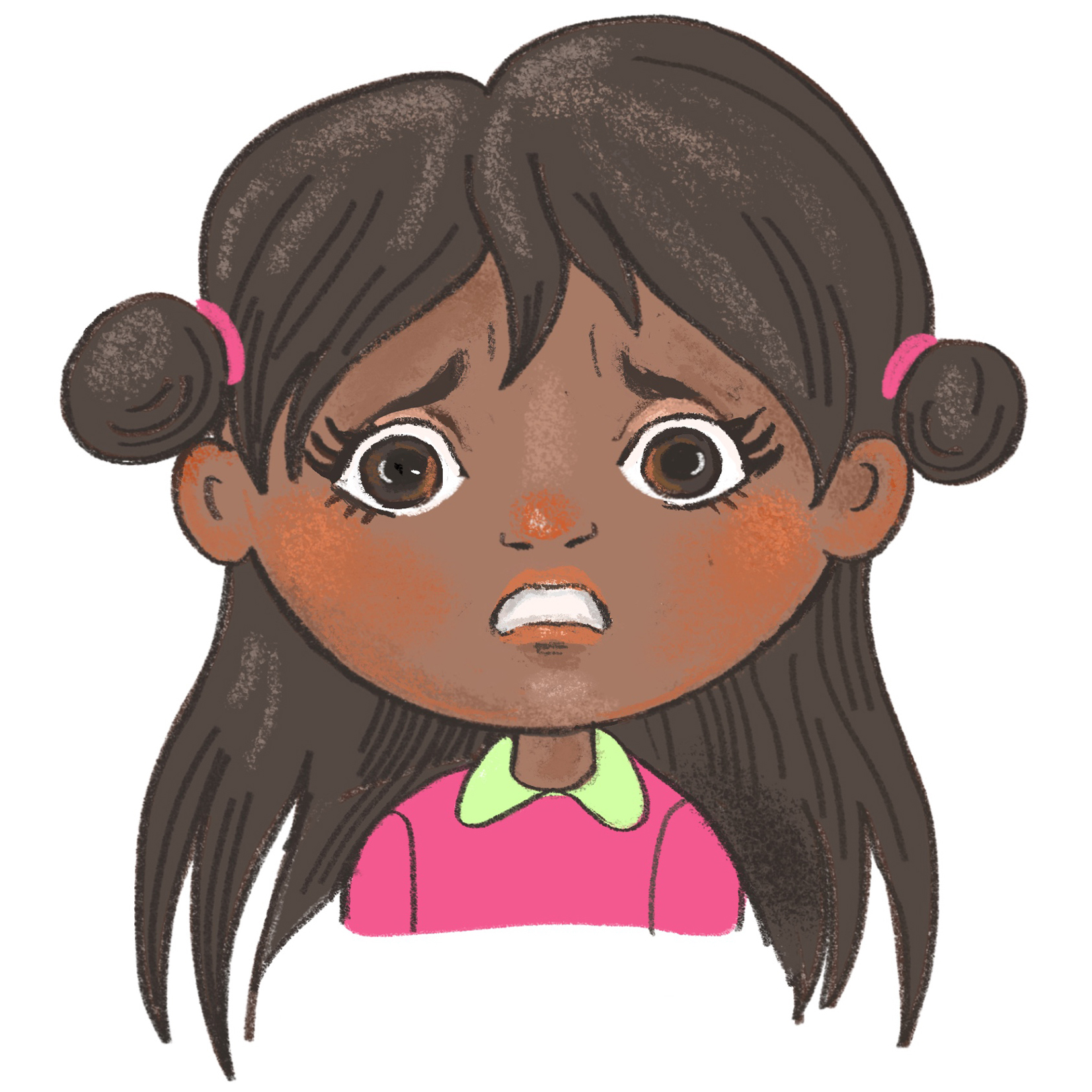
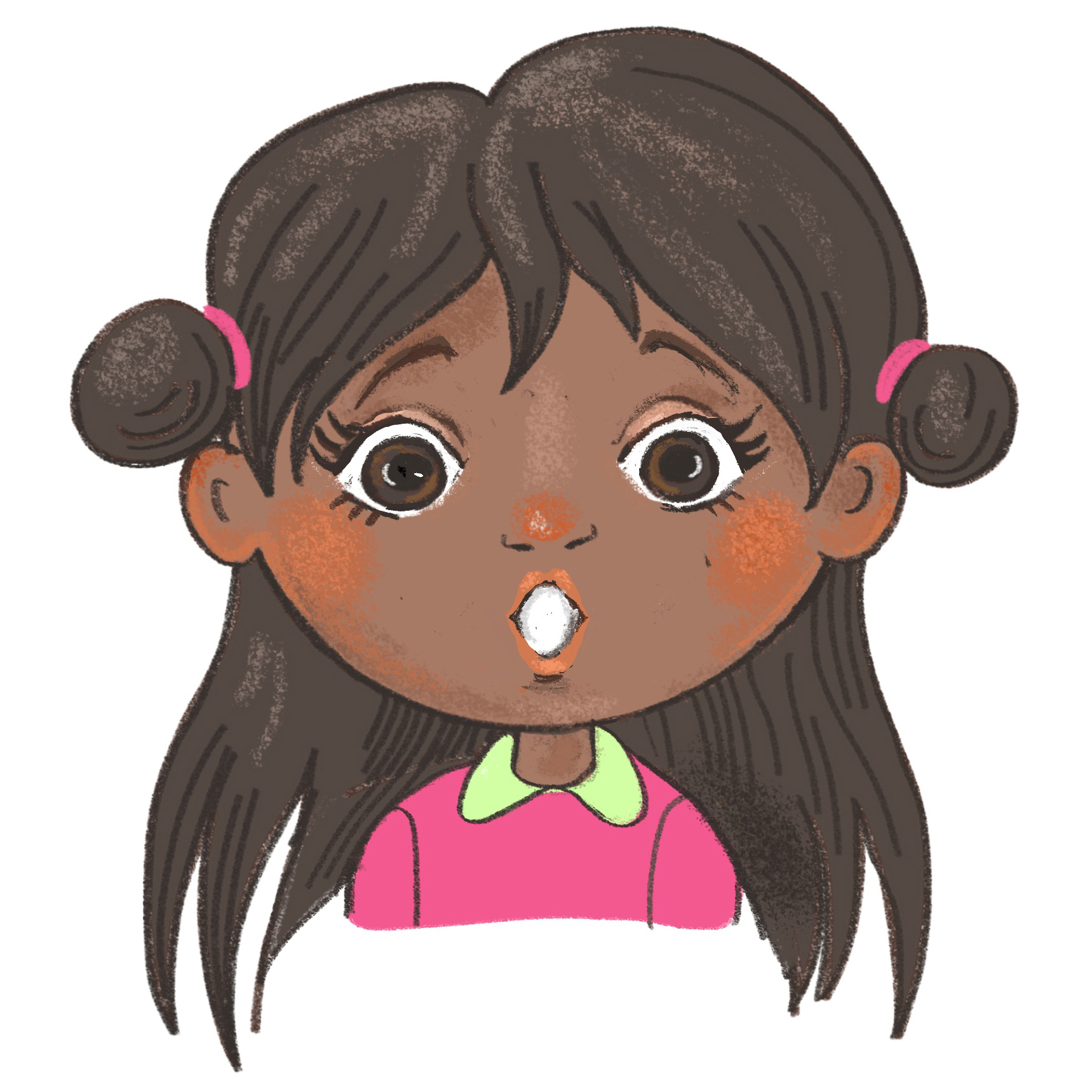
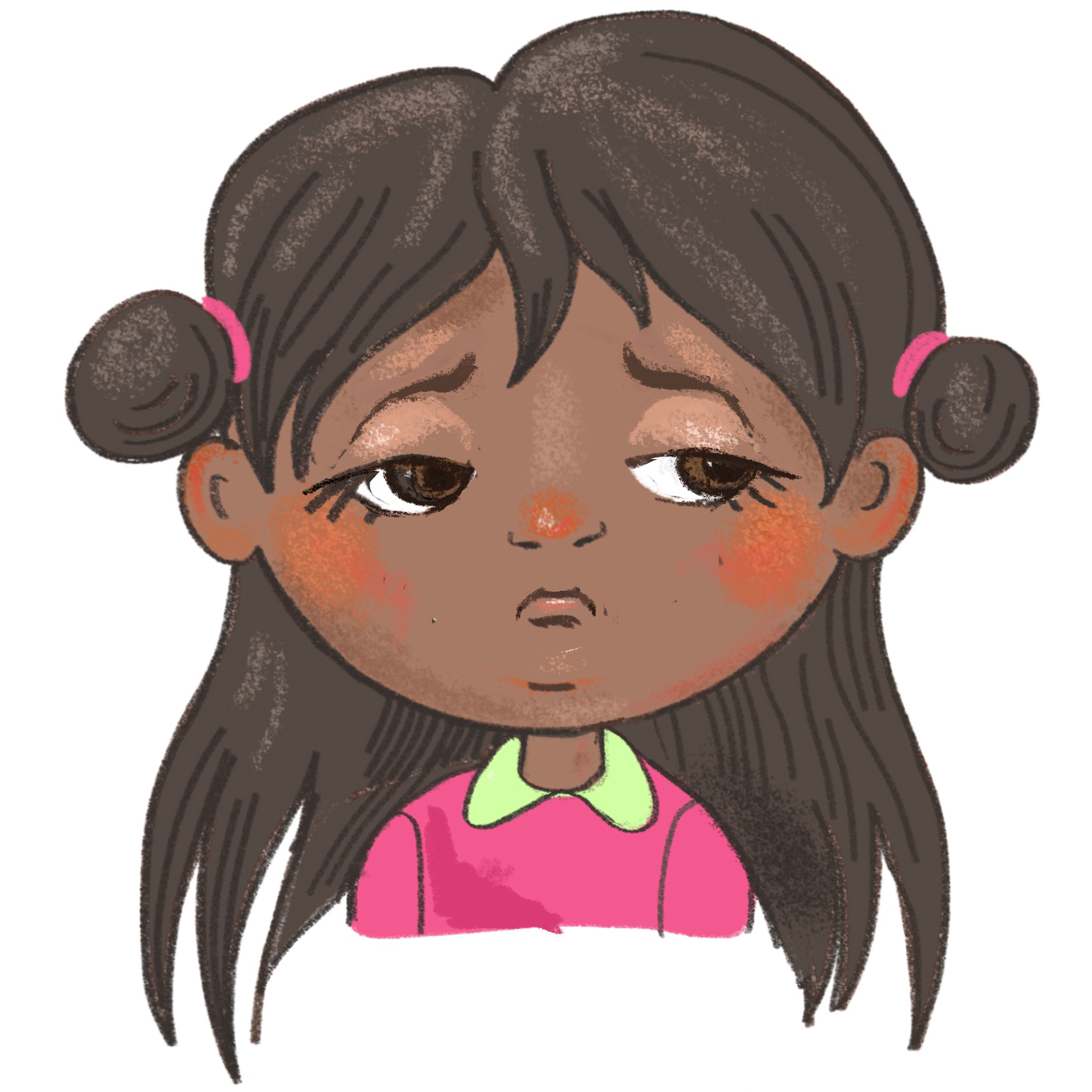
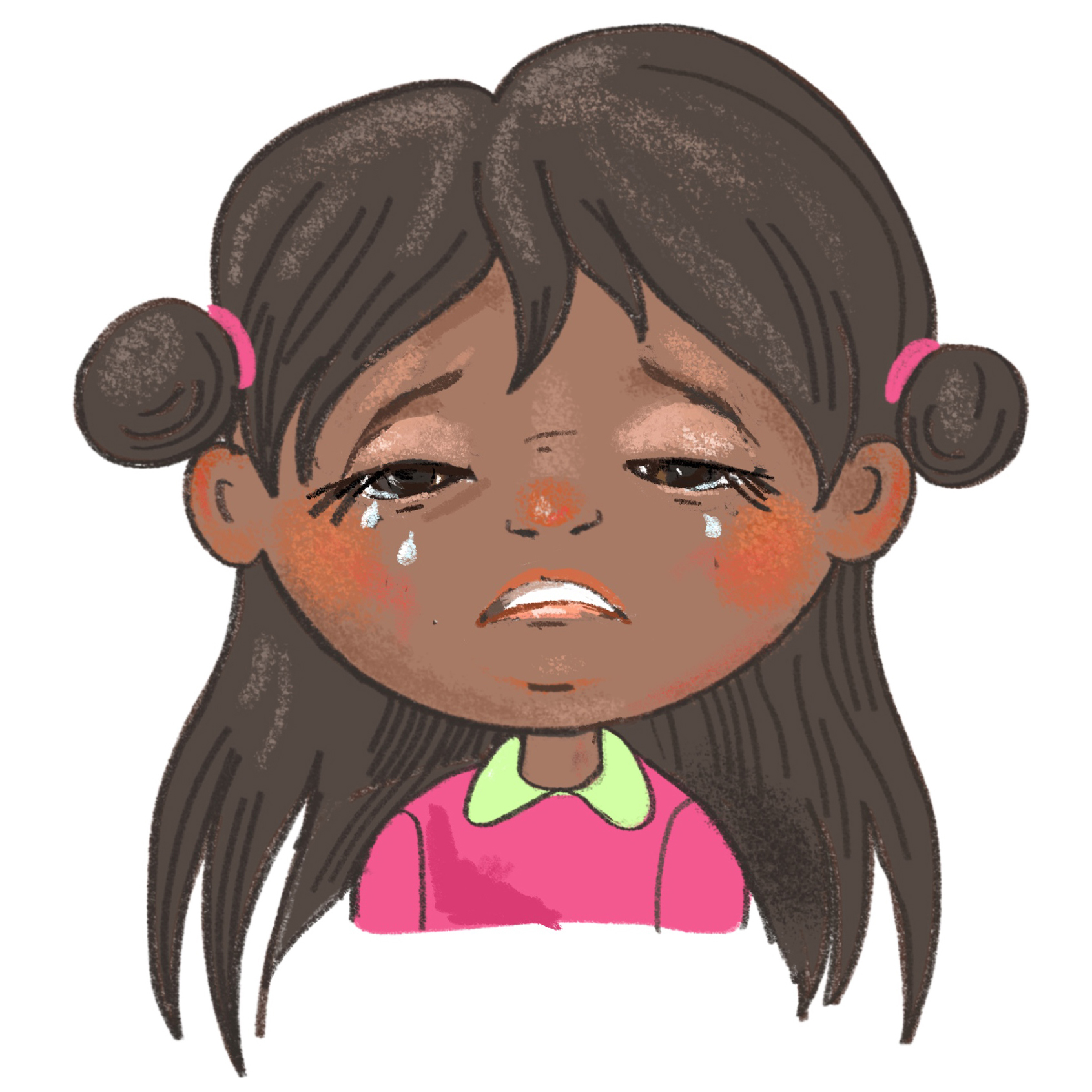
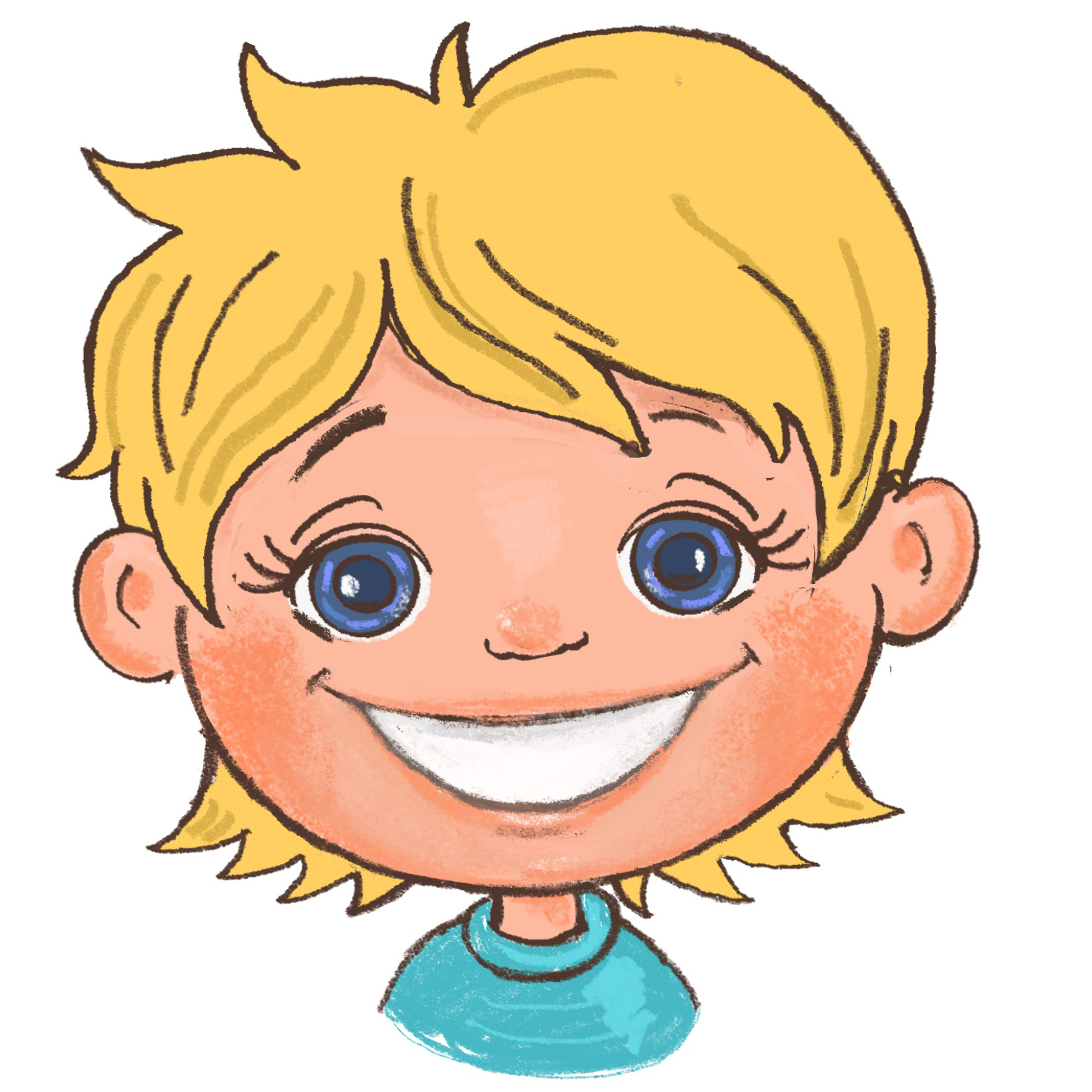
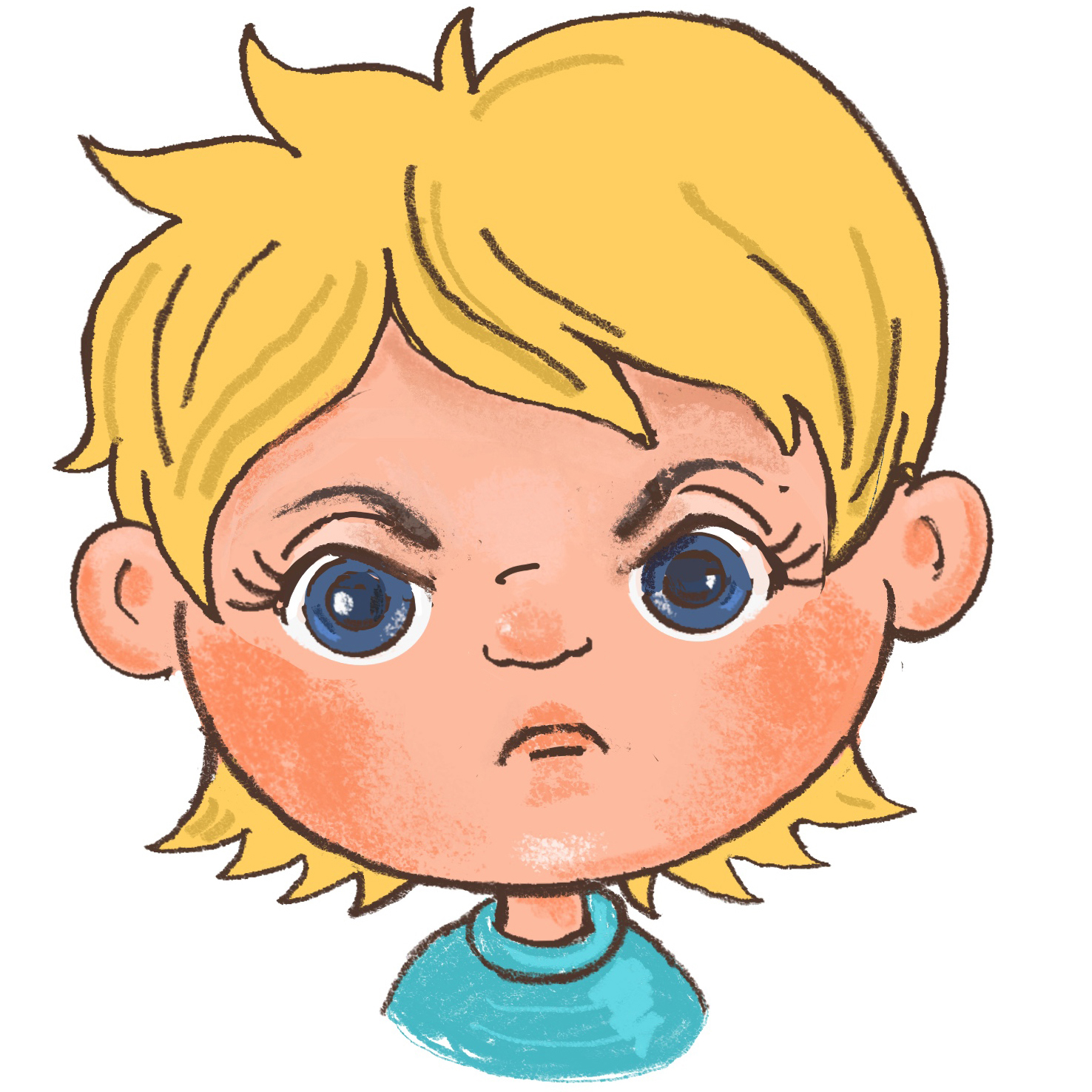
Each child takes a turn by standing up and choosing an emotion from a box or basket. Together with the group, they name the emotion shown on the face and talk about situations in which people might feel that way. Other children are encouraged to add their own ideas and examples.
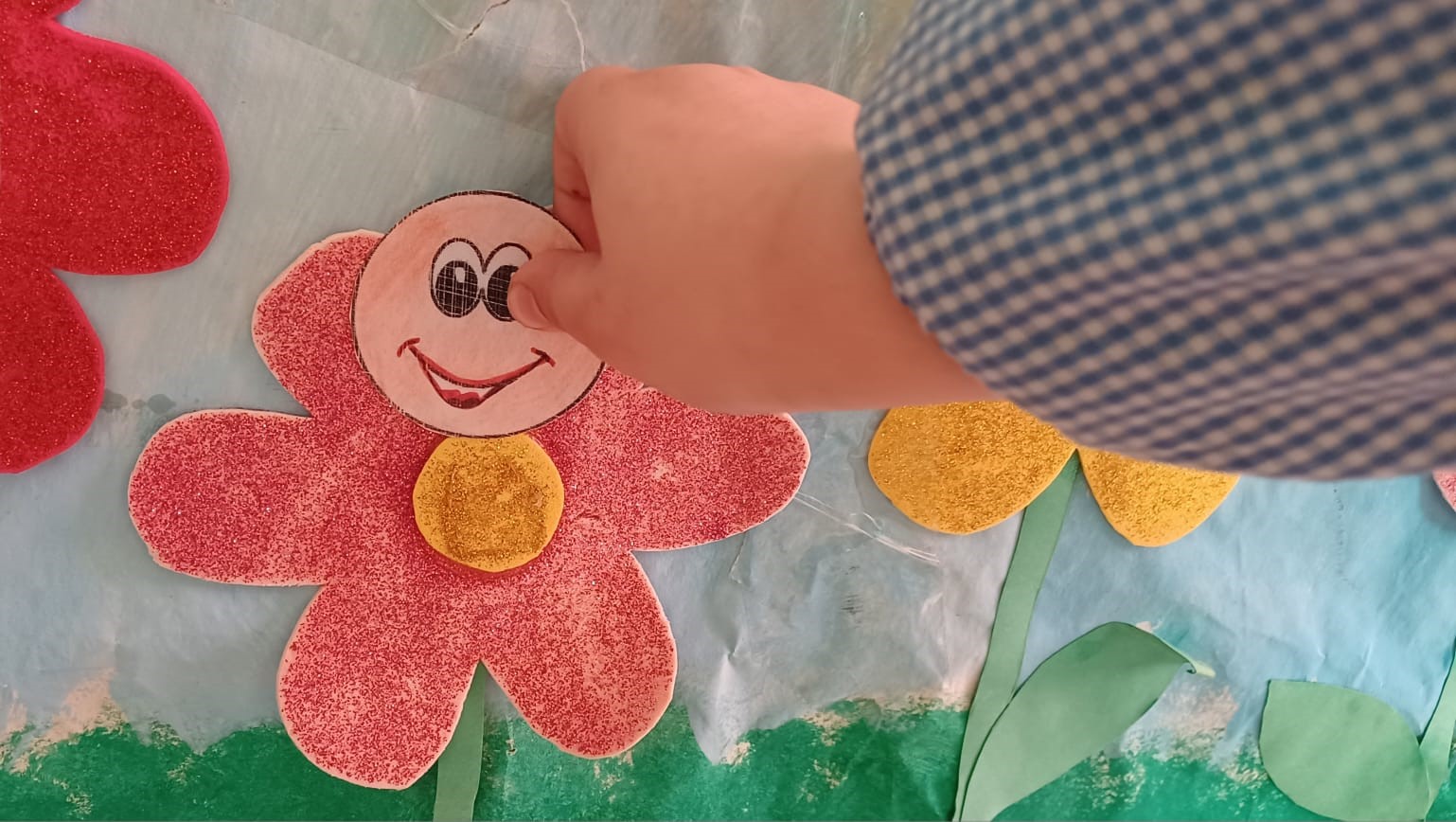
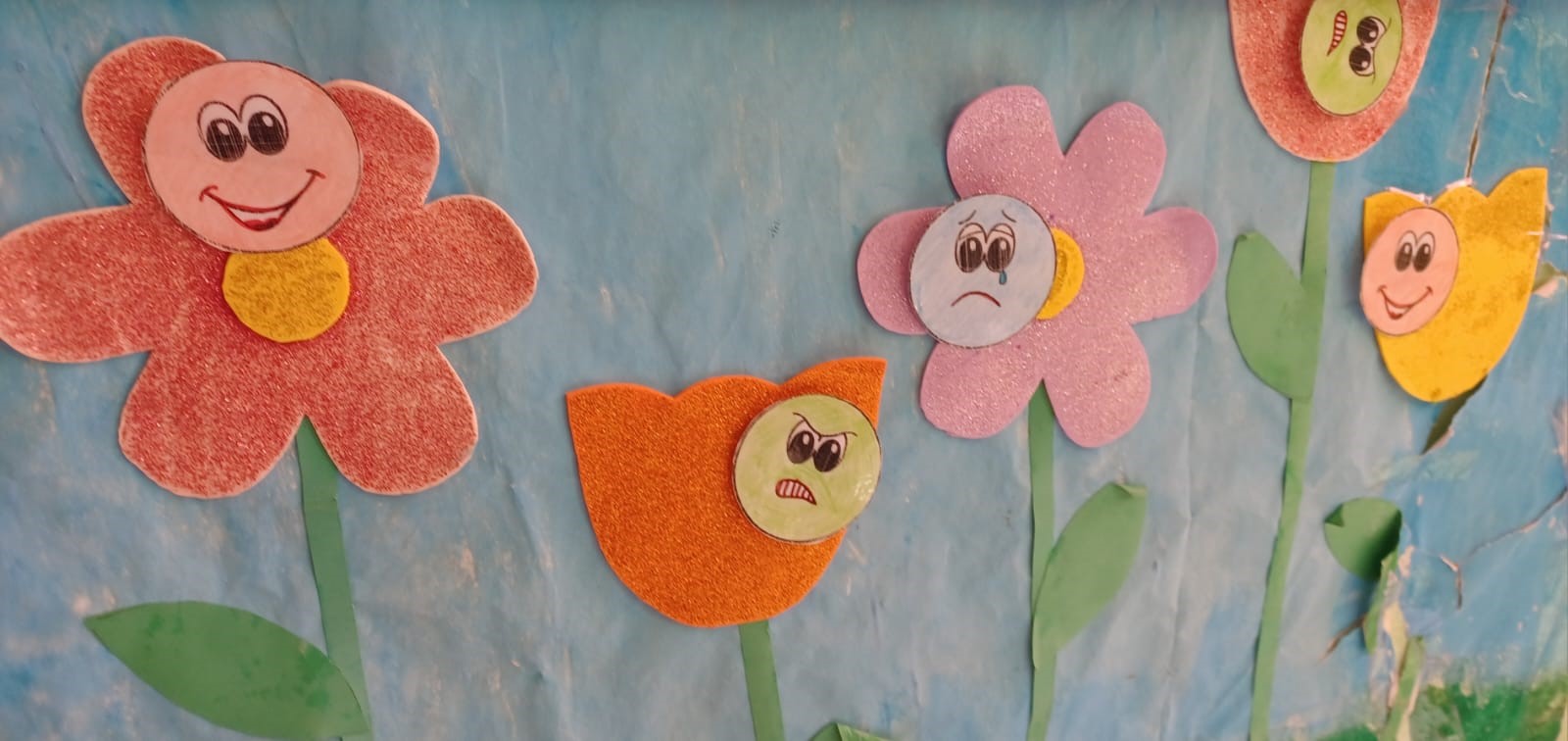
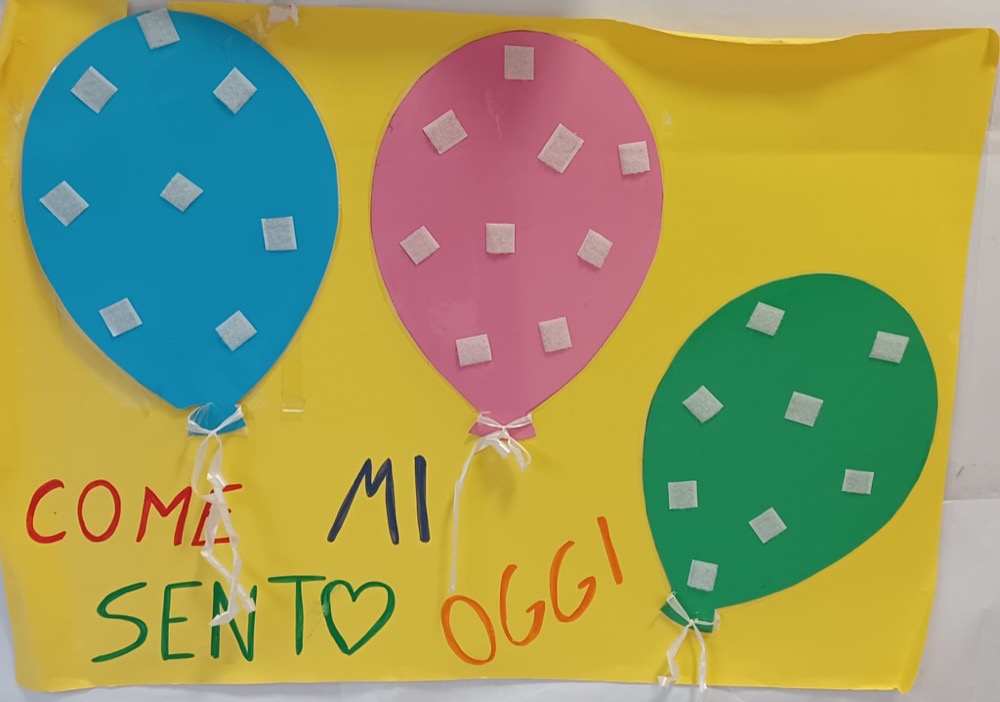
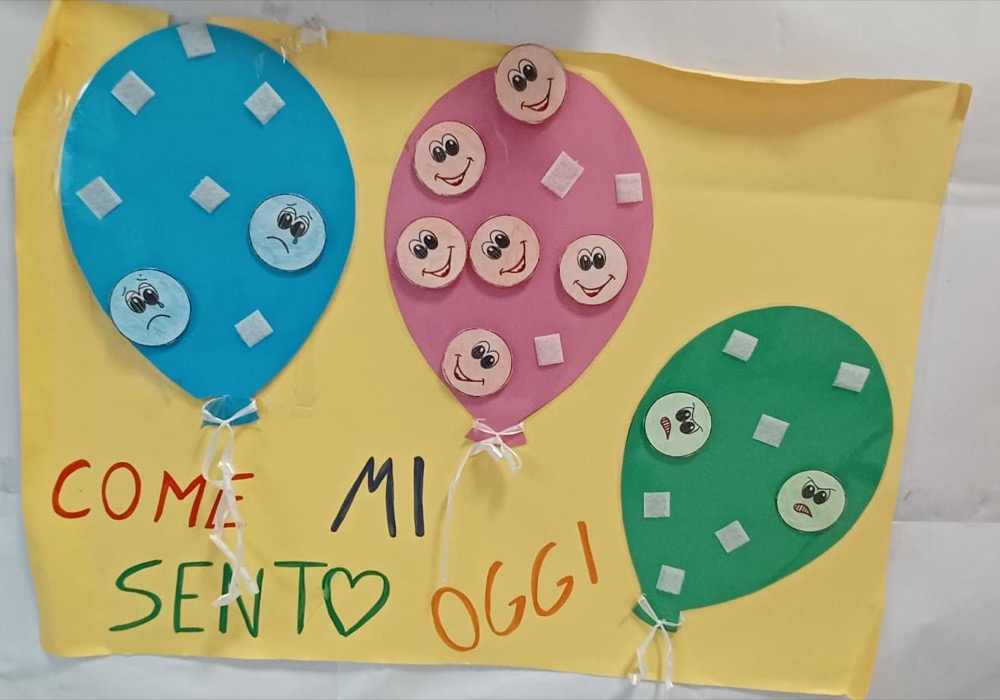
After the short discussion, the child sticks the chosen face onto a large poster or board where all the emotions will be collected.
Reflection
End with a group conversation about how the children felt during the game. Did they enjoy picking and talking about the feelings? Would they like to play again another day?
Variations and Additional Ideas
Prepare extra situation cards showing different everyday scenes that might trigger emotions (e.g. a child taking away a toy from another child). These pictures can support children in understanding the task and help them express their ideas more easily.
Start with the basic emotions: joy, sadness, anger, surprise, and fear. Later, you can expand the activity by adding more complex feelings like shame, disgust, or pride.
You can also invite children to choose an emotion that represents how they are feeling right now. Encourage them to share why they feel that way, if they are comfortable doing so.
Worksheet "Emotions" 1
|
|
|
|
|
|
Worksheet "Emotions" 2
|
|
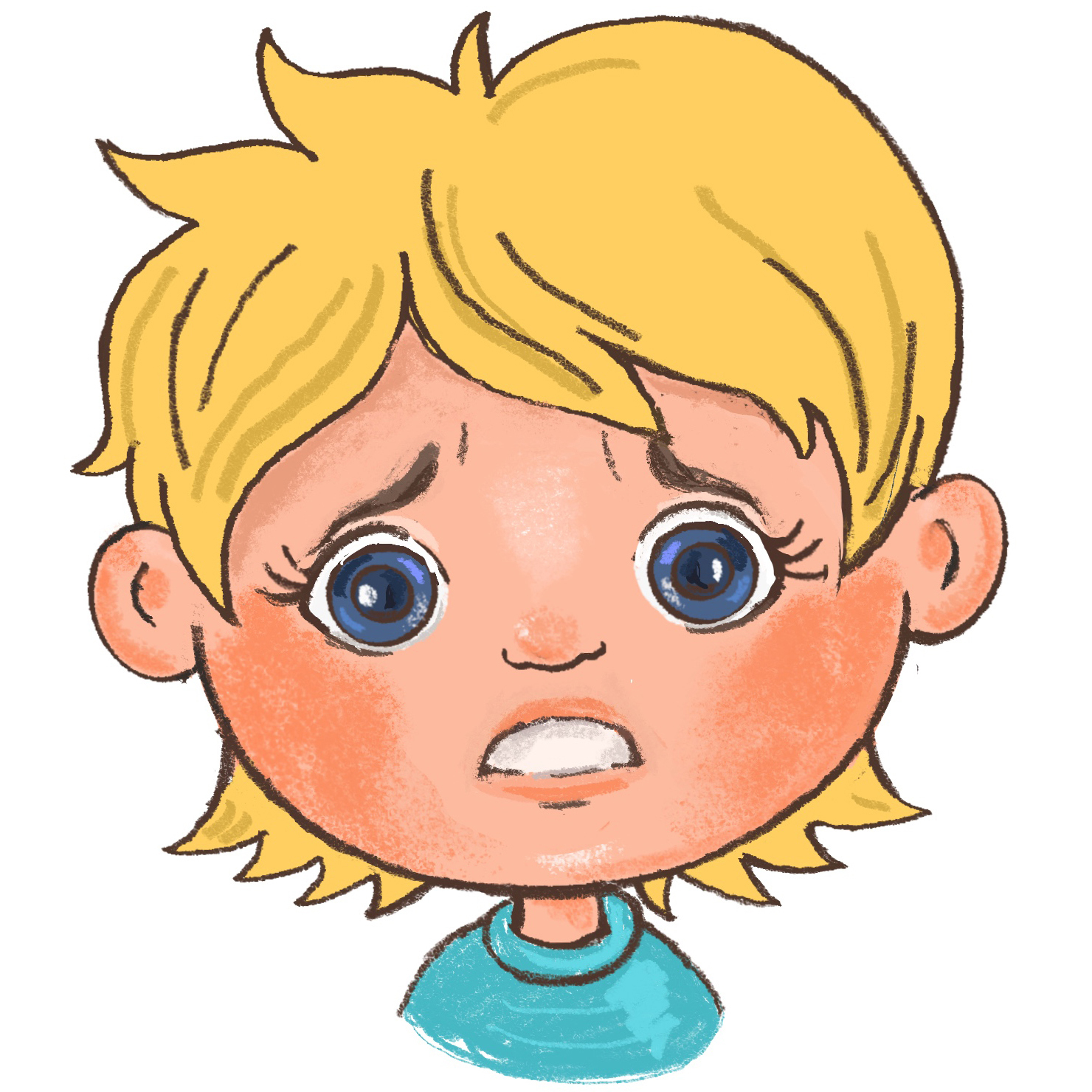
|
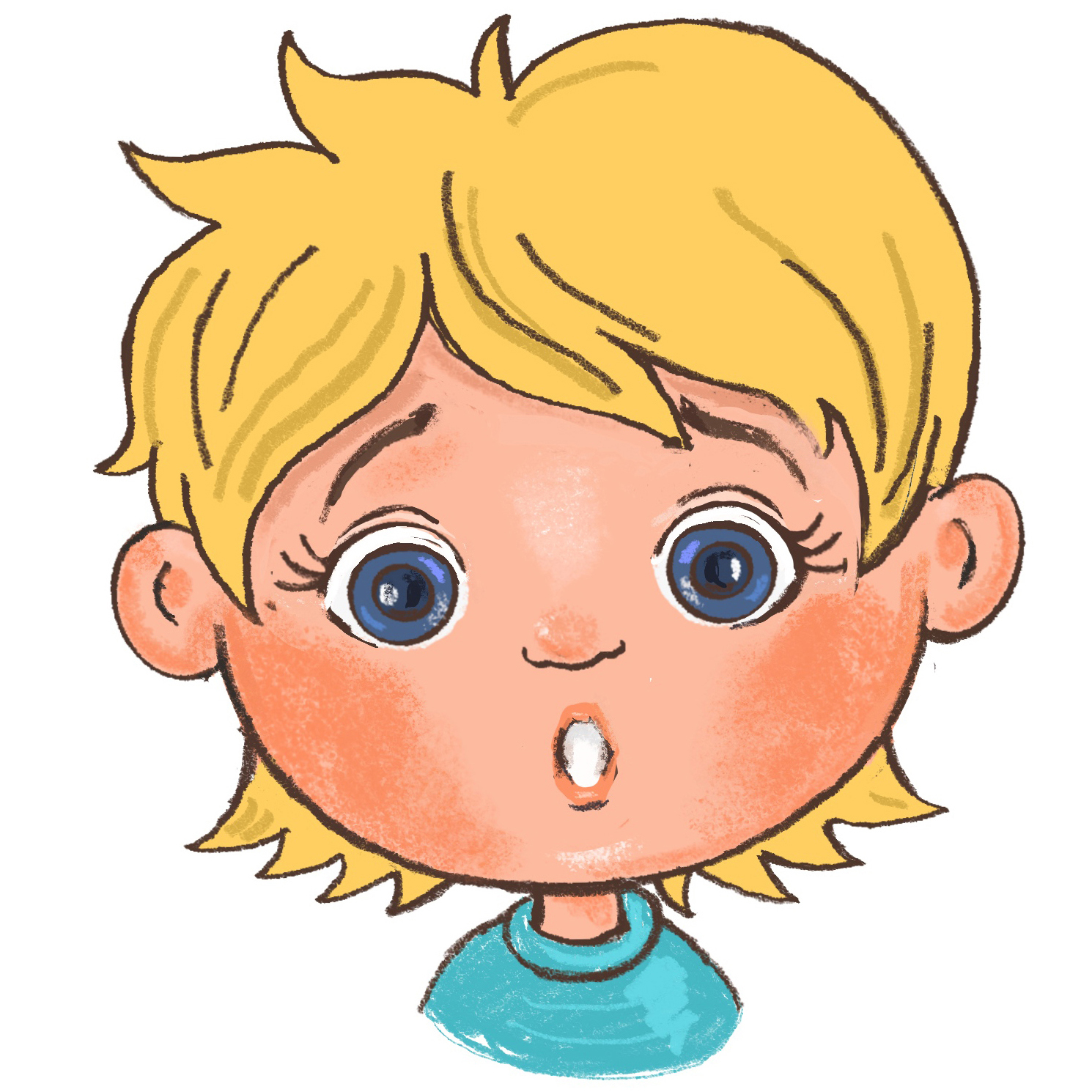
|
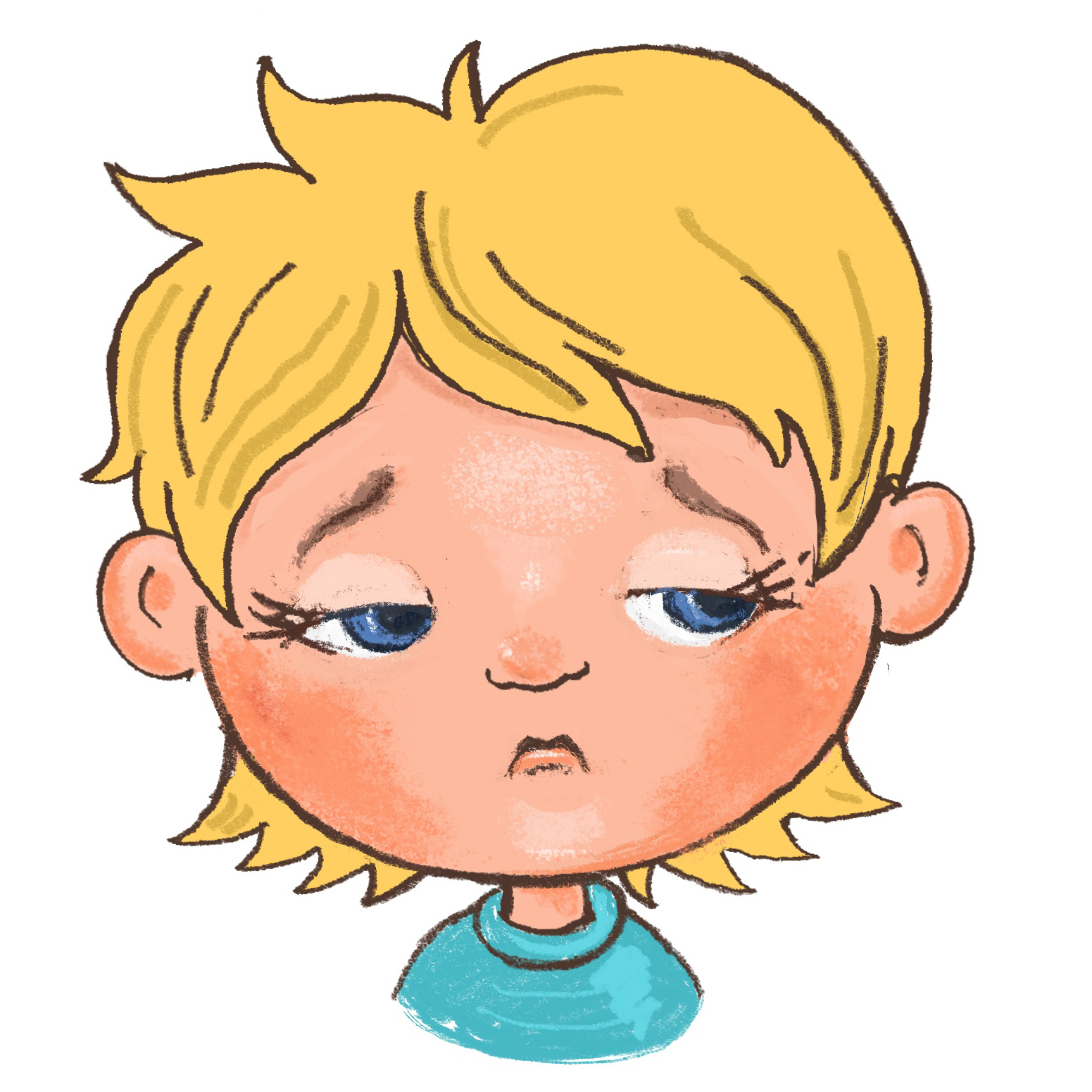
|
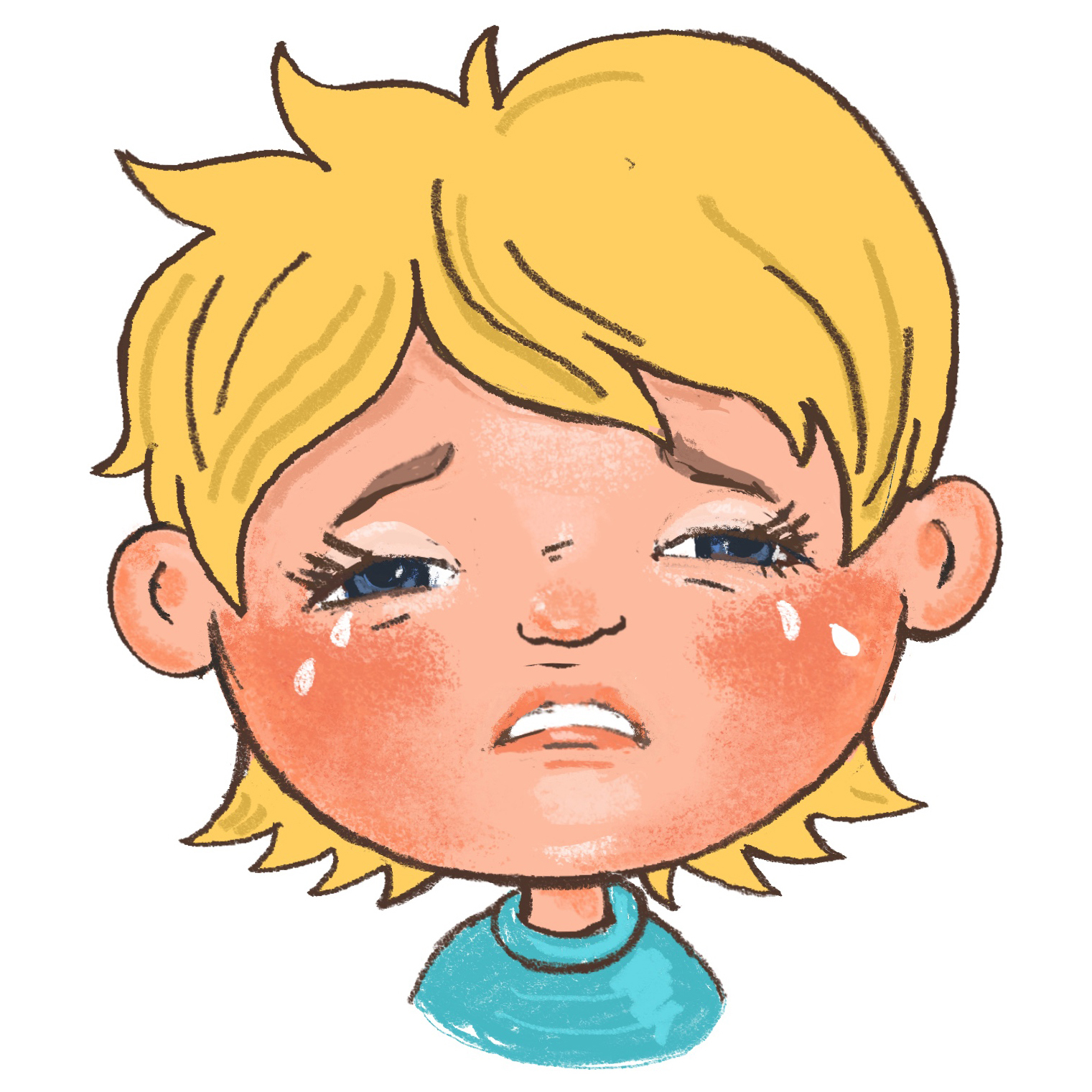
|
Photos of the Activity