The Dice of Emotions
 Funded by the European Union. Views and opinions expressed are however those of the author(s) only and do not necessarily reflect those of the European Union or the European Education and Culture Executive Agency (EACEA). Neither the European Union nor EACEA can be held responsible for them. |
 All contents, in particular texts, pictures and graphics, are protected by copyright. Unless expressly stated otherwise, copyright is held by sel.eduskills.plus and is licensed under Creative Commons Attribution - Non-commercial - Distribution under the same conditions 4.0 International license. They may be subject to the terms of the license. |
© 2026 sel.eduskills.plus
| Basic | |
| Age: 4-6 | |
| 10-15 min | |
| Children roll the Dice of Emotions. They name the emotion and try to mimic them. | |
| Self-regulation | |
| Wellbeing | |
| Conversation Parents | |
|
Preparation
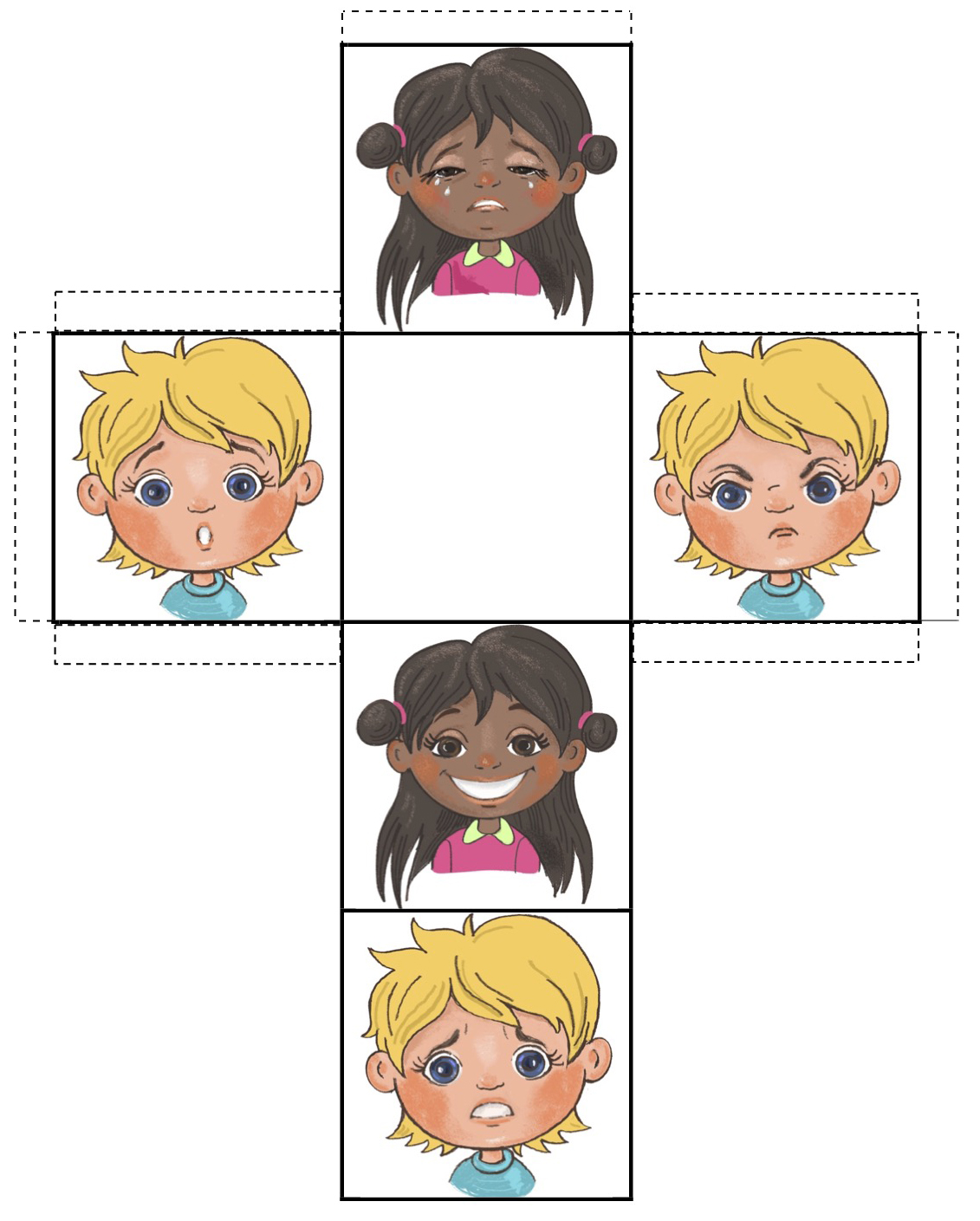
Use the worksheet "Dice of Emotions" to assemble your cube. Each side shows a pre-made emotion face: sadness, anger, happiness, surprise, and fear. One side of the worksheet is intentionally left blank so children can draw, suggest, and name an additional emotion they know or feel. This creates space for more variety and gives children a sense of ownership over the game.
Implementation
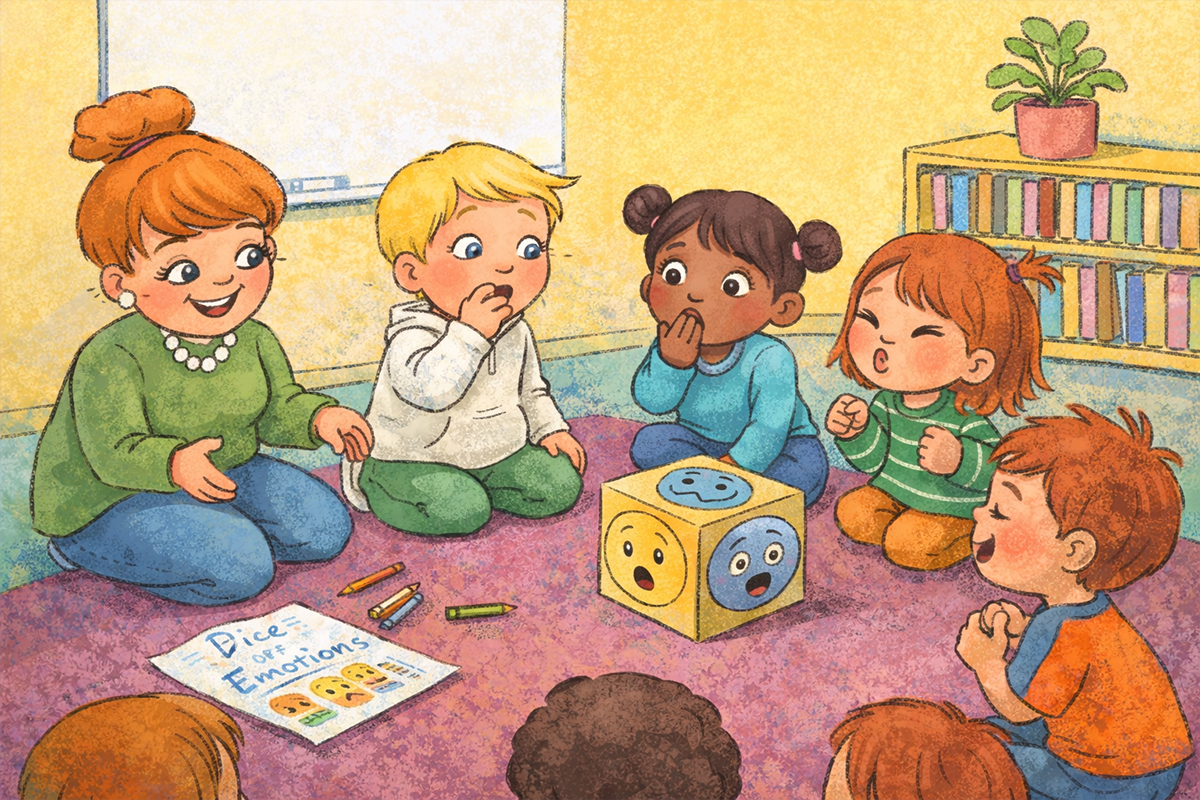
Start by explaining that the Dice of Emotions will help the group practice recognizing and expressing feelings. Take a moment to show the dice and name each emotion together. Explain that when someone rolls the dice, everyone will try to guess the emotion shown on top, name it, and act it out - using their face, body, or movements.
Let the children get used to the game first. Take your time and make sure everyone feels safe, understands the task, and enjoys playing. There is no need to move on to other activities until all children feel confident and included.
Let different children take turns rolling the dice. As a group, try to identify the emotion, say its name, and act it out together - not just with your face, but with your whole body and movements if you like. Repeat several times, allowing as many children as possible to take a turn.
Reflection
After playing, gather the group for a short conversation about how they felt during the activity. Did they enjoy it? Did they find it easy or tricky to show different emotions?
Ask if they have new ideas for how to use the Dice of Emotions in other games or activities.
Use their feedback to help you decide what to do next, making sure the activities stay fun and comfortable for everyone.
Variations and Additional Ideas
Passing Game
Each child takes a turn rolling the dice, recognizes and names the emotion, then passes the dice to the next child to continue the game.
Memory Sharing and Drawing
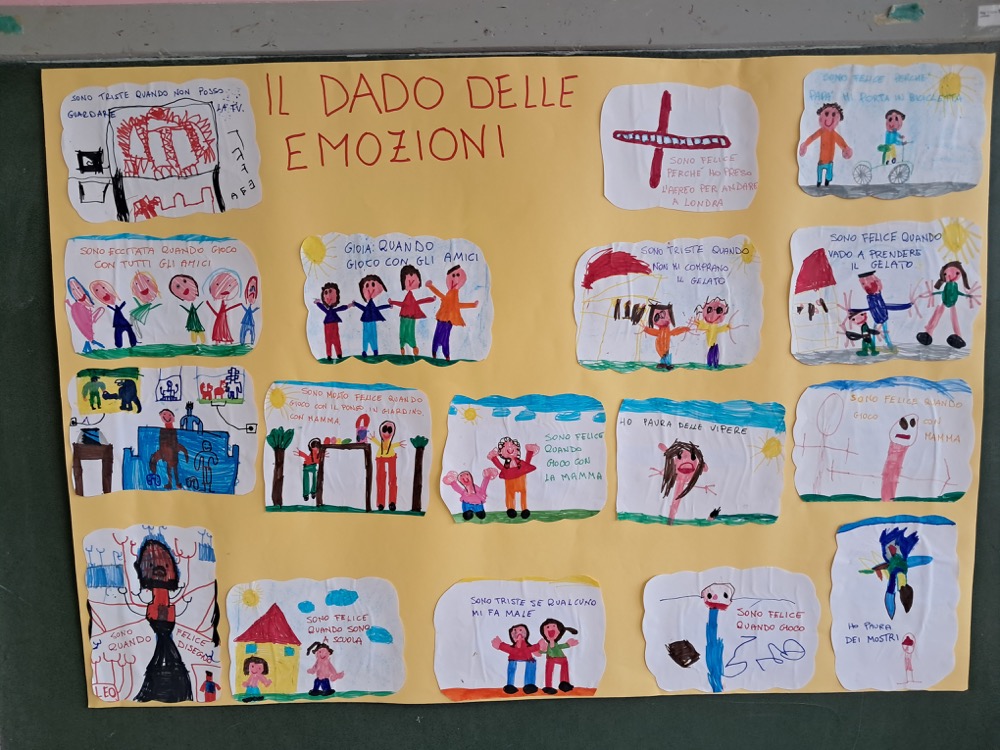
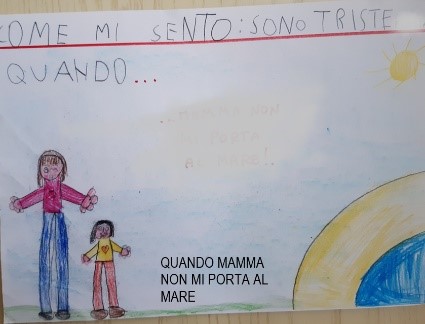
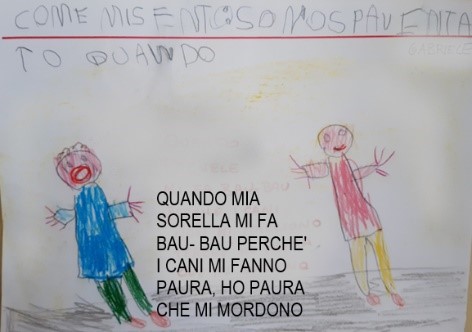
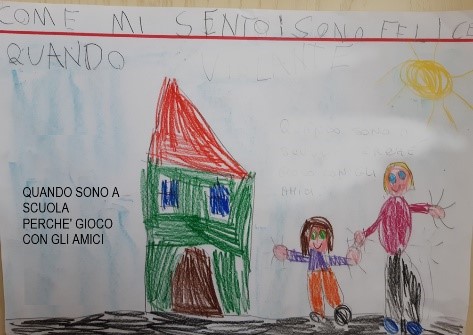
After rolling the dice and naming the emotion, the child shares a moment when they felt that way. They can also draw a picture to represent their story. If children don’t want to share, this is respected.
Problem-Solving Talk
When the dice shows a challenging emotion like sadness, anger, or fear, the group talks about possible strategies to feel better. E.g.:
- What helped you when you felt sad?
- What did you do when you felt scared?
Guess the Emotion Game
One child rolls the dice in secret, acts out the emotion without naming it, and the group tries to guess which emotion was rolled.
Worksheet "Dice of Emotions"
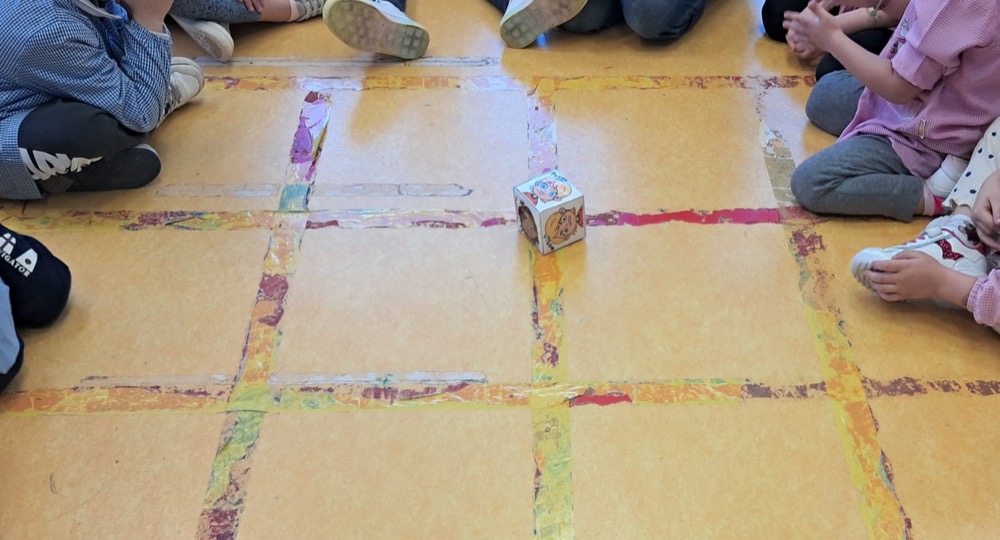
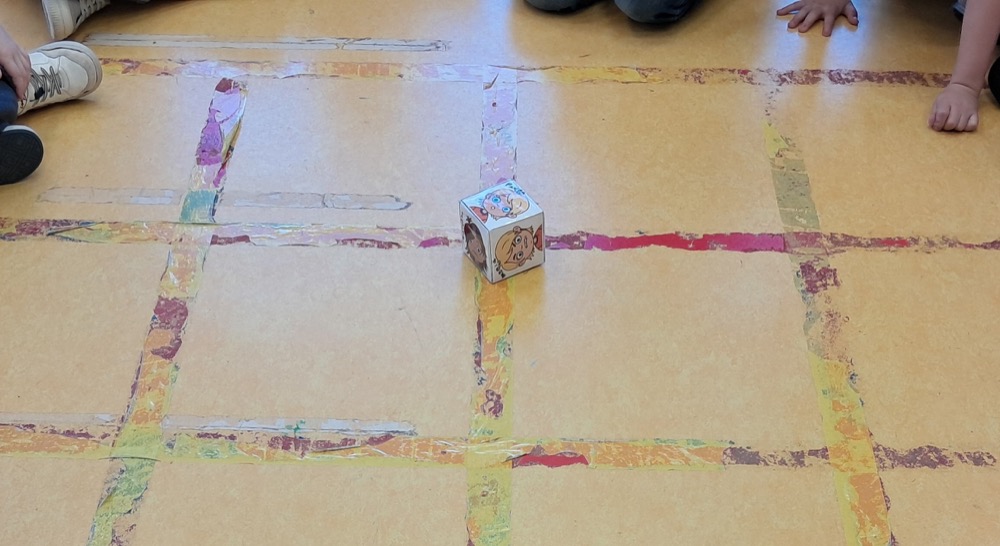
Photos of the Activity