Memory of Smells - Exploring and Matching Scents
 Funded by the European Union. Views and opinions expressed are however those of the author(s) only and do not necessarily reflect those of the European Union or the European Education and Culture Executive Agency (EACEA). Neither the European Union nor EACEA can be held responsible for them. |
 All contents, in particular texts, pictures and graphics, are protected by copyright. Unless expressly stated otherwise, copyright is held by sel.eduskills.plus and is licensed under Creative Commons Attribution - Non-commercial - Distribution under the same conditions 4.0 International license. They may be subject to the terms of the license. |
© 2026 sel.eduskills.plus
| Basic | |
| Age: 4-6 | |
| 20-30 min | |
| Children experience different smells outdoors. They create scented bags and use them for a memory game. Children develop their senses, strengthen communication skills and stimulate attention and memory. | |
| Self-regulation | |
| Cognitive task Conversation Movement Outdoors Parents | |
|
Preparation
Sensory Exploration and Bag Making
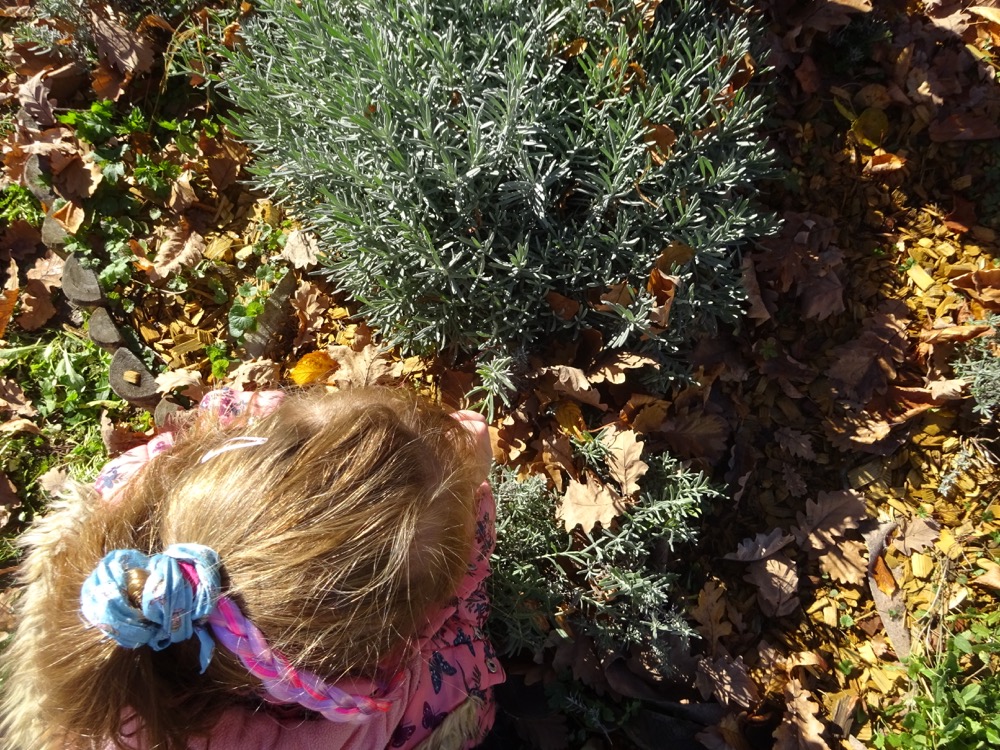
Go for a walk outdoors or around the playground and invite the children to pay attention to different smells in the environment. Encourage them to describe the smells in their own words and to share whether they like or dislike each one.
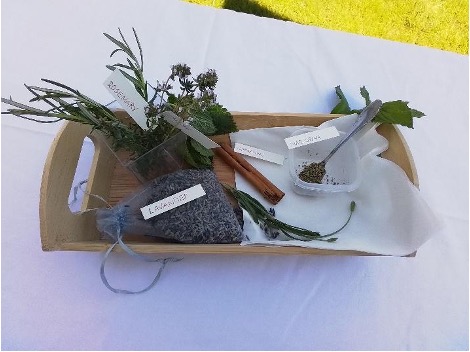
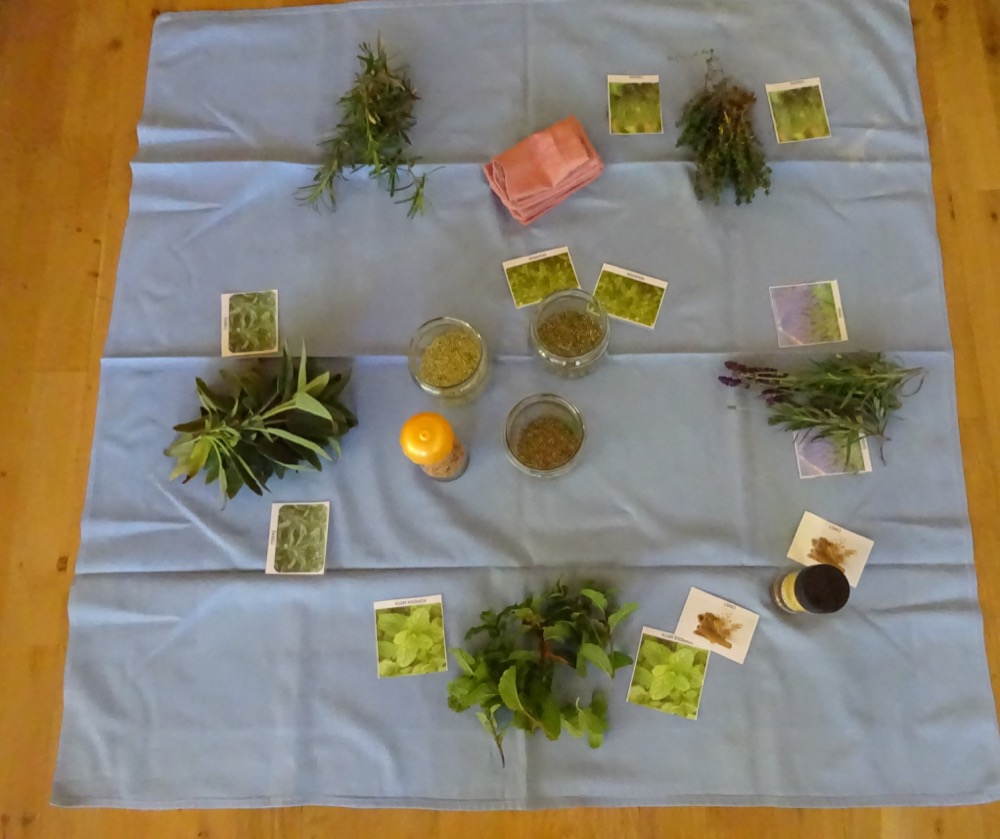
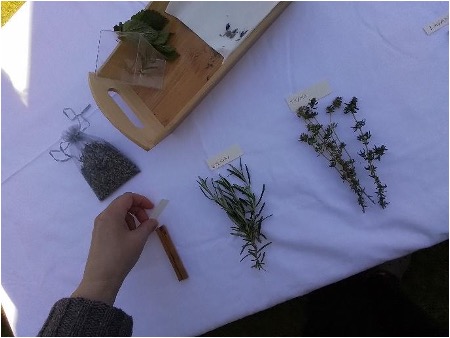
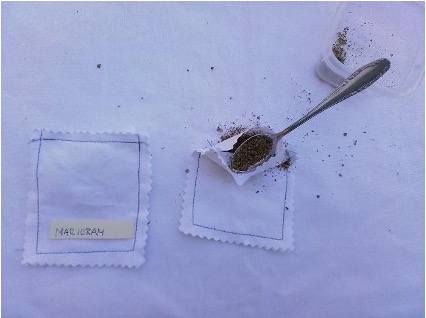
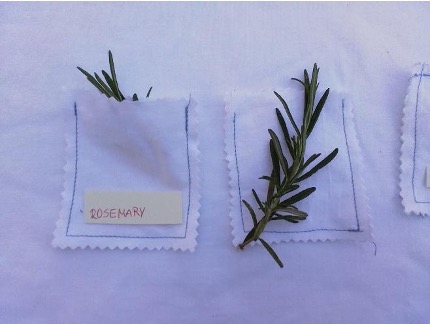
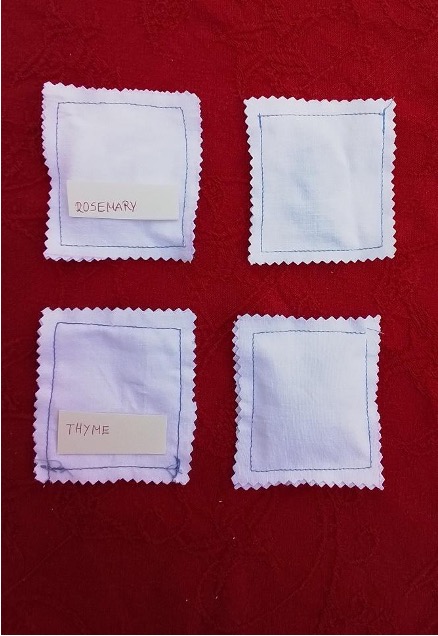
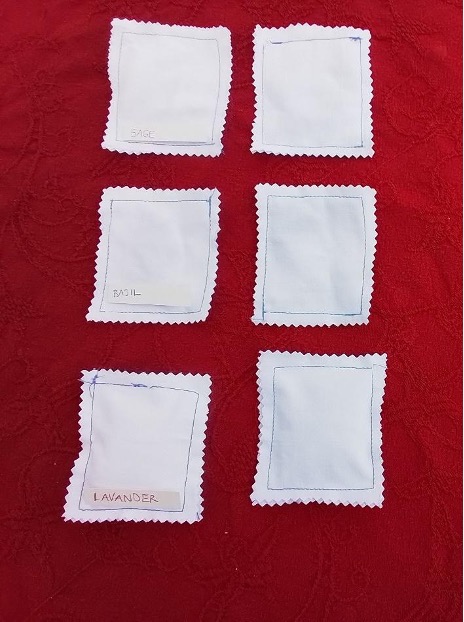
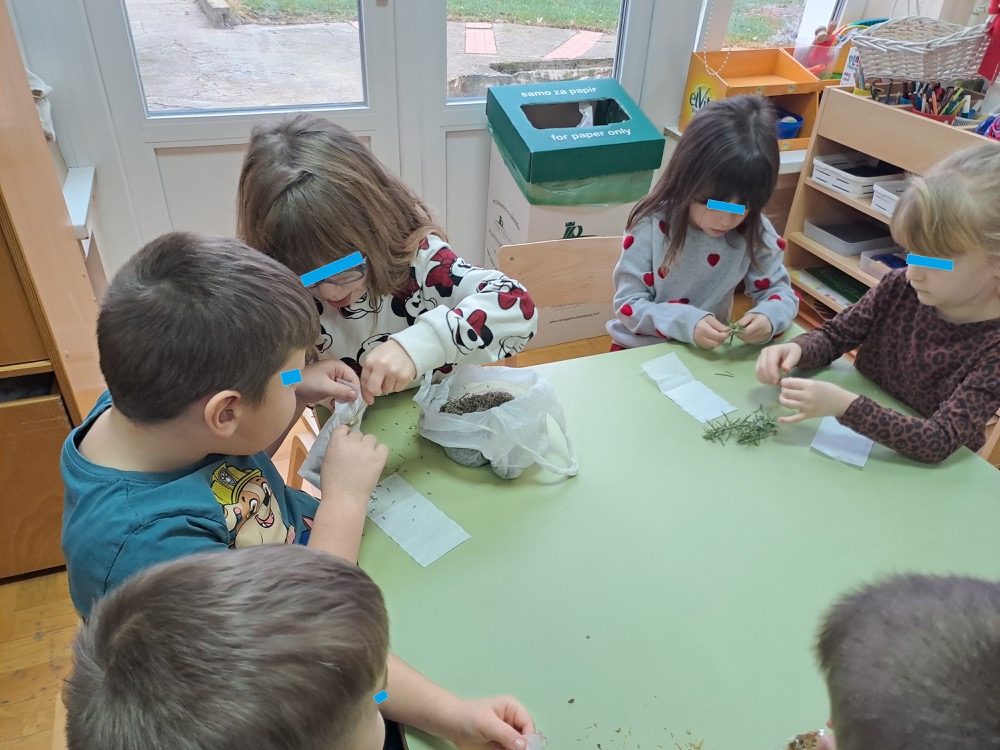
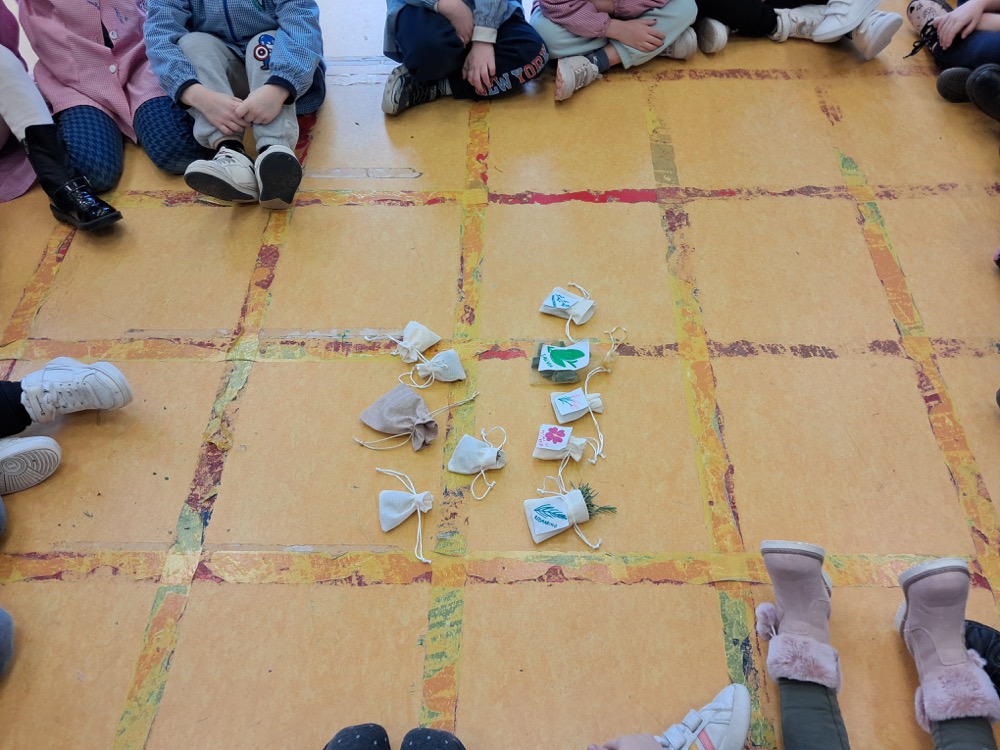
Together, prepare scented bags using thin, opaque fabric (secured with knots, glue, or stitching). You’ll need two bags for each scent. Collect dried herbs and spices such as lavender, thyme, rosemary, peppermint, and rose petals.
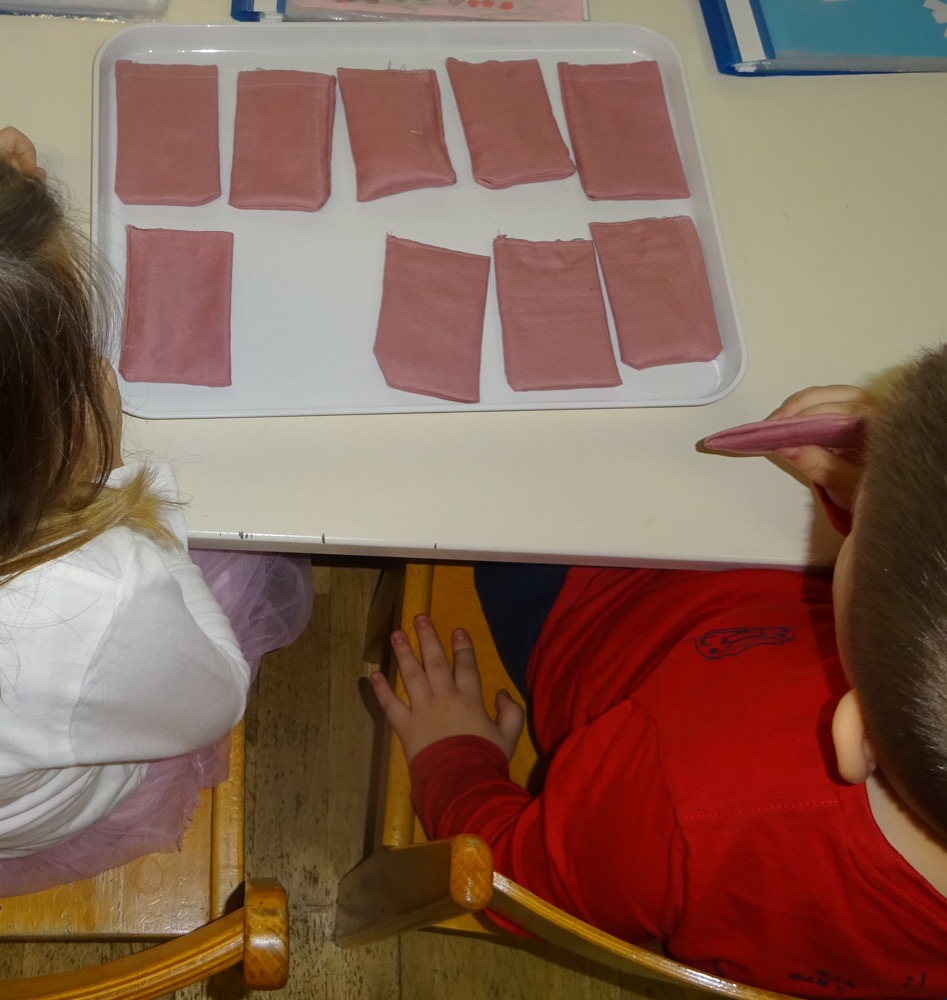
Let the children fill the bags in pairs with the same scent. Label one bag visibly and leave the other unlabeled or hidden to make the game more fun and challenging.
Implementation
Memory of Smells Game
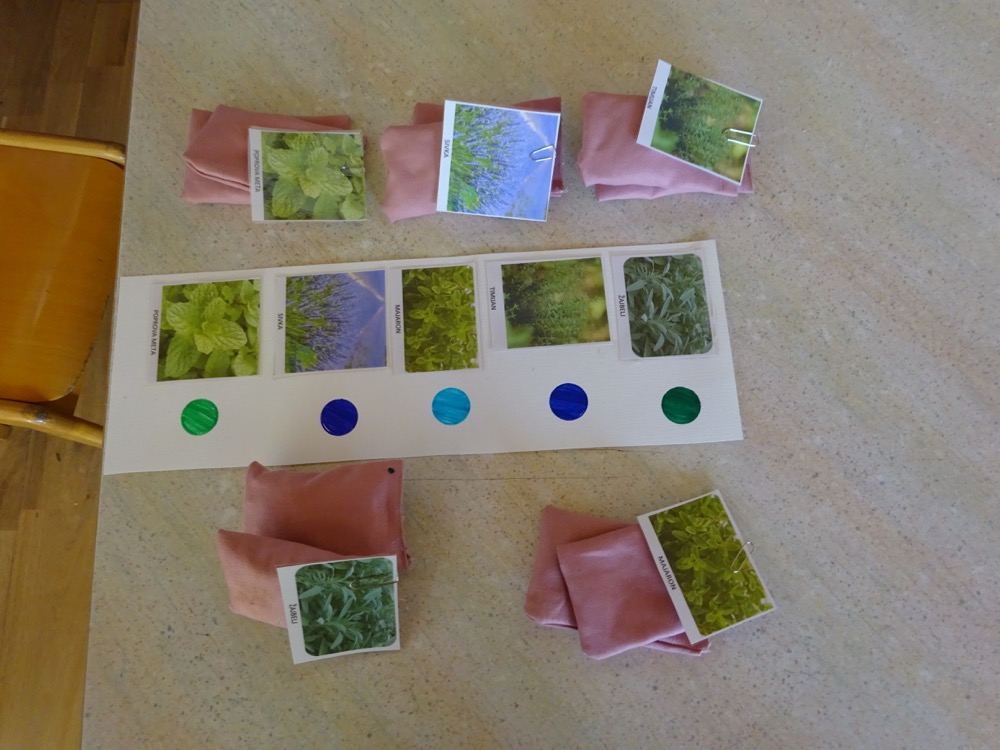
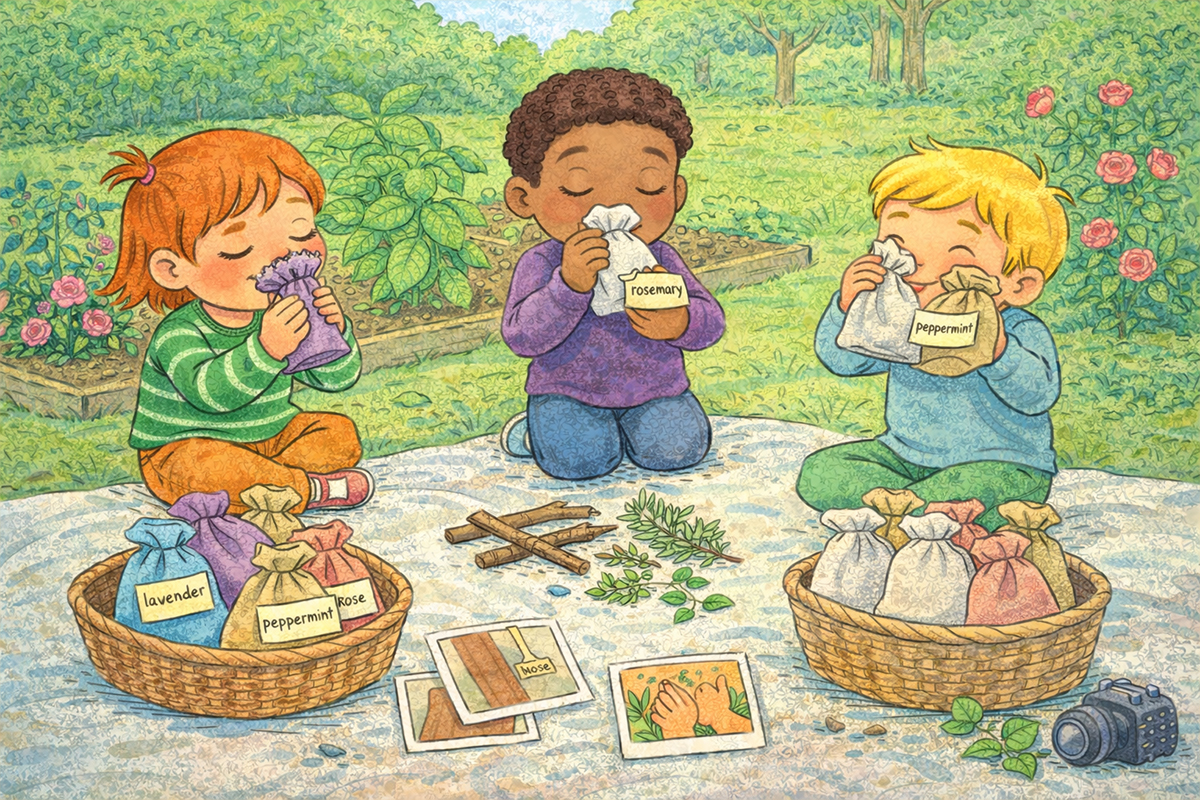
Use two baskets or trays, each filled with one set of the prepared scent bags.
A child picks a bag from the first basket, smells it carefully, and tries to remember the scent. They then search through the second basket to find the matching bag by smell alone.
Encourage the child to name the scent and describe what it reminds them of.
Reflection
After playing, discuss how the children felt using their sense of smell. Were some smells easier to recognize? Did they discover any new favorites? You can also invite them to suggest new scents they would like to explore next time.
Variations and Additional Ideas
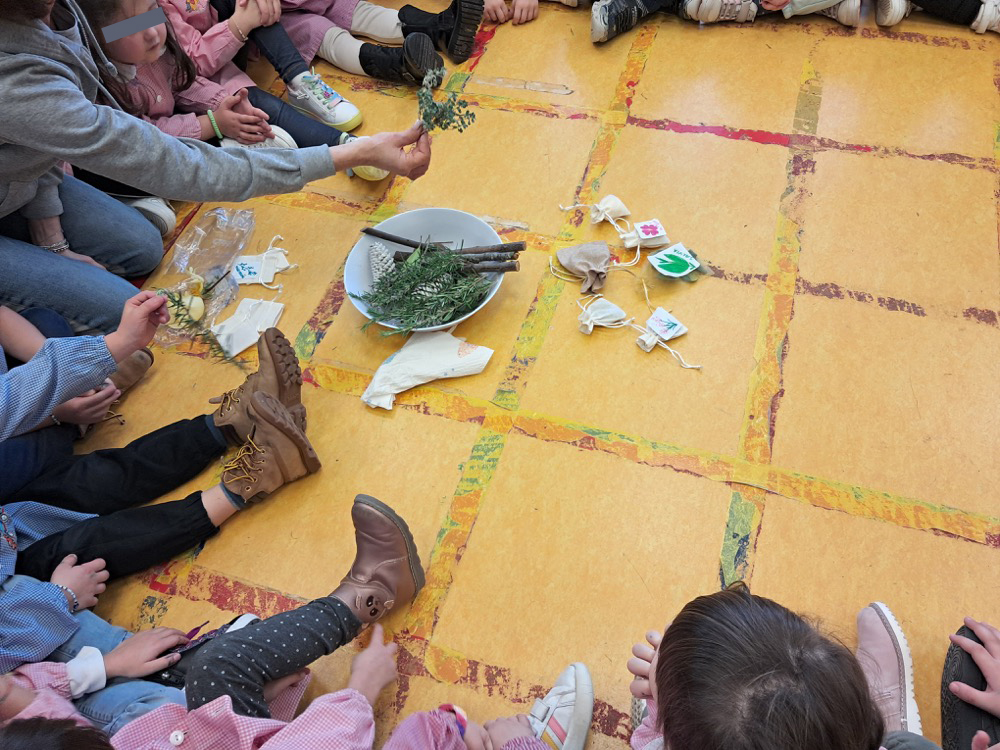
If your kindergarten has a herb garden, visit it with the children. Together, pick herbs and spices, label them, and dry them for later use in the memory game.
If you don’t have a herb garden, you can ask families to contribute by bringing dried or fresh herbs from home. This way, families can get involved, and children can bring scents from their own environment to share with the group.
Photos of the Activity