Emotion Cards Games
 Funded by the European Union. Views and opinions expressed are however those of the author(s) only and do not necessarily reflect those of the European Union or the European Education and Culture Executive Agency (EACEA). Neither the European Union nor EACEA can be held responsible for them. |
 All contents, in particular texts, pictures and graphics, are protected by copyright. Unless expressly stated otherwise, copyright is held by sel.eduskills.plus and is licensed under Creative Commons Attribution - Non-commercial - Distribution under the same conditions 4.0 International license. They may be subject to the terms of the license. |
© 2026 sel.eduskills.plus
| Basic | |
| Age: 4-6 | |
| 4 sessions of approx. 30 min | |
| Children learn to recognize, understand, and express their own and others’ emotions using emotion cards, while exploring the situations that trigger them. | |
| Art Conversation Parents Storytelling | |
|
Preparation
Good to know: The activities are designed so that children help create the materials they will later use regularly in the Emotions Area. To ensure success, it is recommended to first introduce the games and materials in guided sessions with the whole group. Once children feel confident with the games and know how they work, the Emotions Area can be opened for free and independent use during daily routines. The activity is best introduced and practiced over several guided sessions to ensure understanding and confidence. Once familiar, the materials can be placed in the Emotions Area for independent use throughout the school year.
Implementation
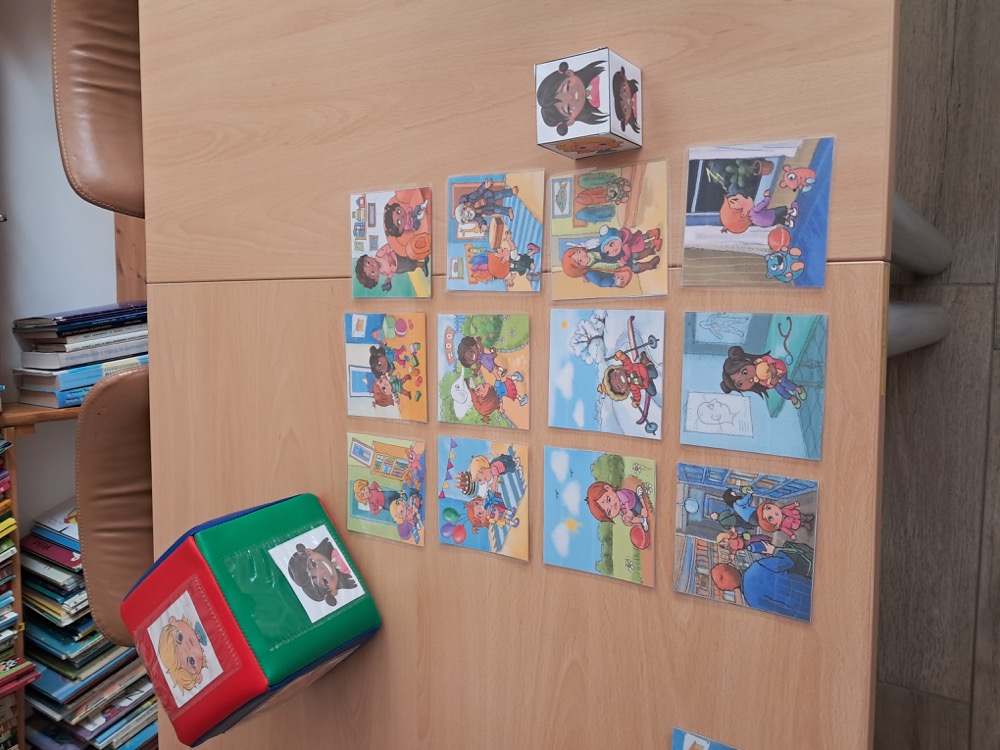
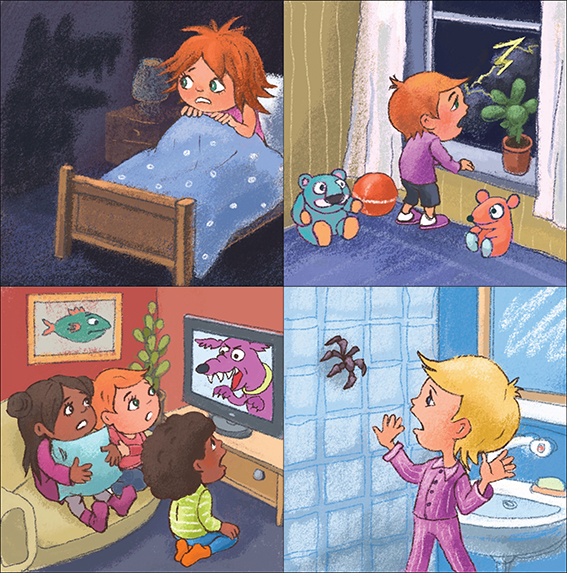
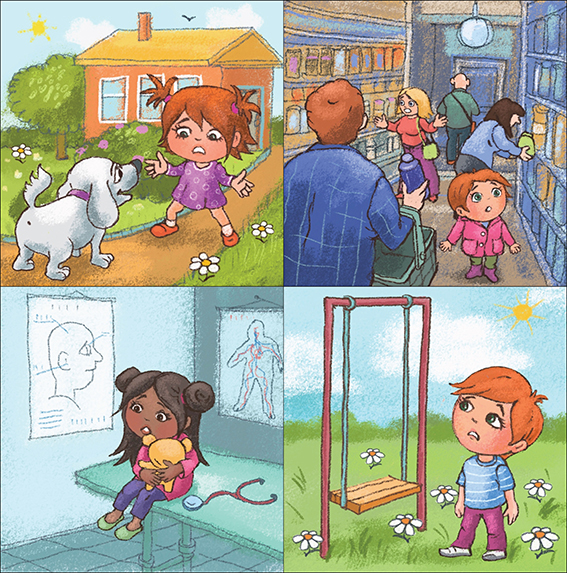
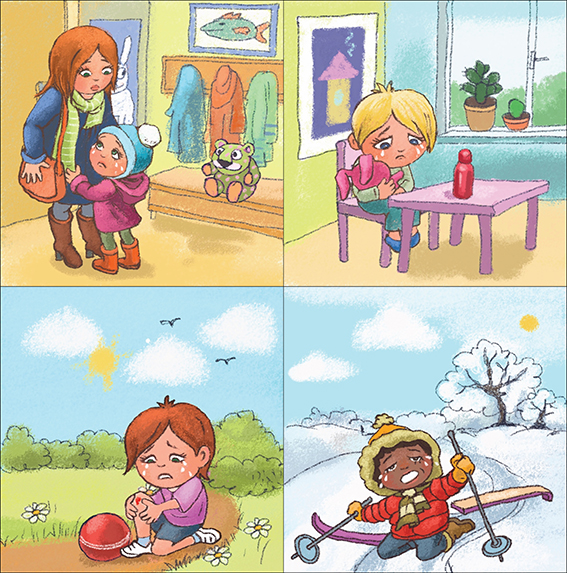
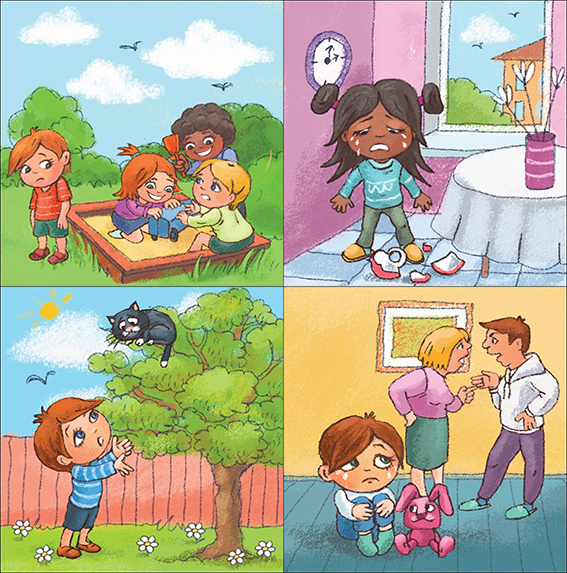
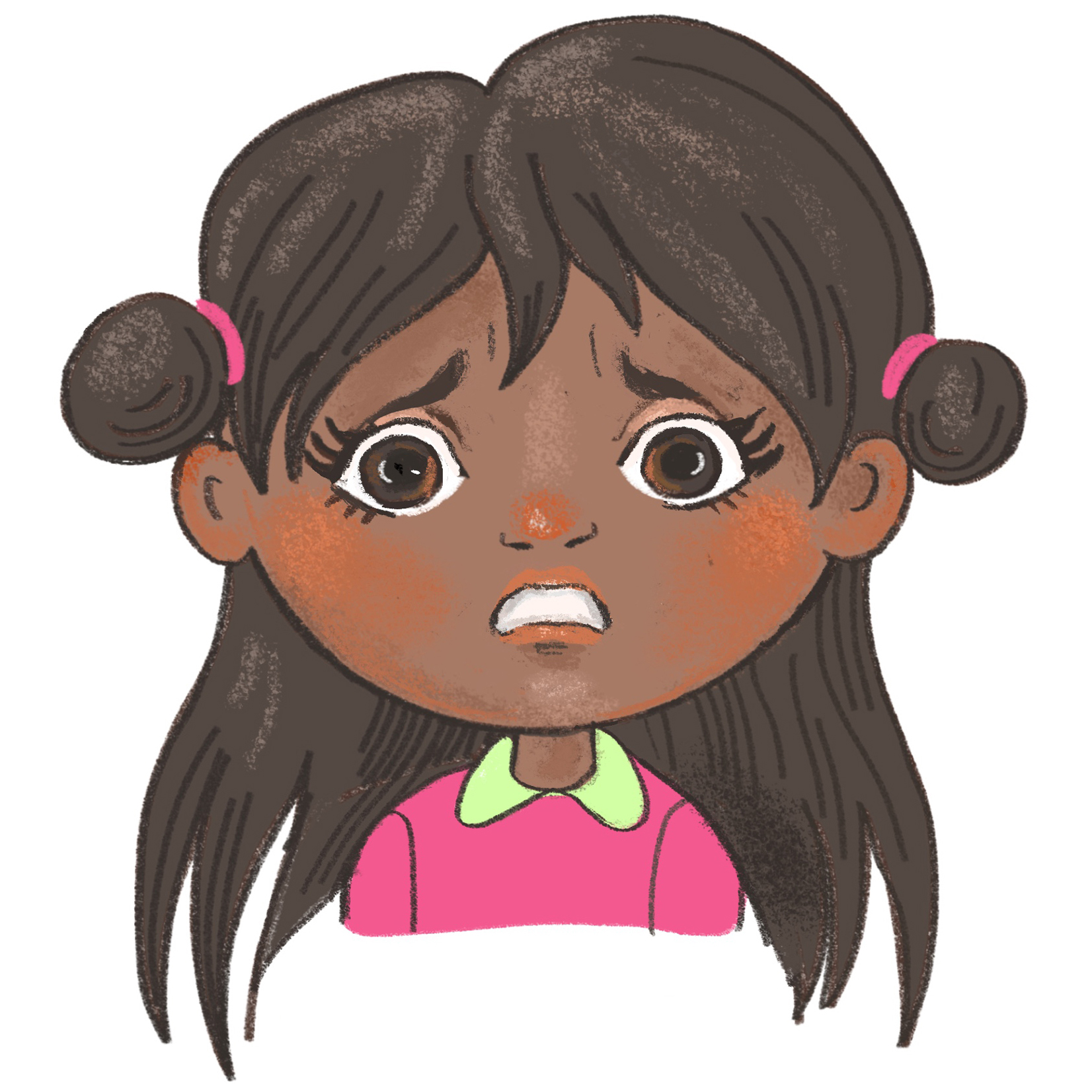
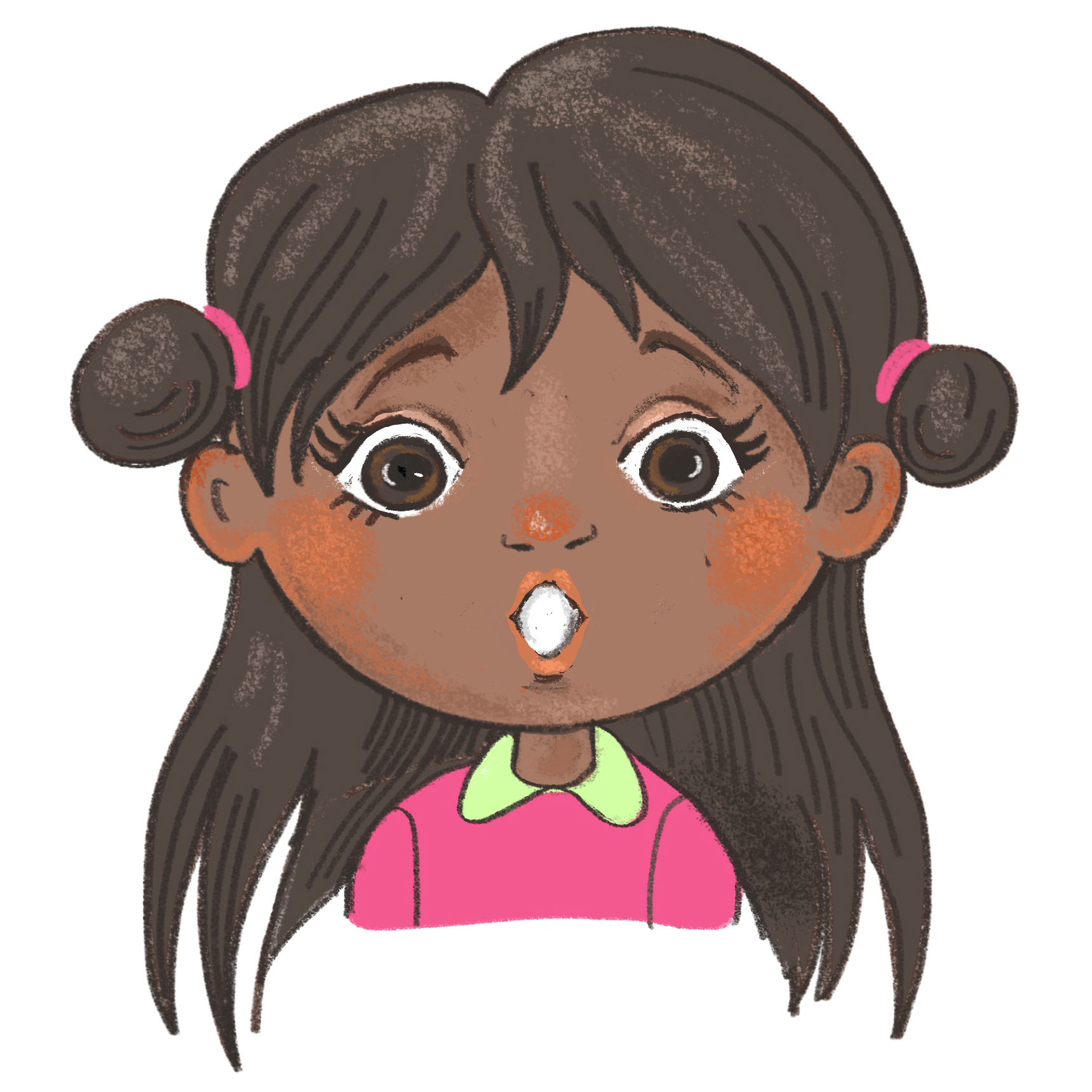
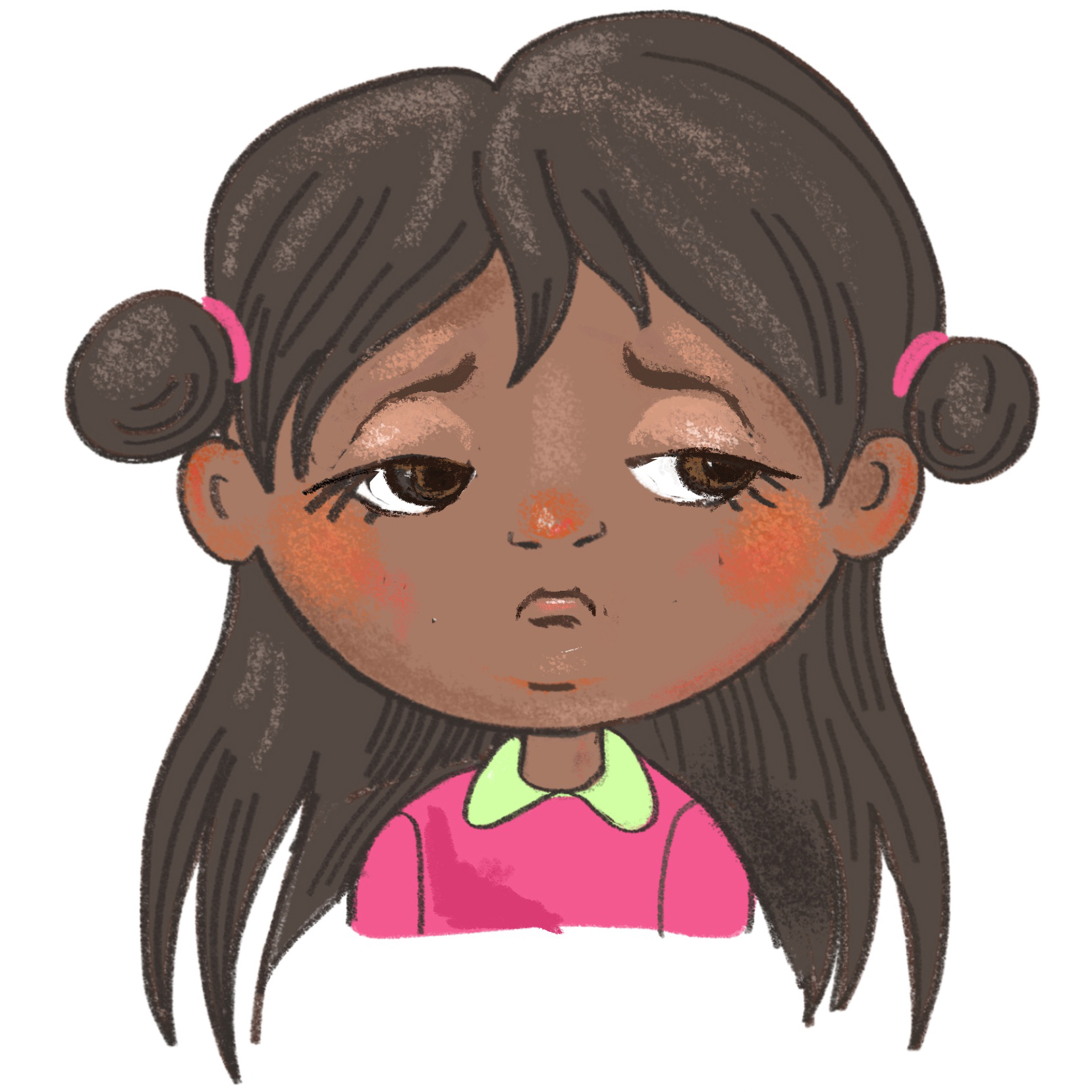
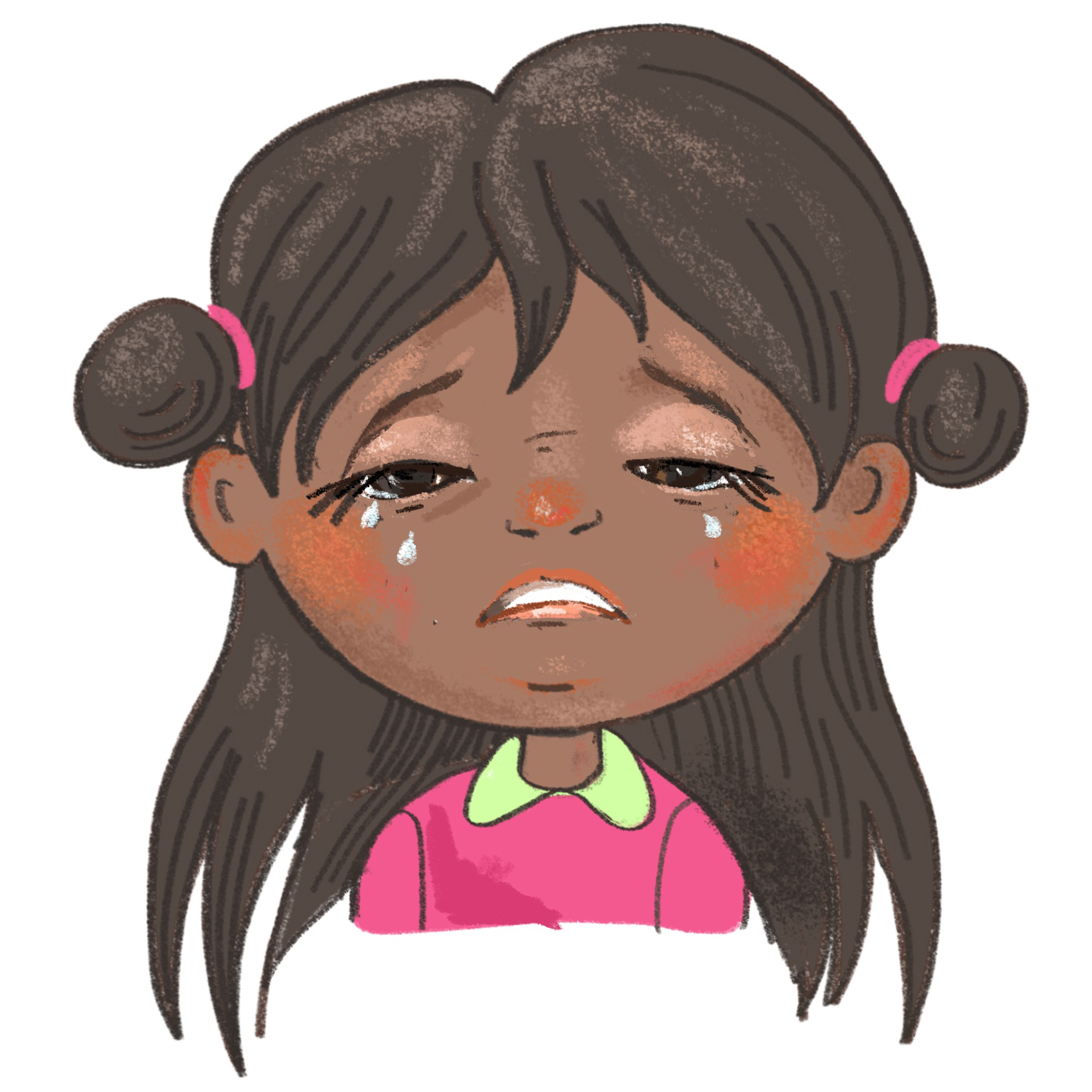
Start by exploring a selection of situation cards and emotion face cards together with the children. Encourage open discussion and let the children's ideas guide the conversation. Help them connect situations and emotions using simple cause-and-effect language, such as:
- When something surprising happens, we feel surprised.
- When we lose something, we might feel sad.
Support each child in understanding these emotional links in a clear and age-appropriate way.
My Faces of Emotions
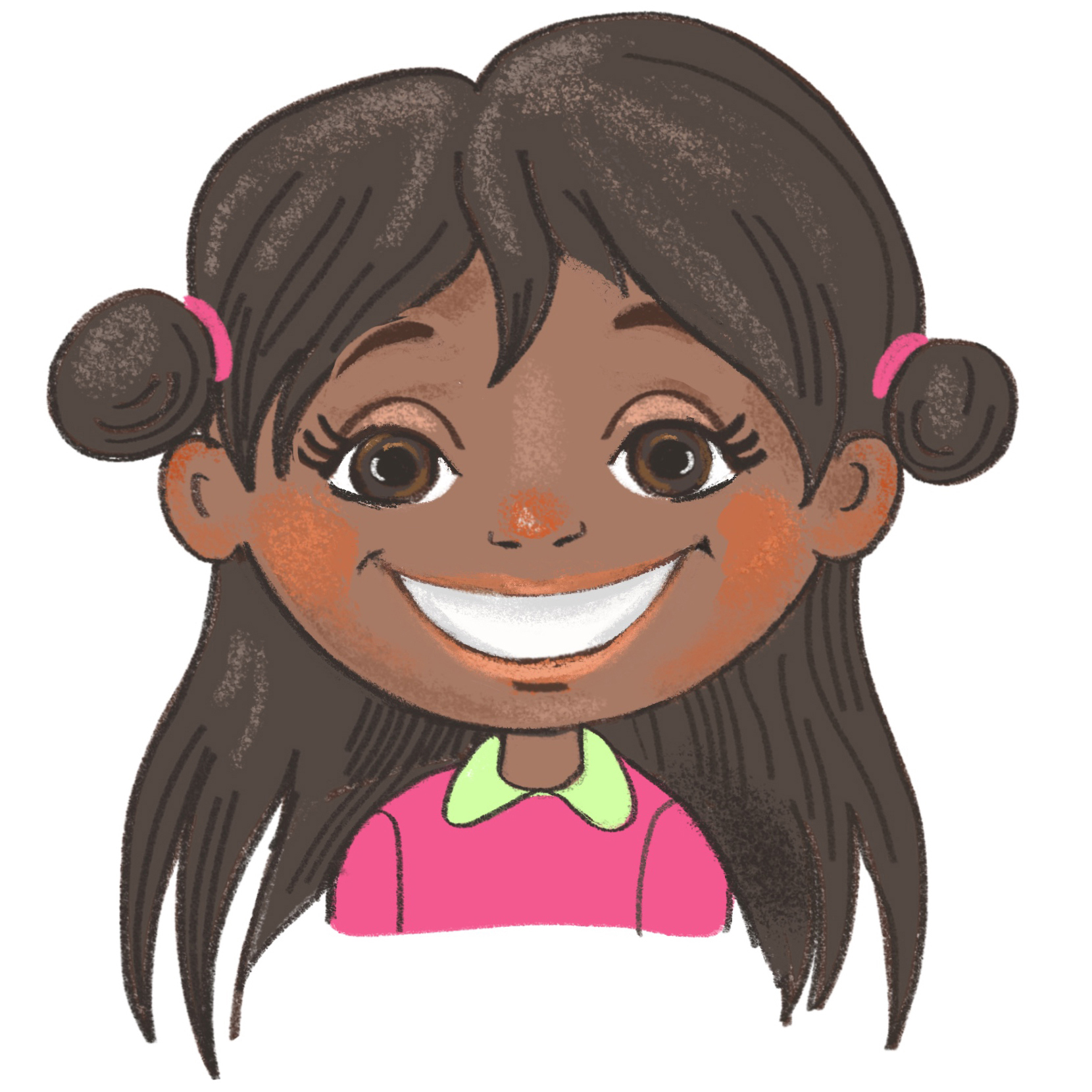
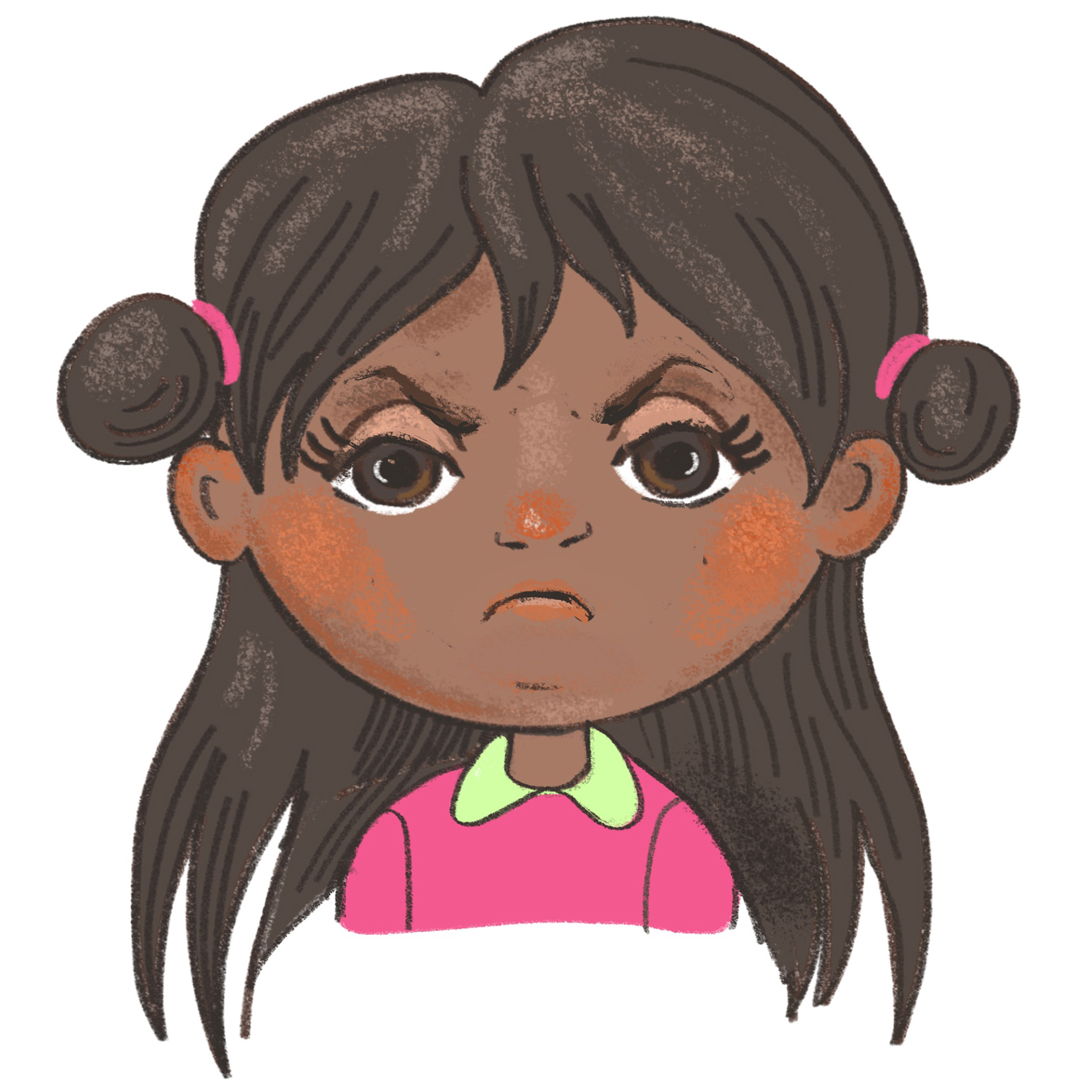
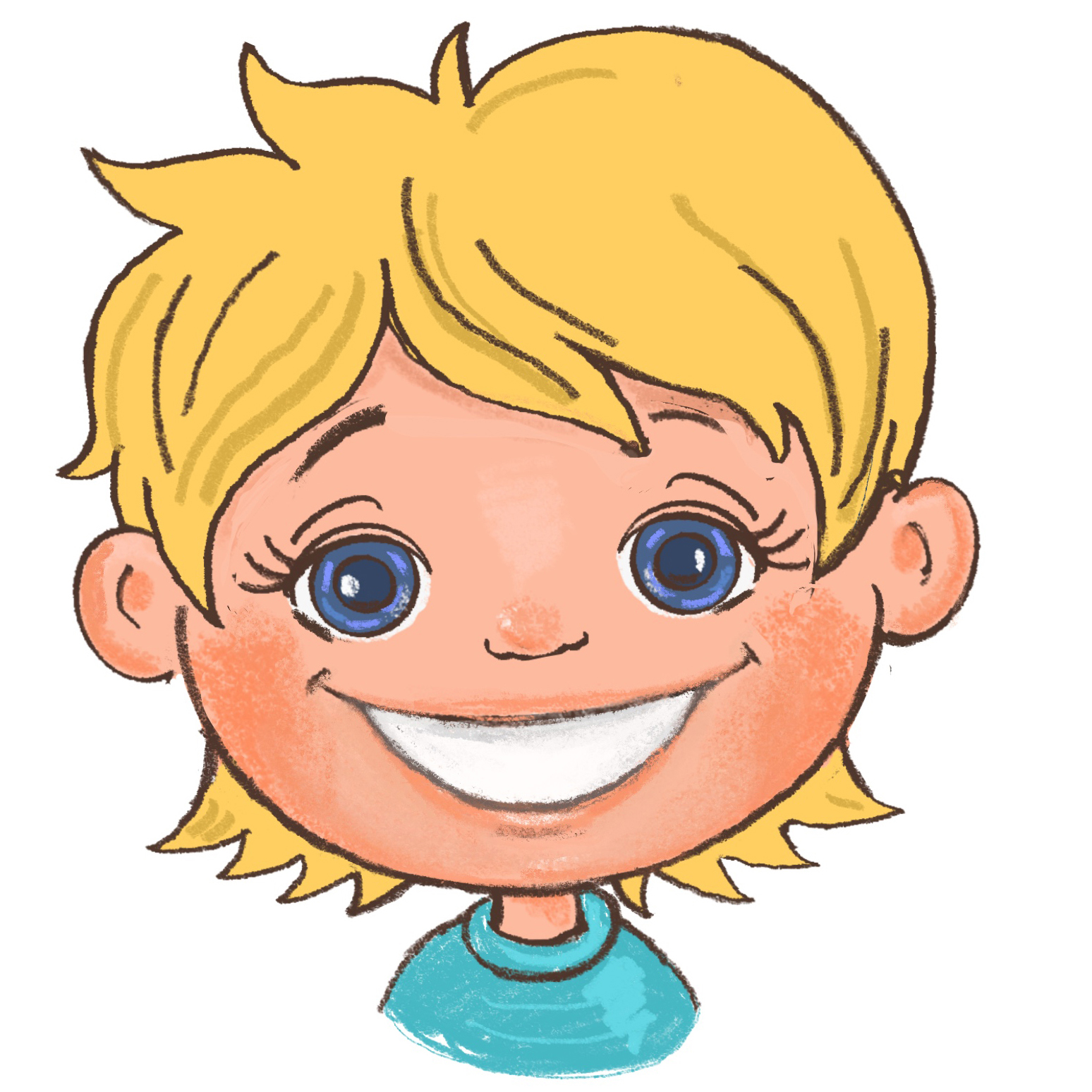
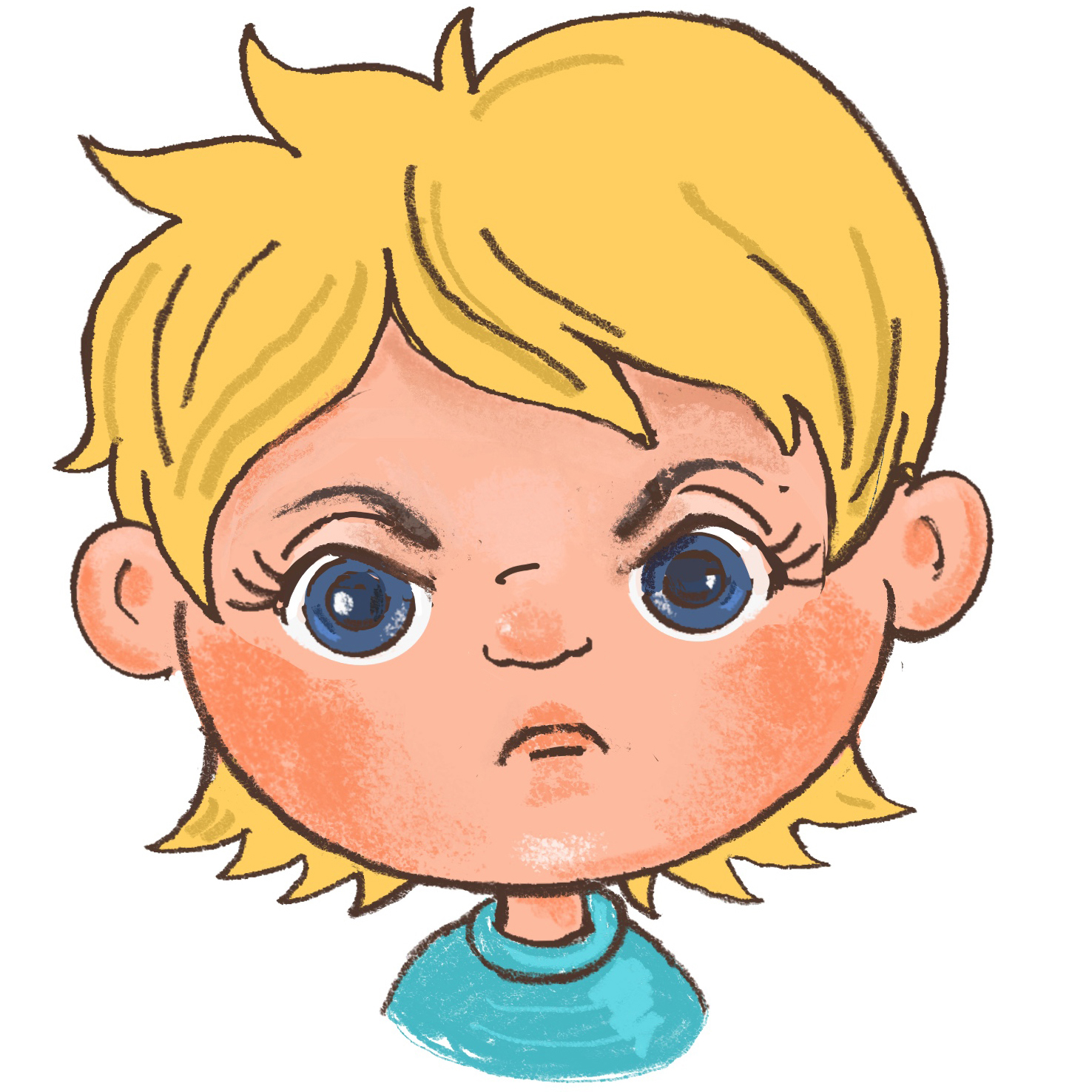
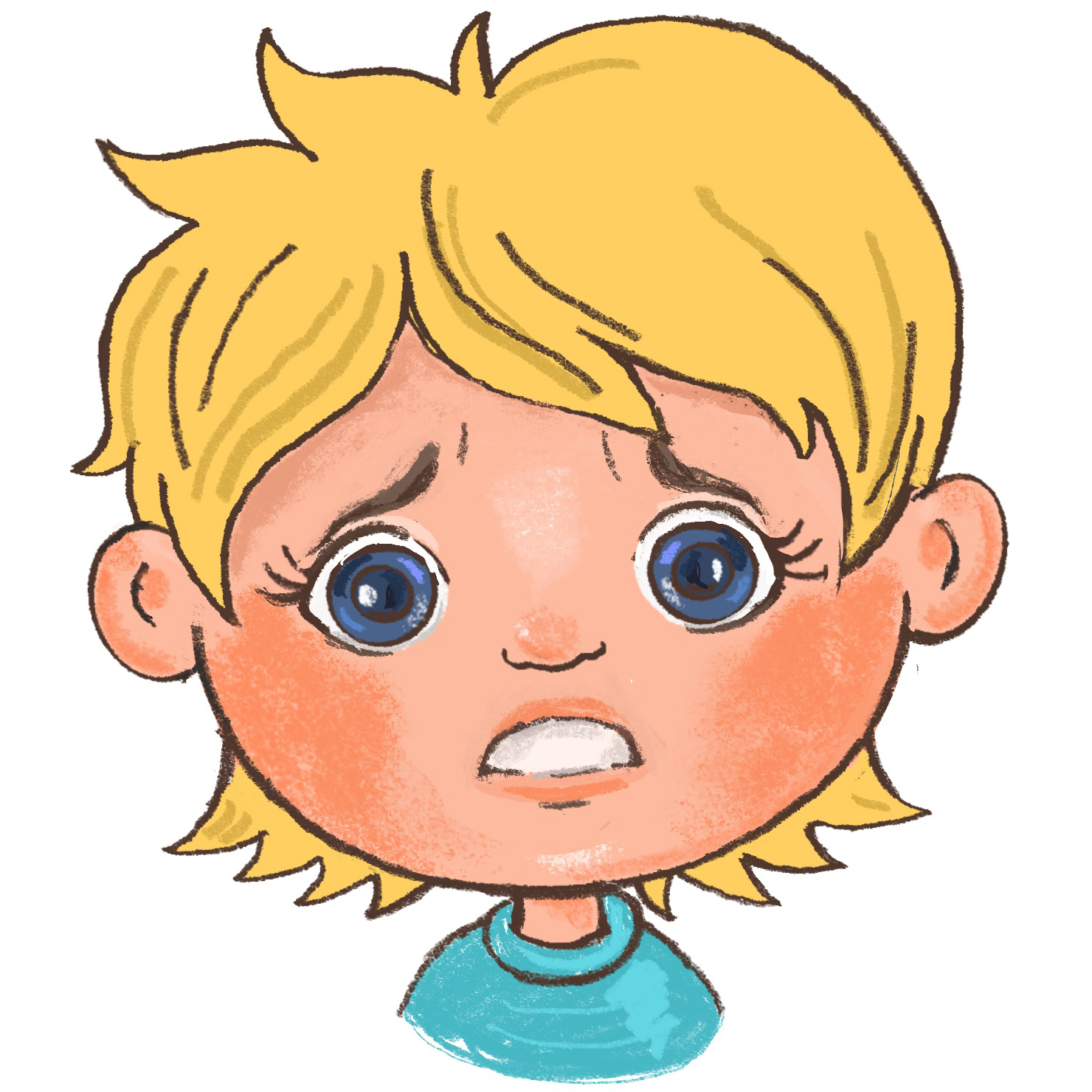
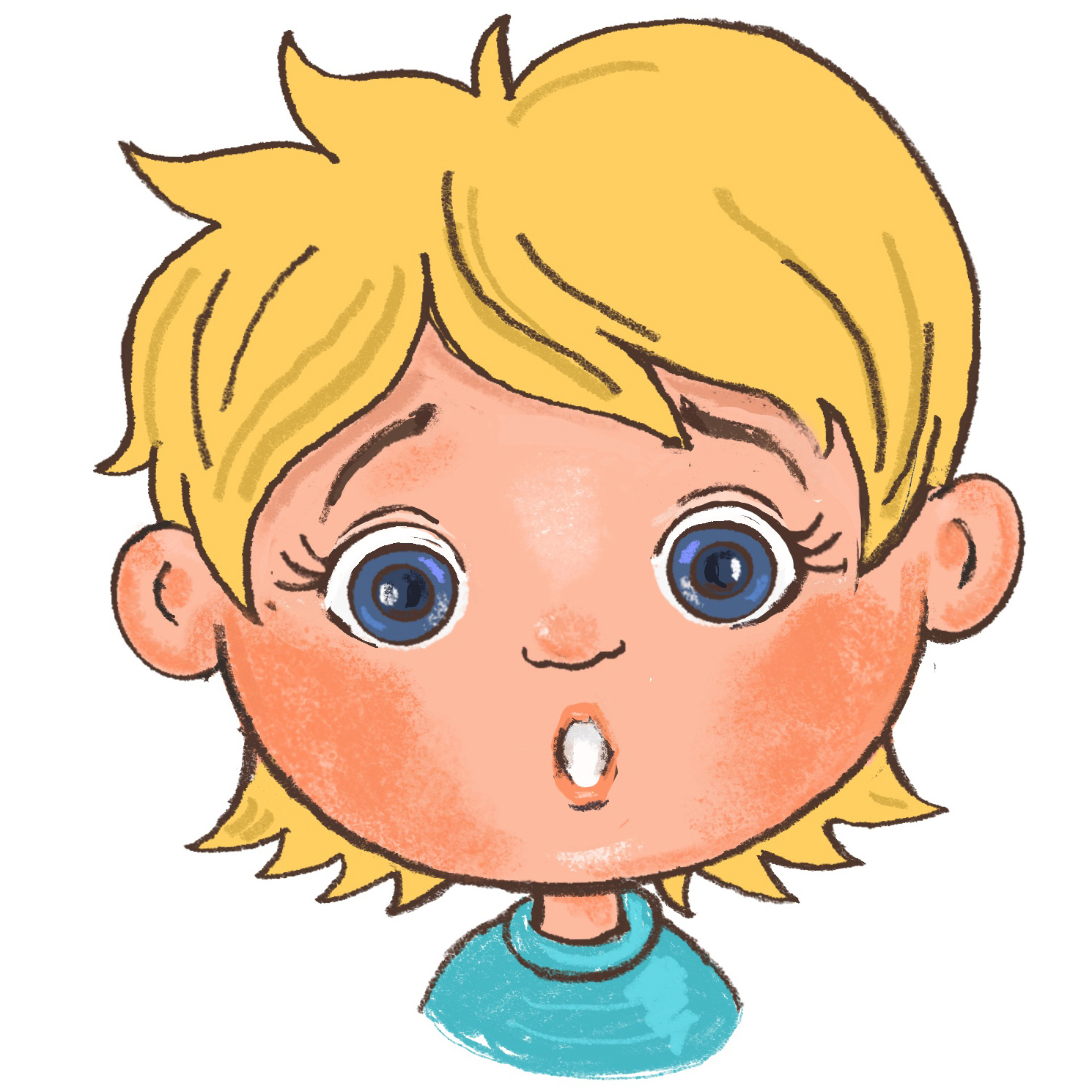
Each child receives five blank cards and is invited to draw five basic emotions: happy, sad, scared, surprised, and angry. These cards become personal reference tools and can be used in the games that follow.
Memory Game: Matching Emotions and Situations
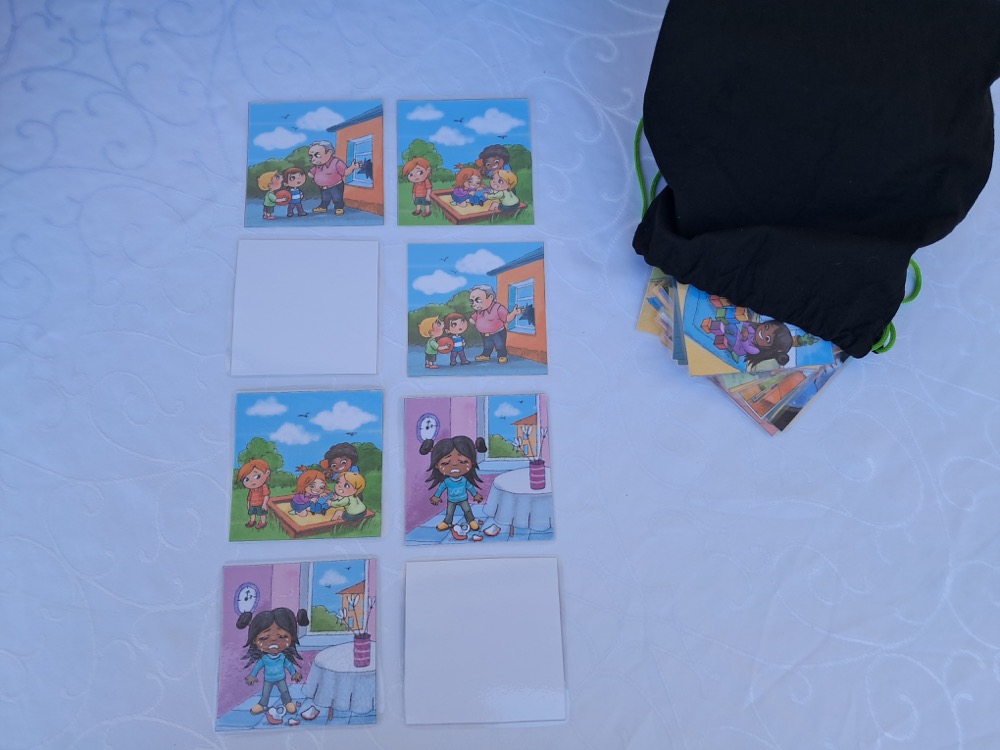
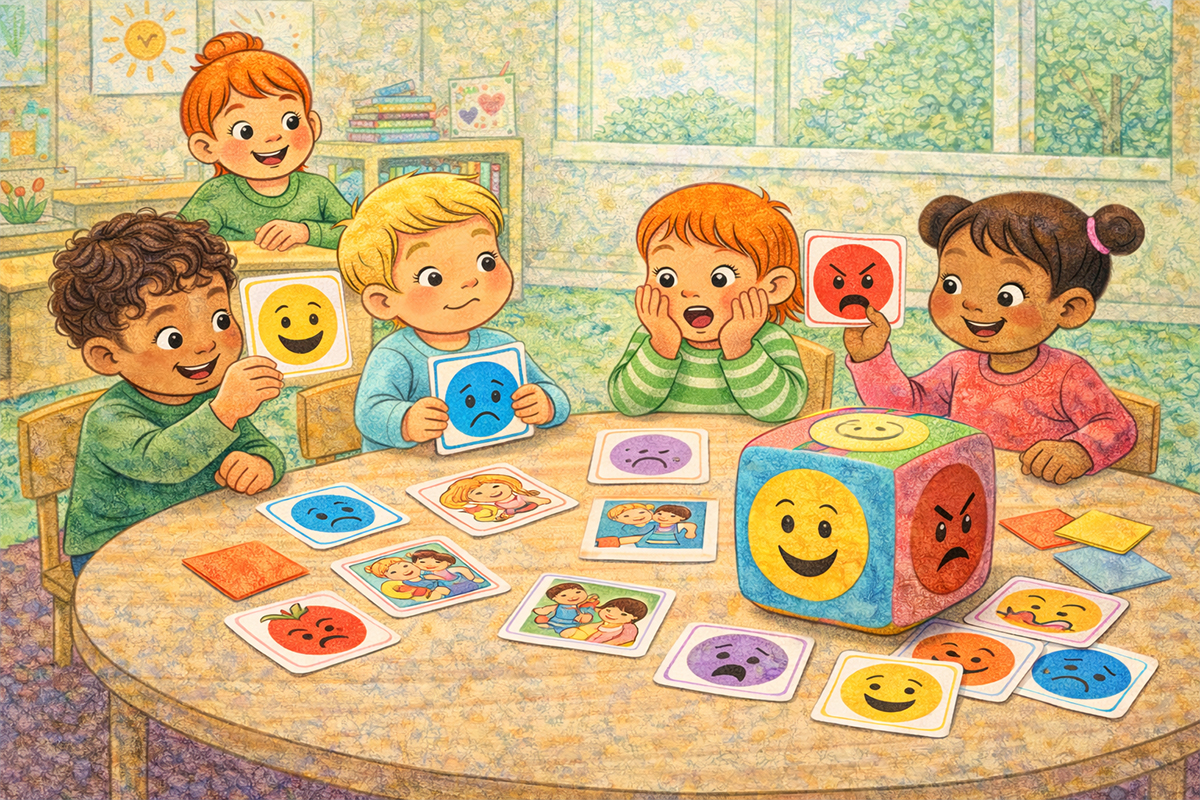
Children select five emotion face cards and five situation cards that express matching feelings. They mix the cards up and then try to find the matching pairs (e.g., a happy face and a picture of a happy child).
Roll and Match: Emotion Dice Game
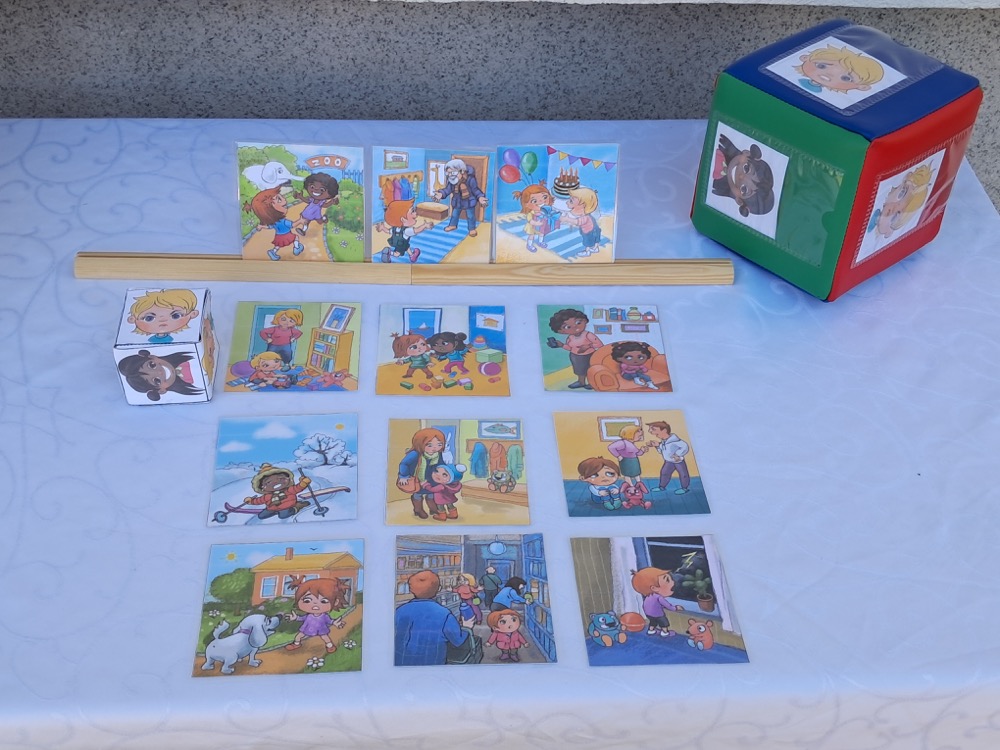
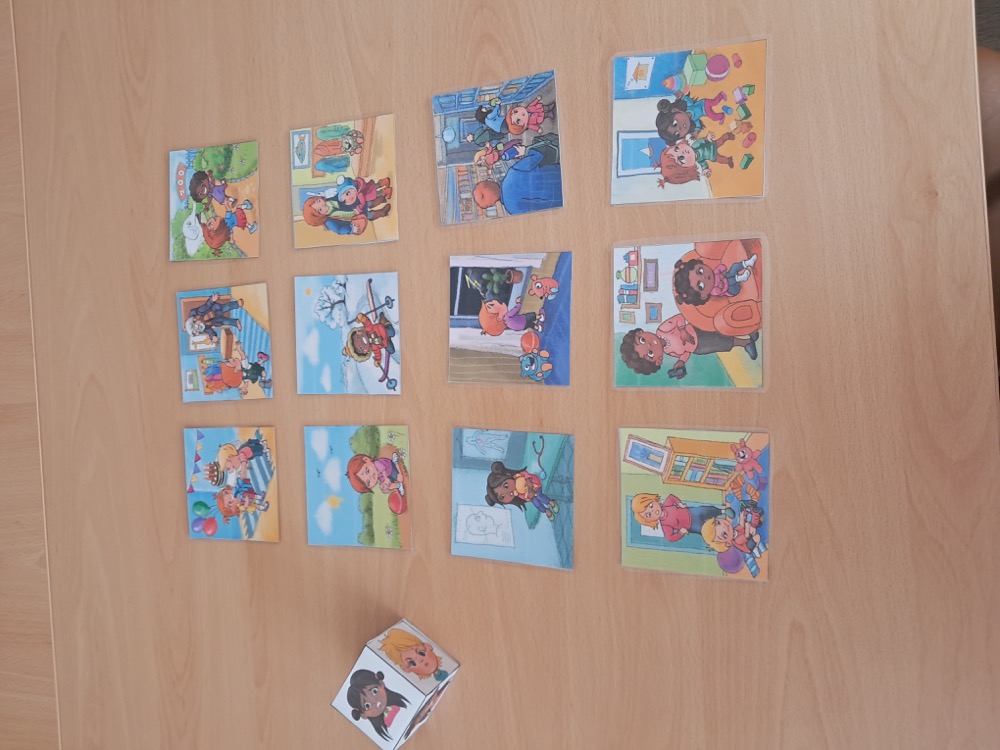
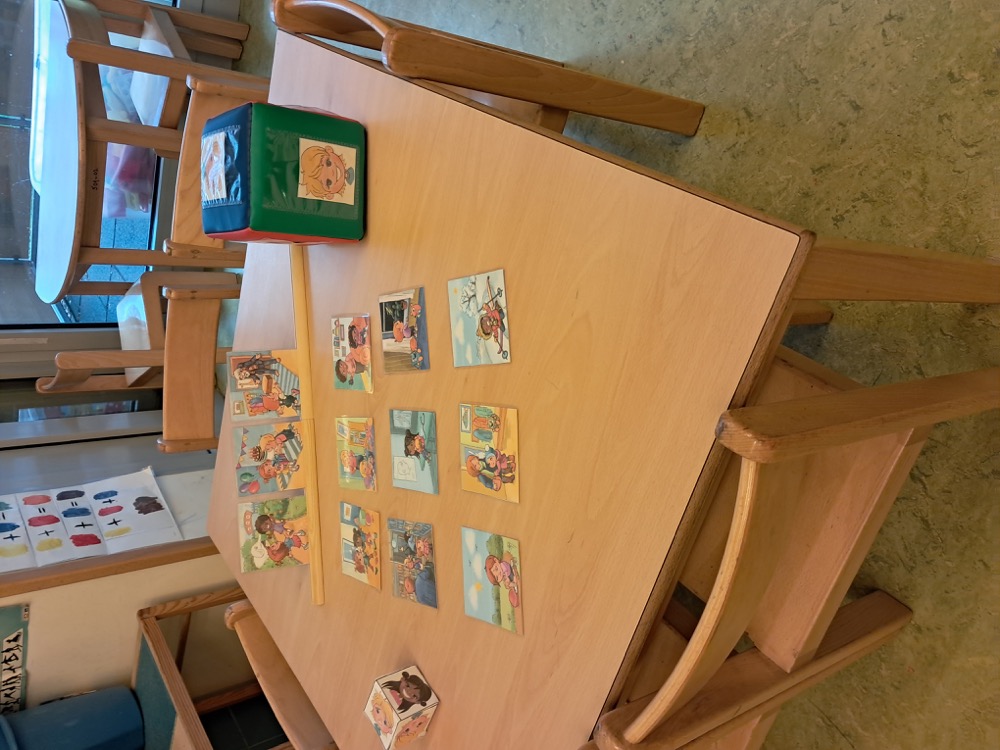
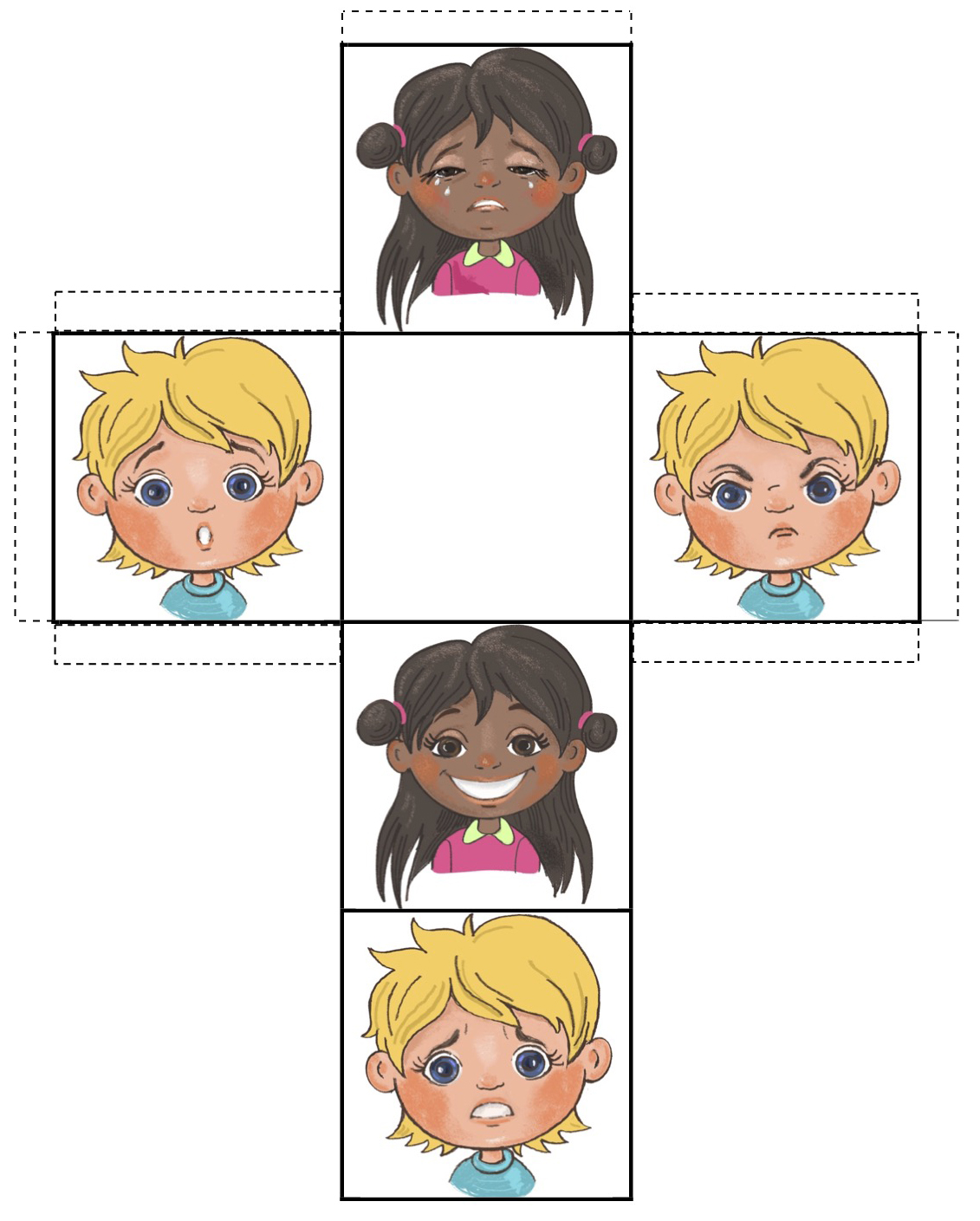
Place the emotion face cards into the pockets of a cube (or attach them to each side). Spread out the situation cards on a table or on the floor. A child rolls the cube, identifies the emotion that lands on top, and finds a matching situation card.
If playing in a group, children take turns rolling and matching. In individual play, the child continues until all matches have been made.
Emotional Pantomime
Put a variety of emotion cards (including some more complex emotions like pride, guilt, or excitement) into a bag. Children take turns drawing a card and acting out the emotion using only facial expressions and body language - no words allowed.
The others try to guess the emotion. This game strengthens emotional expression and recognition in a fun, active way.
Variations and Additional Ideas
Encourage children to expand their emotional vocabulary by drawing additional emotions they are familiar with on blank cards. These might include feelings like pride, guilt, shame, or excitement. Add these new cards to the shared set to enrich future games and discussions.
Involve families by inviting parents to explore the "emotions area" during a school visit or meeting. Explain the purpose and benefits of these activities in helping children understand and express emotions. Encourage them to try some of the games at home to strengthen emotional learning through shared play.
Worksheet "Situation cards"
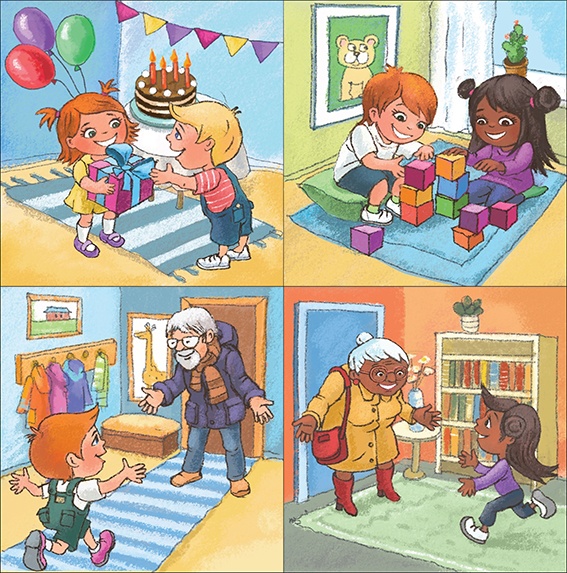
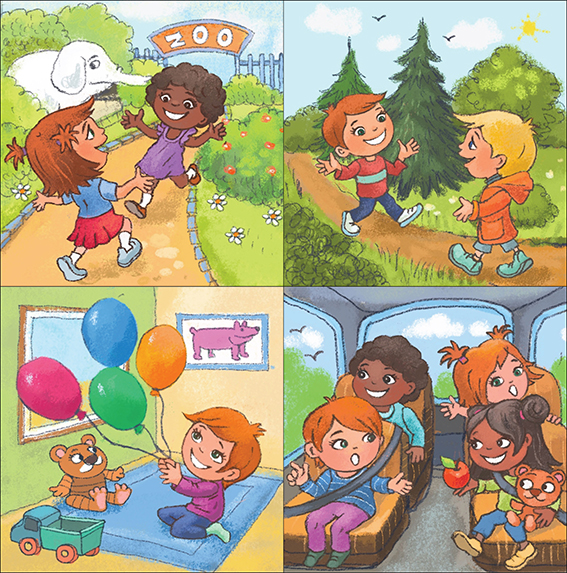
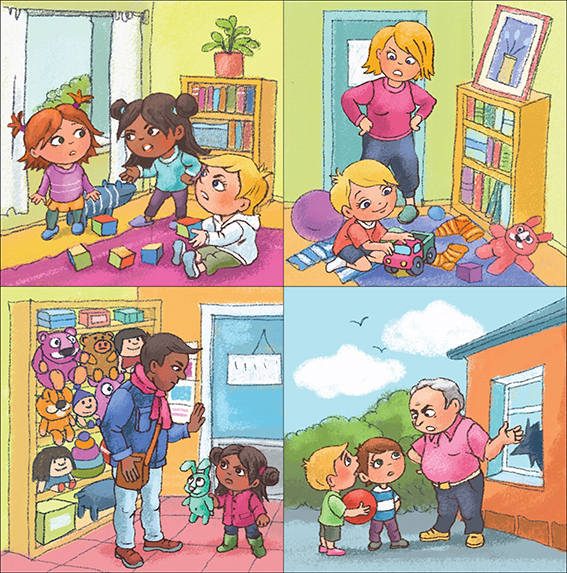
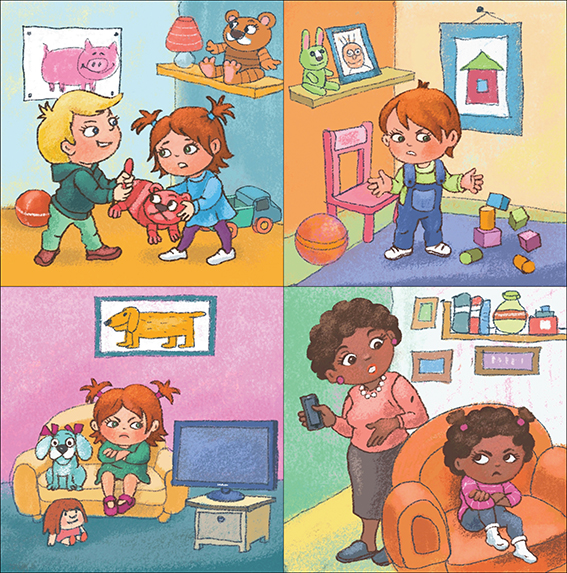
Worksheet "Emotions" 1
|
|
|
|
|
|
Worksheet "Emotions" 2
|
|
|
|
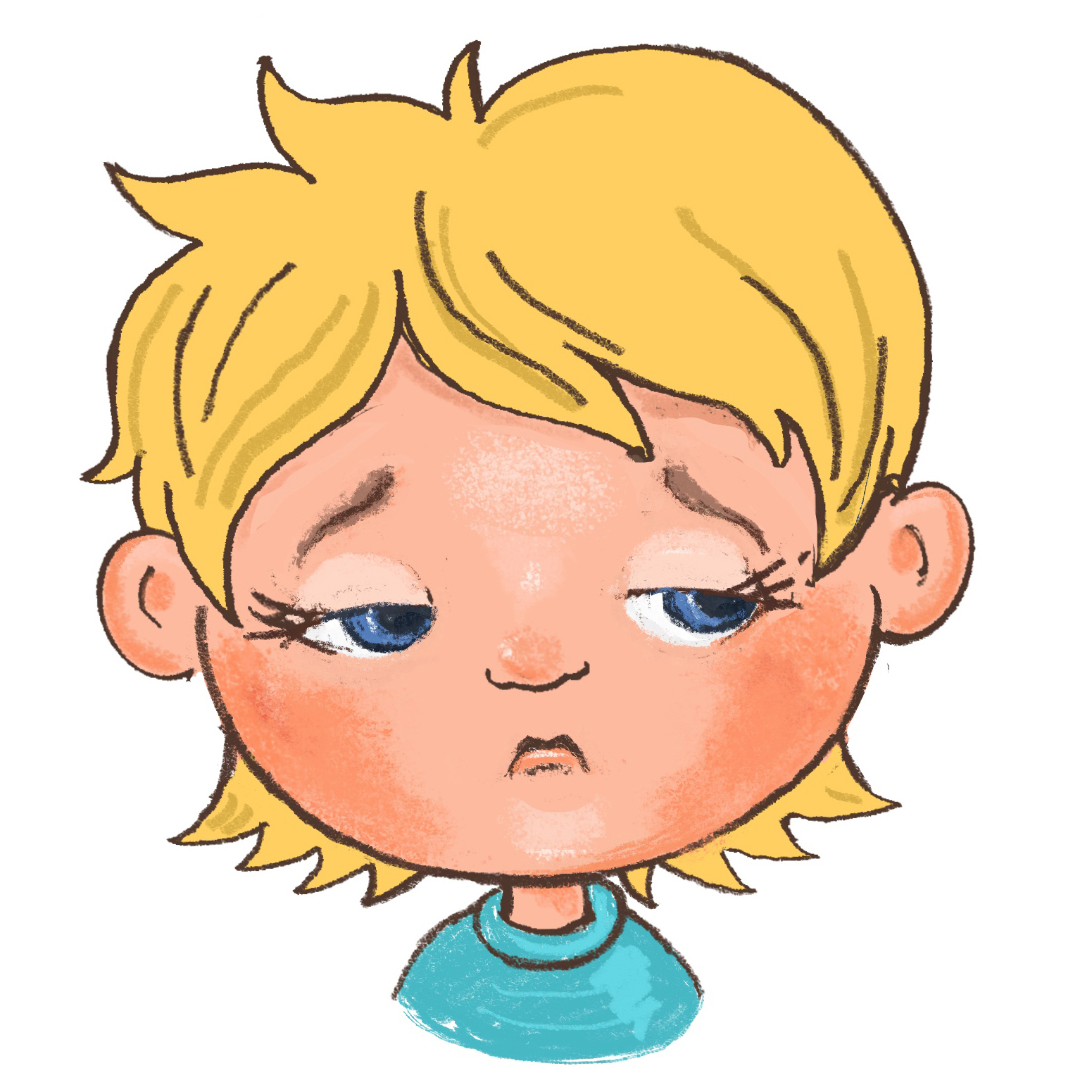
|
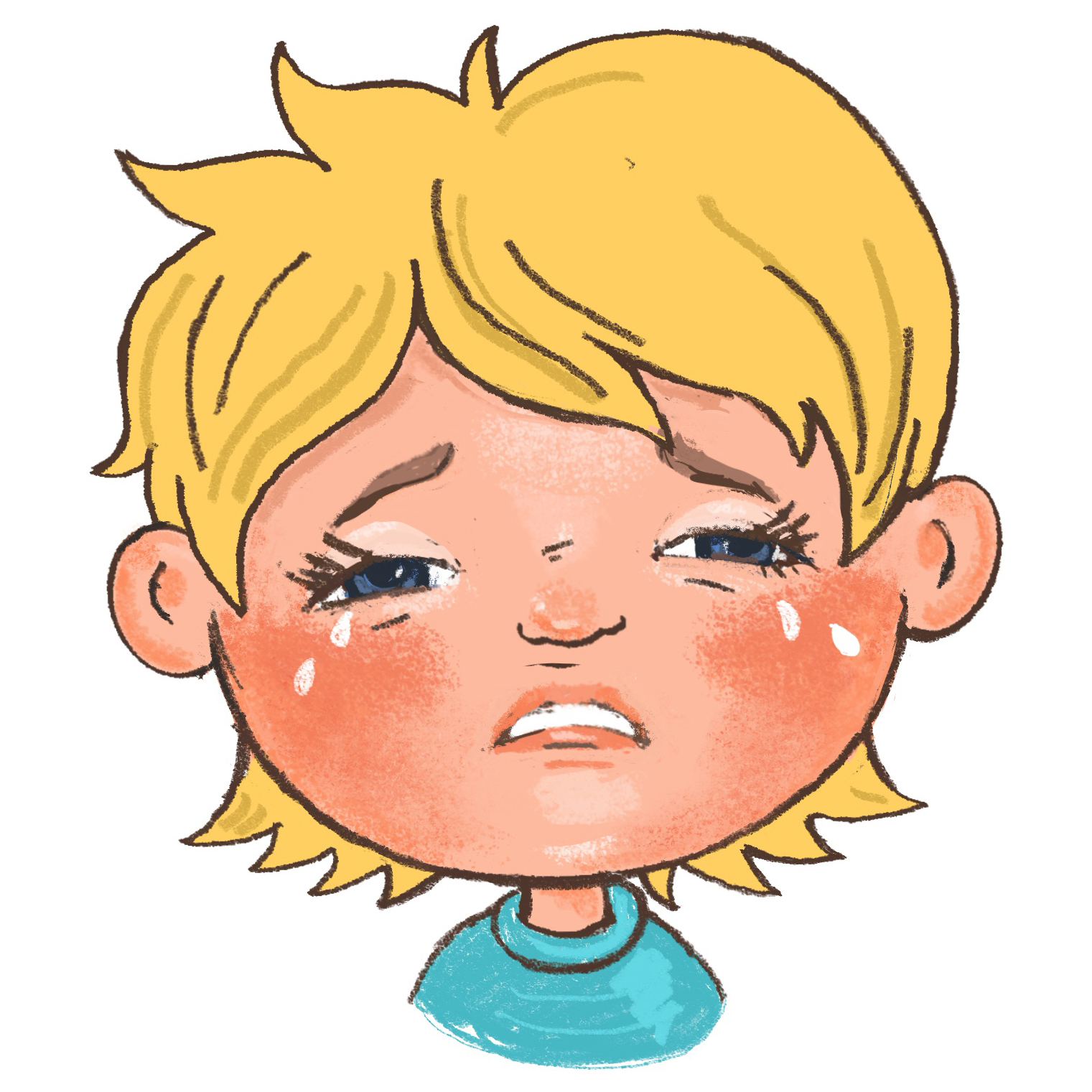
|
Worksheet "Dice of Emotions"
Photos of the Activity