| Advanced | |
| Age: 4-6 | |
| 20-30 min | |
| Children listen to music, move freely, and explore how sounds and rhythms make them feel and move. | |
| Self-regulation | |
| Flexibility | |
| Art Movement Music | |
|
For variations:
This activity can trigger strong feelings. You can find selected strategies for dealing with them in the Guidelines. We recommend that you familiarize yourself with these strategies before implementing the activity in group settings.
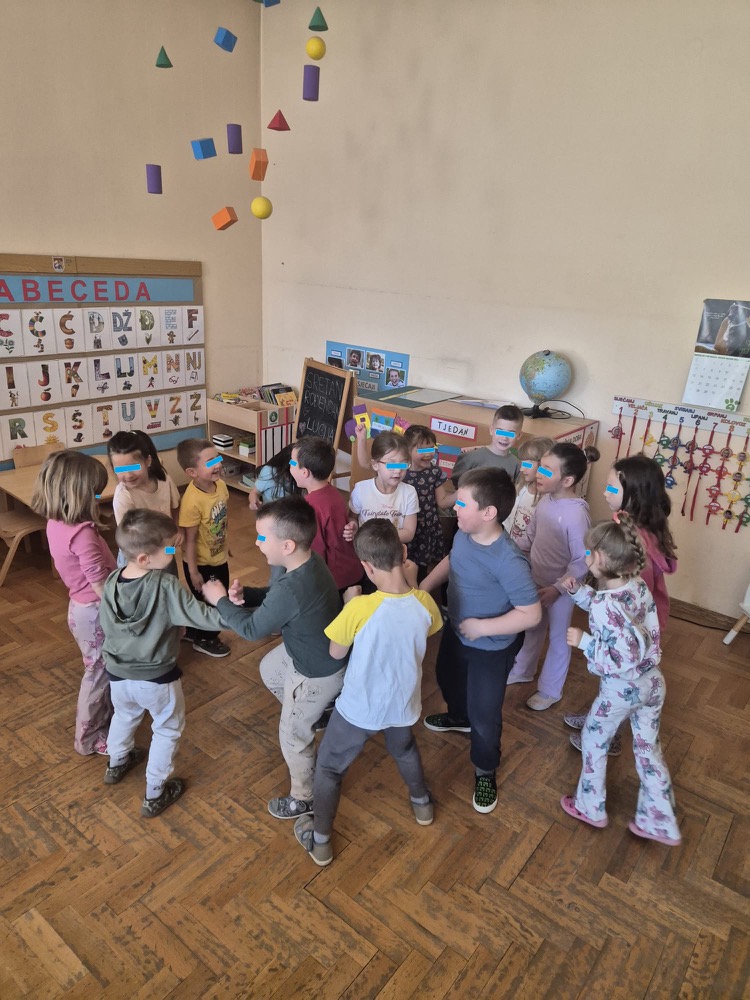
Gather the children in a circle and explain that they will explore how music can make us feel. Start by gently rubbing your ears together with the children to “wake them up” for better listening. Then lead some light stretching and shaking movements to prepare the body for movement.
Tell the children that the music they will hear might remind them of different feelings, and that they can use their bodies to show what the music makes them feel or imagine.
Play the first piece of music and let the children listen quietly for a few moments. After listening, ask:
Encourage children to move freely, interpreting the music in their own way.
When the music stops, pause and ask how their bodies feel now:
Repeat the process with other music pieces, allowing time for listening, moving, and reflecting after each one.
Emphasize that everyone can experience and express the music differently, and that there is no right or wrong way to move.
After all the music pieces have been explored, invite the children to sit down and relax.
Guide them through a few deep breaths, exhaling slowly.
Ask:
Highlight that every feeling and experience is valuable, and that music can help us understand and express our emotions.
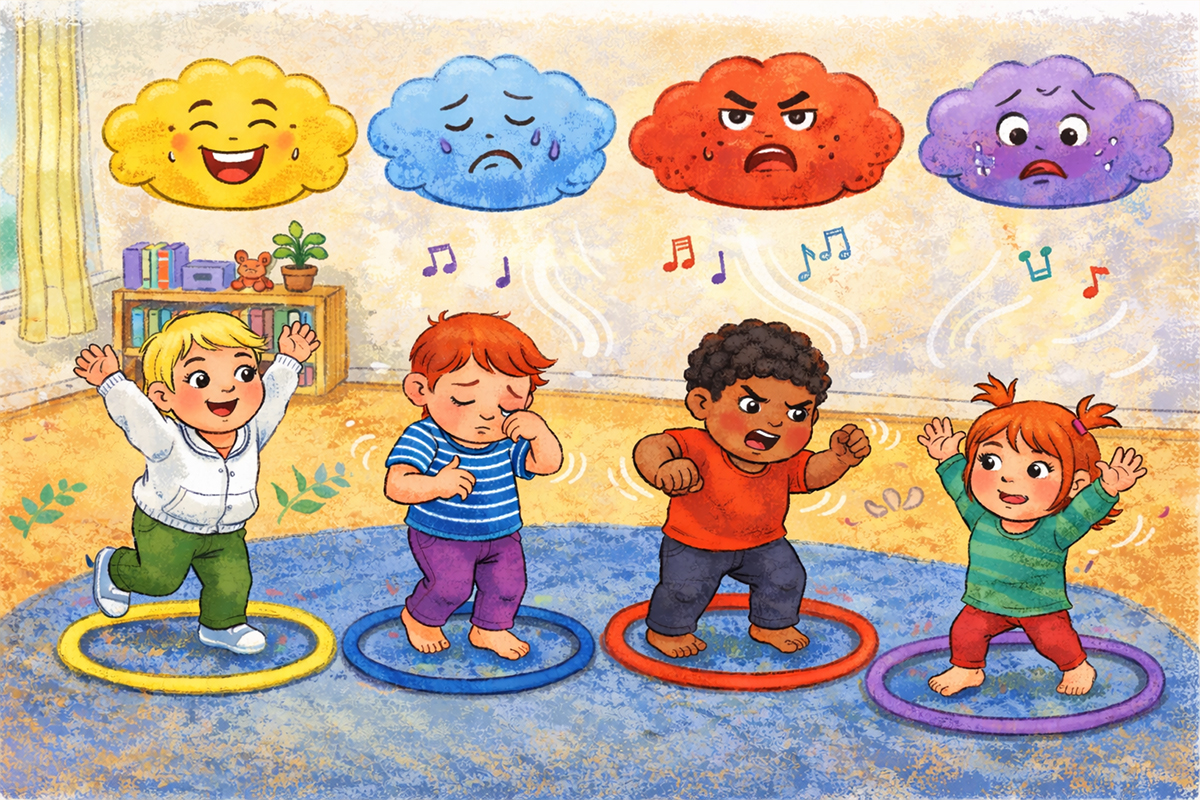
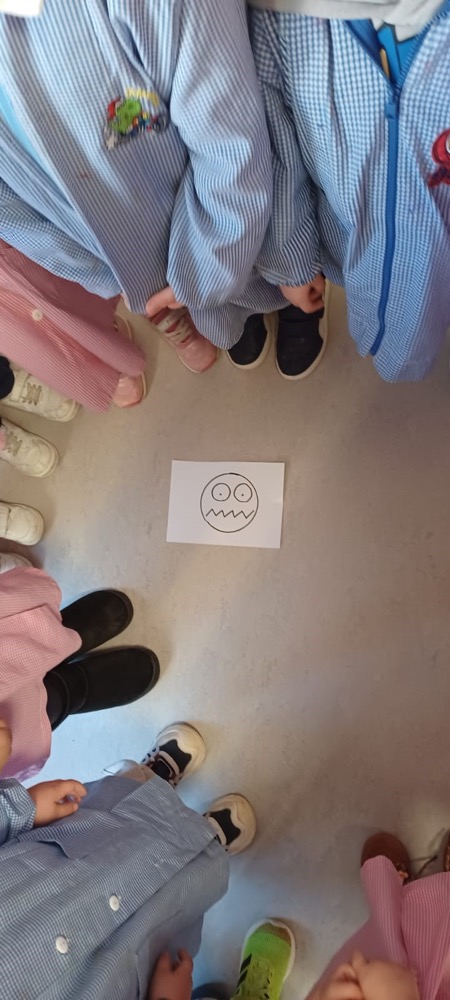
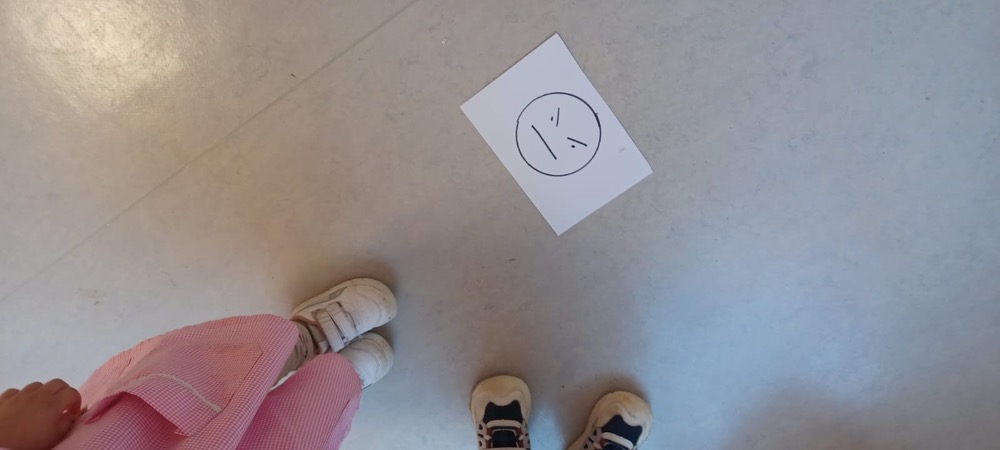
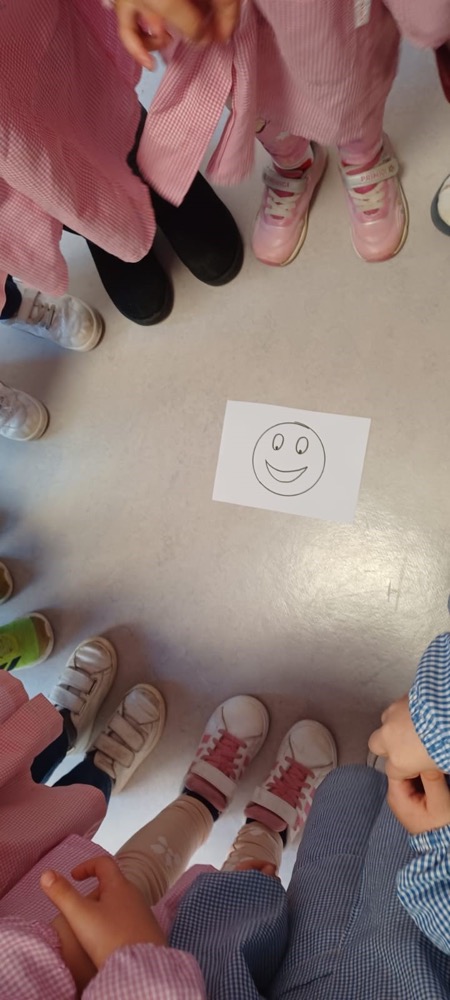
Place large paper clouds on the floor, each labeled with an emotion such as happiness, sadness, anger, or fear. As the music plays, children move to the cloud that represents the feeling they associate with the piece. This helps them connect movement and space with emotional awareness.
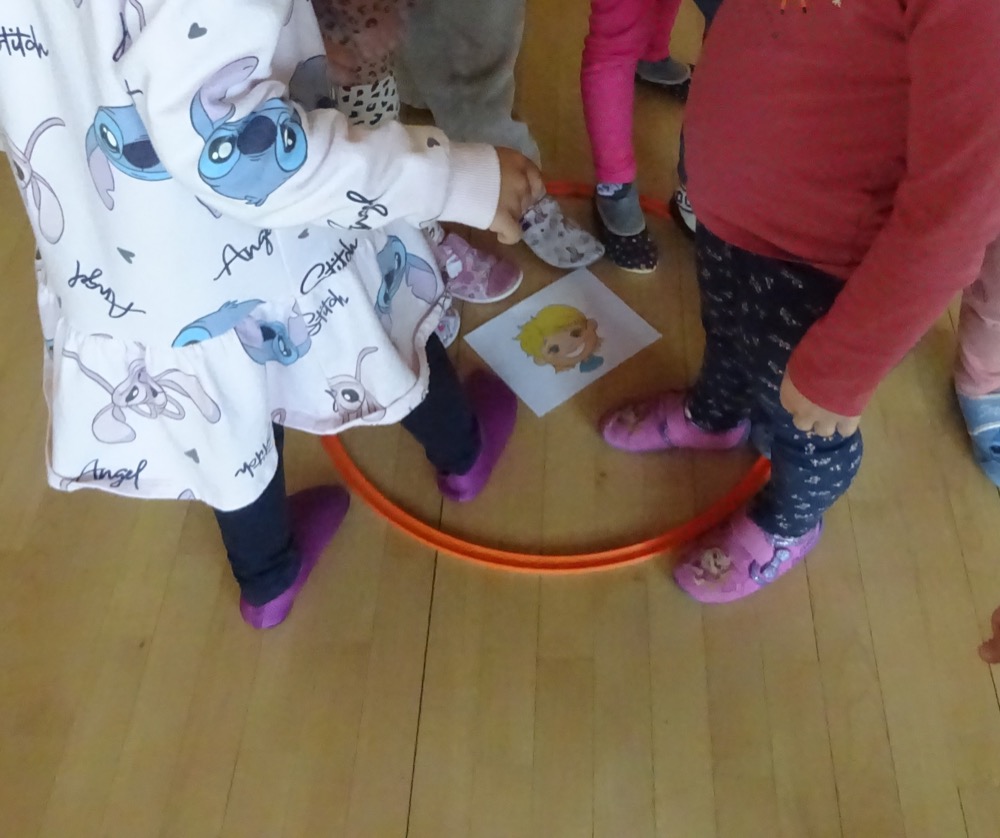
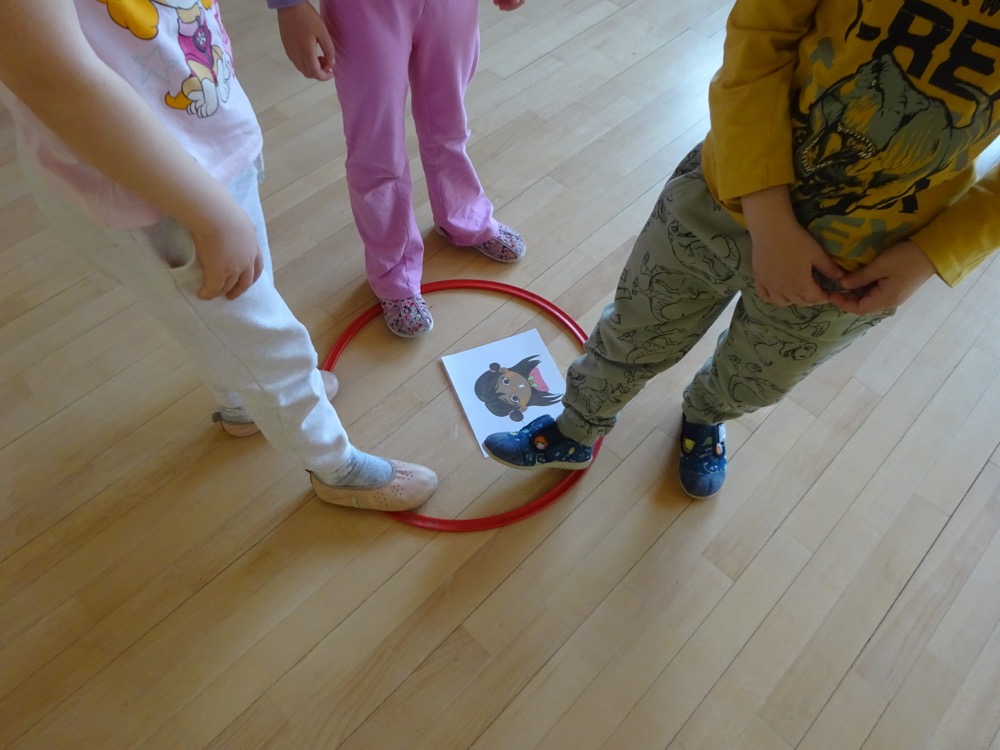
Use colored hoops, with each color representing a particular feeling. After listening to a piece of music, children step into the hoop that best matches the emotion they felt. This variation supports decision-making and personal interpretation.
Give each child a large sheet of paper and tempera paints. While listening to the music, they paint using colors and shapes that reflect what they feel. This approach allows for creative, individual expression and helps children visualize emotions through art.
Prepare a large sheet of paper with the contour of a child’s body and hang it on the wall.
Provide colored pastels so that children can paint their feelings inside the body outline, using different colors to show where and how they feel emotions while listening to music.
Create a shared music diary for the group, where children and teachers can record the pieces of music they listened to and the feelings connected with each one.
Over time, this diary can grow into a visual and emotional map of the group’s experiences with music.

Funded by the European Union. Views and opinions expressed are however those of the author(s) only and do not necessarily reflect those of the European Union or the European Education and Culture Executive Agency (EACEA). Neither the European Union nor EACEA can be held responsible for them.

All contents, in particular texts, pictures and graphics, are protected by copyright. Unless expressly stated otherwise, copyright is held by sel.eduskills.plus and is licensed under Creative Commons Attribution - Non-commercial - Distribution under the same conditions 4.0 International license. They may be subject to the terms of the license.
© 2024-2026 sel.eduskills.plus | Impressum