
| Basic | |
| 10-15 min | |
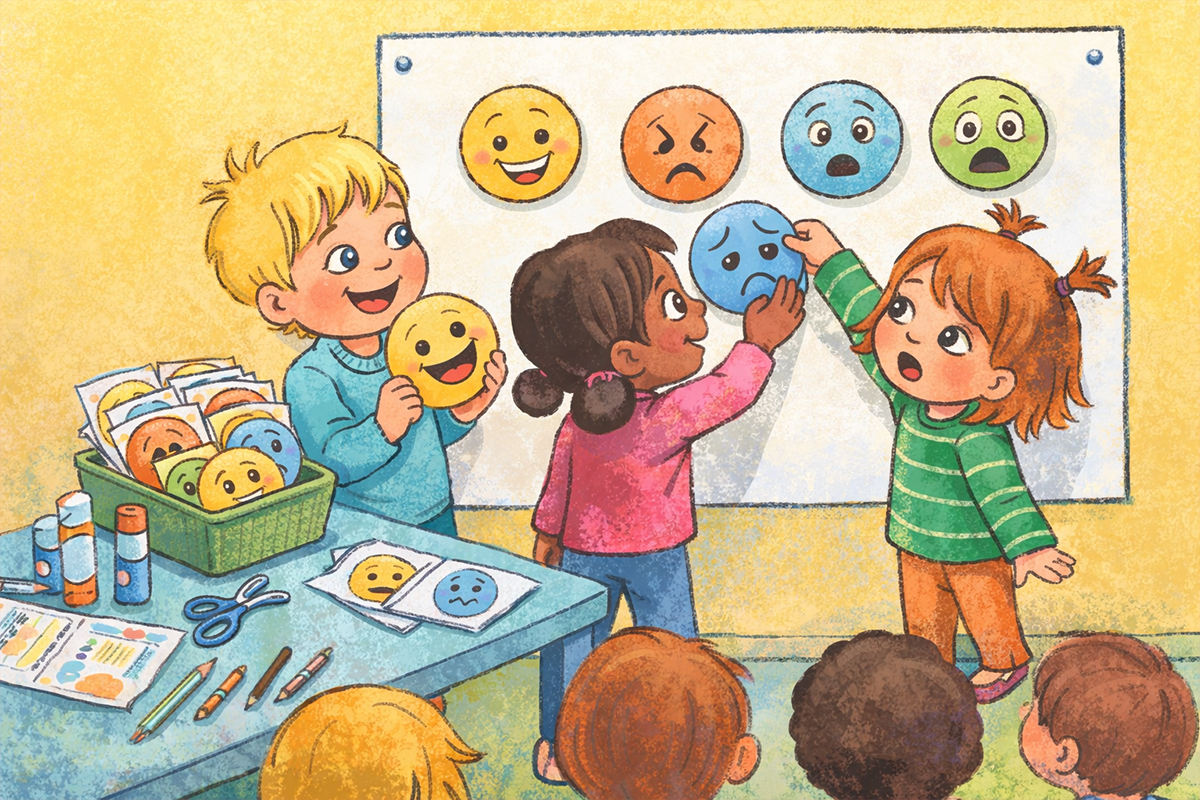
| Children pick an emotion face, name the feeling, share examples, and place it on a wall to build a collection of emotions together. | |
| Self-regulation | |
| Cognitive task Conversation Parents |
| Basic | |
| 10-15 min | |
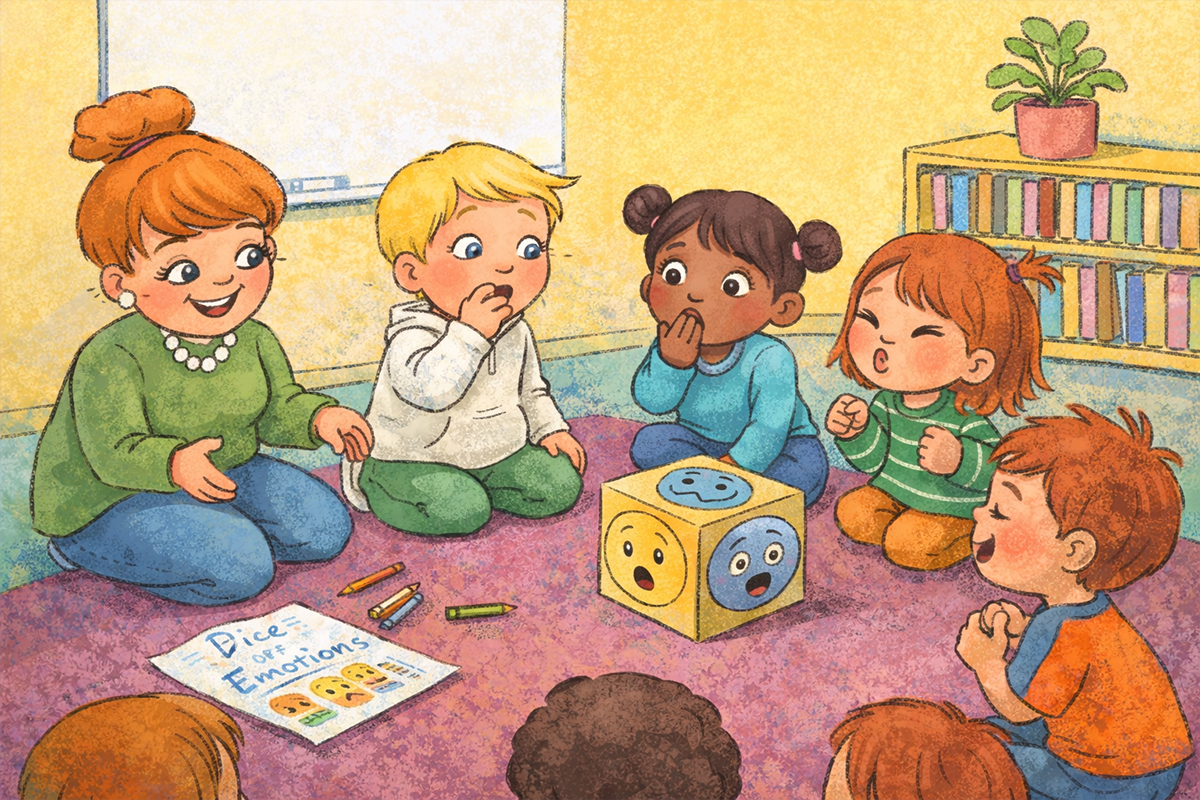
| Children roll the Dice of Emotions. They name the emotion and try to mimic them. | |
| Self-regulation | |
| Conversation Parents |
| Basic | |
| 5 sessions of approx. 20 min | |
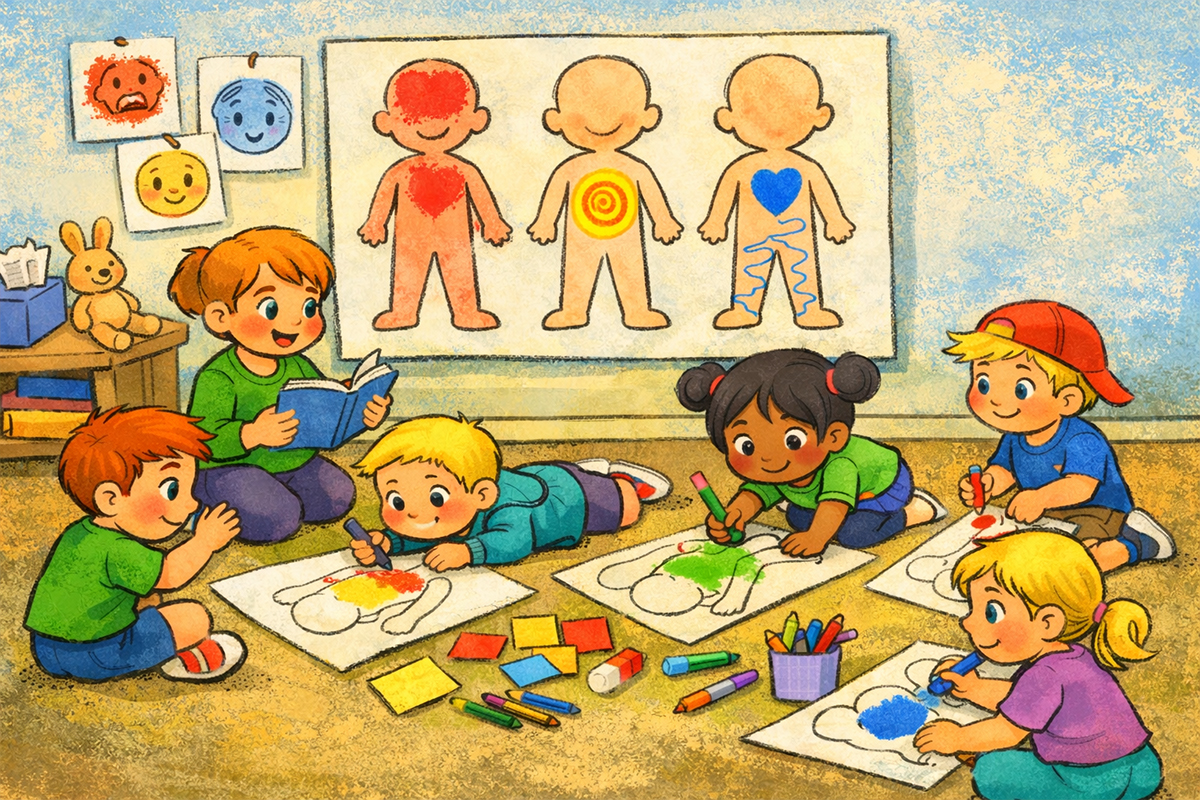
| Children listen to a story, share experiences, and map emotions on body outlines to explore how feelings show up in the body. The group, which should not be too large, is working on one emotion at a time, always presenting the same work pattern. | |
| Self-regulation | |
| Cognitive task Conversation Parents |
| Basic | |
| 1 h | |
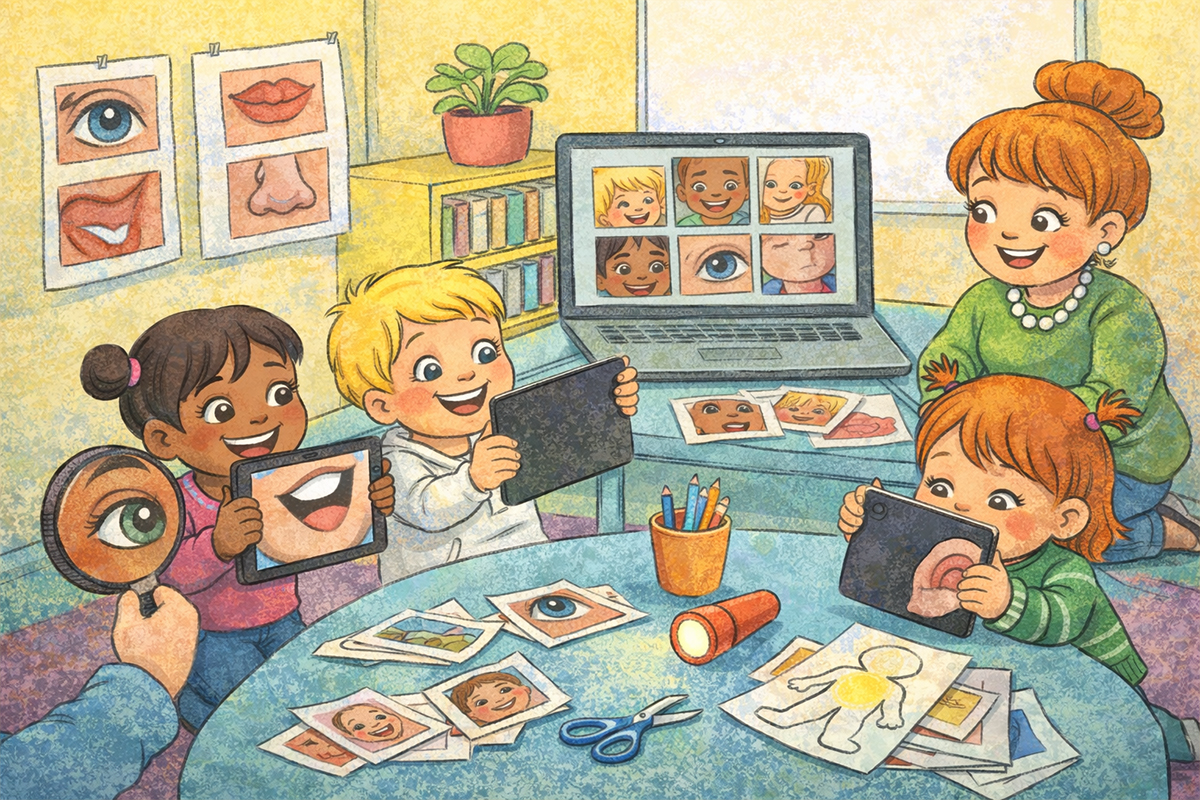
| Children take selfies and close-ups, guess who's who, and creatively edit photos to explore identity and self-expression. | |
| Self-regulation | |
| Art Cognitive task Conversation Parents |
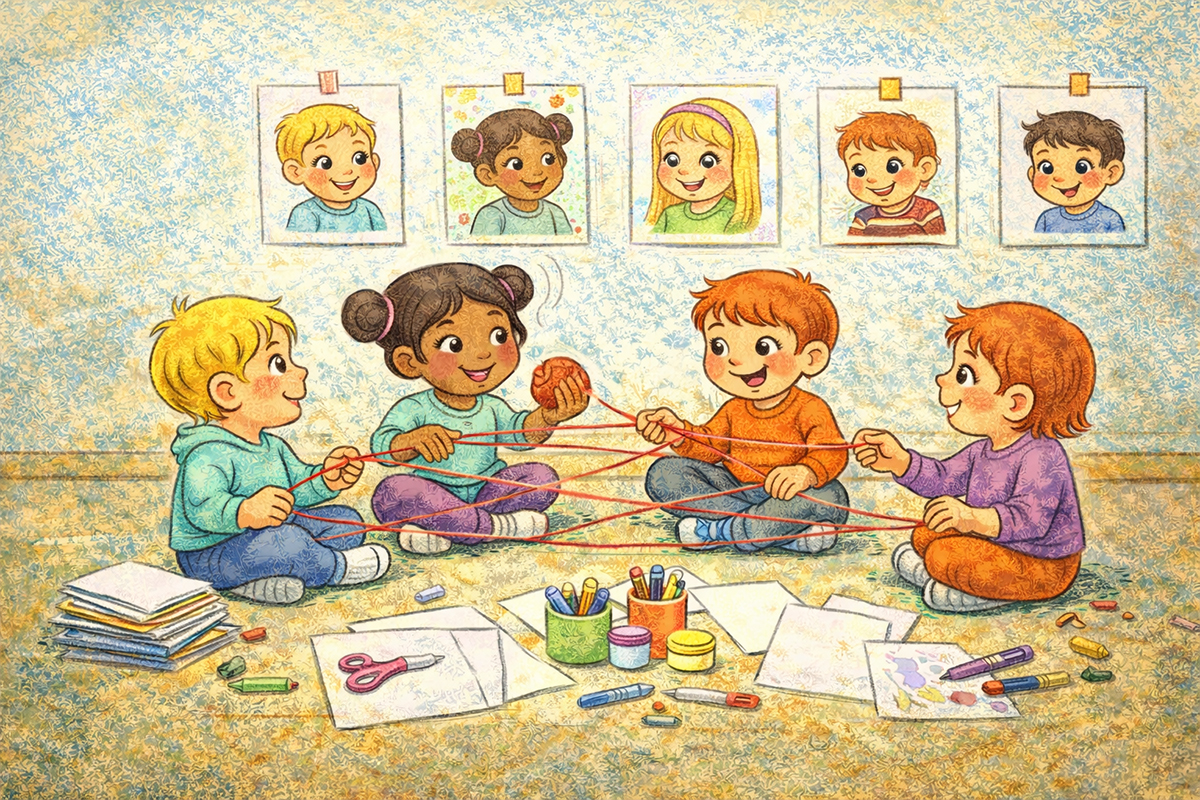
| Basic | |
| 20-30 min | |
| Children share something about themselves while passing a wool ball, creating a web of connection and drawing self-portraits afterward. | |
| Self-regulation | |
| Conversation |
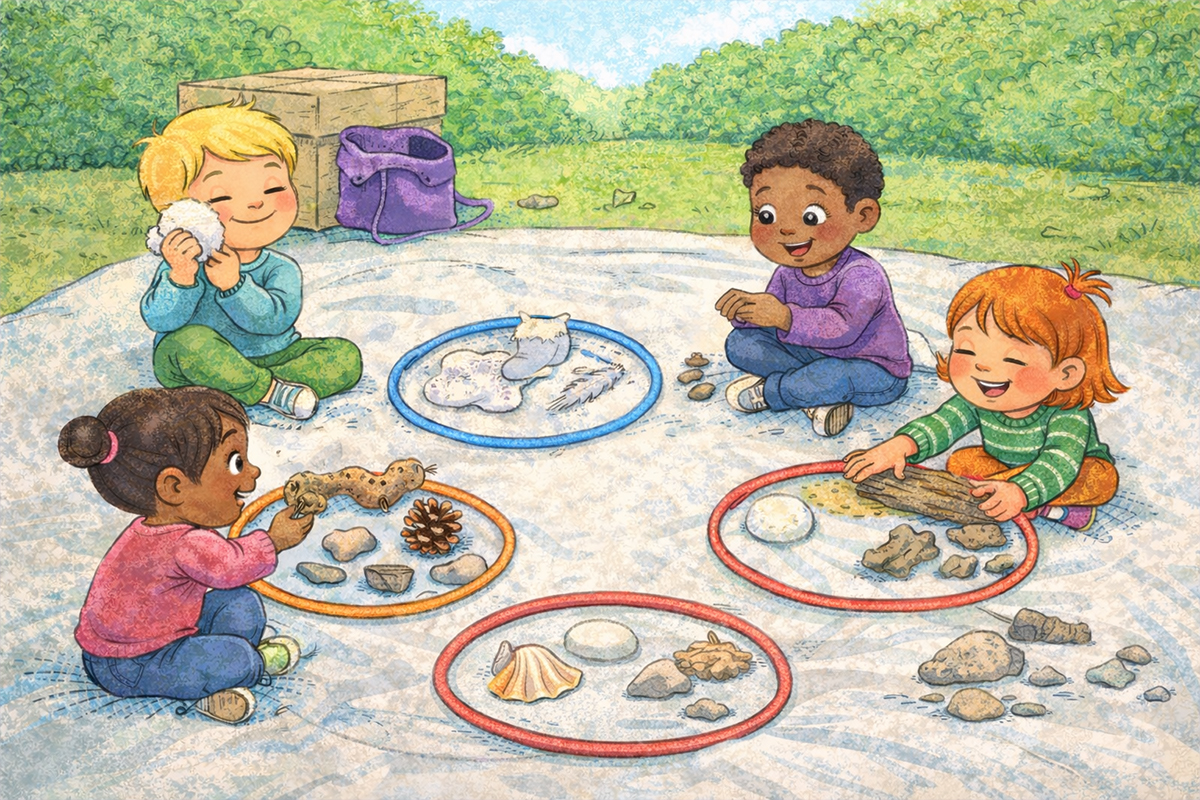
| Basic | |
| 1-2 days | |
| Children engage in hands-on exploration of various materials, discovering their unique properties while developing an awareness of their own tactile sensations. | |
| Self-regulation | |
| Cognitive task Conversation |
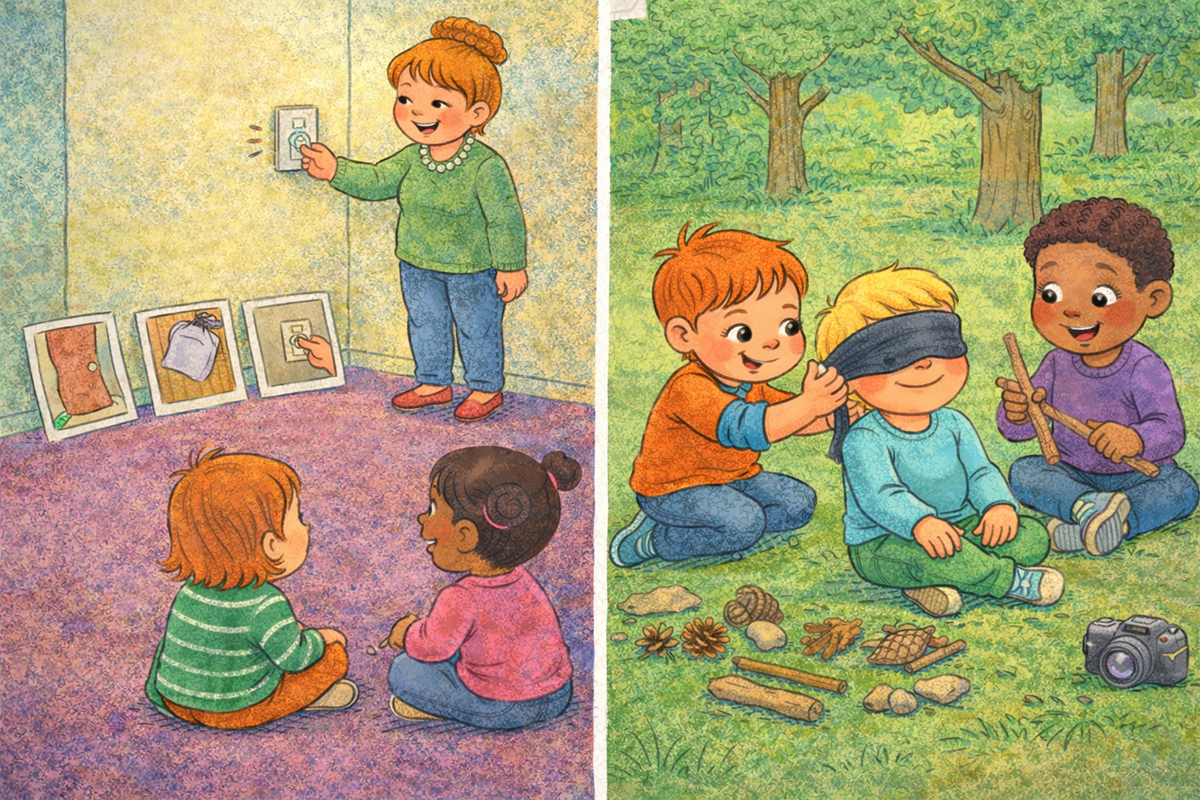
| Basic | |
| 4-5 sessions of approx. 20 min | |
| Children explore everyday and natural sounds, guess and create them, and reflect on how we experience sounds differently with eyes open or closed. | |
| Self-regulation | |
| Cognitive task Conversation Outdoors |
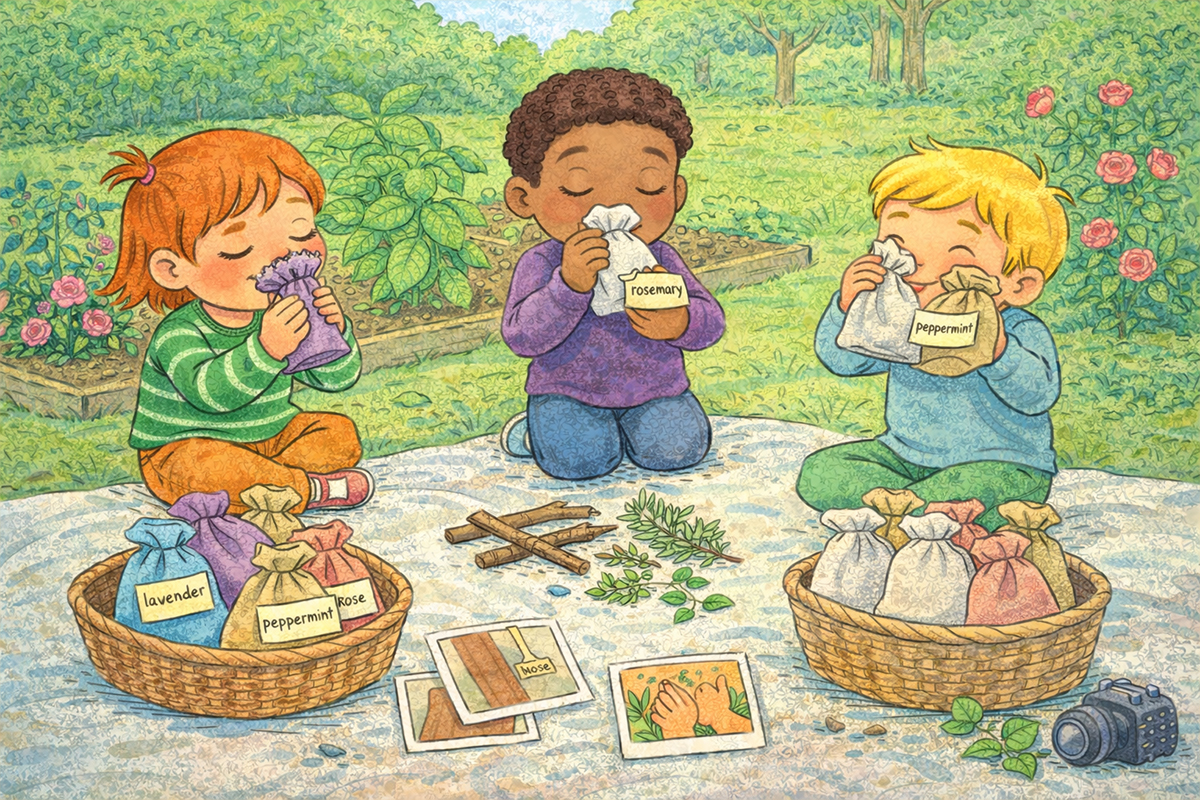
| Basic | |
| 20-30 min | |
| Children experience different smells outdoors. They create scented bags and use them for a memory game. Children develop their senses, strengthen communication skills and stimulate attention and memory. | |
| Self-regulation | |
| Cognitive task Conversation Movement Outdoors Parents |
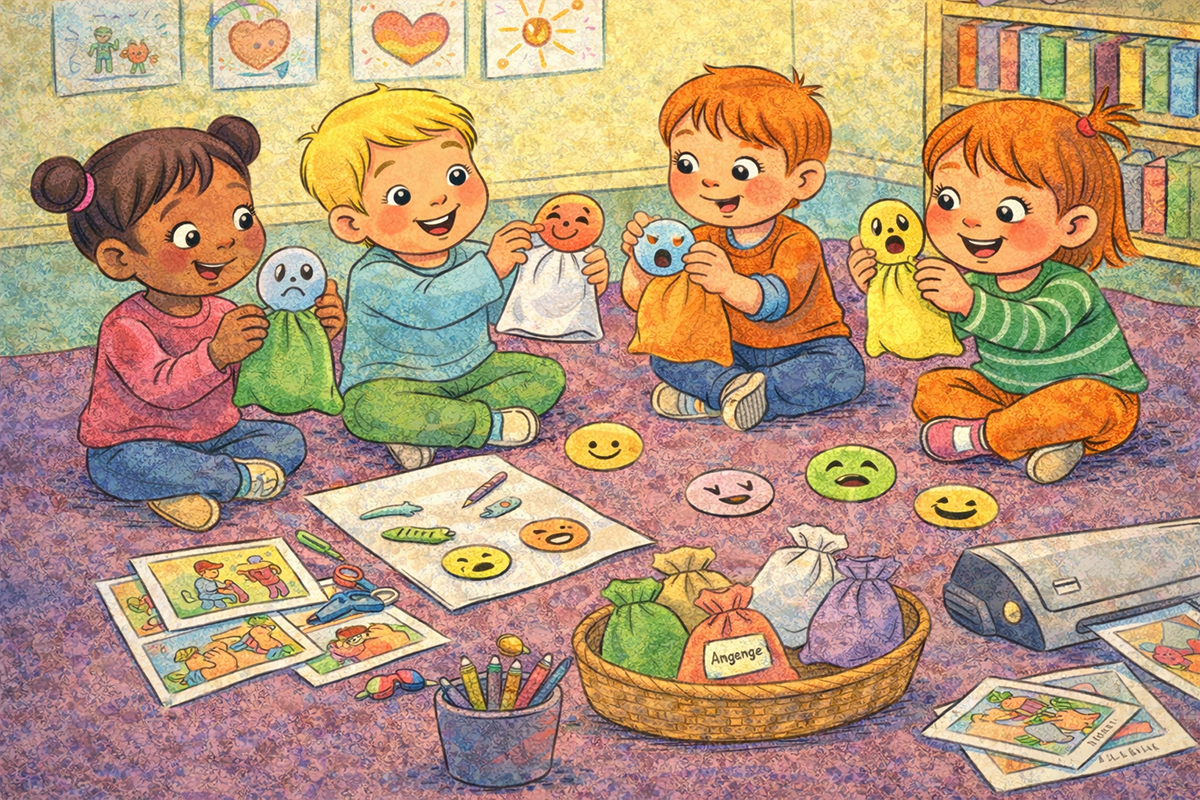
| Basic | |
| 2-4 sessions of approx. 20 min | |
| Create personal puppets with changeable emotion faces and explore feelings through play and daily life situations. | |
| Self-regulation | |
| Cognitive task Conversation Parents Storytelling |
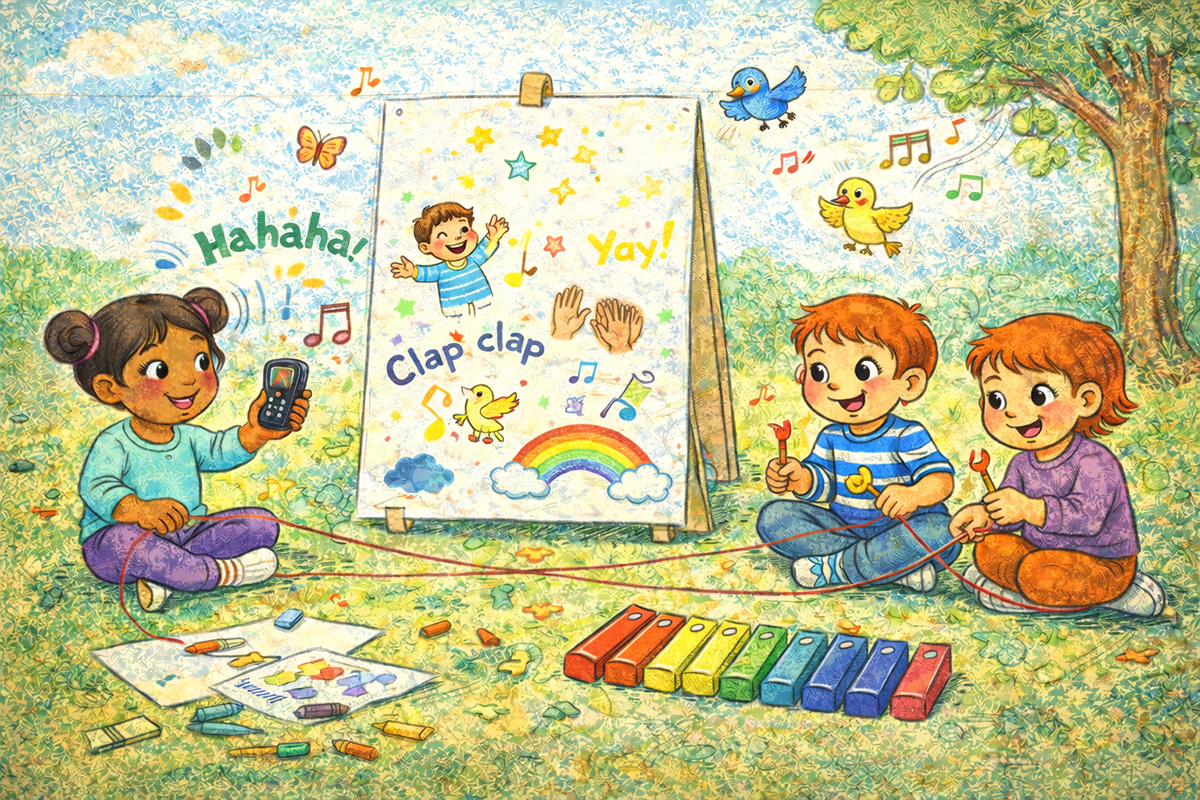
| Basic | |
| 3-4 sessions of approx. 20 min | |
| Children explore how joy sounds, collect real sounds, and create simple melodies or drawings inspired by joyful moments. | |
| Self-regulation | |
| Art Outdoors Parents |
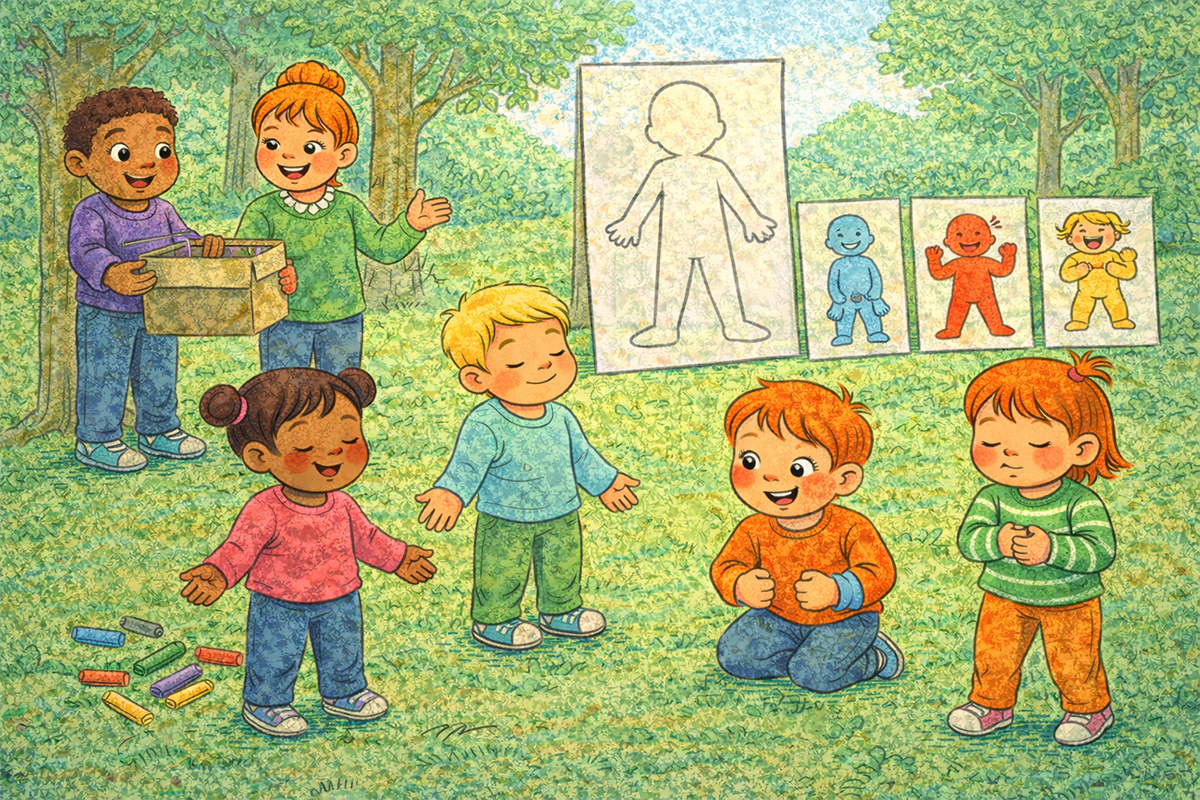
| Basic | |
| 20-30 min | |
| Children become aware of their emotional states through body stillness and movement. Guided by Miro and Kira, they practice self-regulation playfully. | |
| Self-regulation | |
| Cognitive task Movement Outdoors |
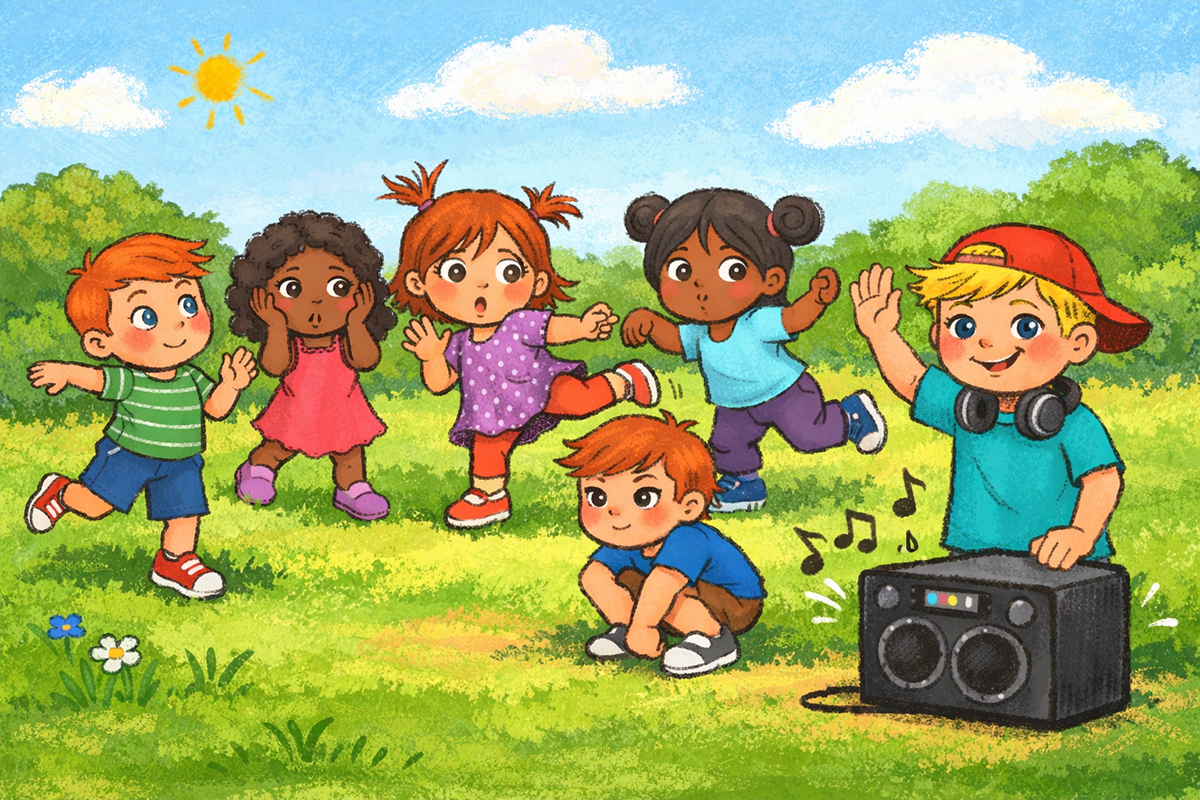
| Basic | |
| 20-30 min | |
| Children develop self-regulation and flexibility. They become aware of and connect with their body. | |
| Self-regulation | |
| Movement Music Outdoors |
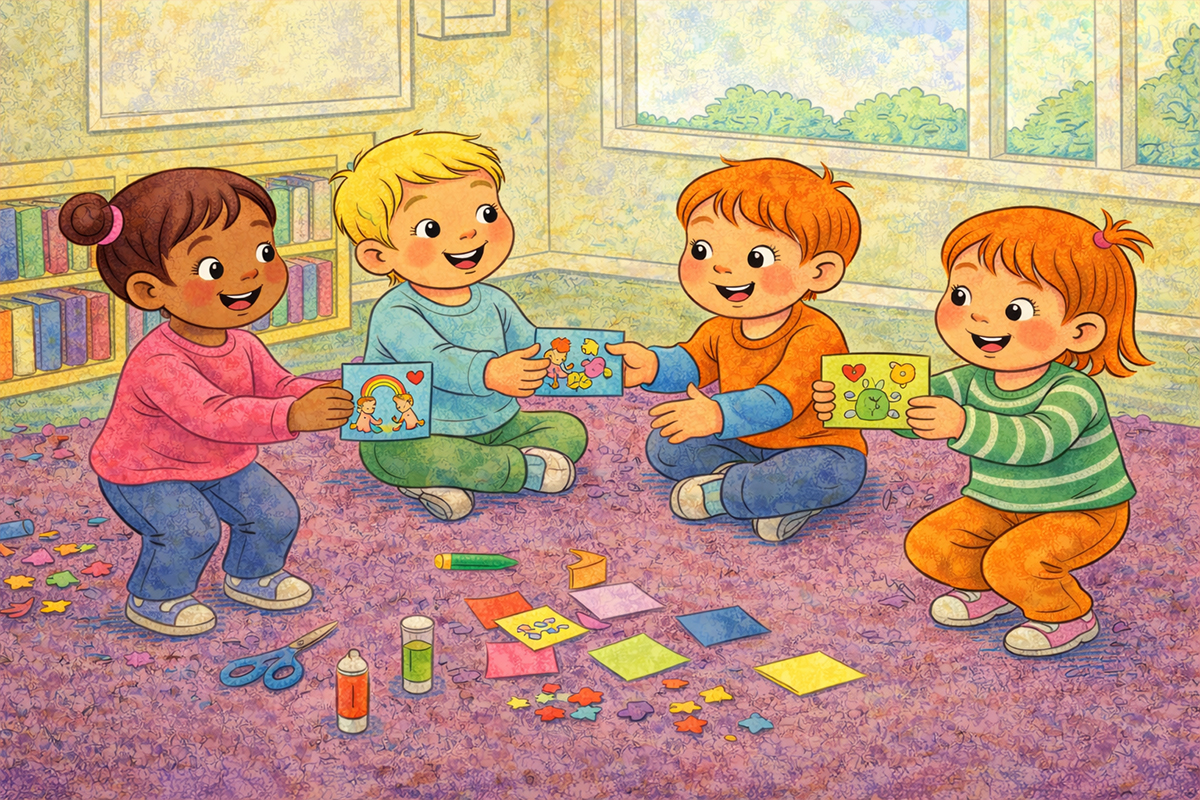
| Basic | |
| 1 h | |
| Children explore what makes them feel good and create a small gift to bring joy to a peer, learning about needs, empathy, and kindness. | |
| Wellbeing | |
| Art Conversation |
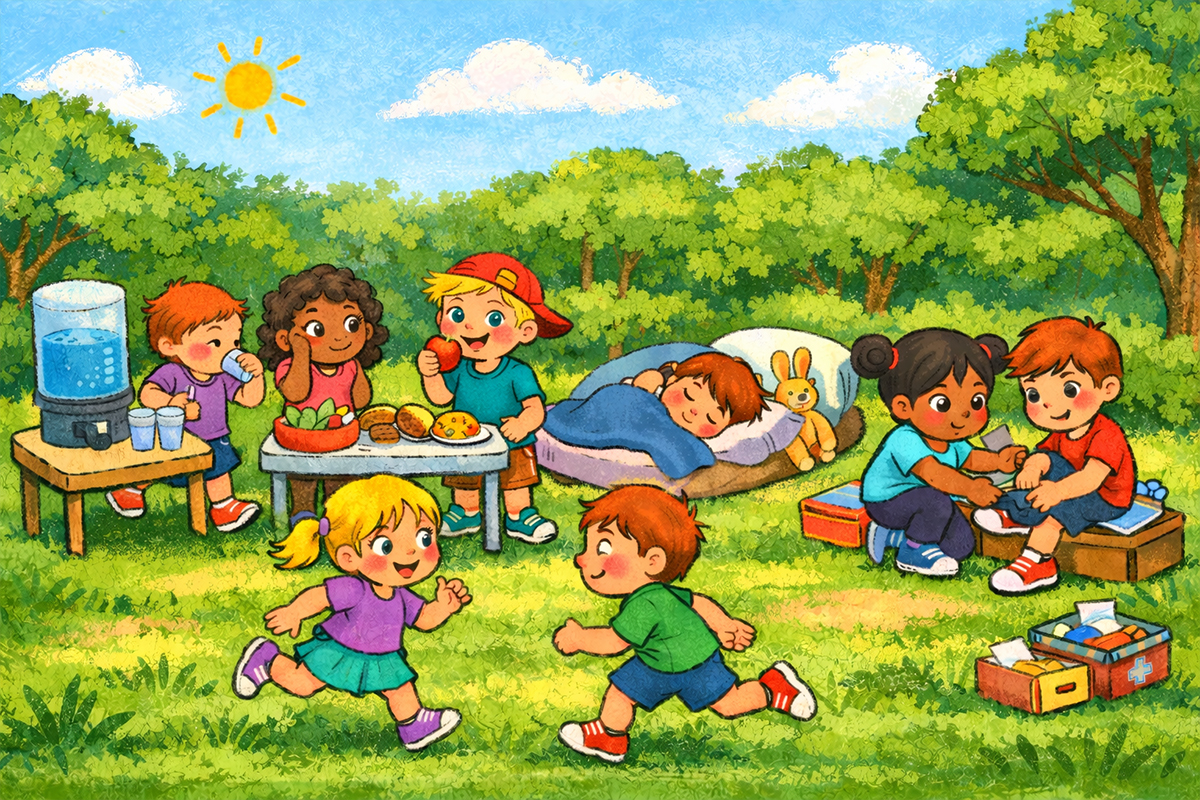
| Basic | |
| 20-30 min | |
| Through this fun and dynamic movement activity, children explore how people share basic needs like food, hydration, and rest, while understanding that needs can differ based on circumstances and emotions. | |
| Wellbeing | |
| Movement |
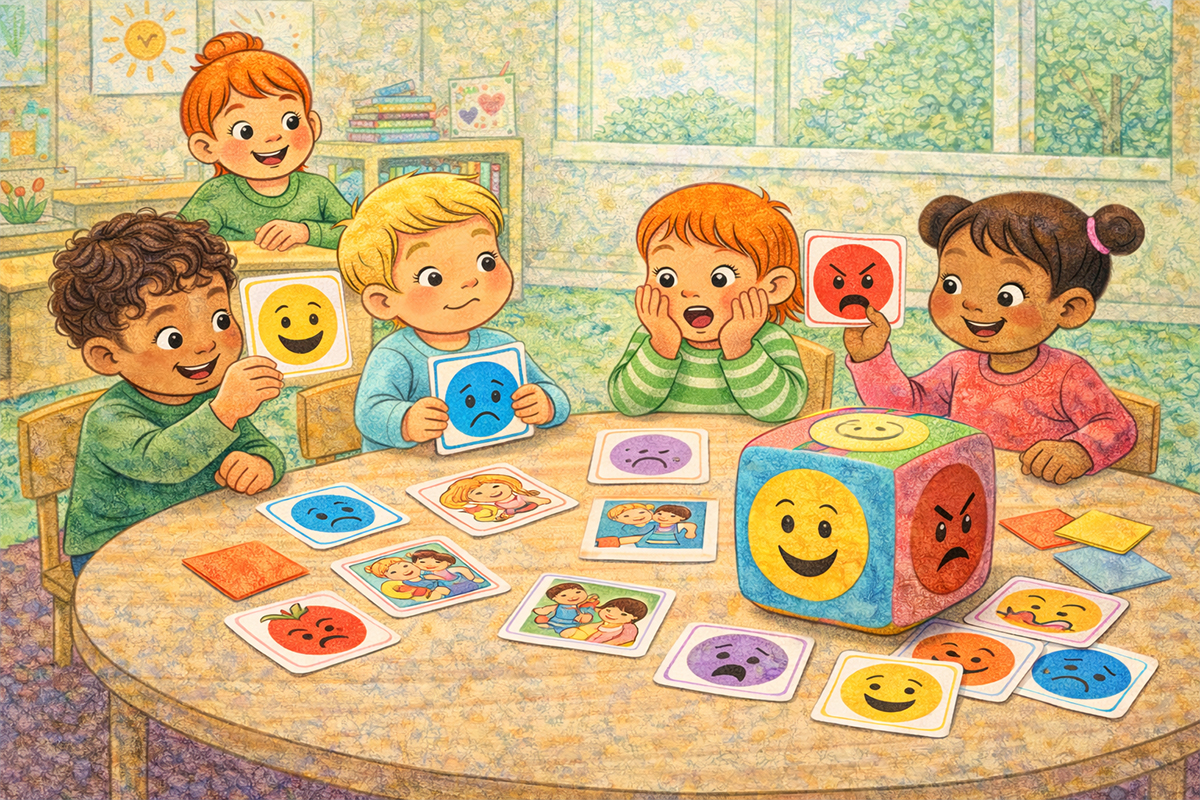
| Basic | |
| 4 sessions of approx. 30 min | |
| Children learn to recognize, understand, and express their own and others’ emotions using emotion cards, while exploring the situations that trigger them. | |
| Art Conversation Parents Storytelling |
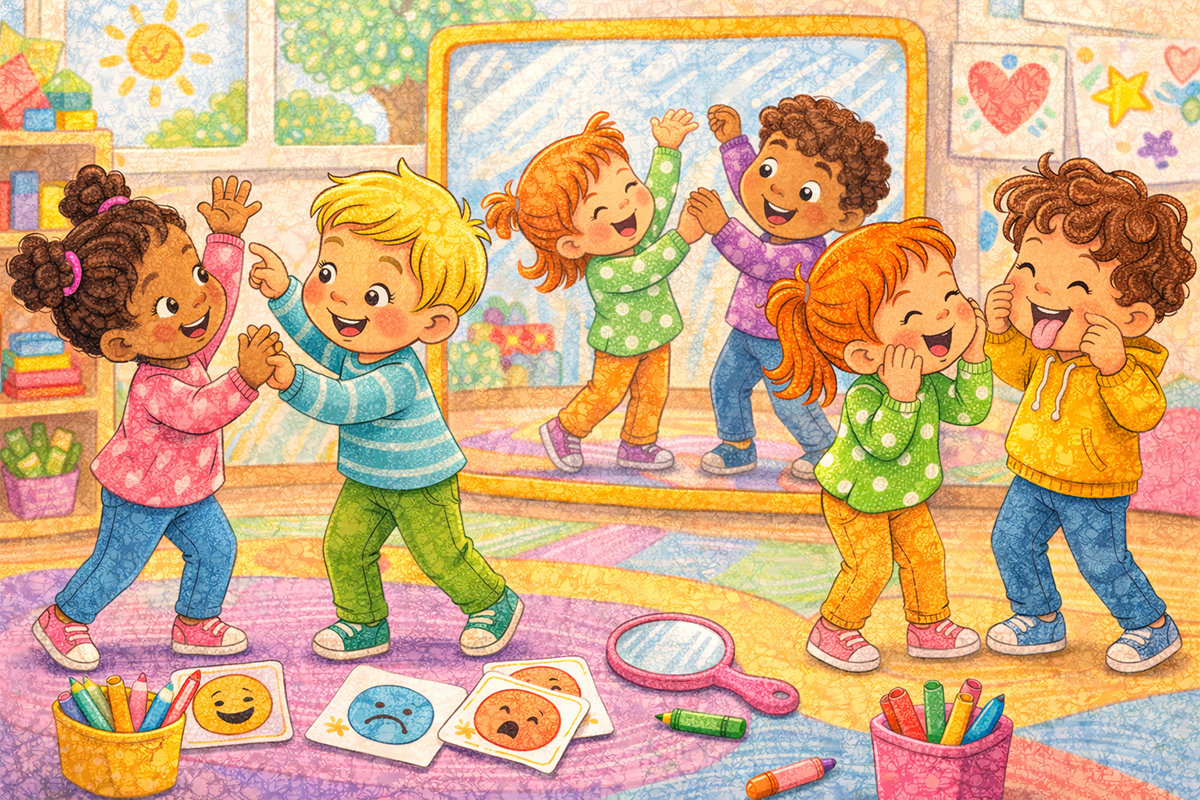
| Basic | |
| 20-30 min | |
| Children sort picture cards into emotion boxes, reflect on emotional associations, and share personal stories to build empathy and emotional awareness. | |
| Conversation Parents |
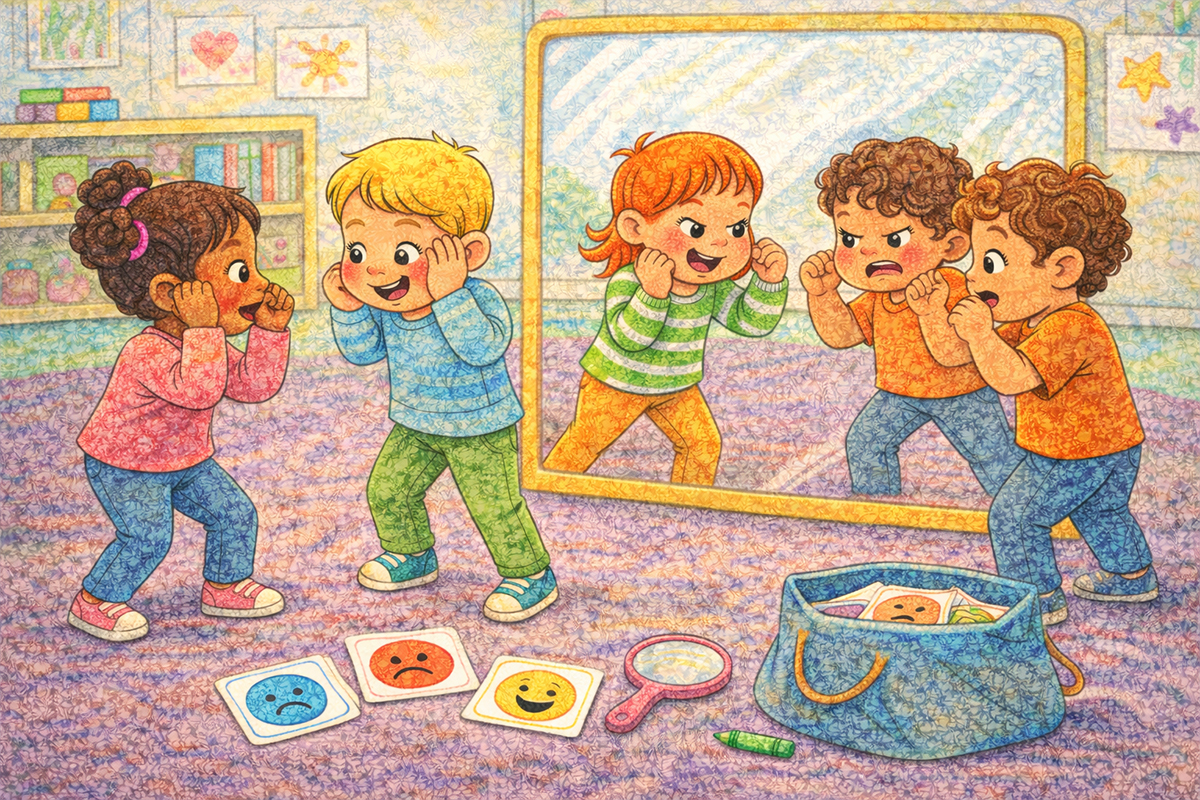
| Basic | |
| 20-30 min | |
| Through playful mirroring, children activate mirror neurons - supporting the development of empathy, emotional awareness, and cognitive growth. This activity also fosters a sense of being seen and understood, and helps children develop the language of emotions. | |
| Movement Music Outdoors Parents |
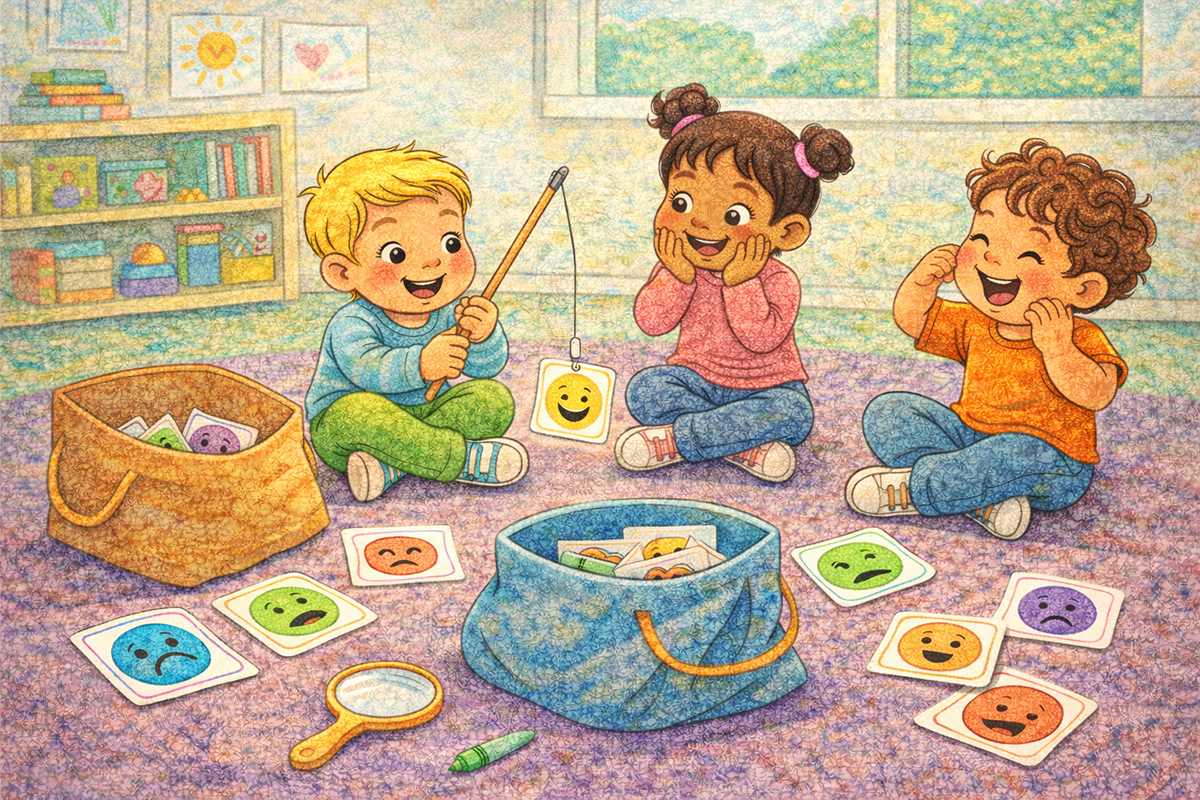
| Basic | |
| 2 sessions of approx. 30 min | |
| Children “fish” for emotion cards, act out or recall related experiences, and build emotional expression and recognition through playful storytelling. | |
| Conversation |
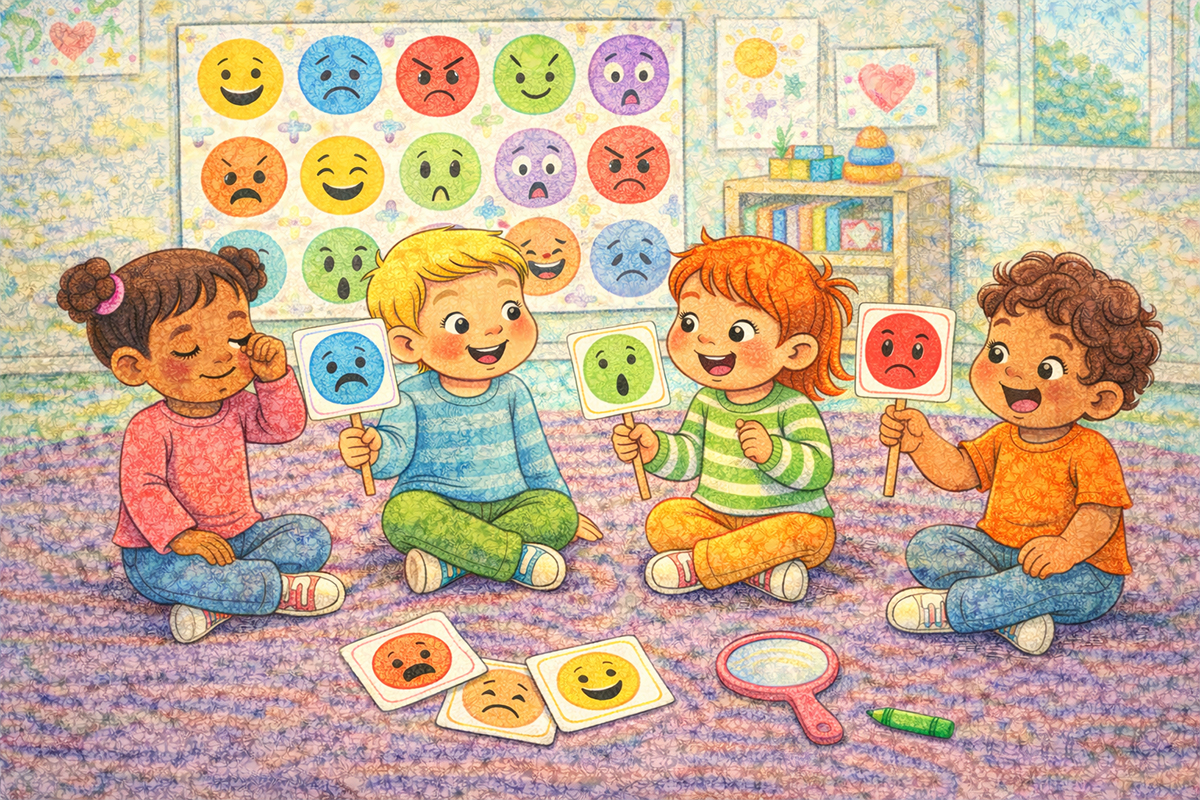
| Basic | |
| 1 h | |
| Children take turns asking each other how they feel, choose an emotion face, and explain their feelings to build empathy and emotional awareness. | |
| Conversation Storytelling |
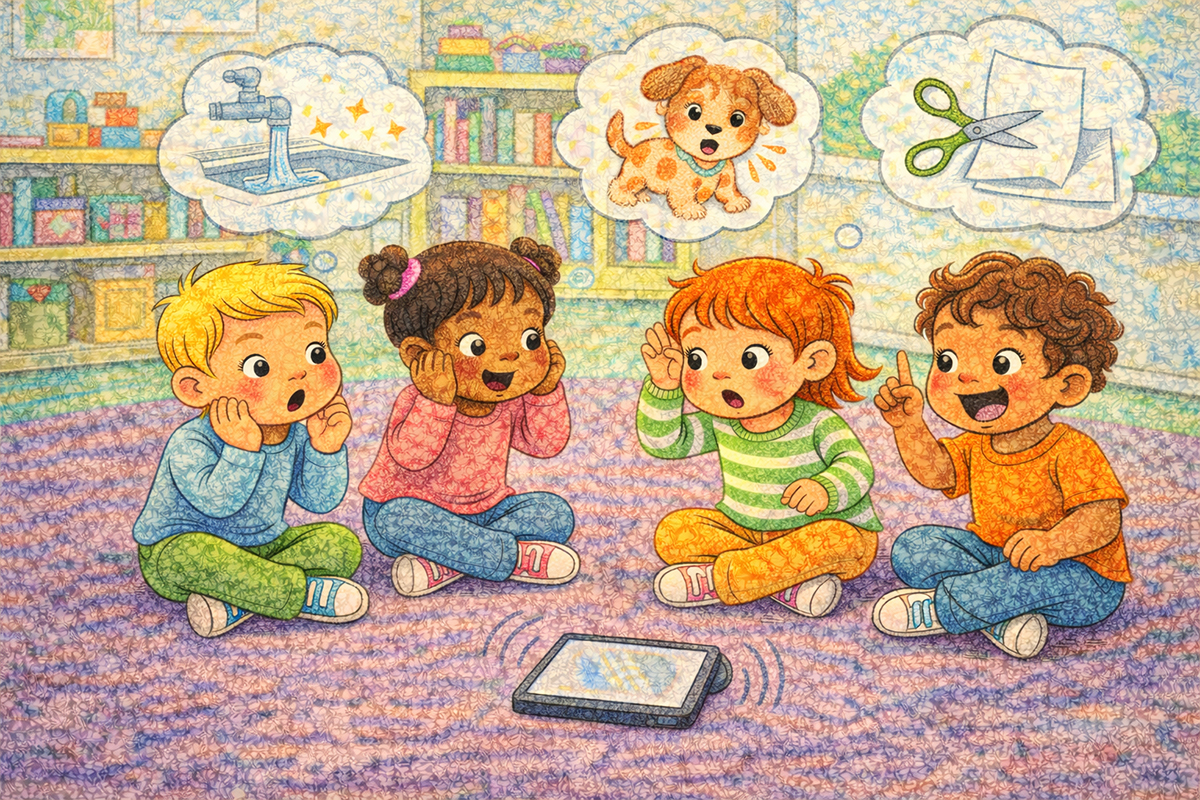
| Basic | |
| 20-30 min | |
| Children listen to different sounds, guess their source, and reflect on their listening experience to build focus, memory, and auditory awareness. | |
| Cognitive task Conversation |
| Basic | |
| 20-30 min | |
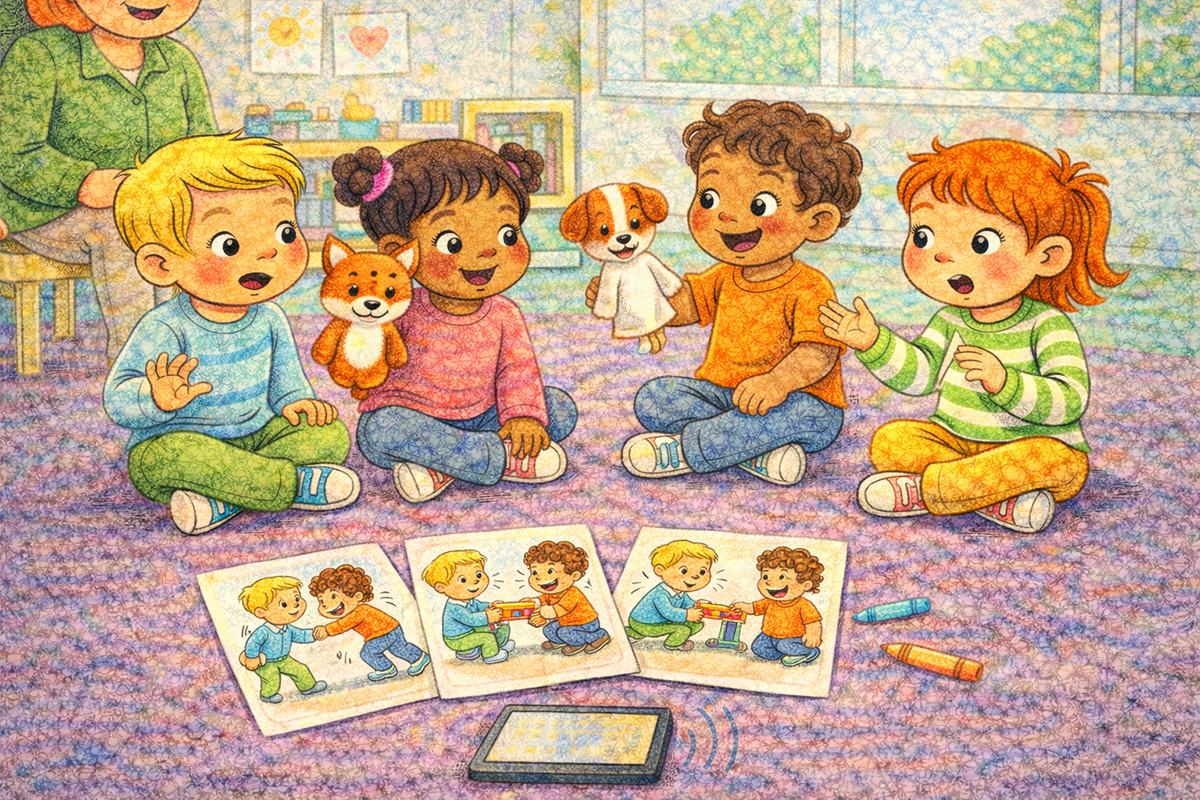
| Children work on day-to-day social situations from kindergarten that can be challenging. Alternatives are given as to how the children can behave. In discussions with the help of picture cards and/or in role play, the children deal with the ideas and find their own solutions. | |
| Critical thinking | |
| Conversation Storytelling Cognitive task |
| Basic | |
| 1 week | |
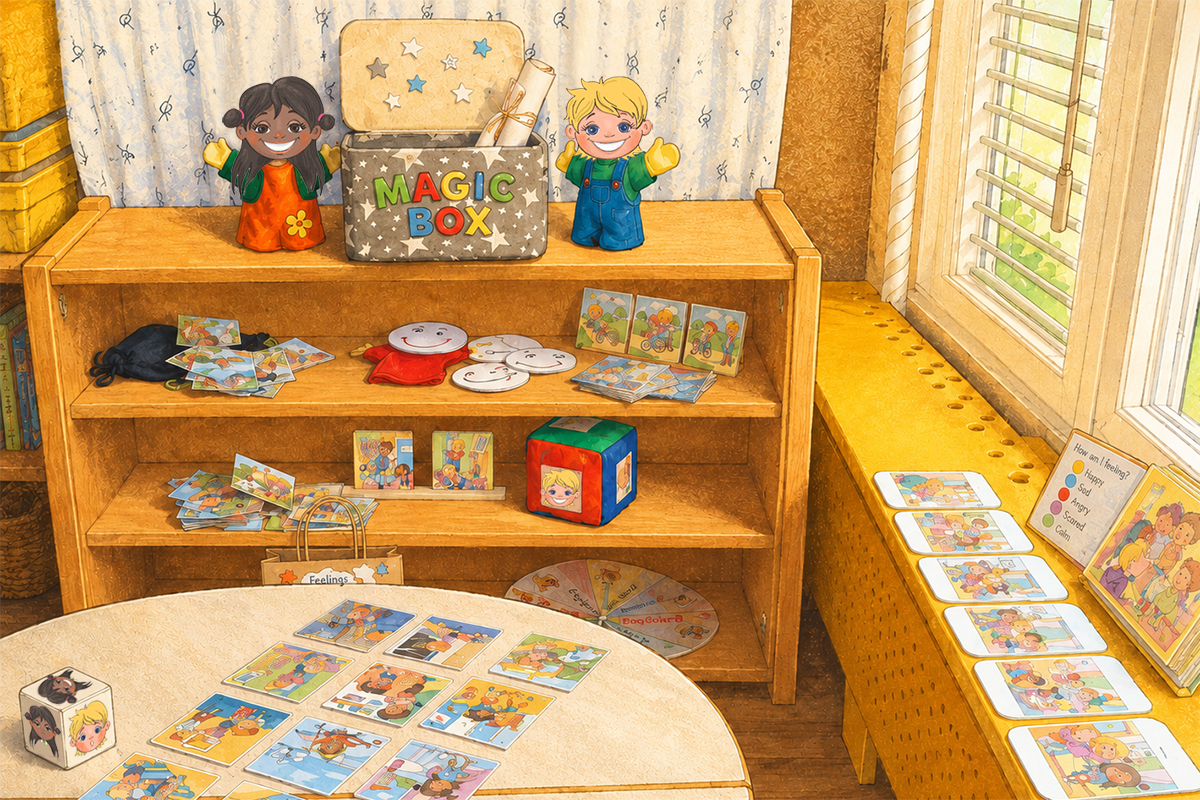
| Children co-create a cozy SEL corner—a space for exploring emotions, expressing feelings, and practicing social and emotional learning through play. | |
| Conversation Cognitive task |
| Advanced | |
| 20-30 min | |
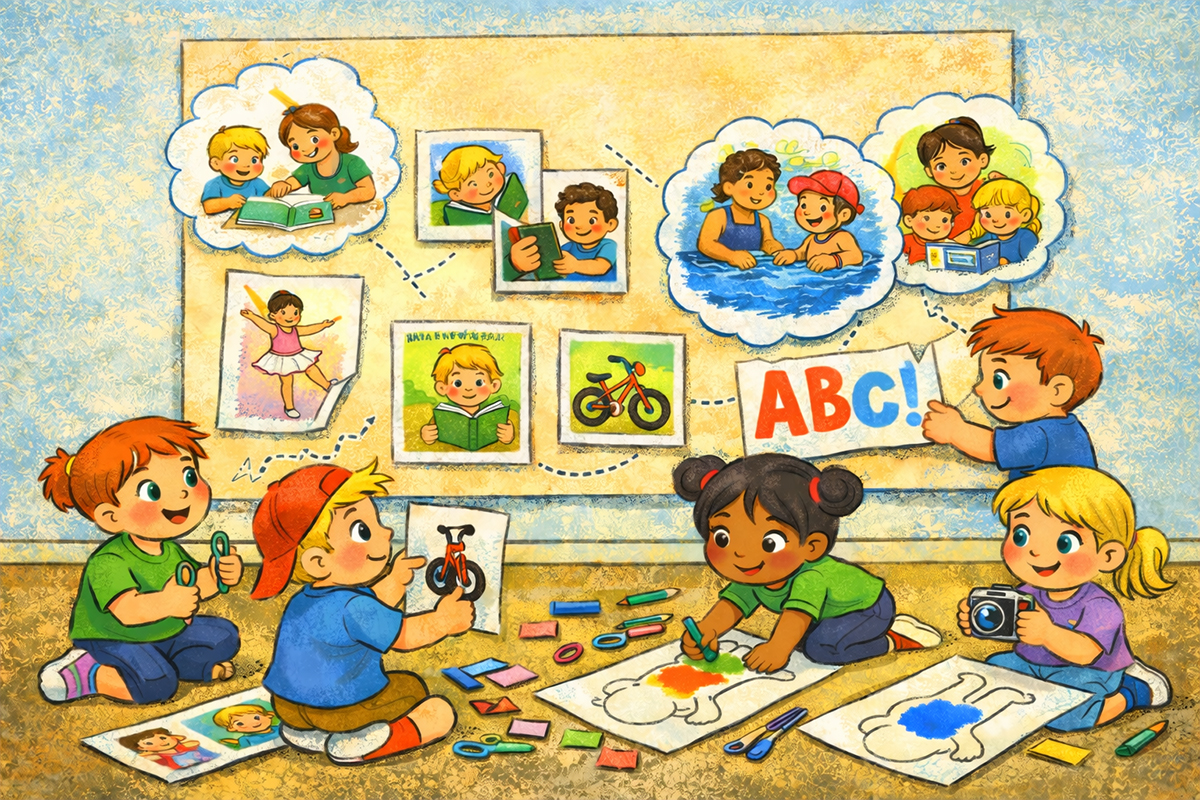
| Children develop an awareness of learning paths. They learn that they can achieve goals through their own effort, practice and persistence. They develop an awareness that other people can help us during the learning process. | |
| Managing learning | |
| Cognitive task Conversation |
| Advanced | |
| 1 week | |
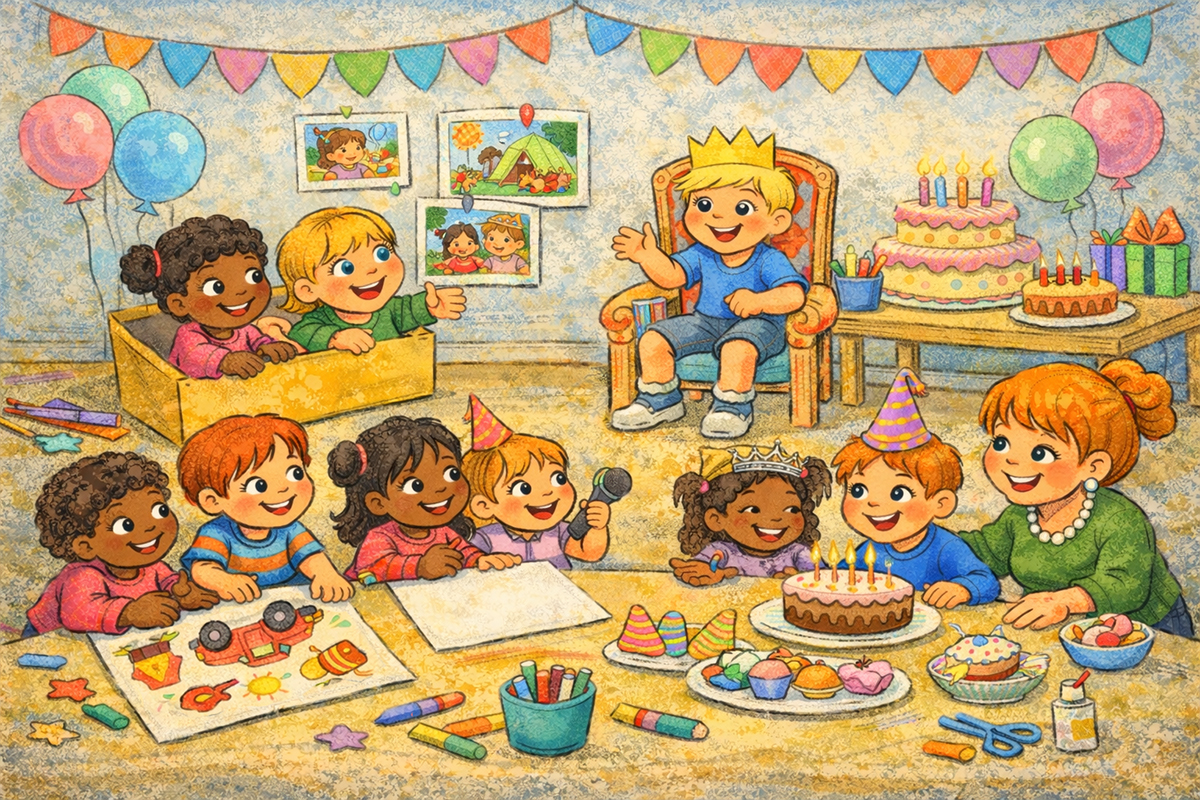
| Children plan and celebrate their own special day. They learn about their needs, develop planning and social skills, recognize their self-worth and importance to the group, and enjoy meaningful celebrations together. | |
| Growth mindset | |
| Cognitive task Conversation Movement Music |
| Advanced | |
| 20-30 min | |
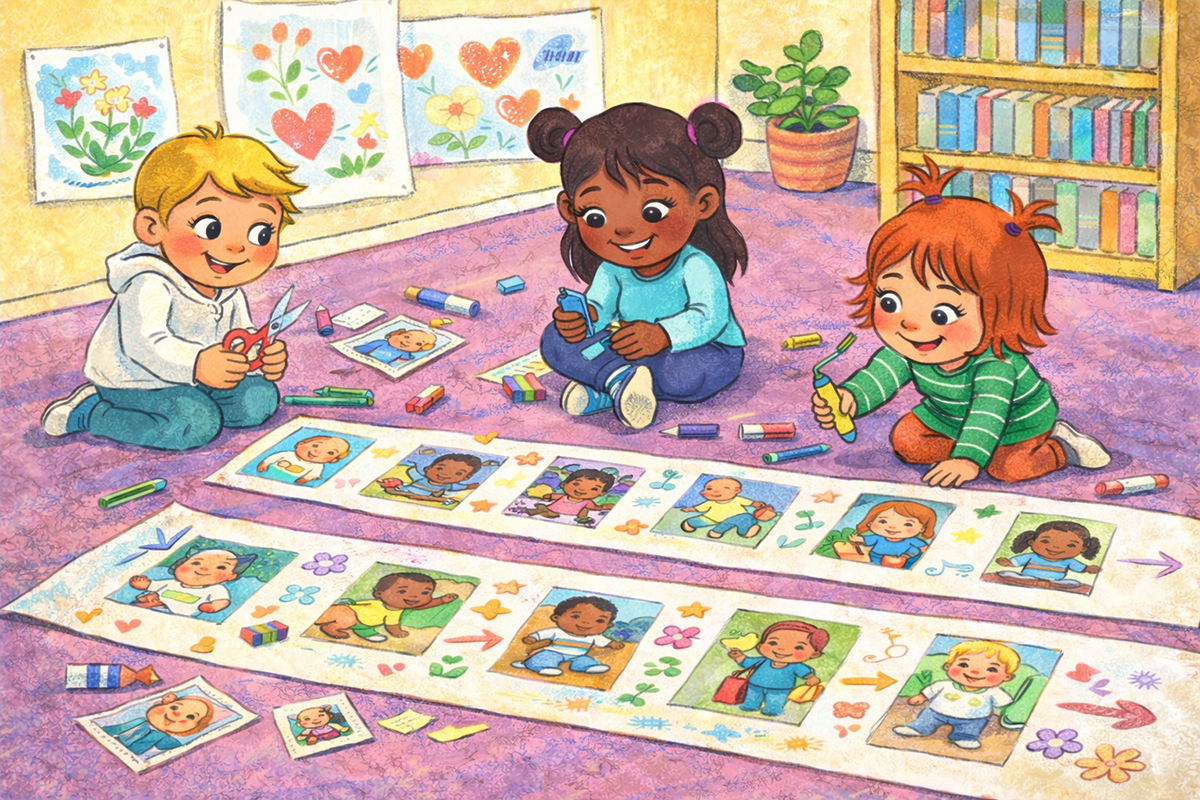
| Children create personal timelines using photos and drawings, reflect on how they have grown, and celebrate their learning and achievements. | |
| Growth mindset | |
| Art Cognitive task Conversation |
| Advanced | |
| 1 week | |
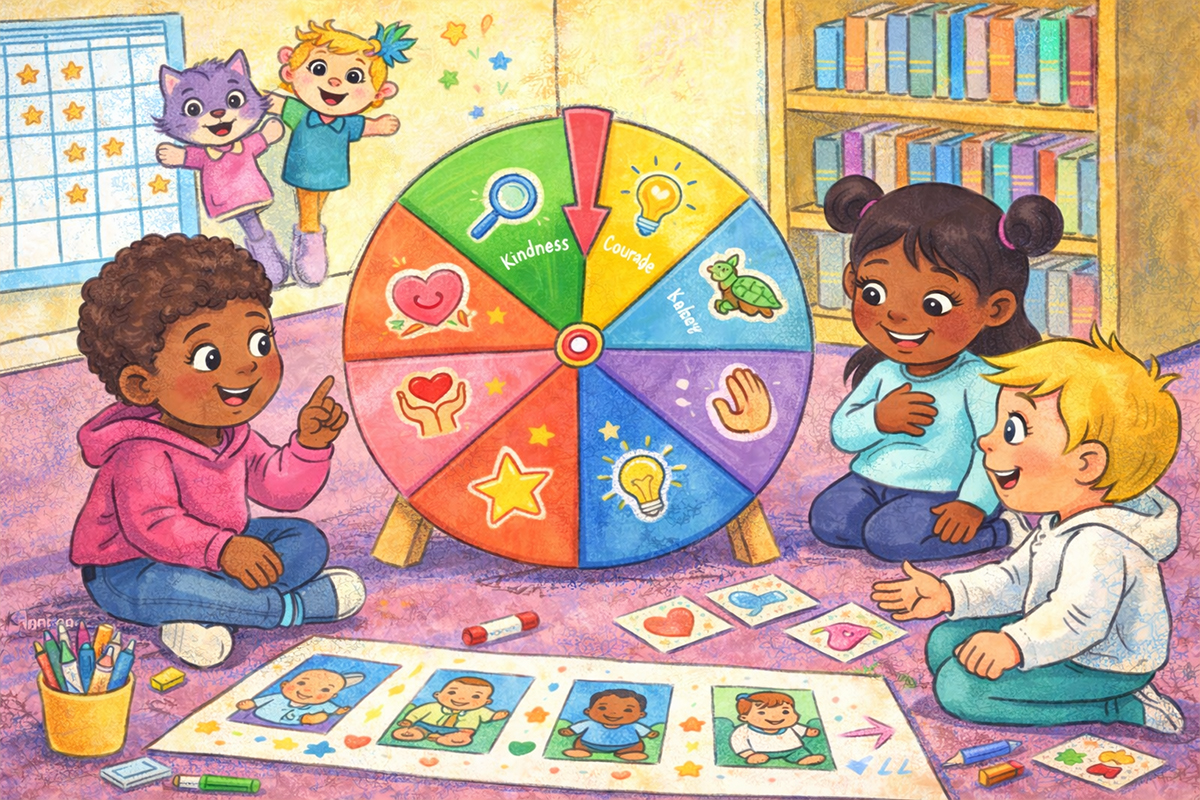
| "My Superpowers" helps children recognize their strengths like kindness, curiosity, and patience, using a colorful wheel of superpowers. | |
| Growth mindset | |
| Conversation |
| Advanced | |
| 20-30 min | |
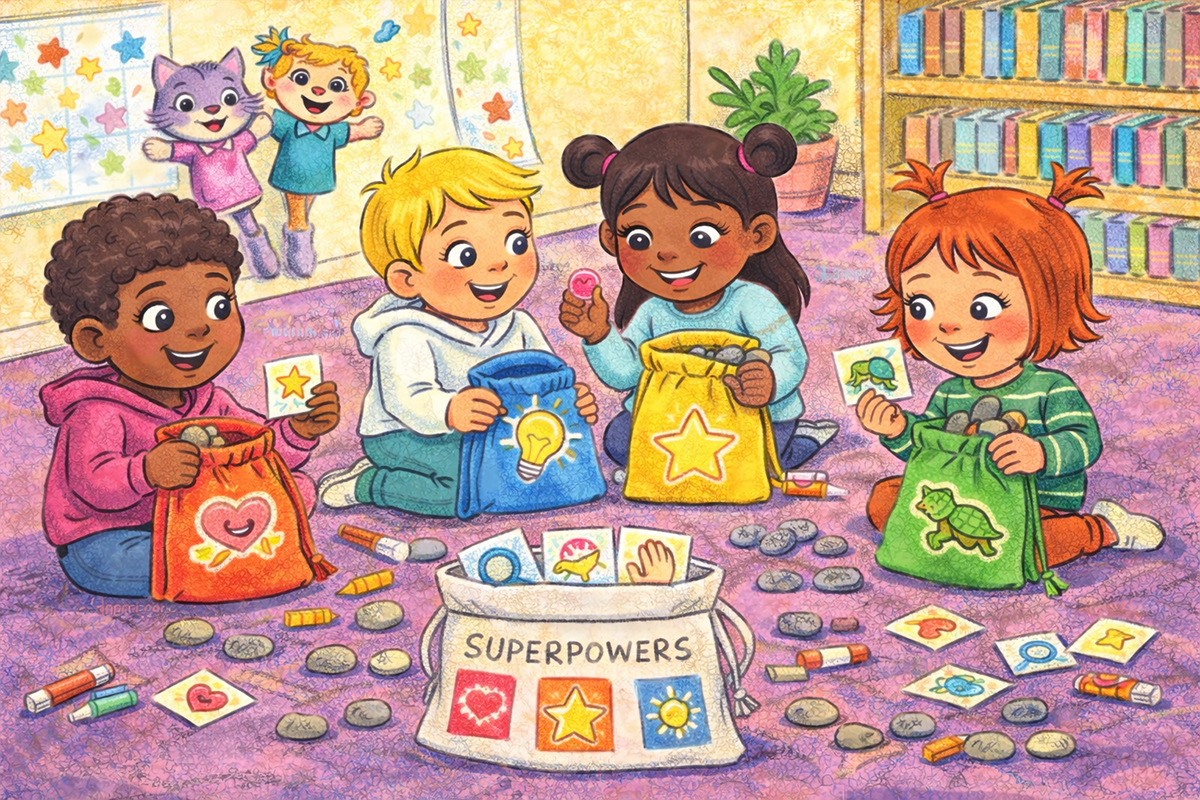
| "The Superpower Bag" helps children track their progress in recognizing and developing self-awareness, positive traits, and social skills. | |
| Growth mindset | |
| Other |
| Advanced | |
| 20-30 min | |
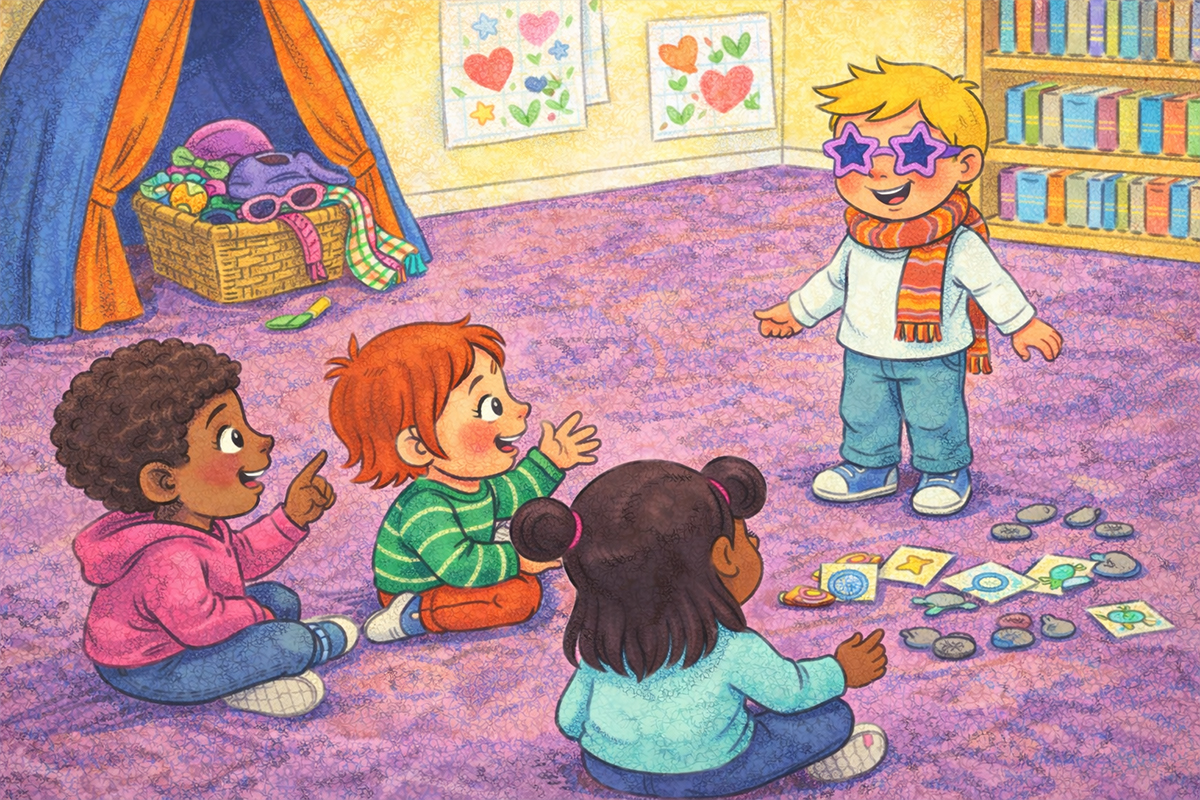
| Children try to identify changes in the appearance, clothing, or accessories of another person. The task of this activity is to compare, decide, and think critically. | |
| Critical thinking | |
| Cognitive task Conversation Movement |
| Advanced | |
| 20-30 min | |
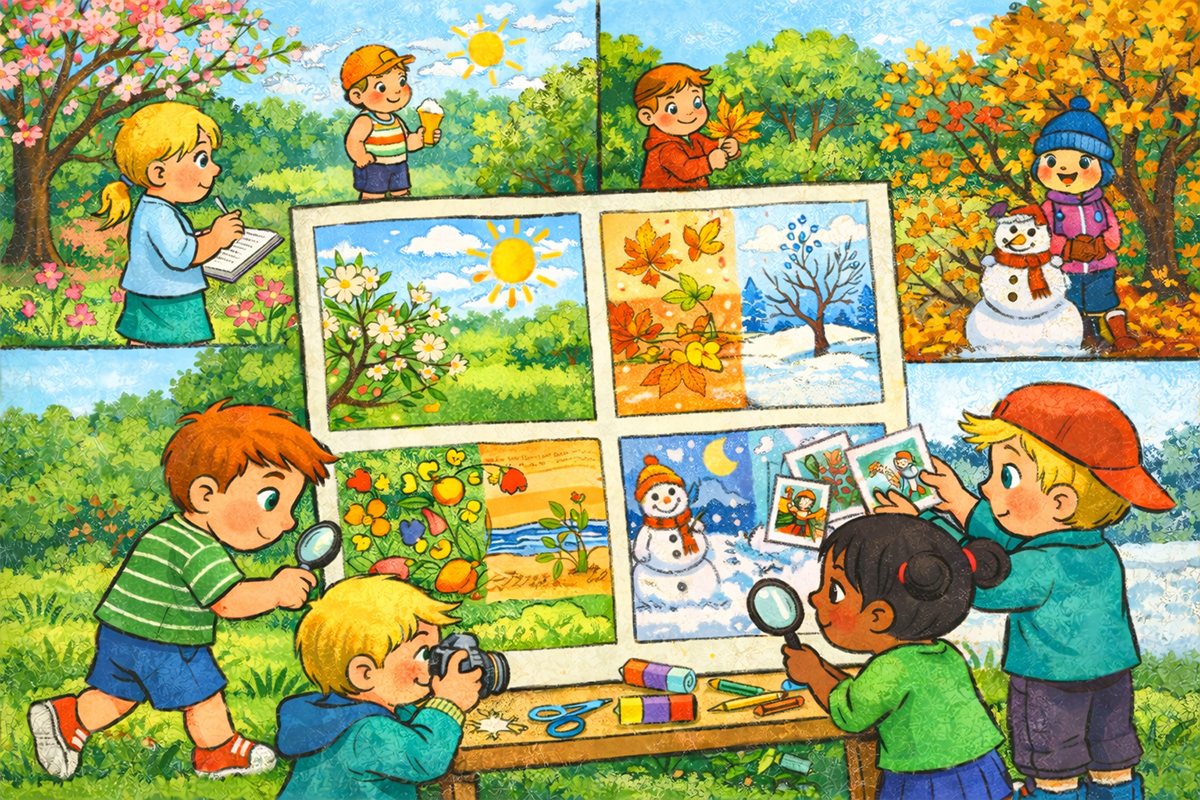
| Children become aware of changes as a part of life. They feel better connected to their surroundings, use explorative skills, and experience daily changes as something interesting they don’t have to fear. | |
| Flexibility | |
| Cognitive task Conversation Outdoors |
| Advanced | |
| 20-30 min | |
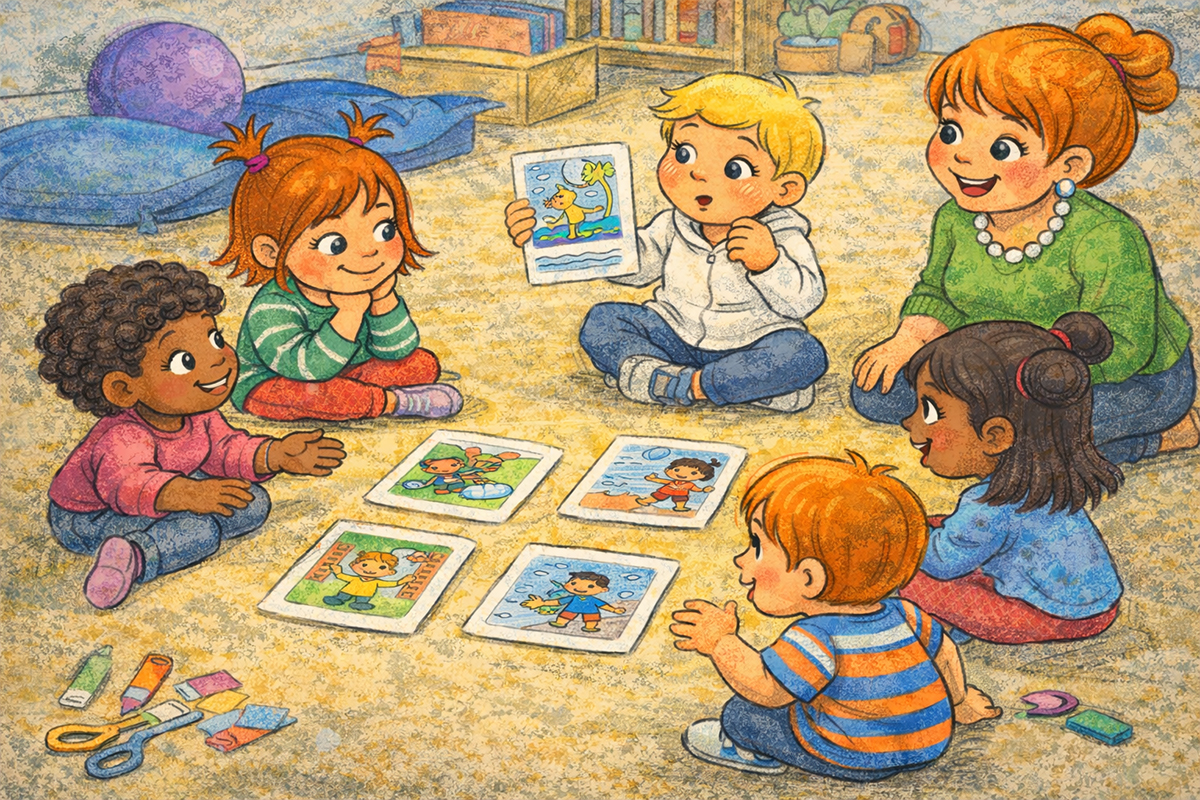
| Through “What If?” questions, children become more aware of cause and effect. They strengthen creative and critical thinking, develop adaptive strategies for challenges, and experience the value of collaboration. | |
| Critical thinking | |
| Cognitive task Conversation |
| Advanced | |
| 20-30 min | |
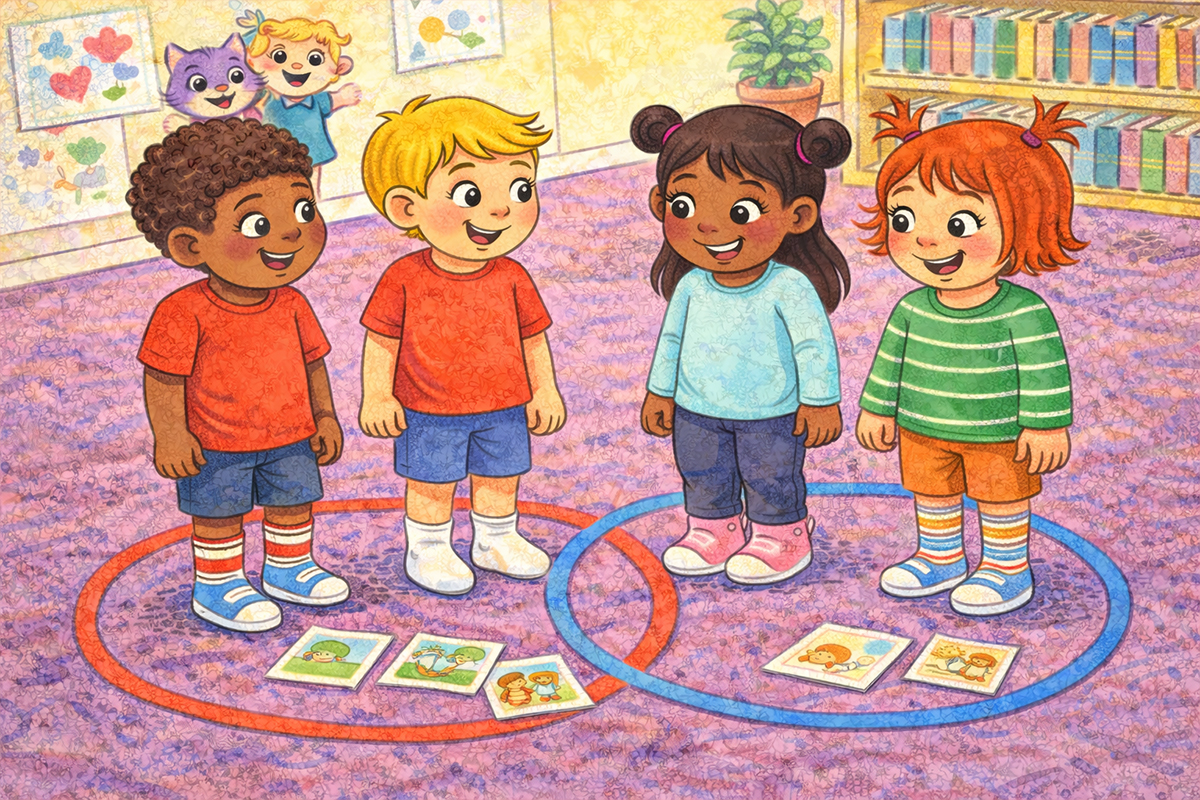
| Children explore how people can be similar in some ways and different in others. The activity encourages critical thinking, appreciation of diversity, and acceptance of others. | |
| Critical thinking | |
| Cognitive task Conversation Movement |
| Advanced | |
| 20-30 min | |
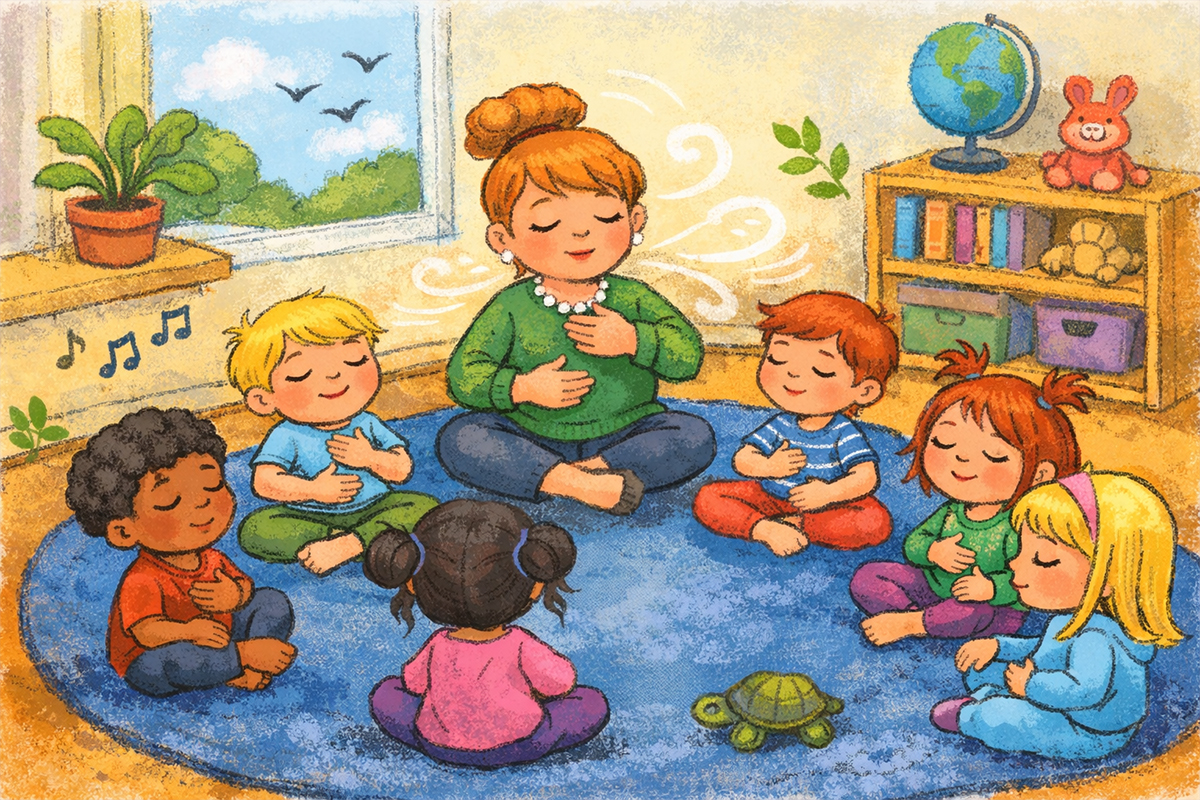
| Children practice calm breathing to relax, feel their bodies, and notice sounds or sensations around them. | |
| Self-regulation | |
| Other |
| Advanced | |
| 1 h | |
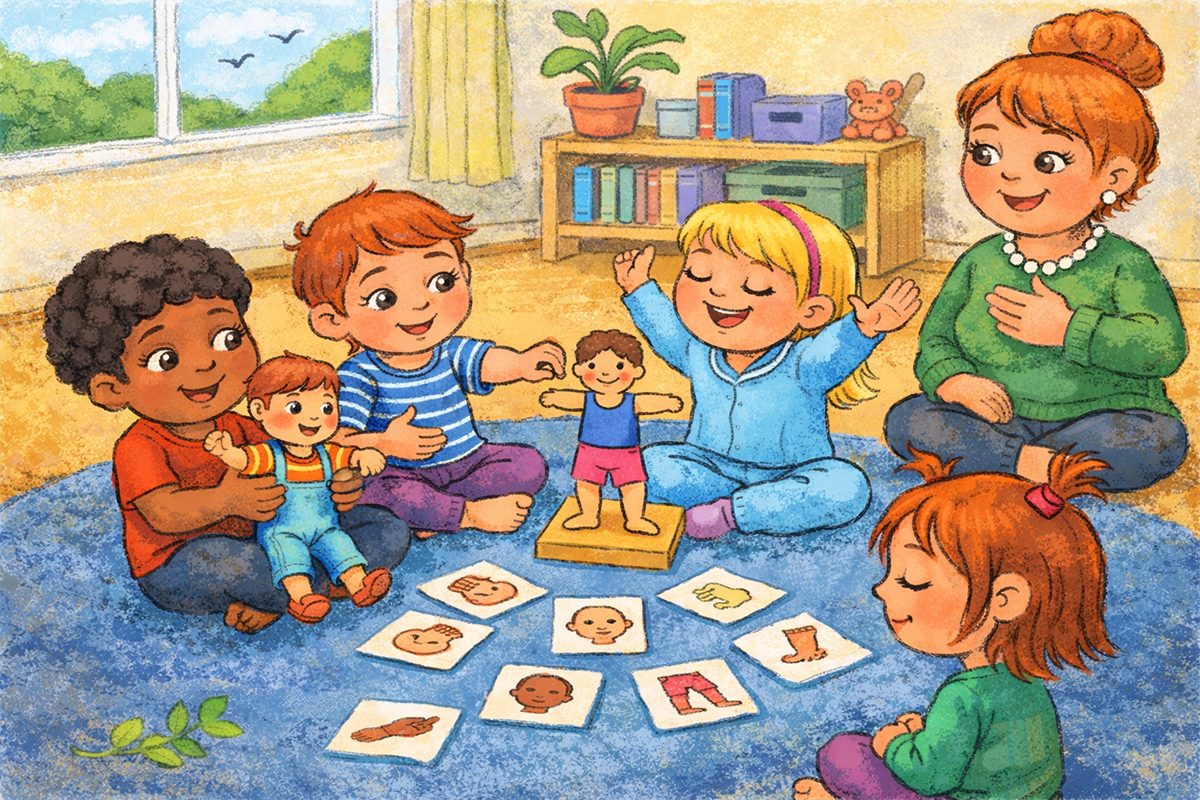
| Children explore how their bodies move using songs, puppets, and games that compare 3D and 2D movement. | |
| Self-regulation | |
| Art Cognitive task Conversation Movement Music Outdoors |
| Advanced | |
| 20-30 min | |
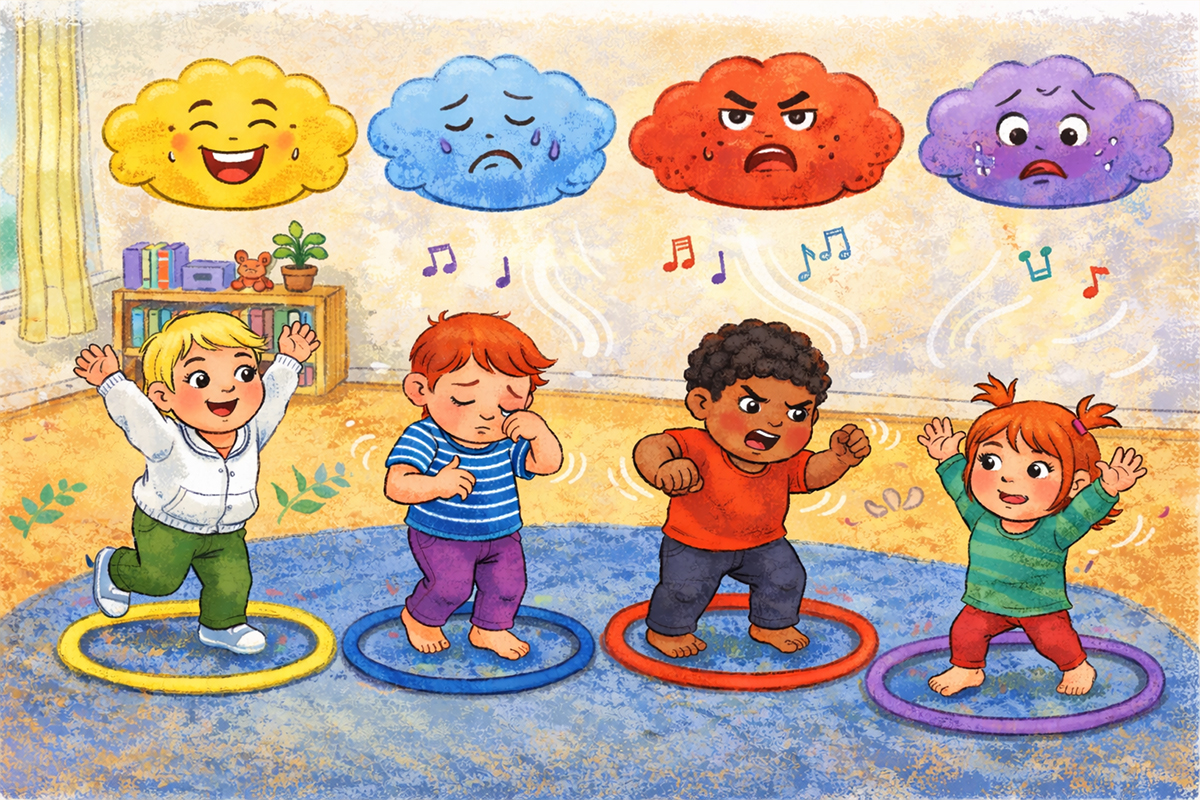
| Children listen to music, move freely, and explore how sounds and rhythms make them feel and move. | |
| Self-regulation | |
| Art Movement Music |
| Advanced | |
| 3 sessions of approx. 30 min | |
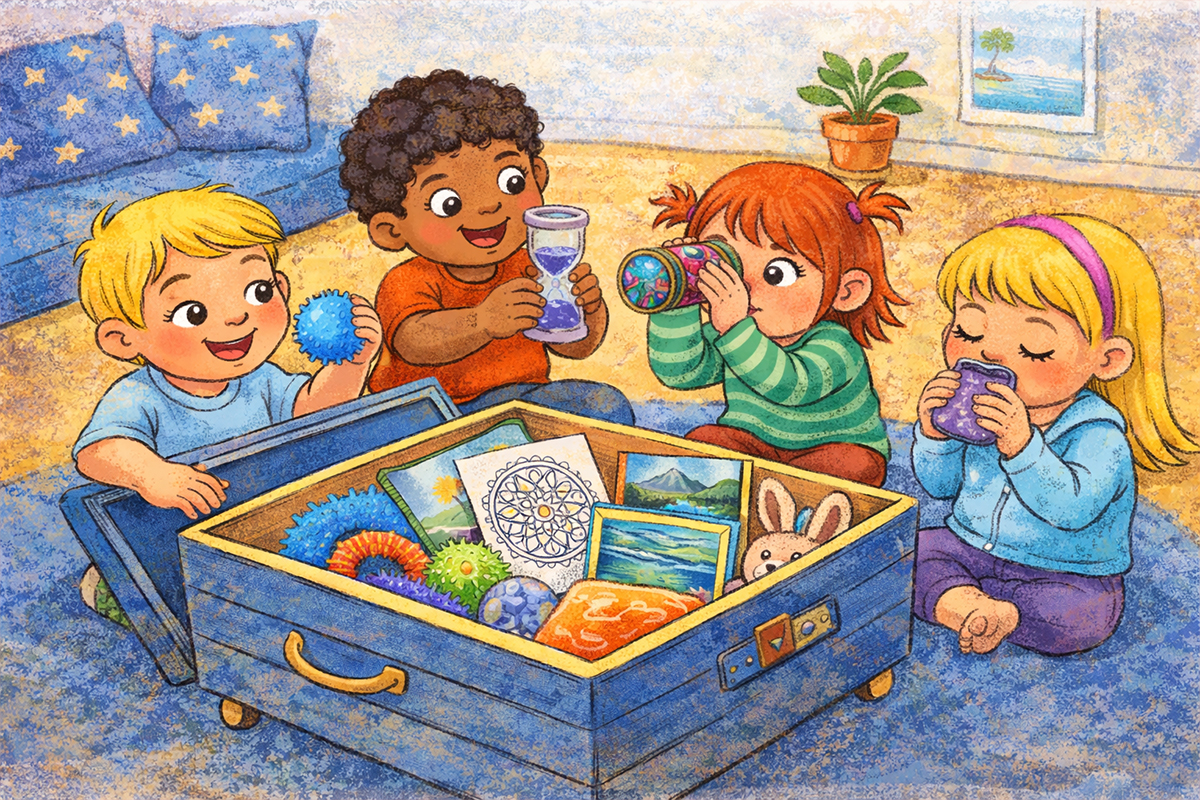
| Children create a sensory box to use for calming and relaxation. The activity introduces children to tools that can help them calm down and relax. | |
| Self-regulation | |
| Cognitive task Conversation Storytelling |
| Advanced | |
| 5 sessions of approx. 30 min | |
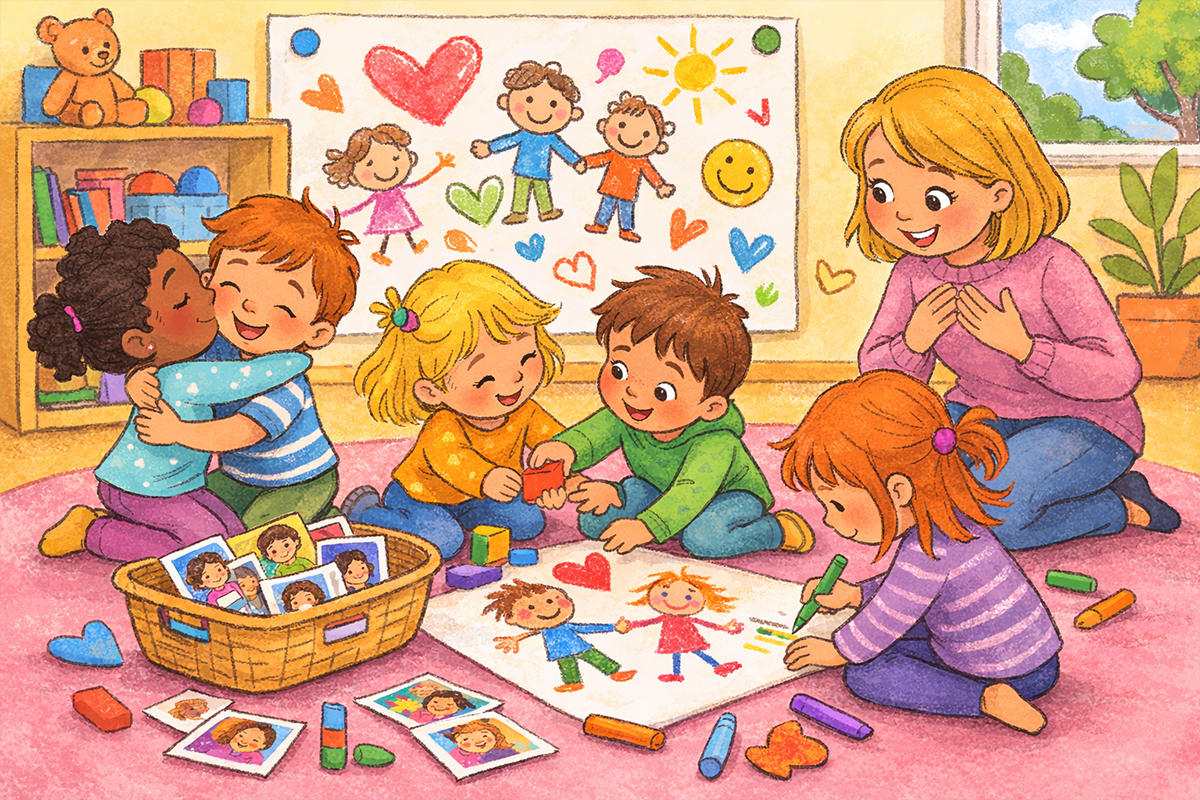
| Children explore changes in their peers and learn to value friendship, kindness, and belonging through reflection, drawing, and a Secret Friend game. | |
| Flexibility | |
| Cognitive task Conversation |
| Advanced | |
| 2 sessions of approx. 1 h | |
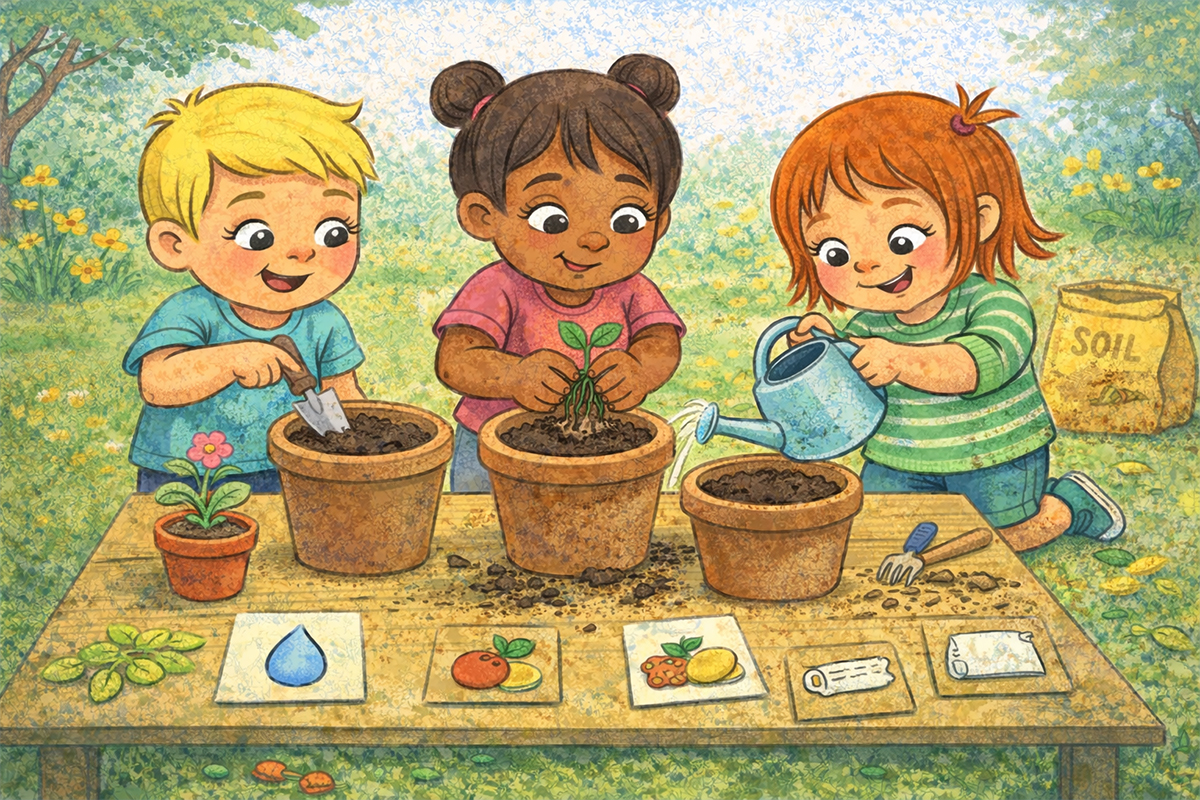
| Children explore how plants grow and what living things need to survive. Through observation and care, they connect nature, curiosity, and empathy. | |
| Wellbeing | |
| Cognitive task Conversation Outdoors |
| Advanced | |
| 4 sessions of approx. 20 min | |
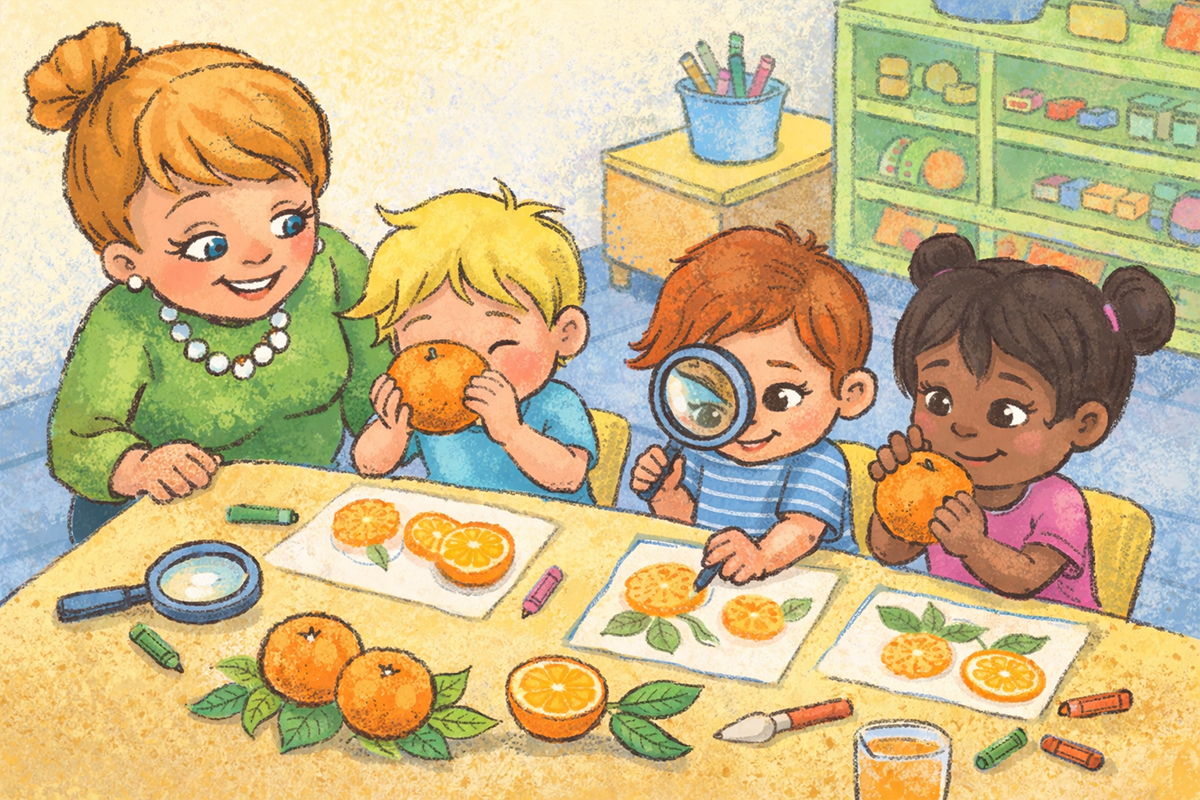
| A fruitful exploration: with the help of the orange, children train their senses and their knowledge about healthy food and food processing as well. | |
| Wellbeing | |
| Art Conversation |
| Advanced | |
| 4 sessions of approx. 1 h | |
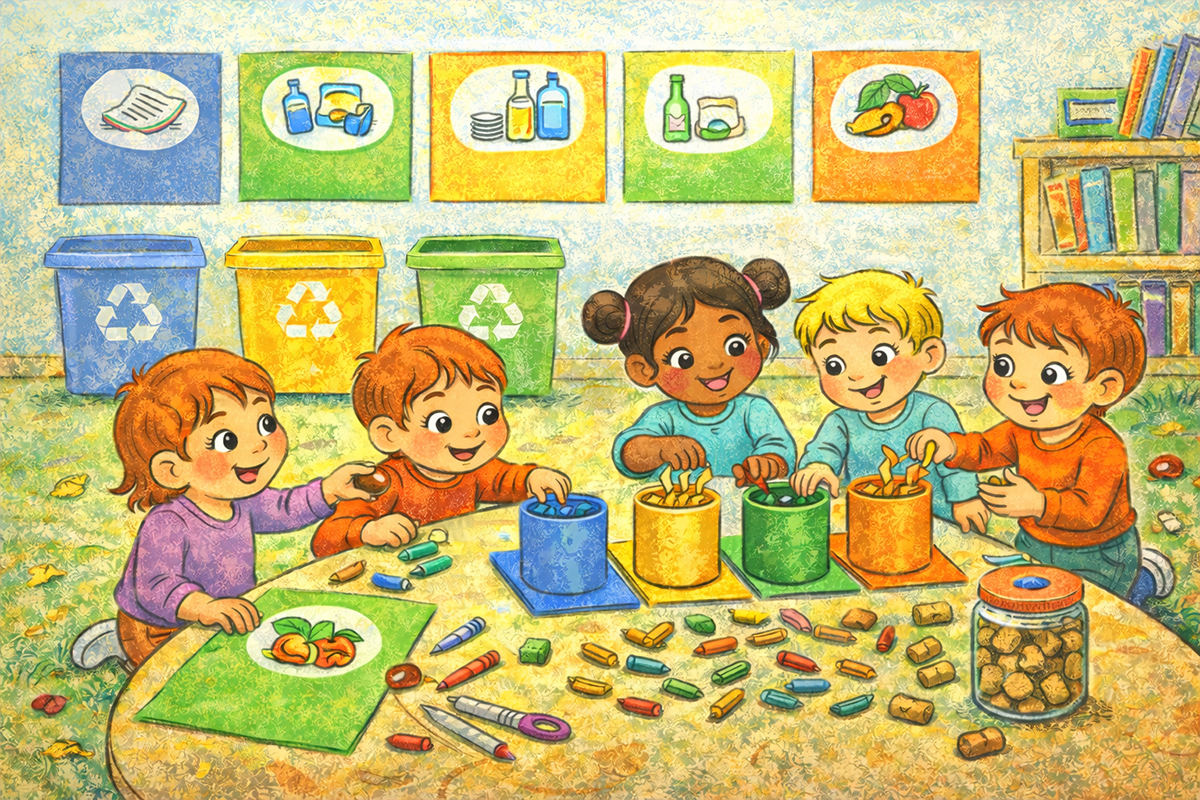
| Children learn how they can identify, re-use, or recycle materials. They start to think about waste and develop an active approach to the way we consume and use resources. | |
| Wellbeing | |
| Cognitive task Conversation |
| Advanced | |
| 1,5 h | |
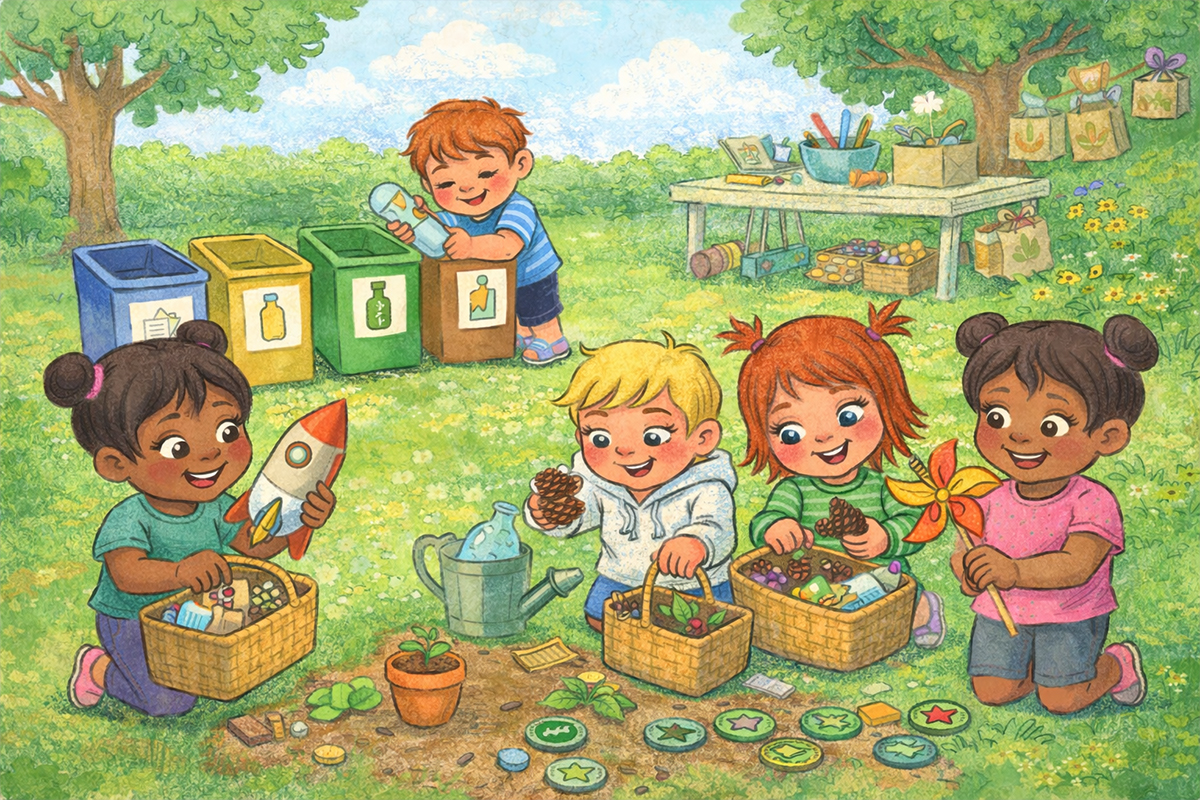
| An interactive eco treasure hunt where children learn about recycling, reusing materials, and respecting the environment through fun activities. | |
| Wellbeing | |
| Art Movement Outdoors |
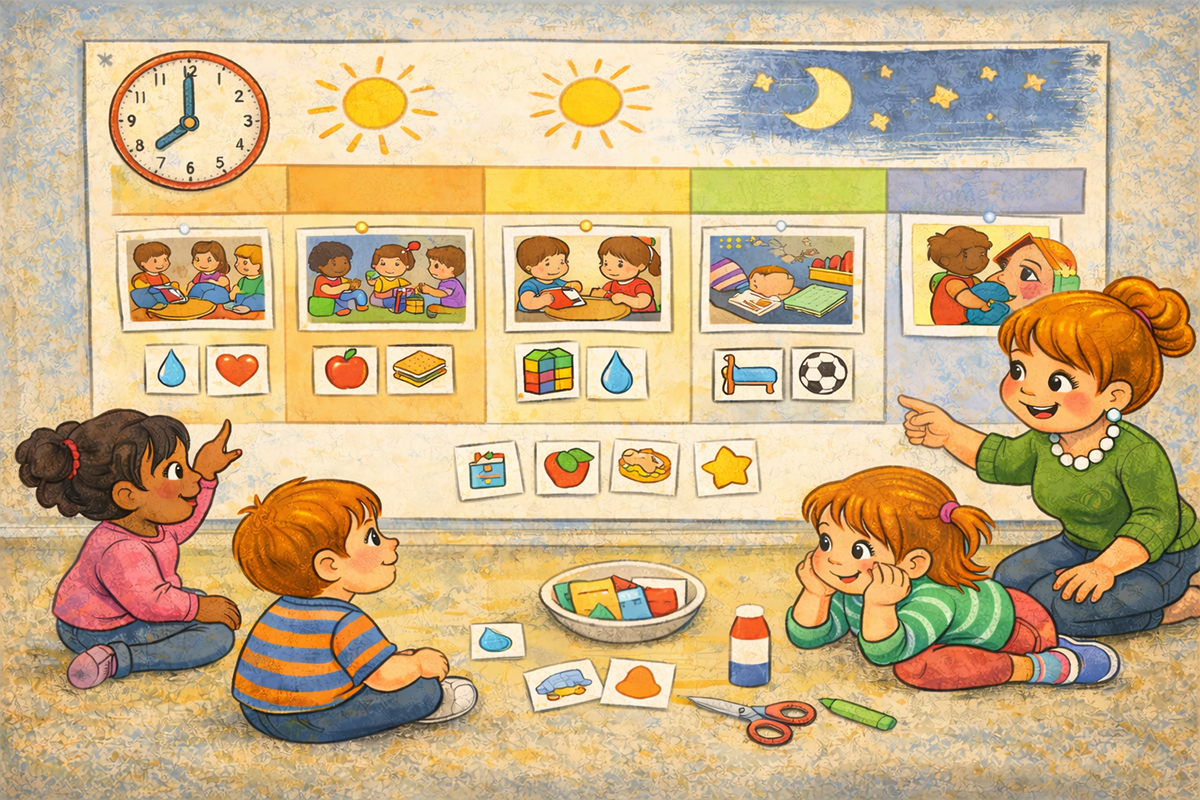
| Advanced | |
| 1 week | |
| Children create a visual timeline of their kindergarten day, identifying activities and corresponding needs like food, rest, and water. | |
| Wellbeing | |
| Cognitive task Conversation Storytelling Art |
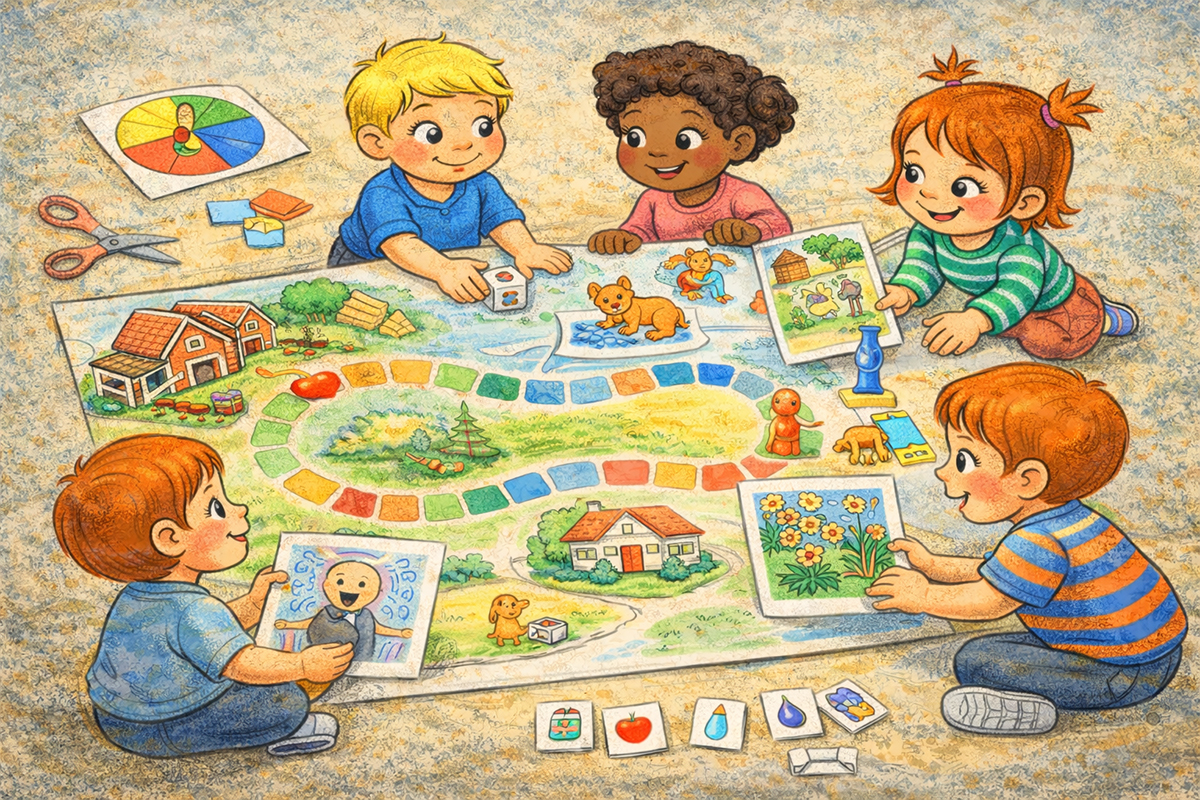
| Advanced | |
| 20-30 min | |
| In this interactive board game, children explore different environments, identify needs, and find solutions using tokens and situational cards. | |
| Wellbeing | |
| Other |
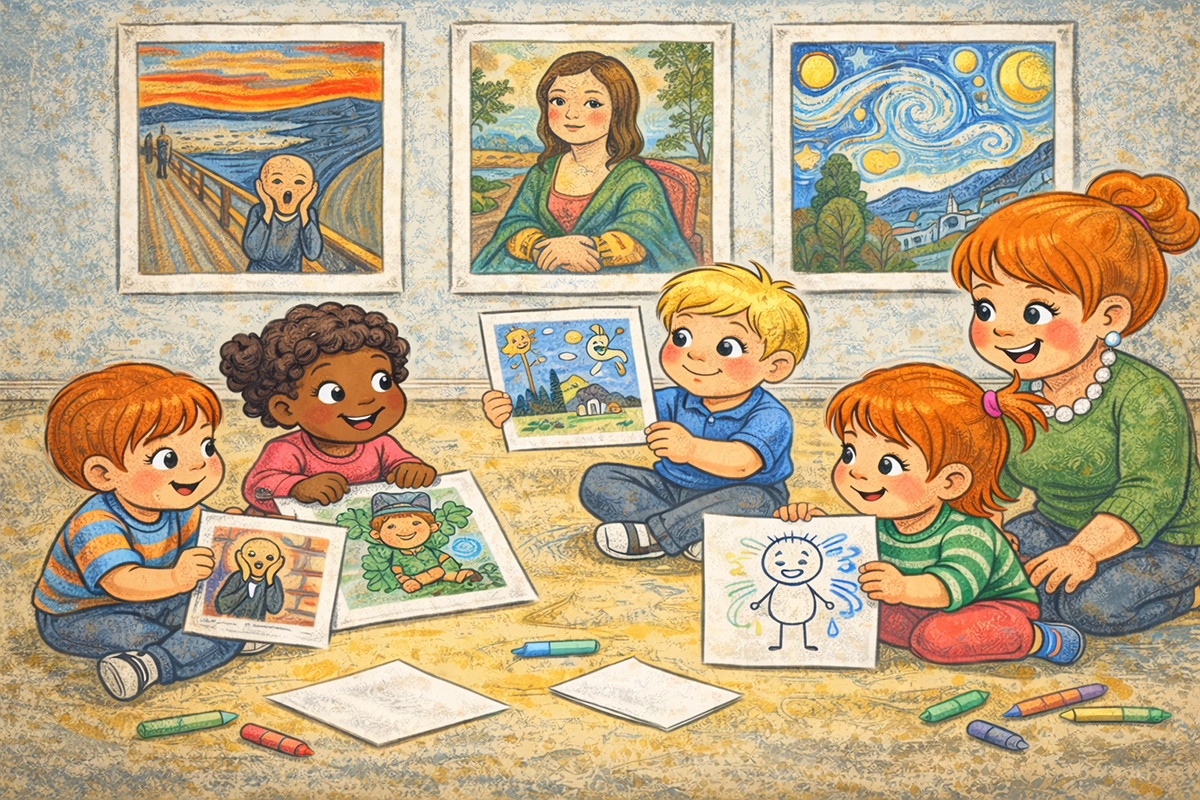
| Advanced | |
| 2 sessions of approx. 1 h | |
| Children explore an artwork, imagine how the depicted people feel and why, and relate these emotions to their own experiences. | |
| Conversation Storytelling |
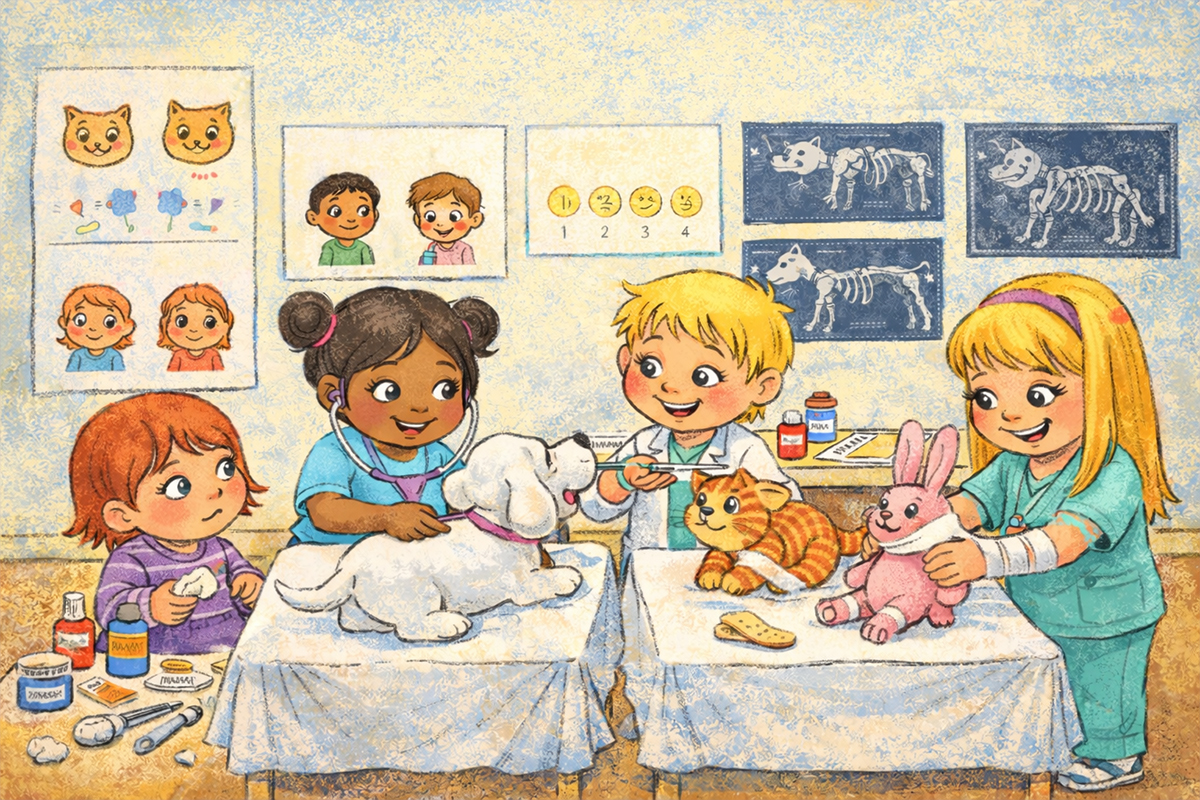
| Advanced | |
| 20-30 min | |
| Children learn to recognize emotions, understand others’ feelings, see things from different perspectives, and practice offering support. | |
| Cognitive task Conversation |
| Advanced | |
| 3 days | |
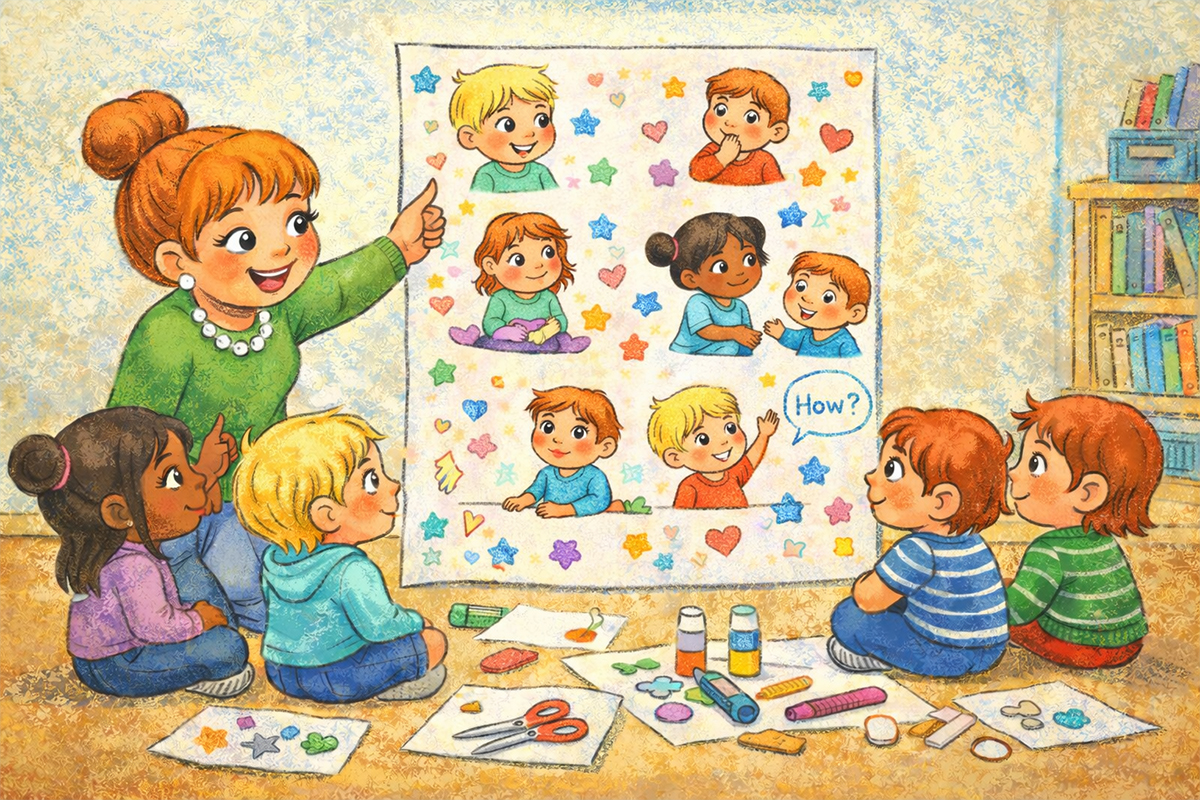
| Children explore what it means to be a good listener and learn how careful listening builds attention, trust, and stronger group communication. | |
| Conversation |
| Advanced | |
| 1 h | |
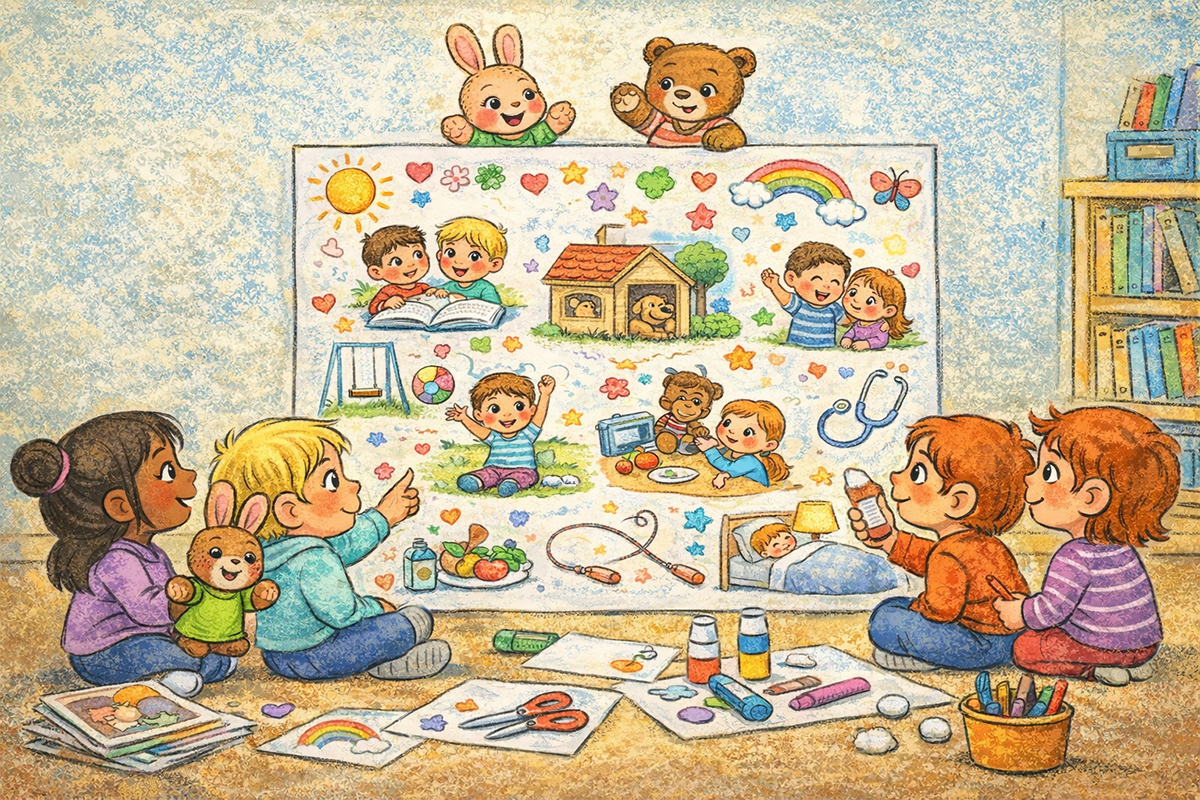
| Children learn about their rights, reflect on their meaning, and express their ideas through drawings for a shared poster. | |
| Conversation Art |
| Advanced | |
| 20-30 min | |
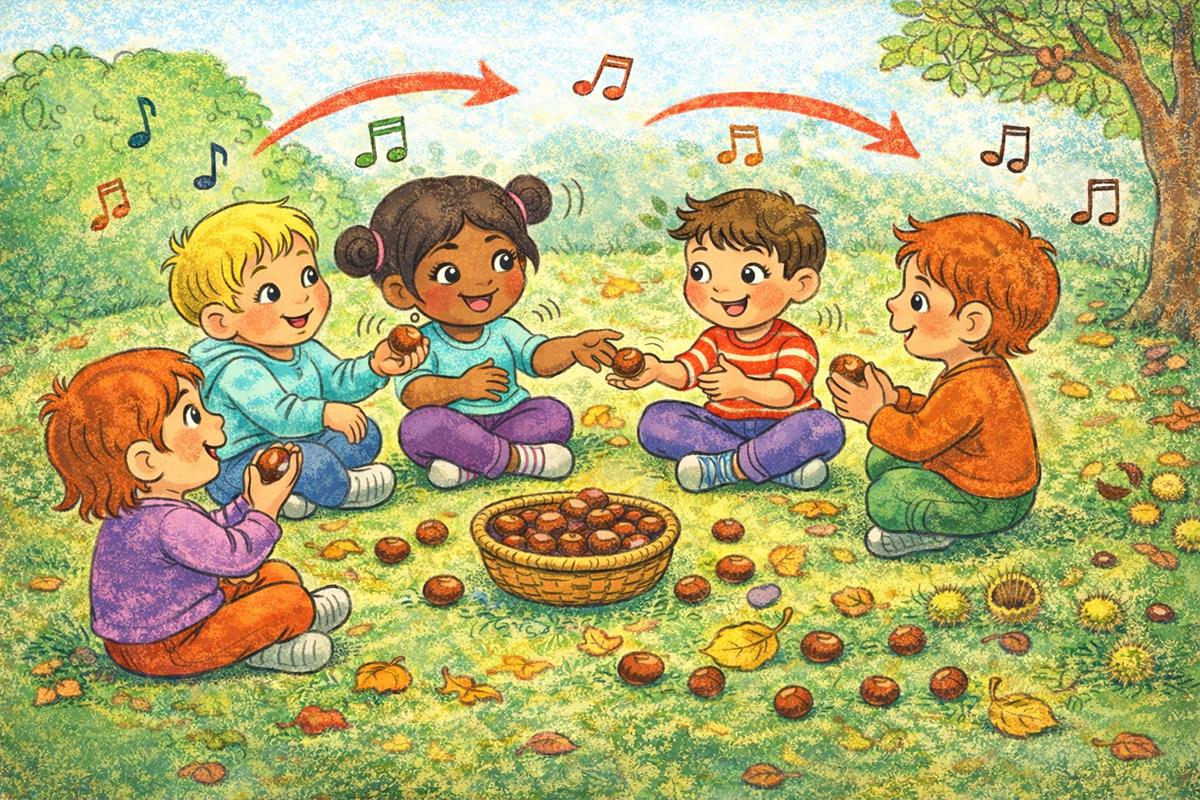
| Children play and move to a chestnut rhyme, practicing rhythm, attention, coordination, and joyful cooperation in a group. | |
| Movement Music |

Funded by the European Union. Views and opinions expressed are however those of the author(s) only and do not necessarily reflect those of the European Union or the European Education and Culture Executive Agency (EACEA). Neither the European Union nor EACEA can be held responsible for them.

All contents, in particular texts, pictures and graphics, are protected by copyright. Unless expressly stated otherwise, copyright is held by sel.eduskills.plus and is licensed under Creative Commons Attribution - Non-commercial - Distribution under the same conditions 4.0 International license. They may be subject to the terms of the license.
© 2024-2026 sel.eduskills.plus | Impressum