| Napredna | |
| Dob: 4-6 | |
| 4 sesije po otprilike 1 sat | |
| Djeca uče kako mogu prepoznati, ponovno upotrijebiti ili reciklirati materijale. Počinju razmišljati o otpadu i razvijaju aktivan pristup načinu na koji trošimo i koristimo resurse. | |
| Dobrobit | |
| Kognitivni zadatak Razgovor | |
|
Započnite razgovorom o otpadu i recikliranju.
Pitajte djecu što obično rade s otpadom, kako ga odvajaju i što se događa kada ne recikliramo pravilno.
Potaknite razmišljanje i raspravu o tome što bi trebalo učiniti i zašto je recikliranje korisno.
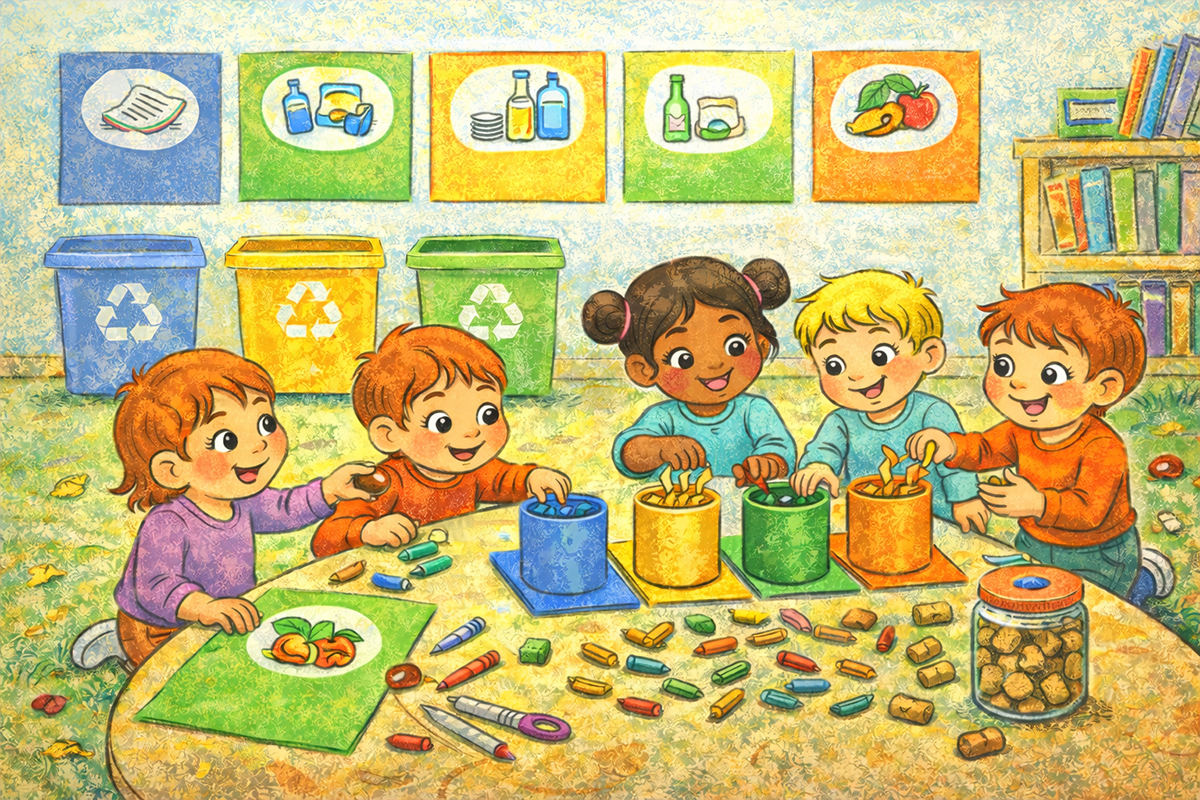
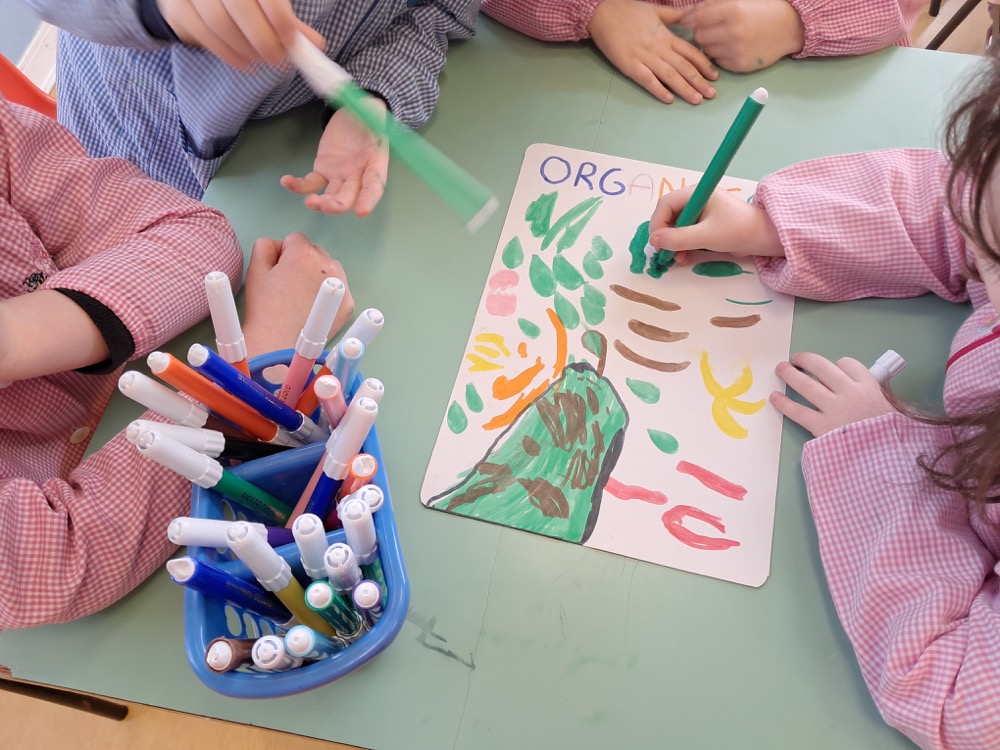
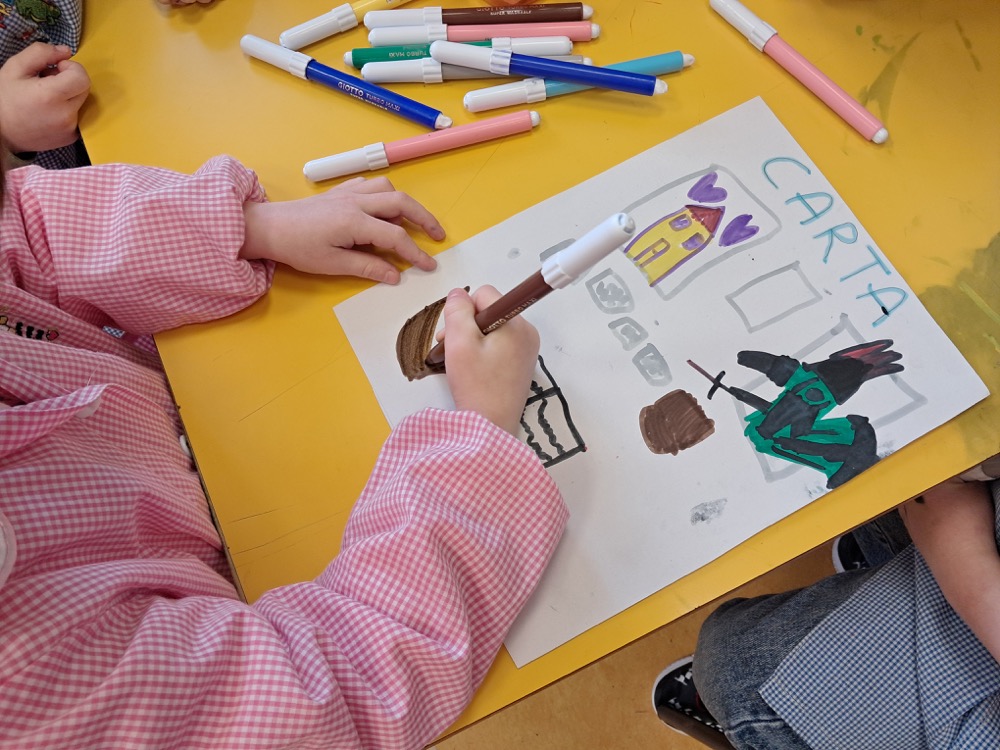
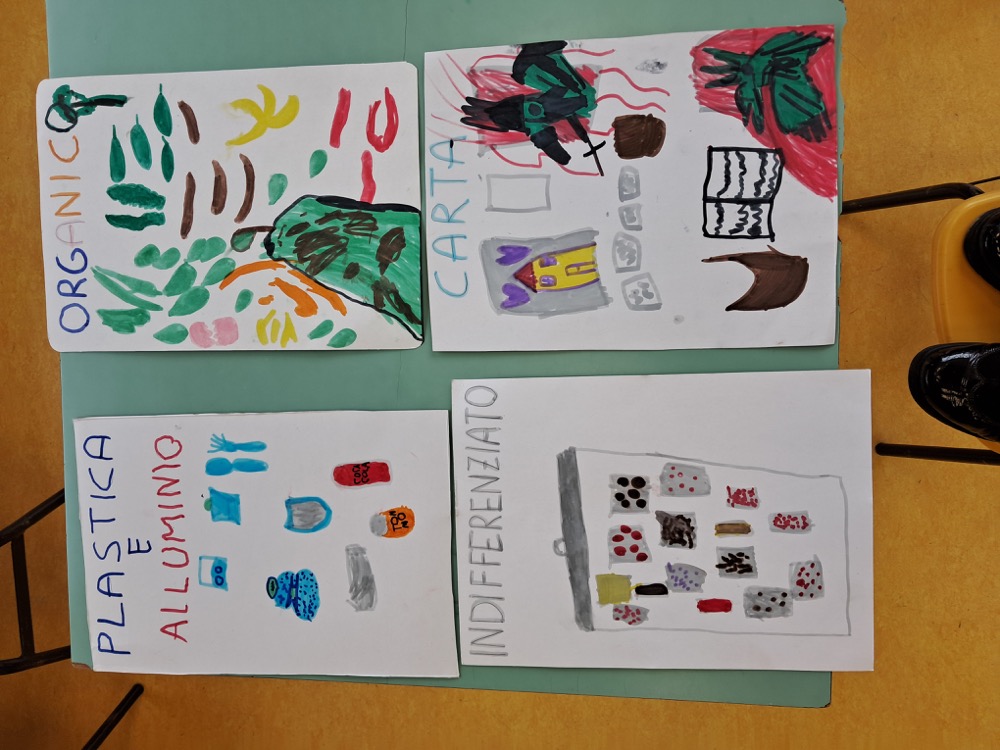
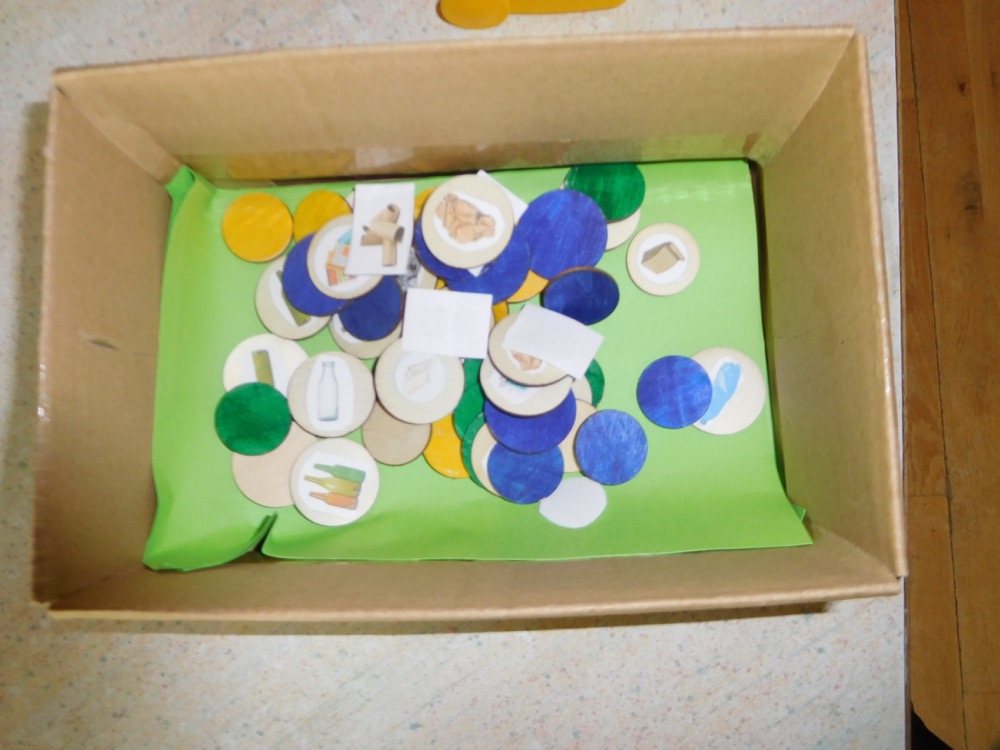
Djeca izrađuju šarene znakove koje će postaviti iznad kanti za recikliranje u sobi ili igralištu.
Mogu crtati crteže ili simbole za papir, plastiku, staklo i organski otpad.
Plastificiraju i prekrivaju znakove kako bi bili izdržljivi i pričvršćuju ih ljepljivom trakom iznad svakog dijela.
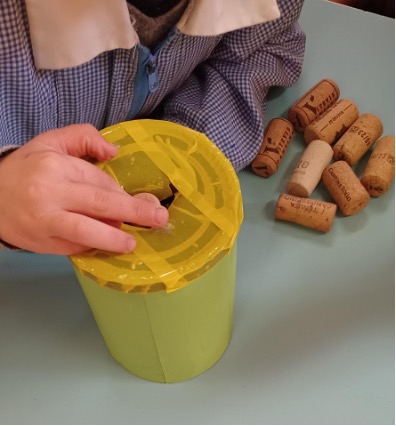
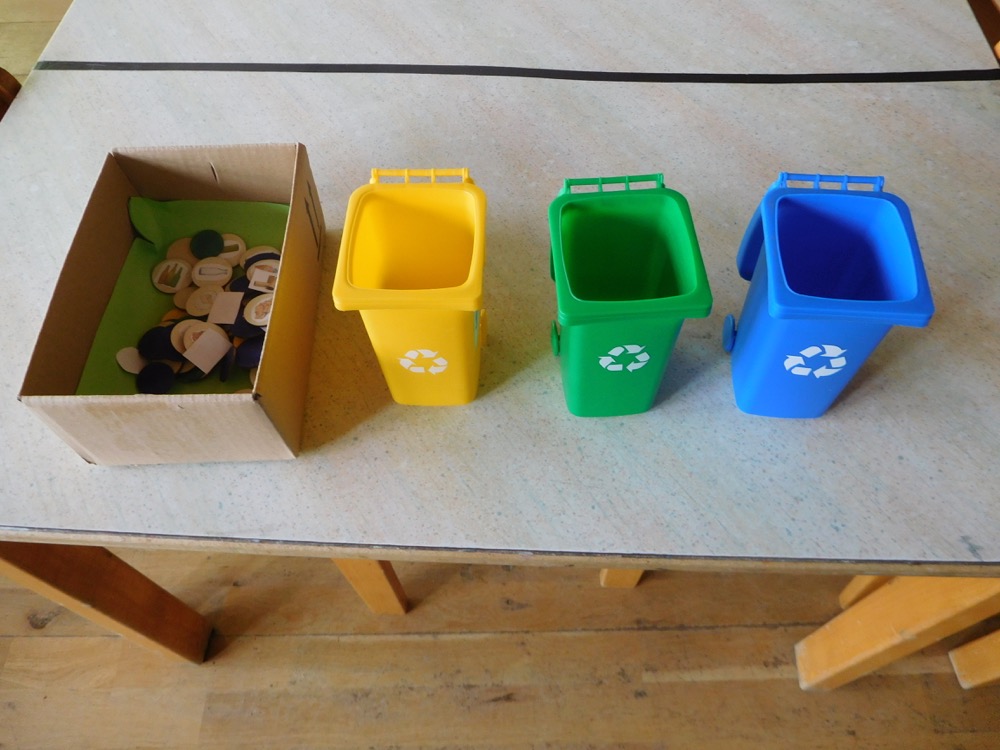
Pozovite svako dijete da donese čep od pluta od kuće.
Omotajte staklenku papirom u boji i prekrijte je ljepljivom trakom. Probušite rupu u čepu.
Djeca se izmjenjuju u stavljanju čepova kroz rupu, što pomaže u razvoju fine motorike i strpljenja dok vježbaju naizmjenično.
Igra također jača koordinaciju ruku i očiju te poštivanje pravila grupe.
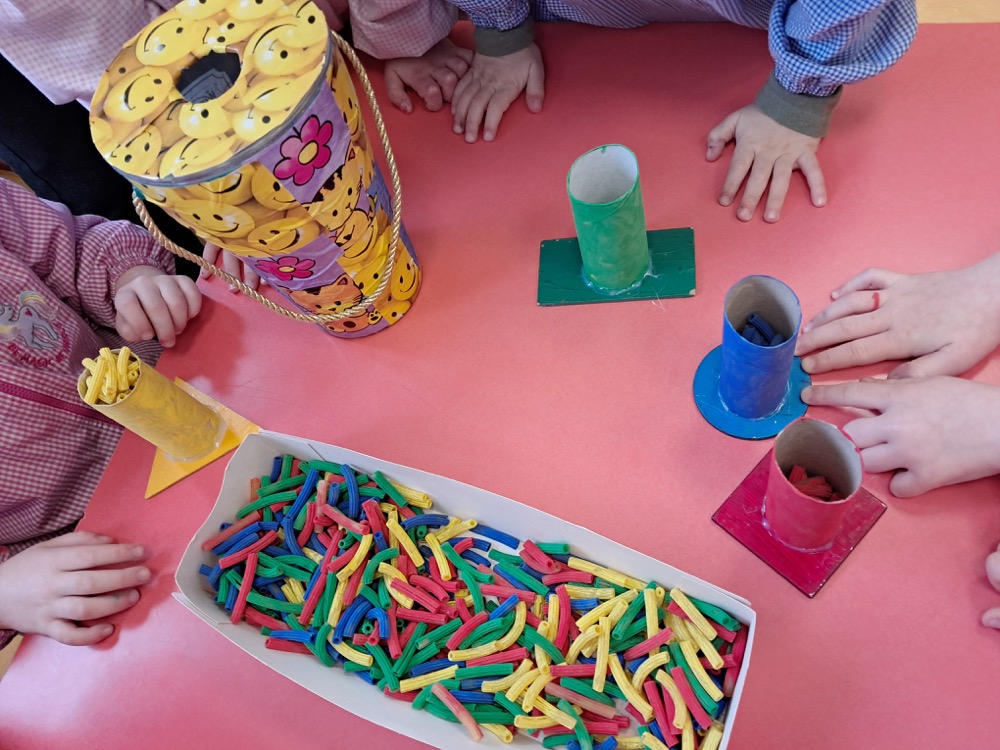
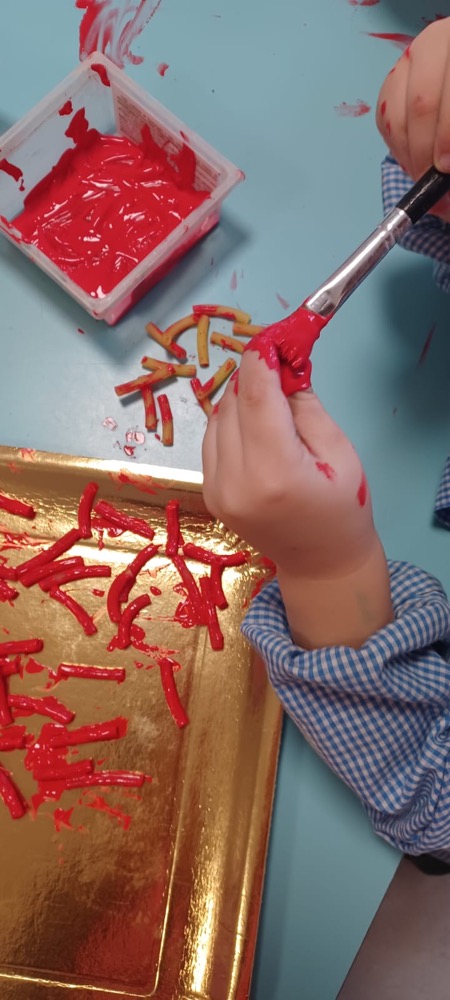
Neka djeca oboje komadiće tjestenine (npr. penne) koristeći četiri boje, po jednu za svaku vrstu otpada.
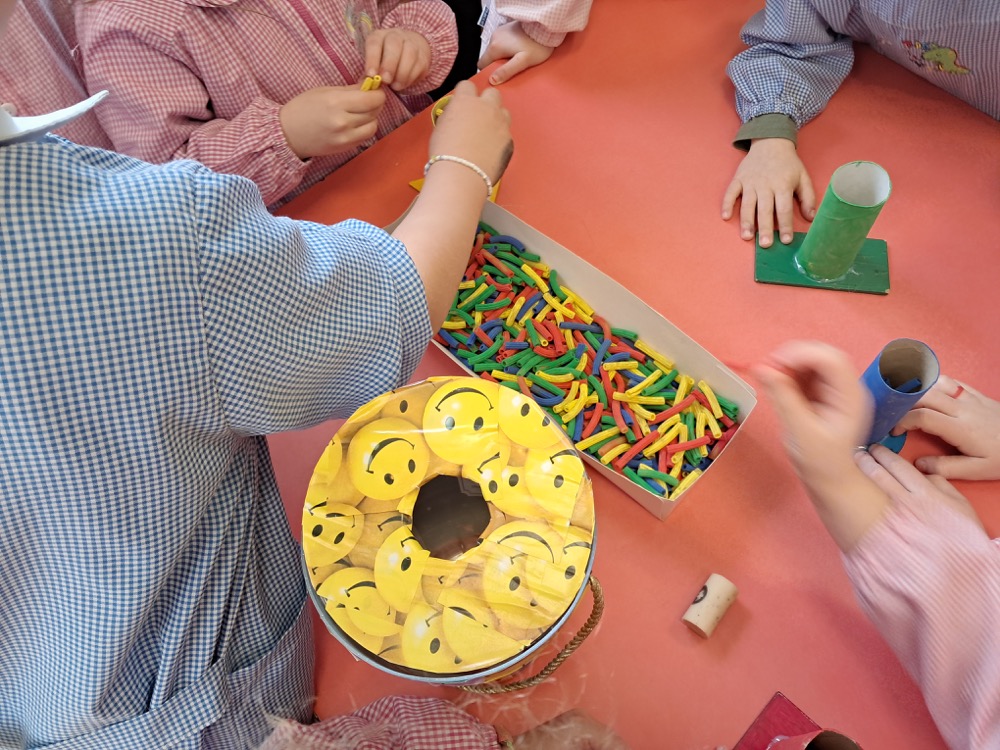
Obojite role toaletnog papira u iste četiri boje. Nakon što se rolice osuše, zalijepite ih na podloge odgovarajućih boja.
Time se stvaraju četiri posude za recikliranje.
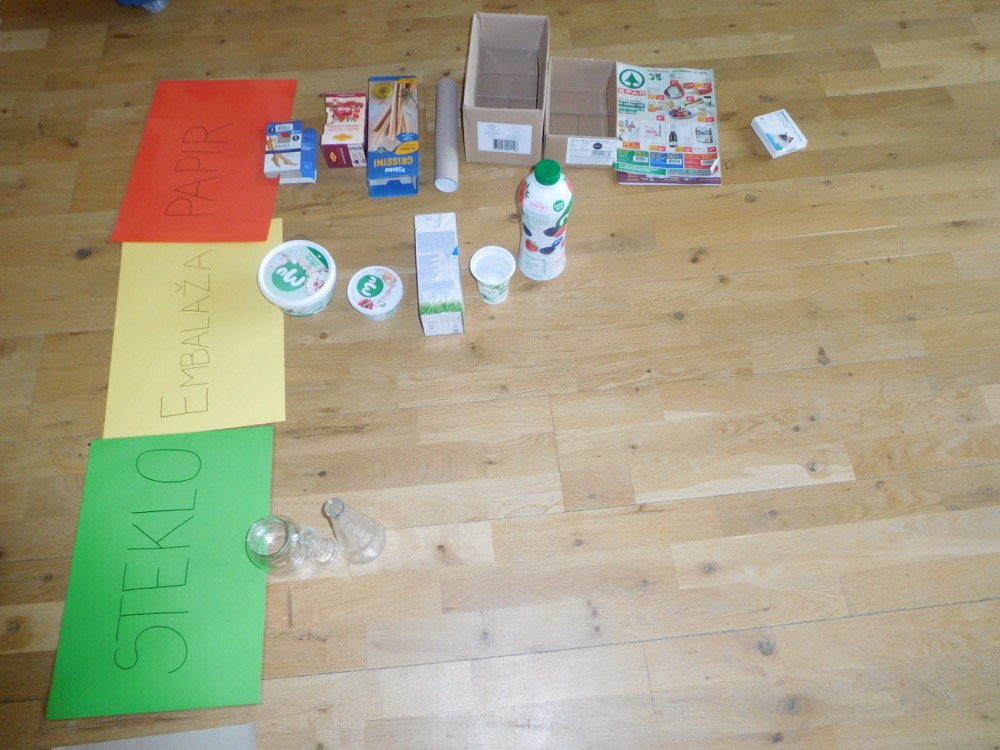
Djeca zatim sortiraju obojenu tjesteninu ili druge sitne predmete u odgovarajuće posude.
Ova igra potiče pažnju, povezivanje boja i razvoj vještina kategorizacije, a istovremeno jača ekološku svijest.

Financirano sredstvima Europske unije. Izneseni stavovi i mišljenja su stavovi i mišljenja autora i ne moraju se podudarati sa stavovima i mišljenjima Europske unije ili Europske izvršne agencije za obrazovanje i kulturu (EACEA). Ni Europska unija ni EACEA ne mogu se smatrati odgovornima za njih.

Svi sadržaji, a posebno tekstovi, slike i grafikoni, su zaštićeni autorskim pravima. Vlasnik autorskih prava, ukoliko nije drugačije označeno, je sel.eduskills.plus, a autorsko pravo je definirano licencom Creative Commons Imenovanje-Nekomercijalno-Dijeli pod istim uvjetima 4.0 Međunarodna. Autorska prava mogu biti definirana uvjetima licence.
© 2024-2026 sel.eduskills.plus | Impressum