| Advanced | |
| Age: 4-6 | |
| 1,5 h | |
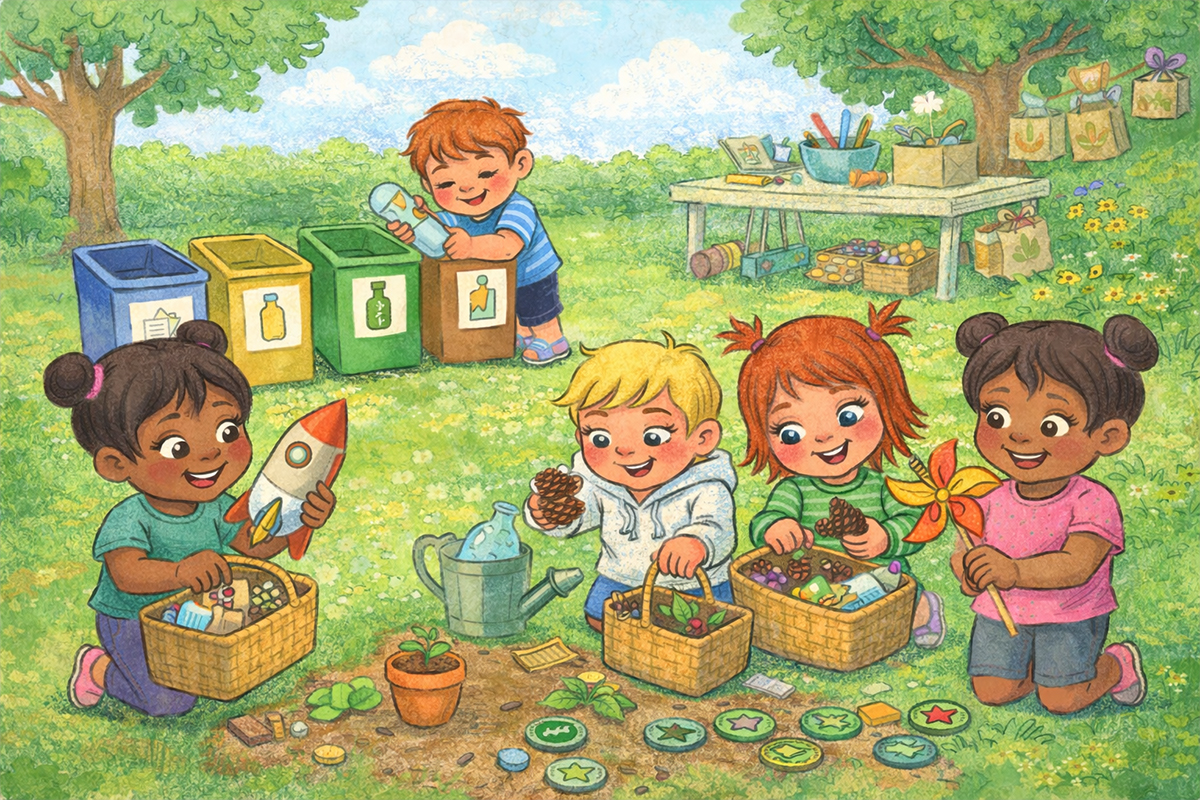
| An interactive eco treasure hunt where children learn about recycling, reusing materials, and respecting the environment through fun activities. | |
| Wellbeing | |
| Art Movement Outdoors | |
|
Kira and Miro greet the children and ask, “Why is it important to recycle and reuse materials? How can we produce less waste?” They then explain the eco treasure hunt, highlighting that the children will complete fun challenges to find and use hidden treasures.
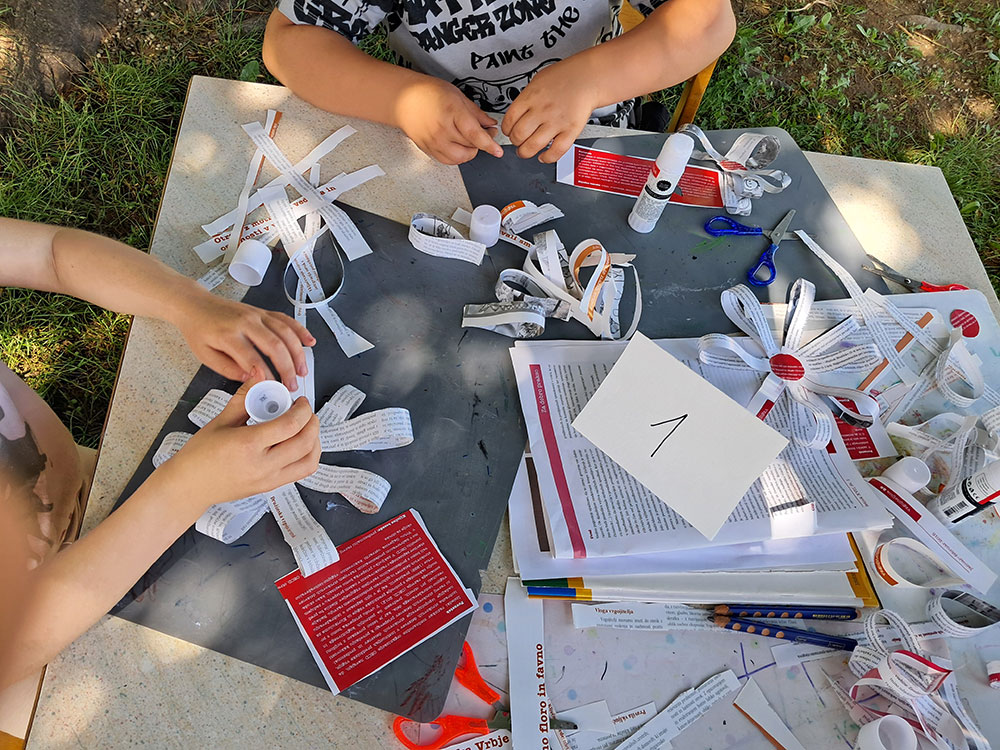
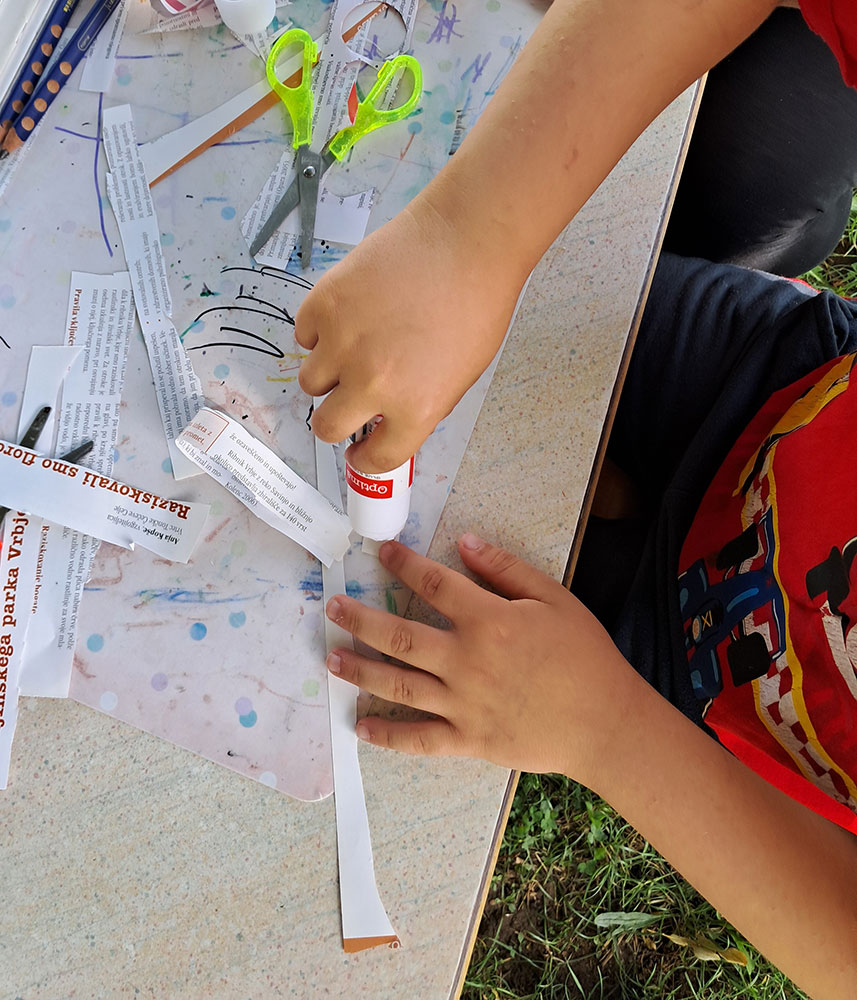
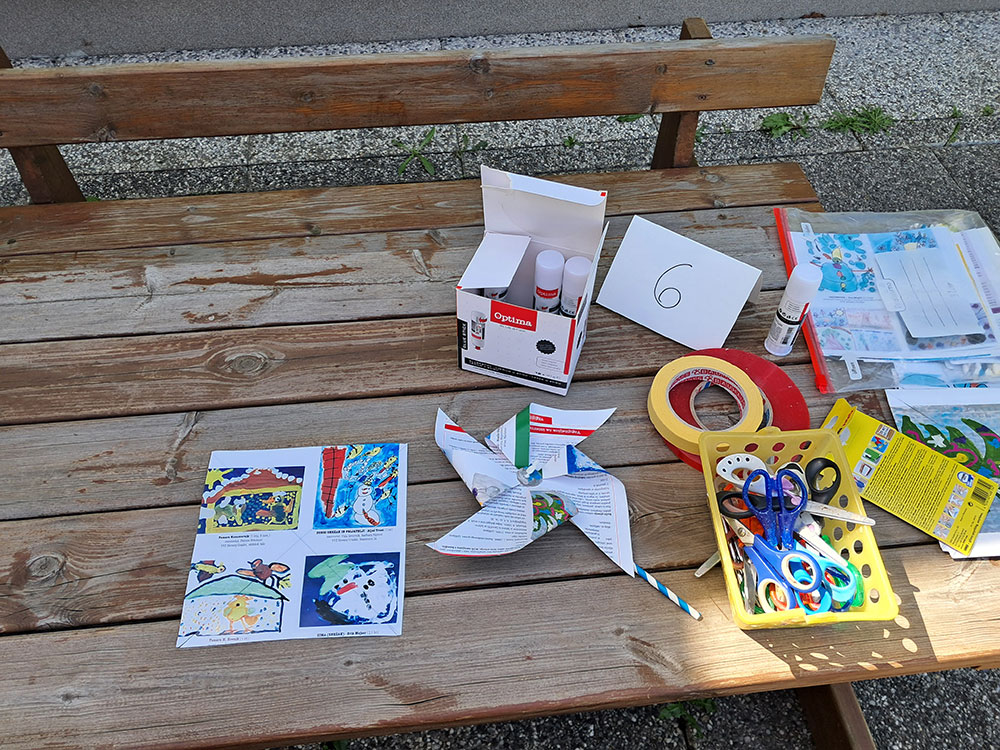
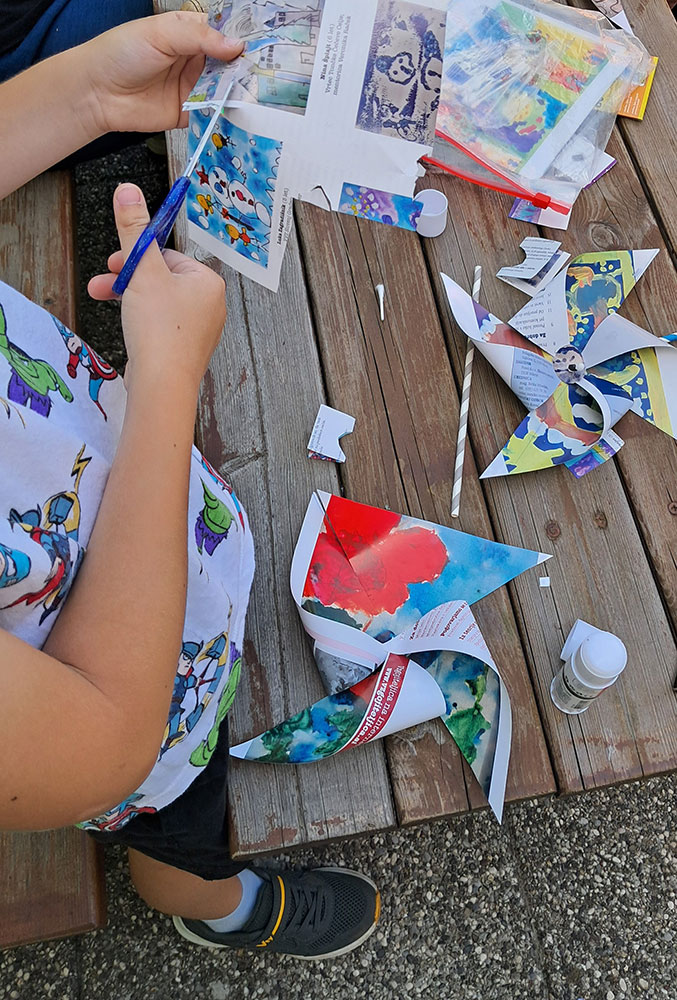
Task: Find the hidden box filled with old paper. Cut out shapes like stars or flowers and decorate them. Use the decorations to beautify the play area or take them home.
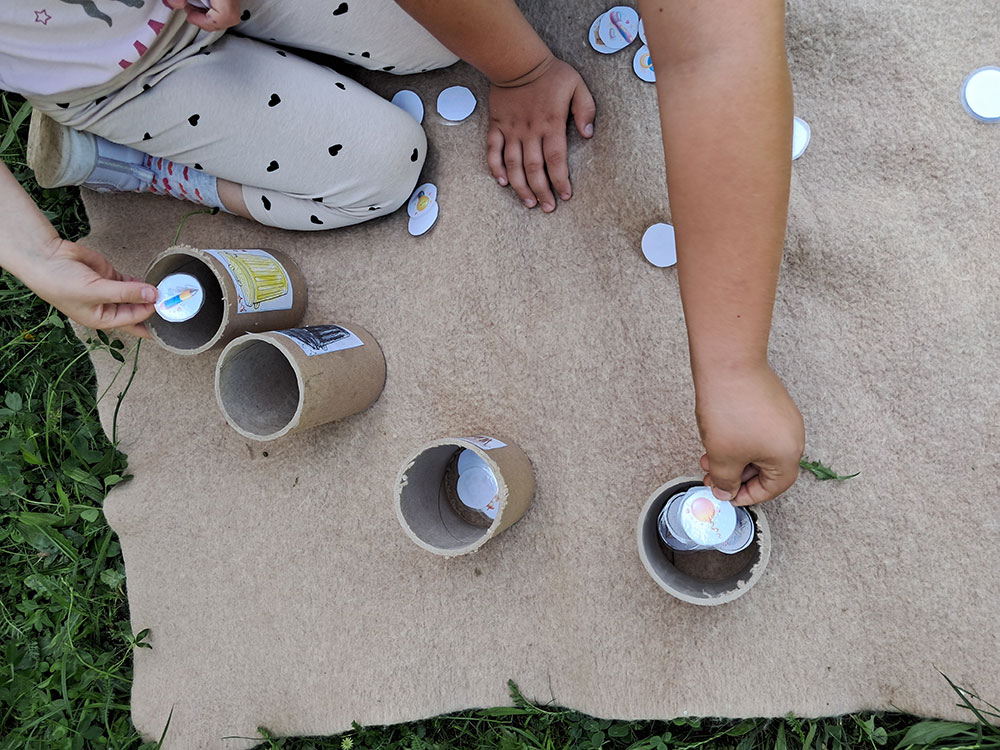
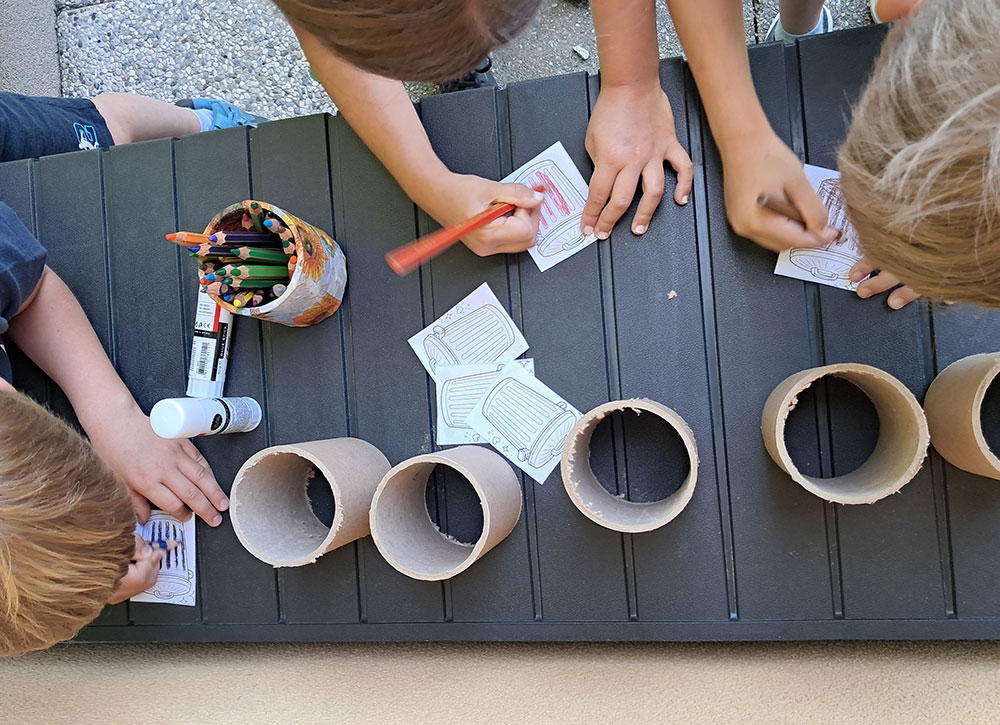
Task: Discover a bin with mixed waste and correctly sort the items into labeled recycling bins. Discuss why recycling is important.
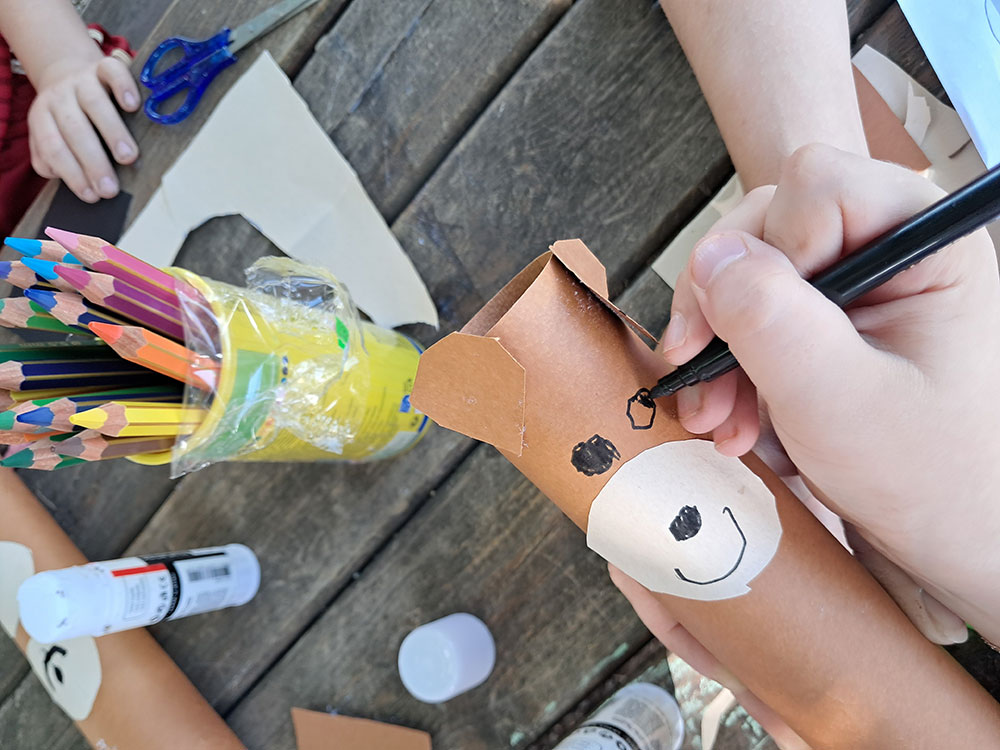
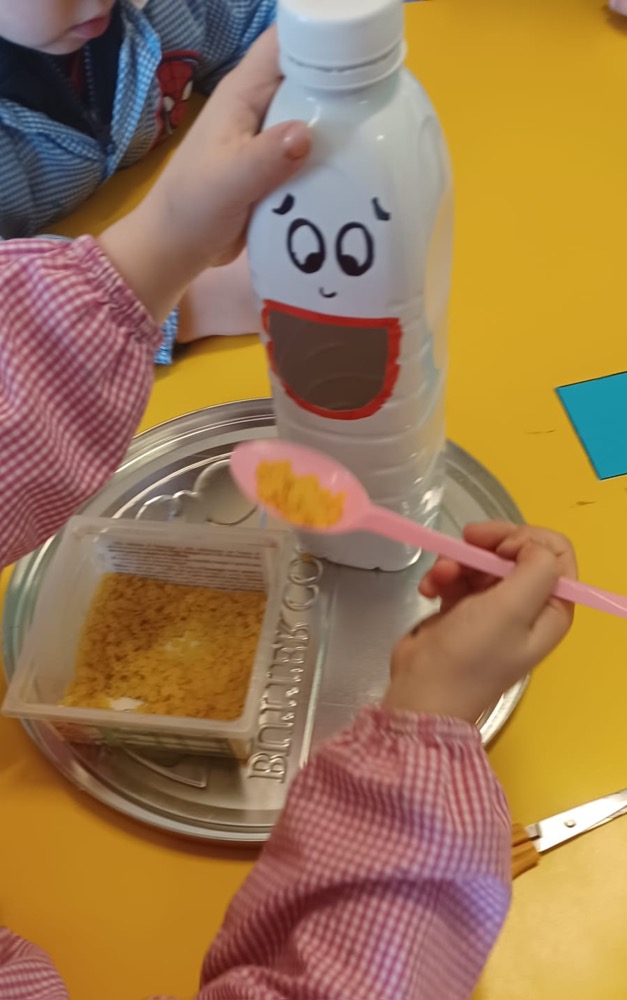
Task: Locate a box with old bottles, caps, and boxes. Use these to create simple toys like cars, rockets, or dolls. Decorate the toys with markers and stickers.
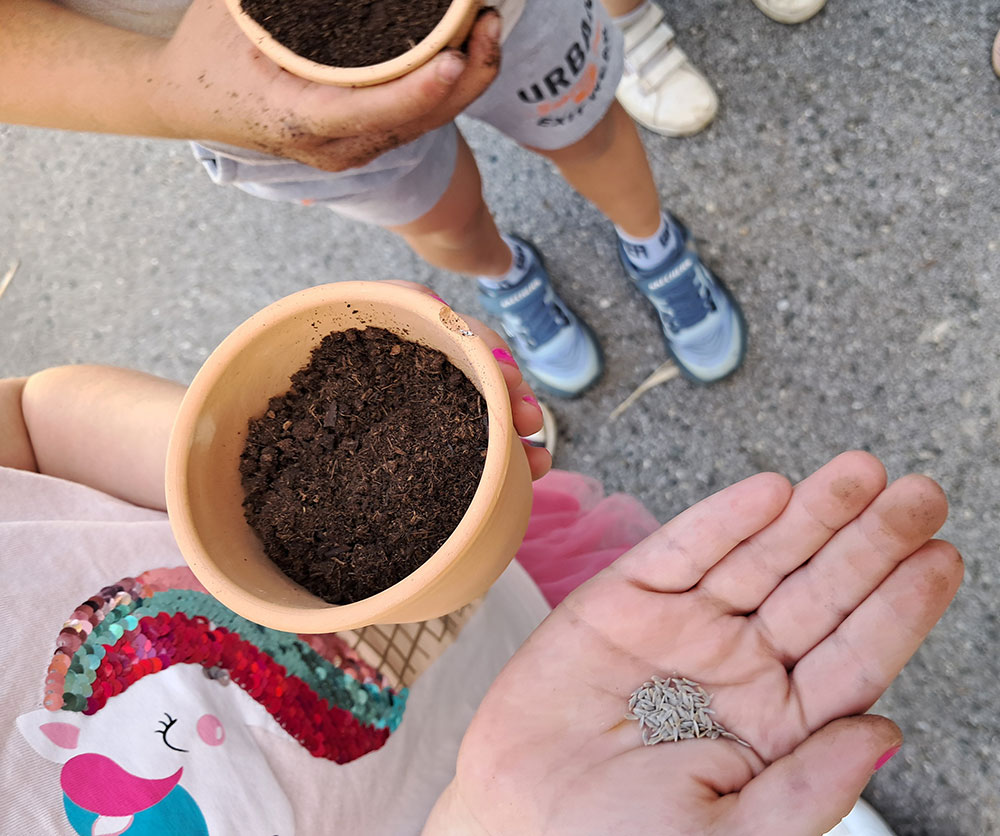
Task: Find small pots, soil, and seeds. Plant a seed, water it, and learn about caring for plants.
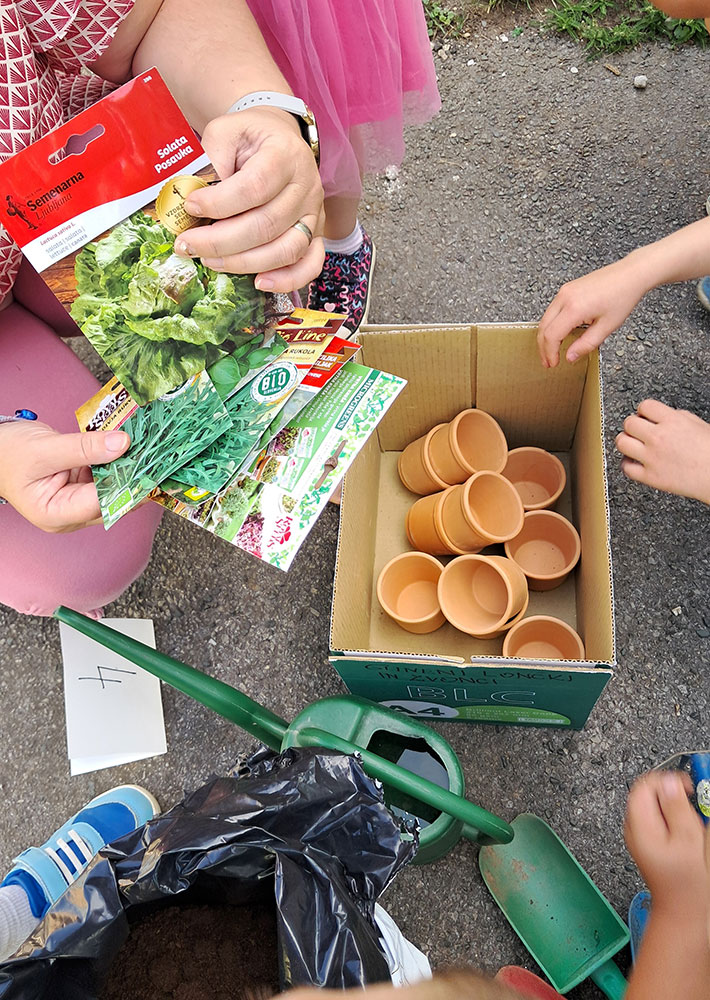
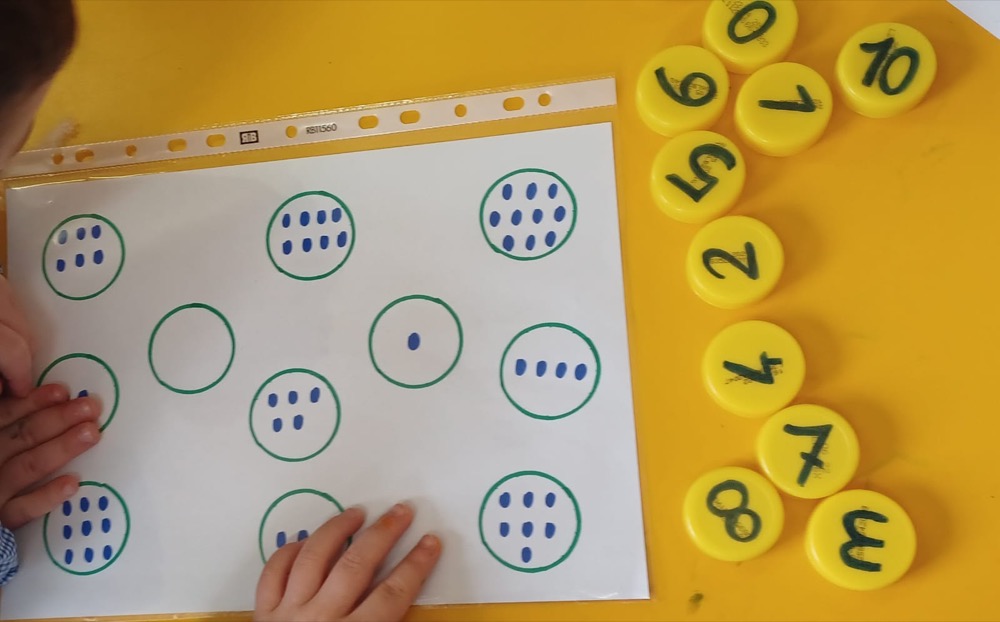
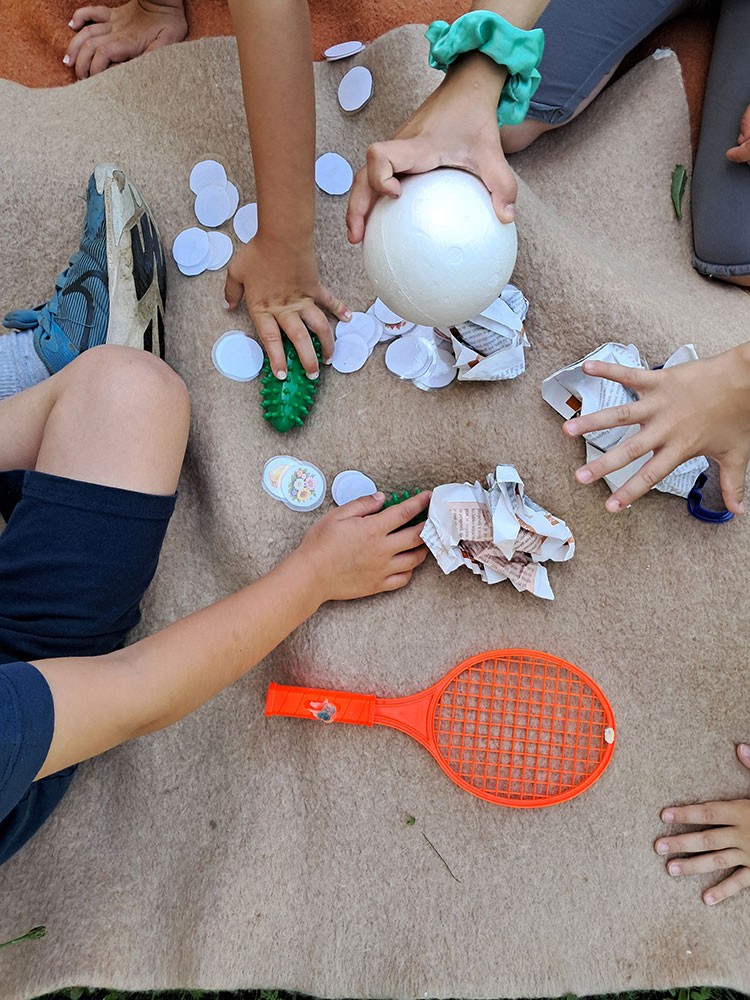
Task: Children are given baskets or small boxes and tasked with searching for eco-friendly materials in a designated area (e.g., the yard). These could be natural materials (such as leaves, twigs, or pinecones) or recyclable items (like paper, cardboard, or bottles). At the end of the station, discuss why these materials are better alternatives to plastic. Instead of using real objects and materials, at this station, children can make paper baskets and sort the objects drawn on the tokens.
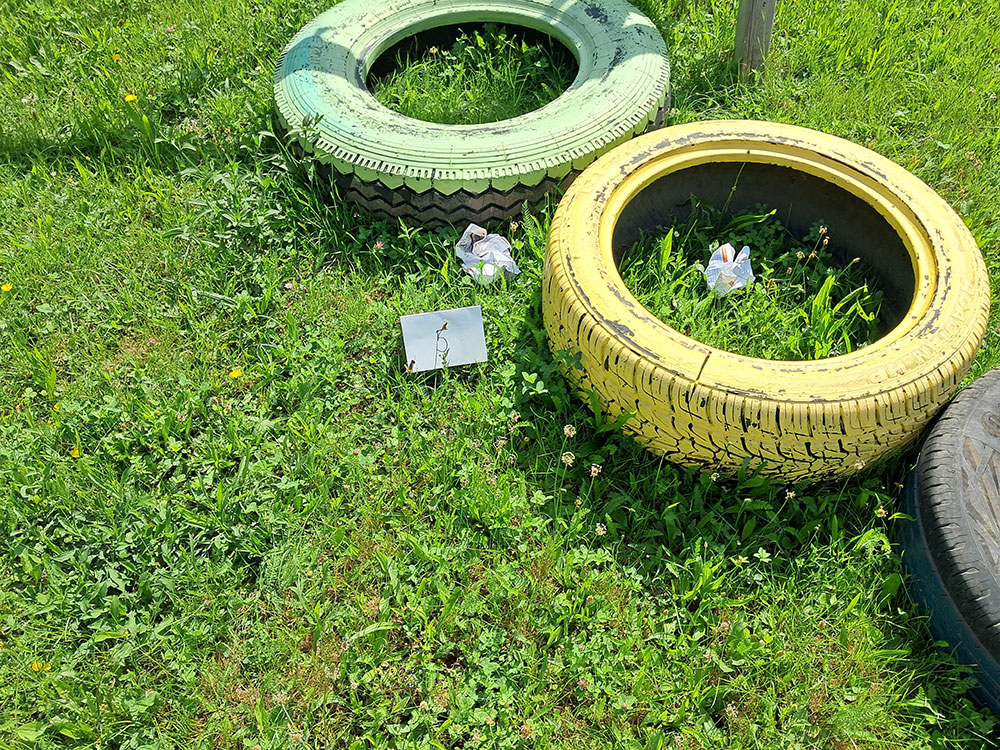
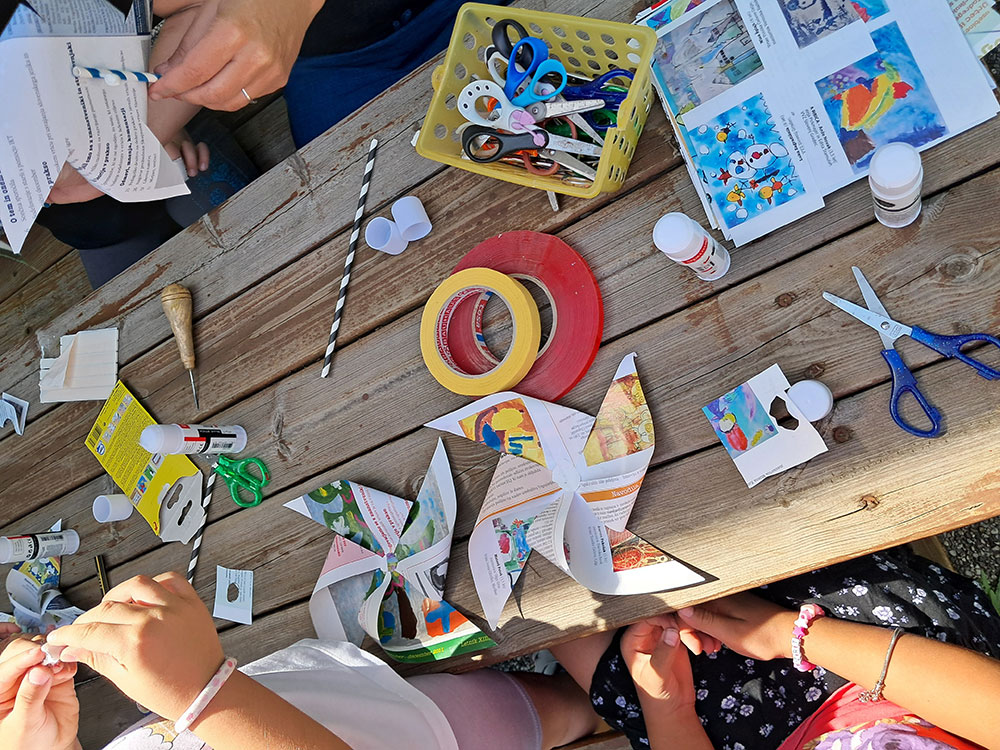
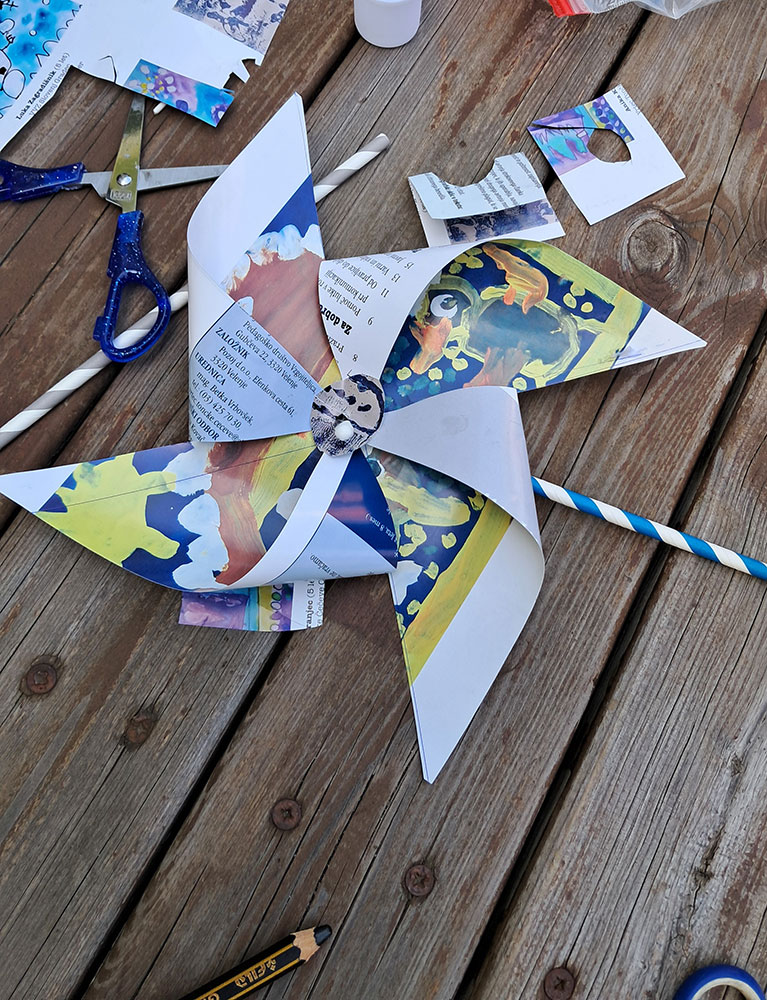
Task: Find the hidden materials for making windmills and craft simple windmills using bio-friendly materials like paper and wooden sticks.
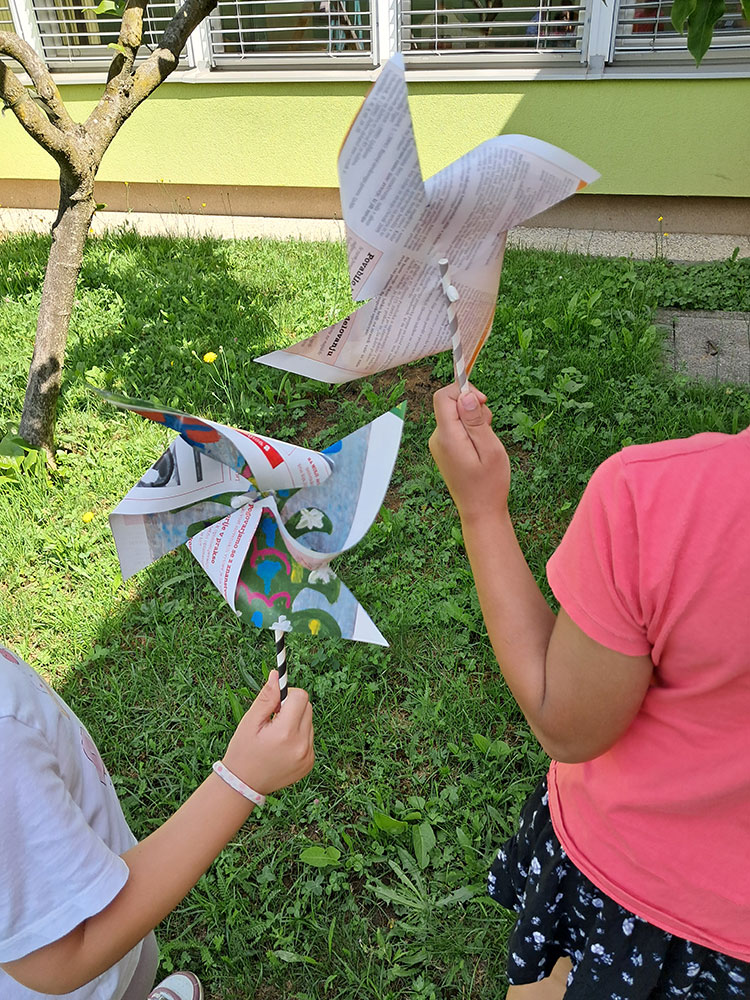
Task: Race with the windmills the children created. The winner is the one whose windmill spins the fastest. Use this activity to introduce the concept of wind energy.
At the end of the activity, gather the children and discuss:
Miro concludes, “Remember, with our actions we can help reduce the piles of waste people create!”
Conduct the eco treasure hunt during a family event or on Grandparents’ Day for intergenerational bonding.
Adapt the activity to different settings.
The Eco Treasure Hunt is an activity in which children need adult help at each station, so we recommend that you do it at a meeting with parents.
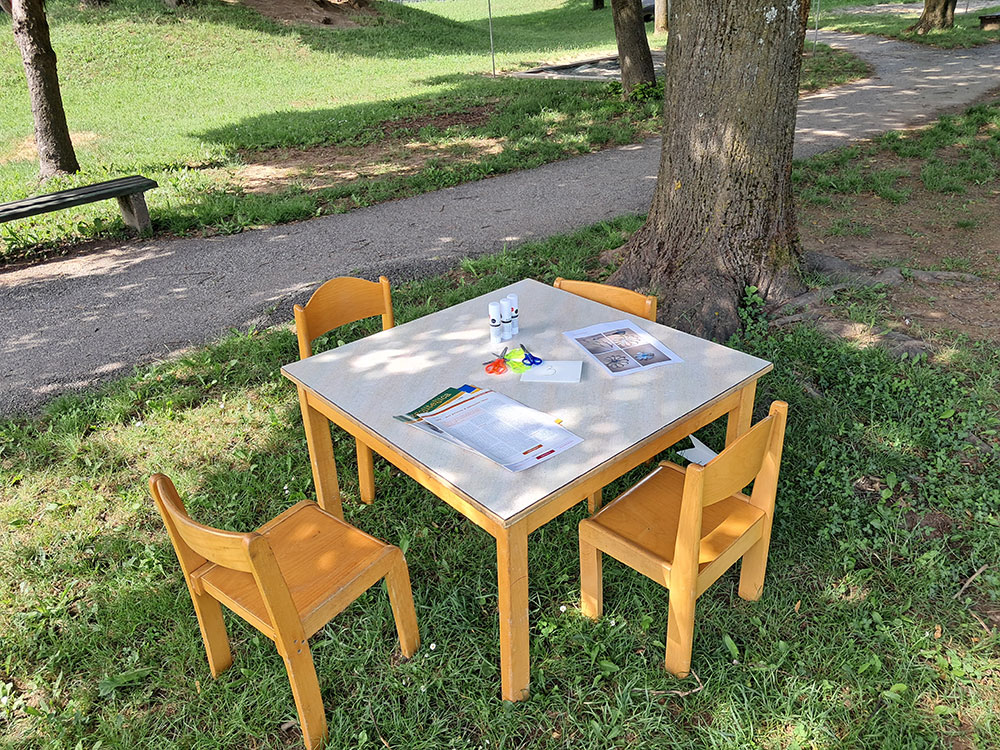
We believe that after reading the introductory instructions for the activity, you have many ideas about how to prepare the materials for each station. We are sharing just one of the possible ideas that may help you with the implementation. We are looking forward to see your experiences and photos.
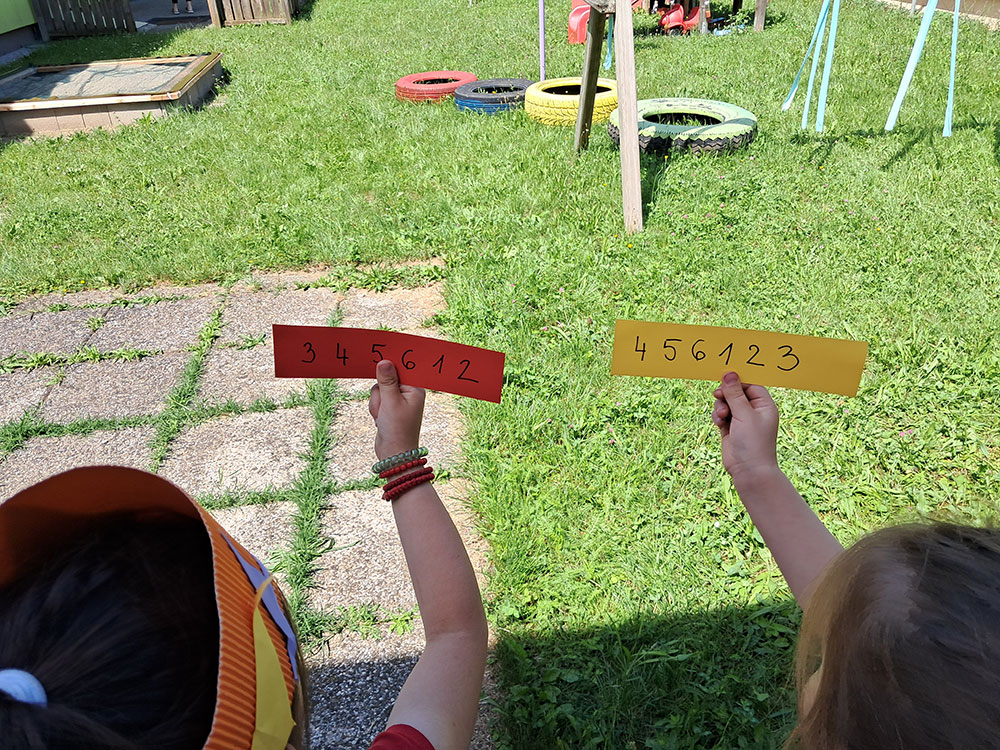
There are 6 hidden treasure stations, so the groups are divided by color with an equal number of members in each group. Ring a bell (or give some other agreed signal) every 15 minutes to signal that the groups should switch.
Name the groups after colors, and each group gets its own order of stations to visit:
| 1 | 2 | 3 | 4 | 5 | 6 | |
|---|---|---|---|---|---|---|
| Green group | 1 | 2 | 3 | 4 | 5 | 6 |
| Blue group | 2 | 3 | 4 | 5 | 6 | 1 |
| Red group | 3 | 4 | 5 | 6 | 1 | 2 |
| Yellow group | 4 | 5 | 6 | 1 | 2 | 3 |
| Orange group | 5 | 6 | 1 | 2 | 3 | 4 |
| White group | 6 | 1 | 2 | 3 | 4 | 5 |
Important note!
Before preparing the activity, each educator should check which labels and bin colours apply in their country. The examples provided refer to Slovenia. If your country uses different rules for waste sorting, please adapt the activity accordingly.
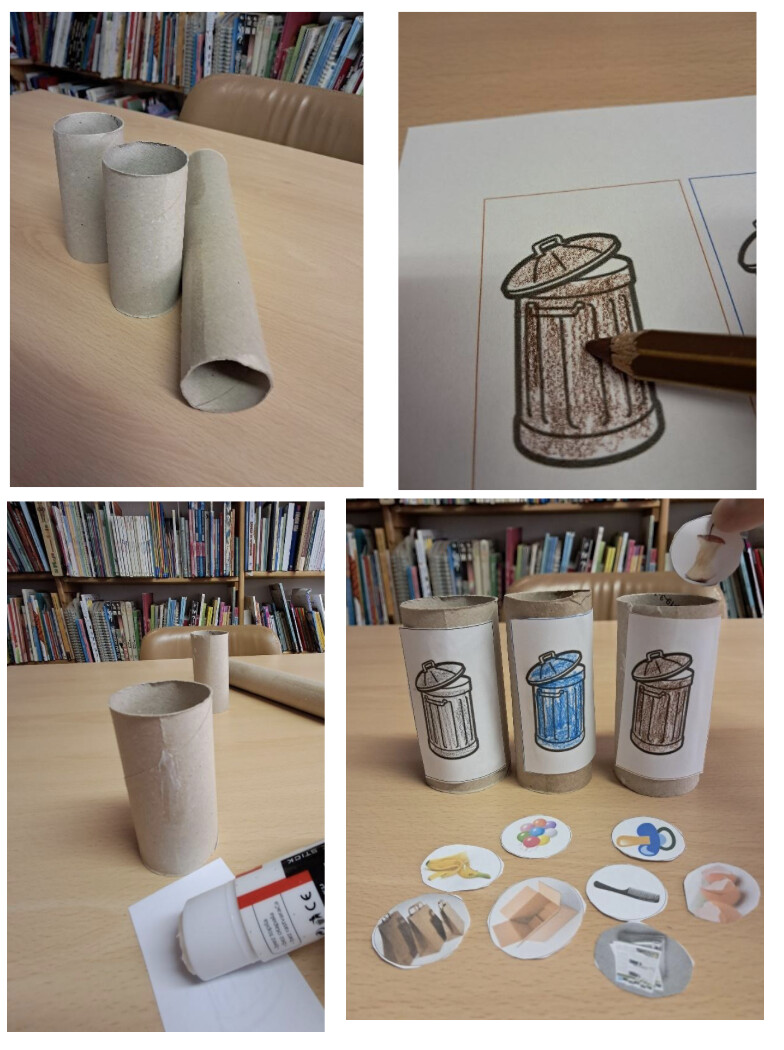
Instructions for making the didactic game
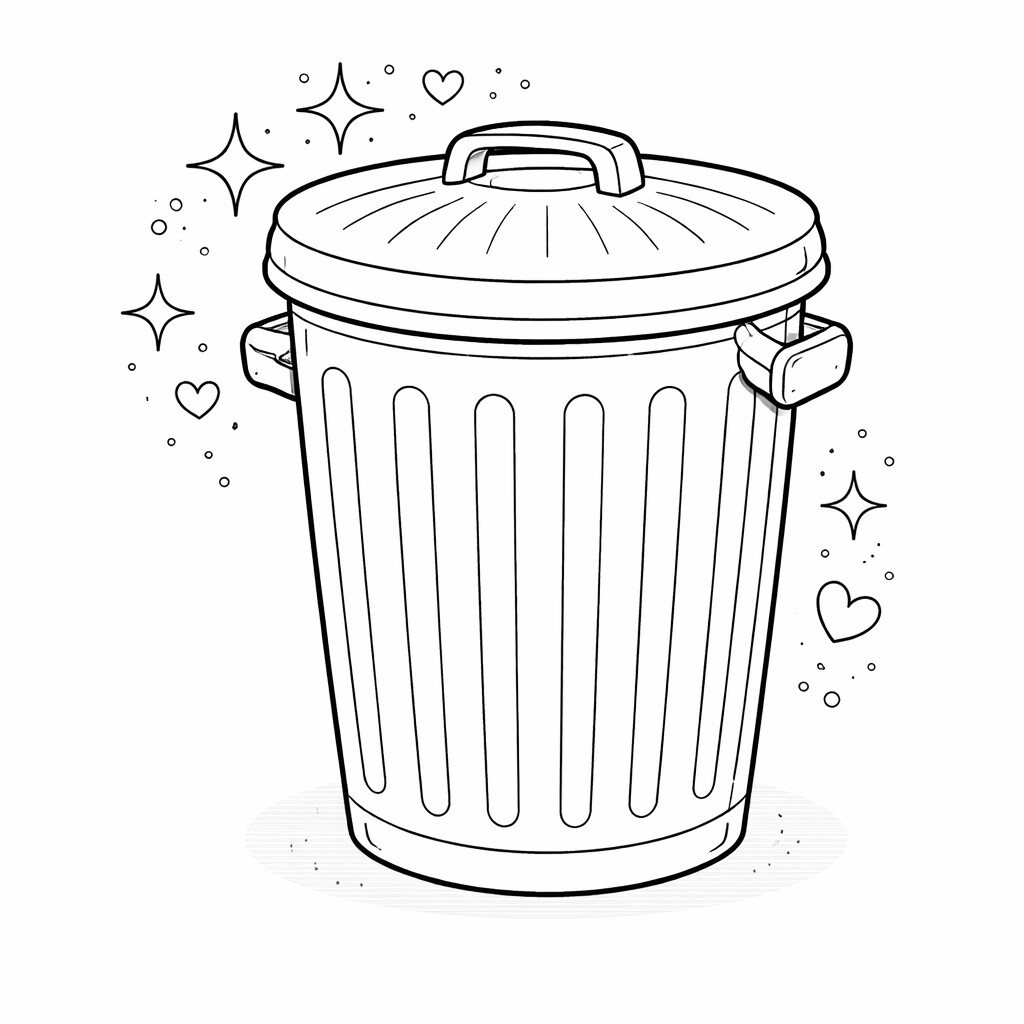
Prepare three cardboard tubes (for example, from paper towel rolls) and cut them to a length of 10 cm. Print the material on thicker paper. You can also laminate the picture tokens so they will last longer. Let the children colour the bins in the colours used in your country for sorting organic waste, paper and cardboard, and general waste. Cut out the coloured bins and glue them onto the tubes.
Checklist of solutions
Let's check whether we sorted the waste into the right bins!
|
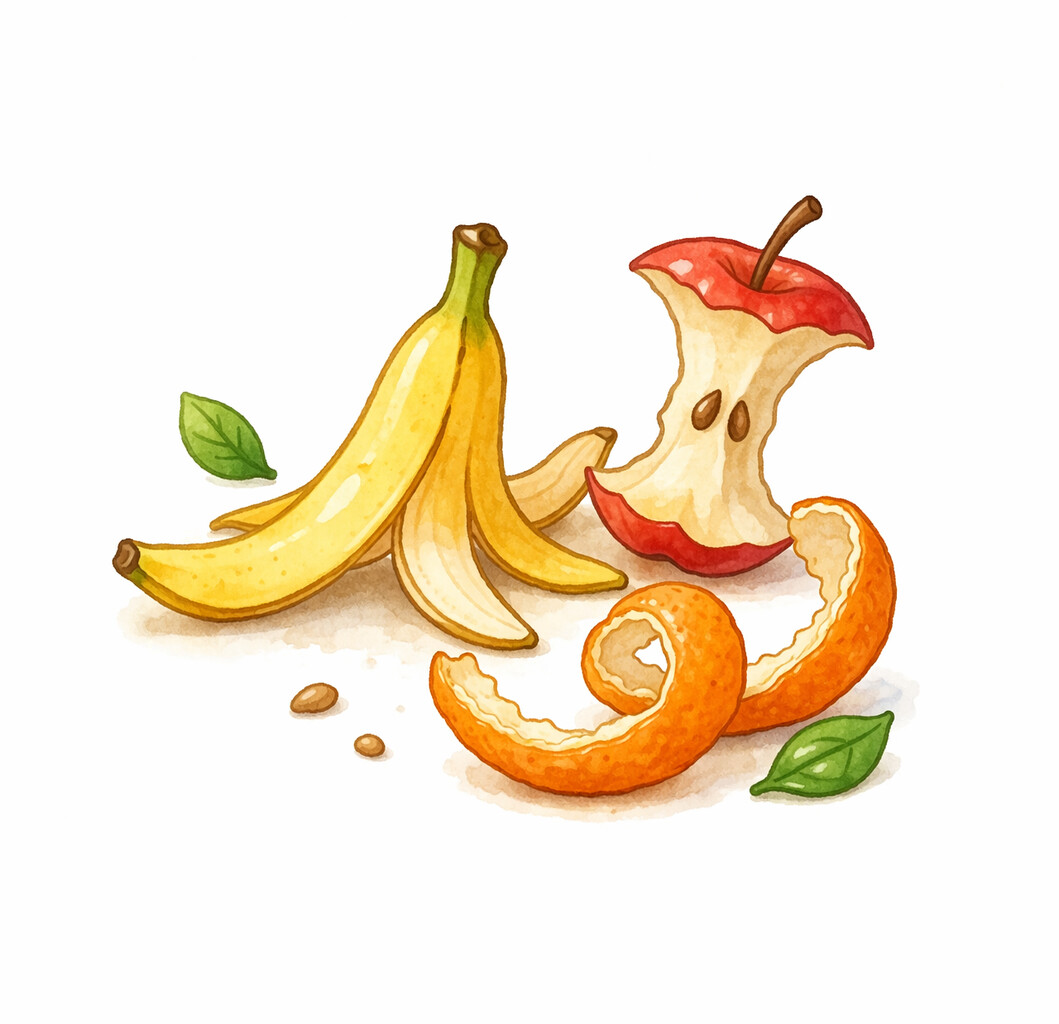
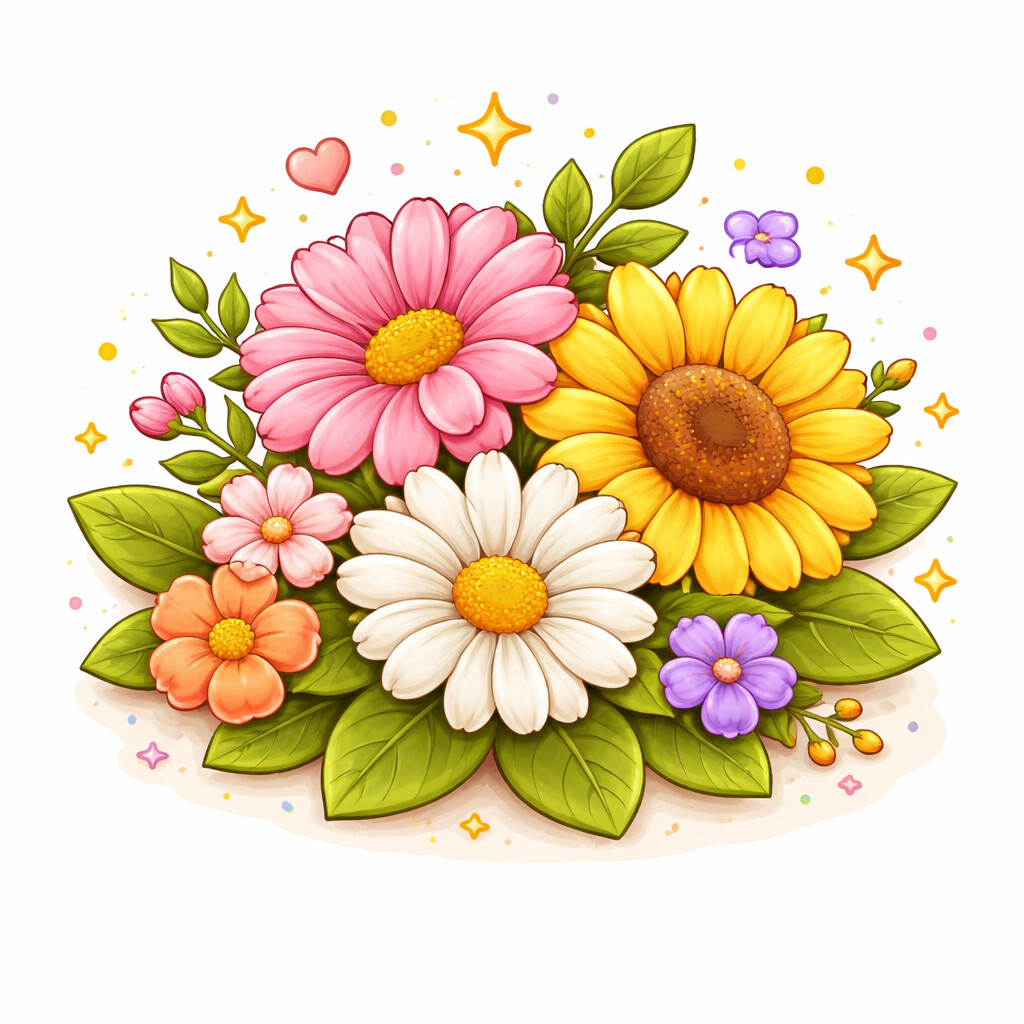
Fruit peels
|
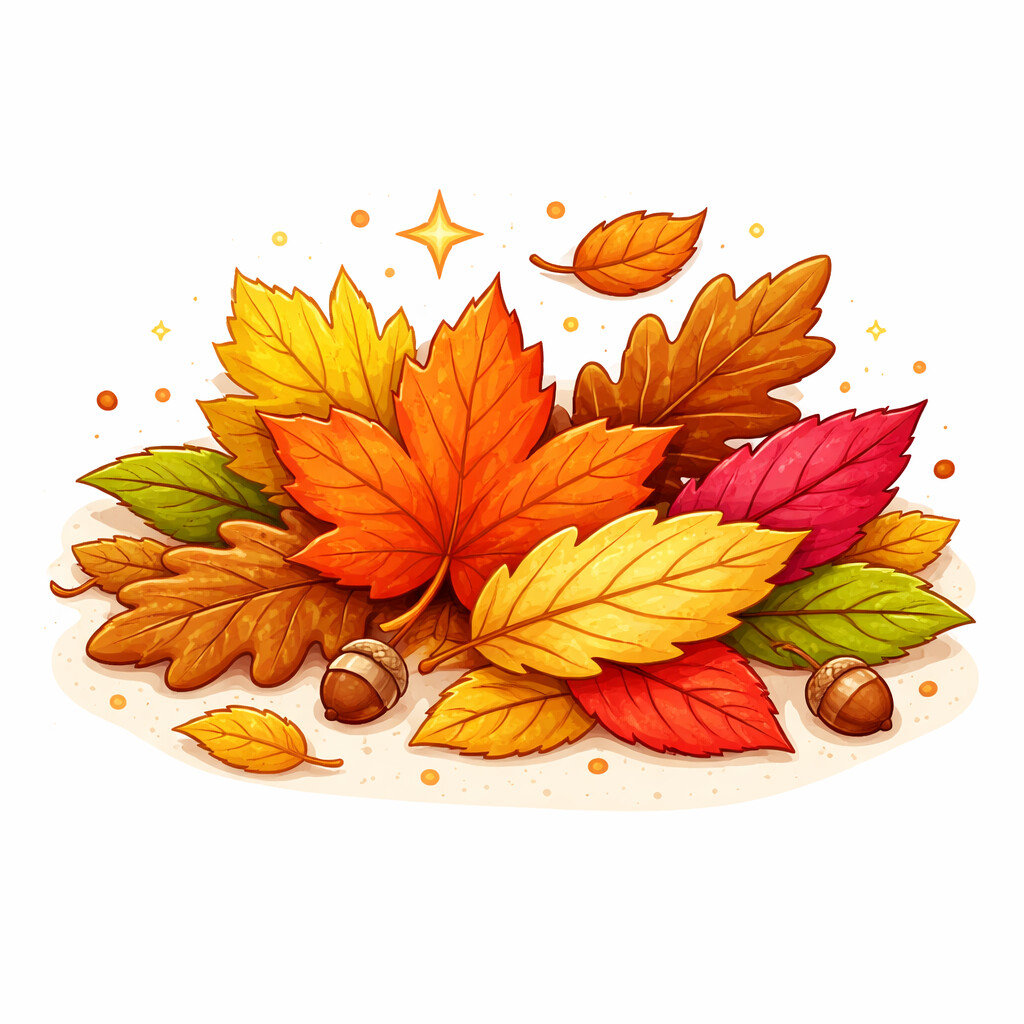
Fallen leaves
|
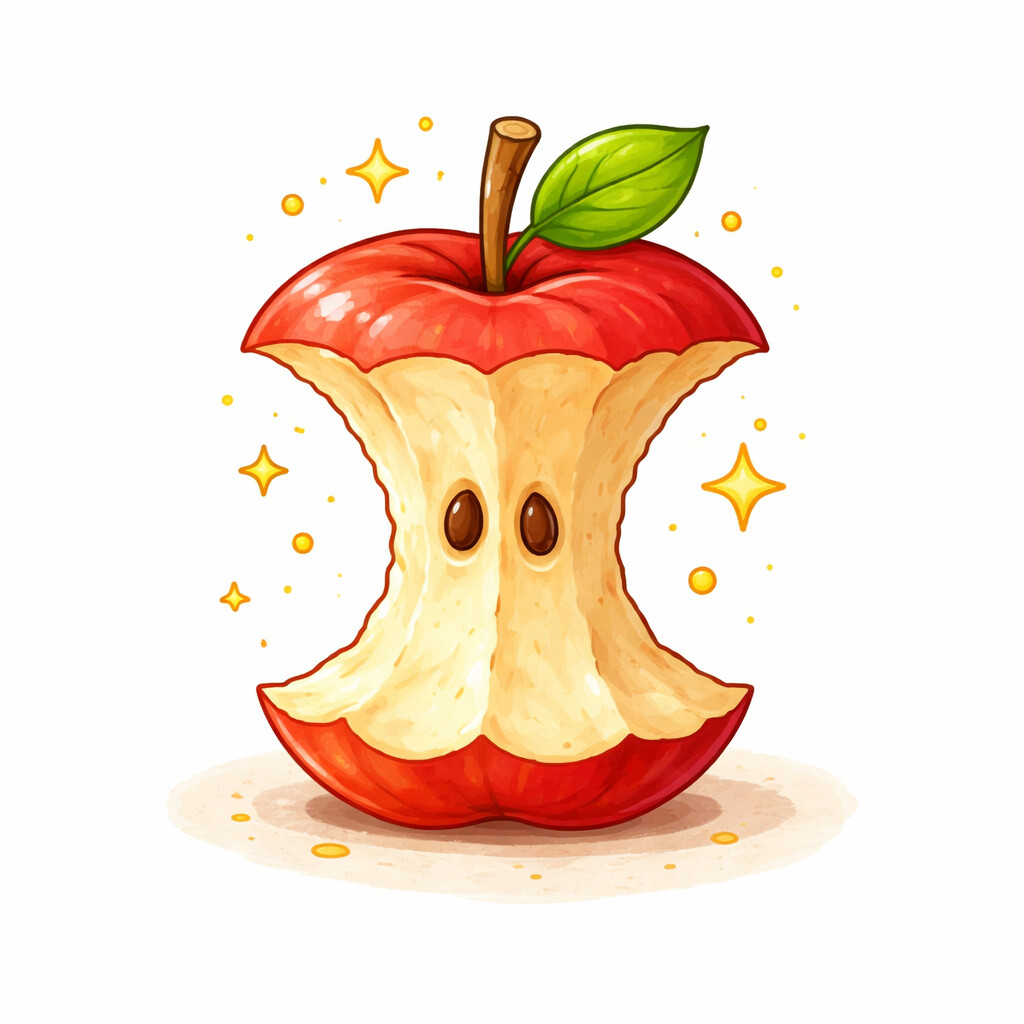
Apple core
|
Flowers
|
|
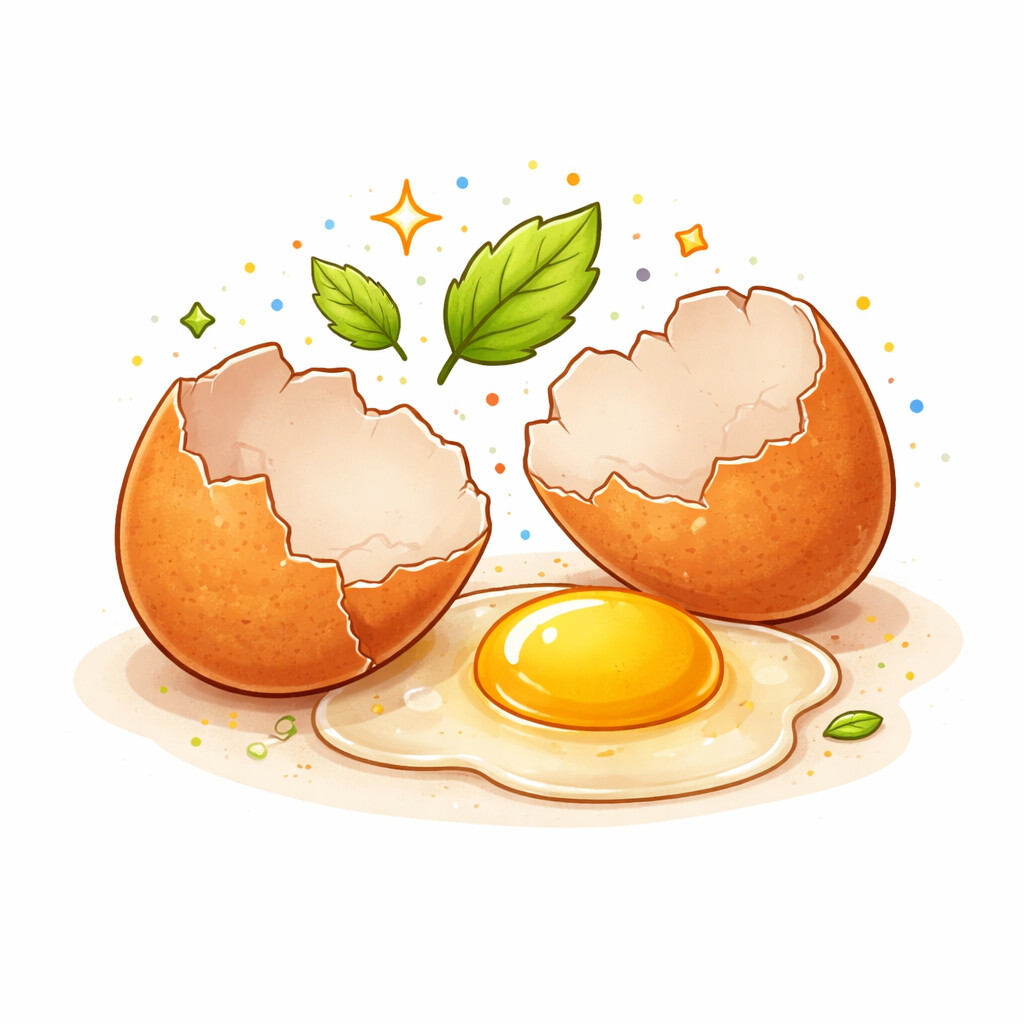
Eggshells
|
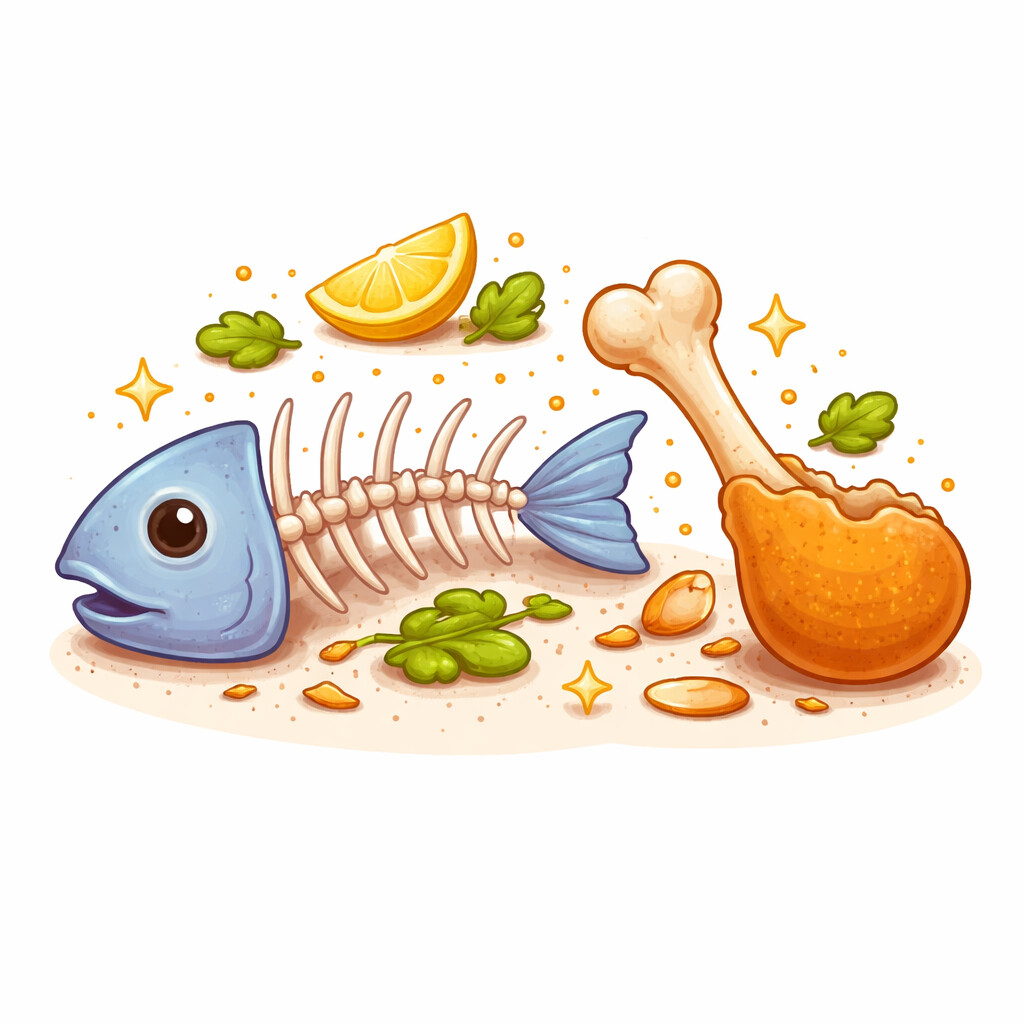
Fish and chicken bones
|
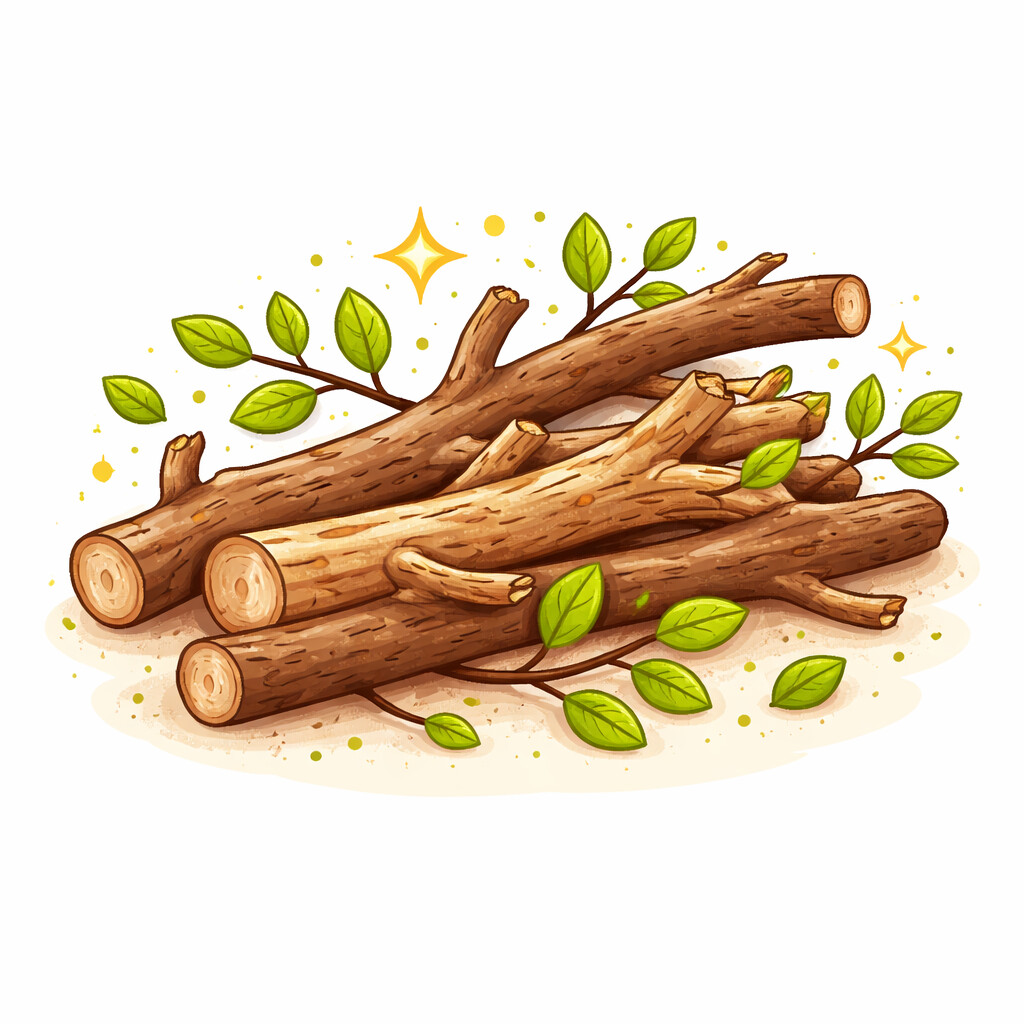
Branches
|
|
Balloon
|
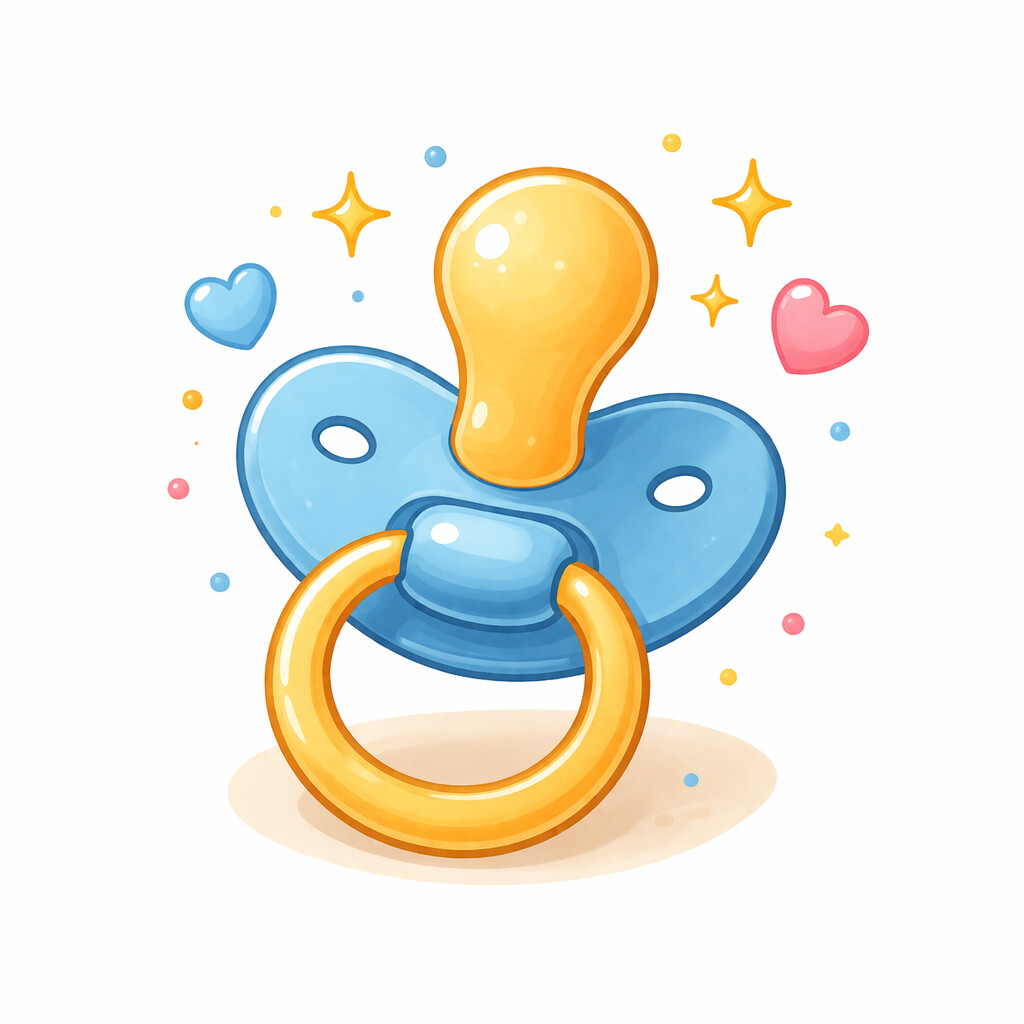
Pacifier
|
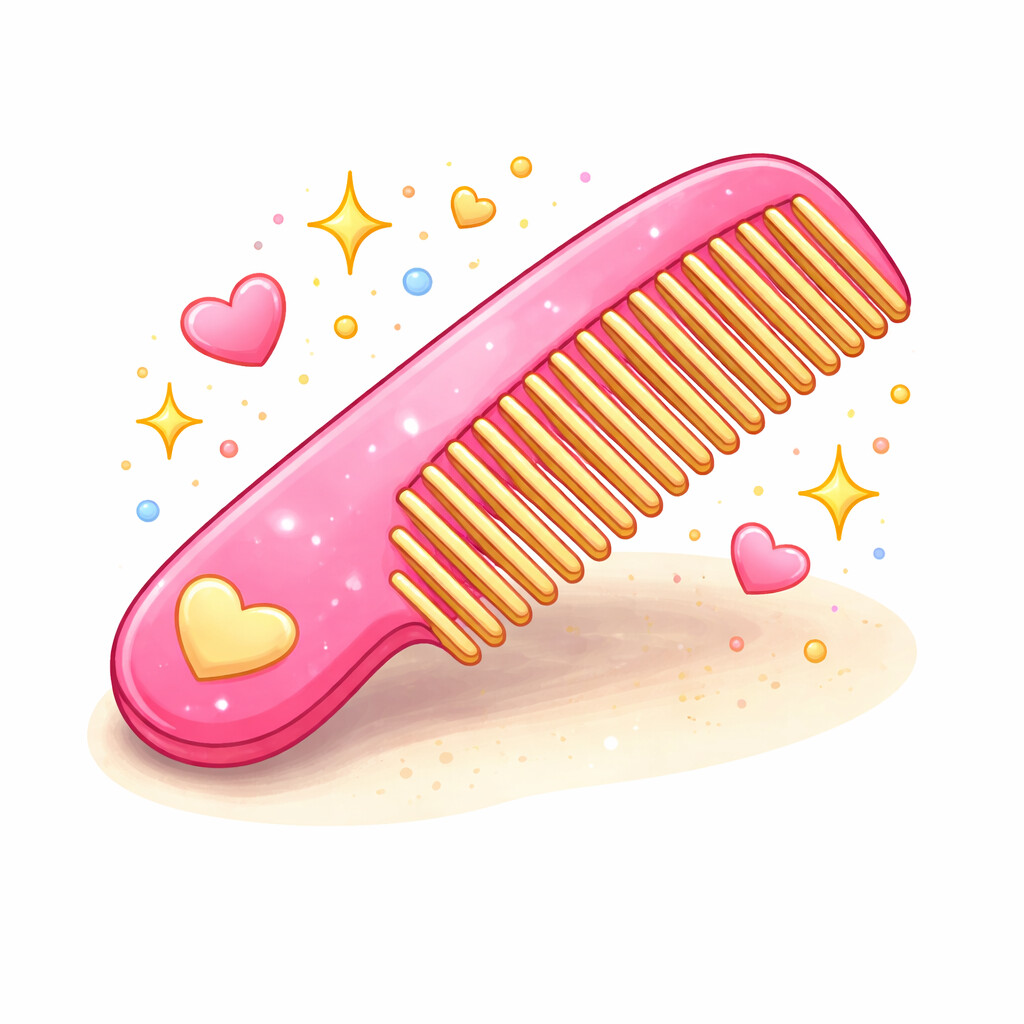
Comb
|
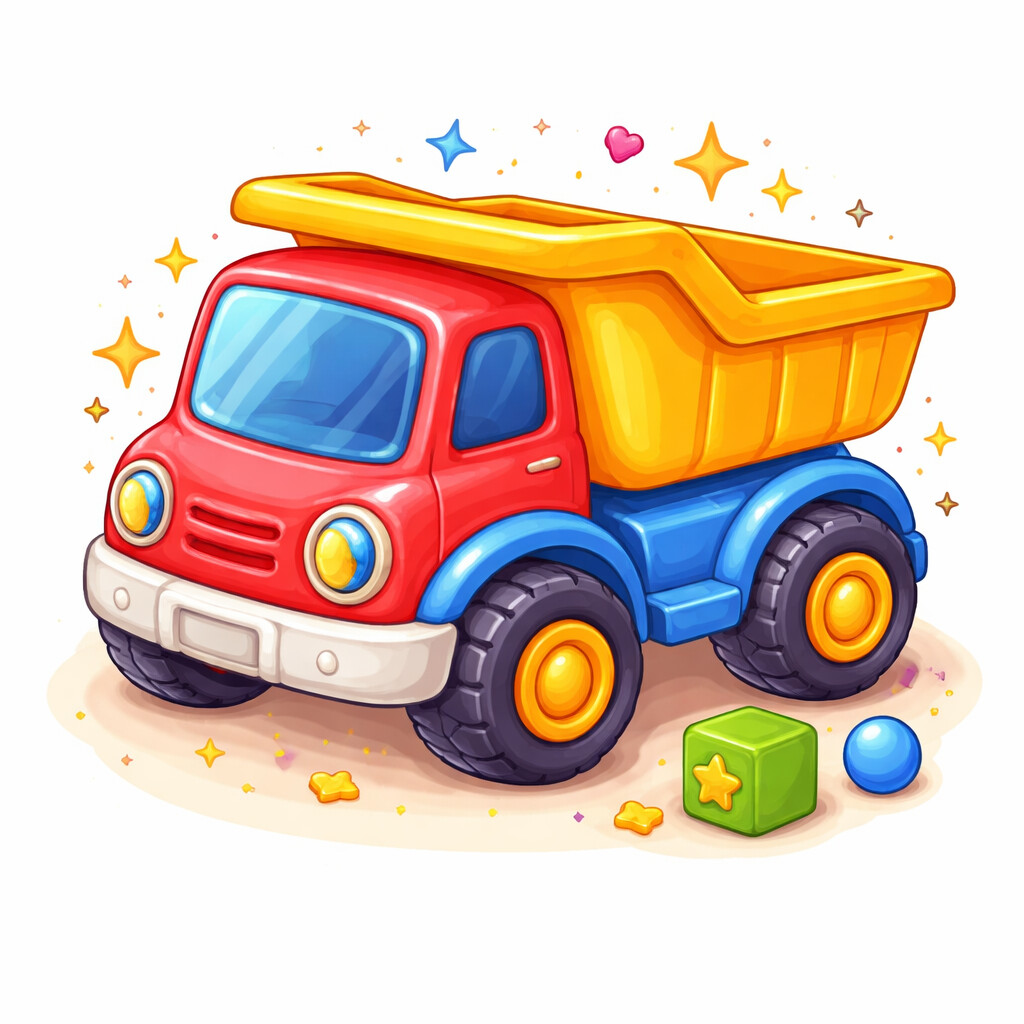
Toy
|
|
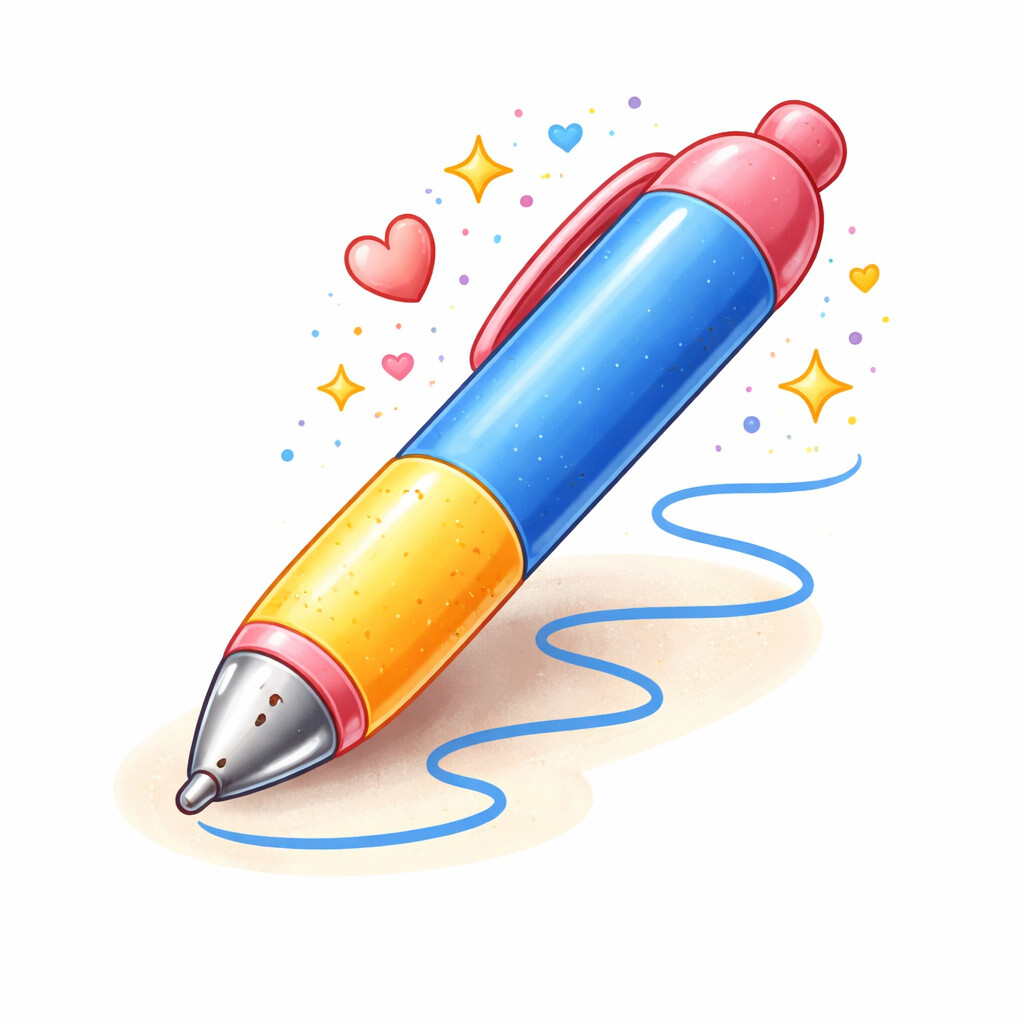
Ballpoint pen
|
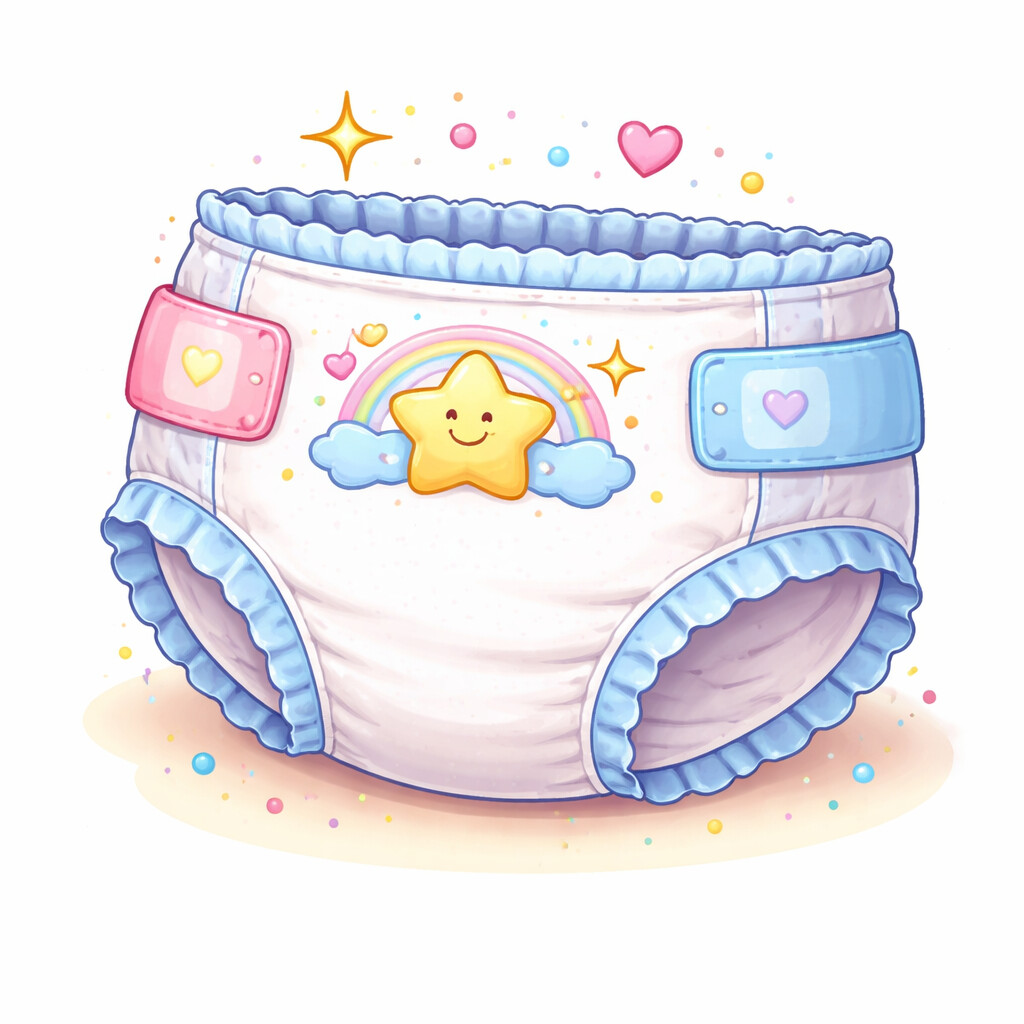
Diaper
|
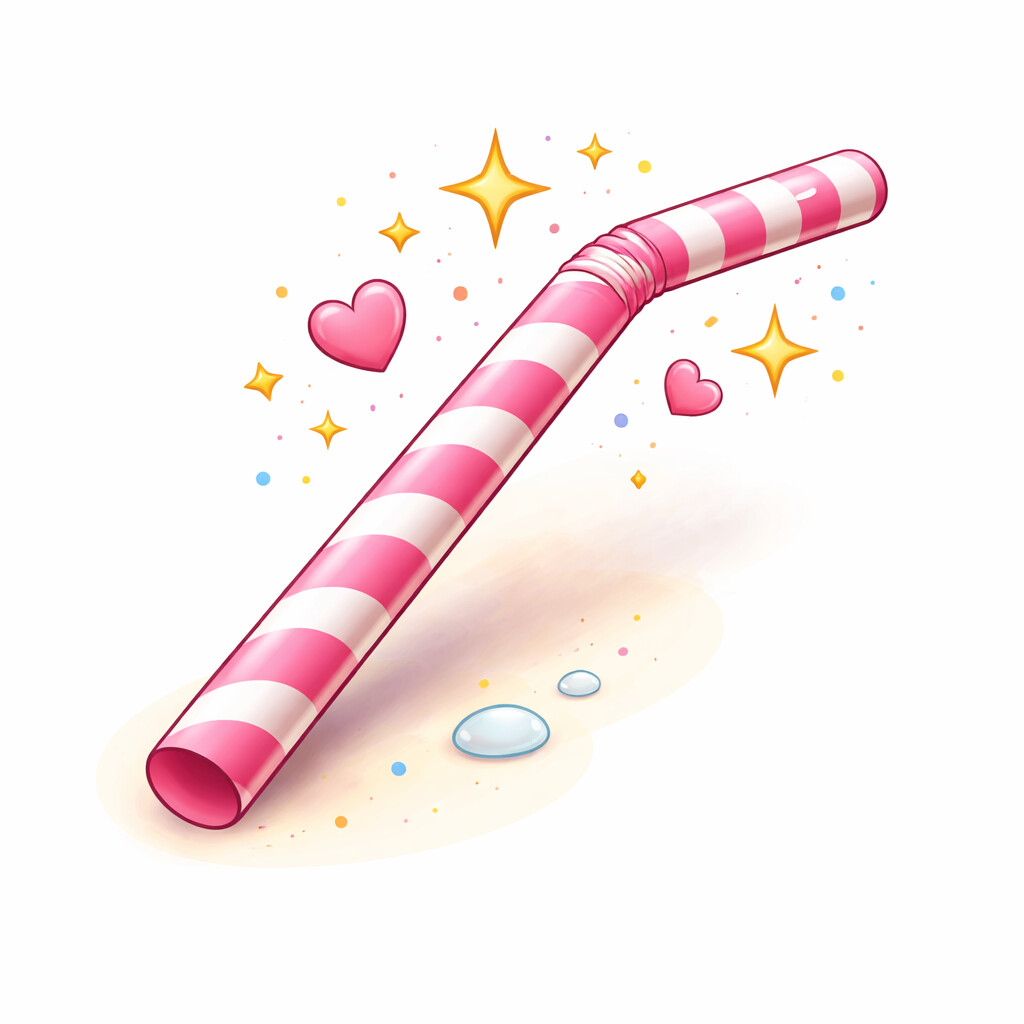
Straw
|
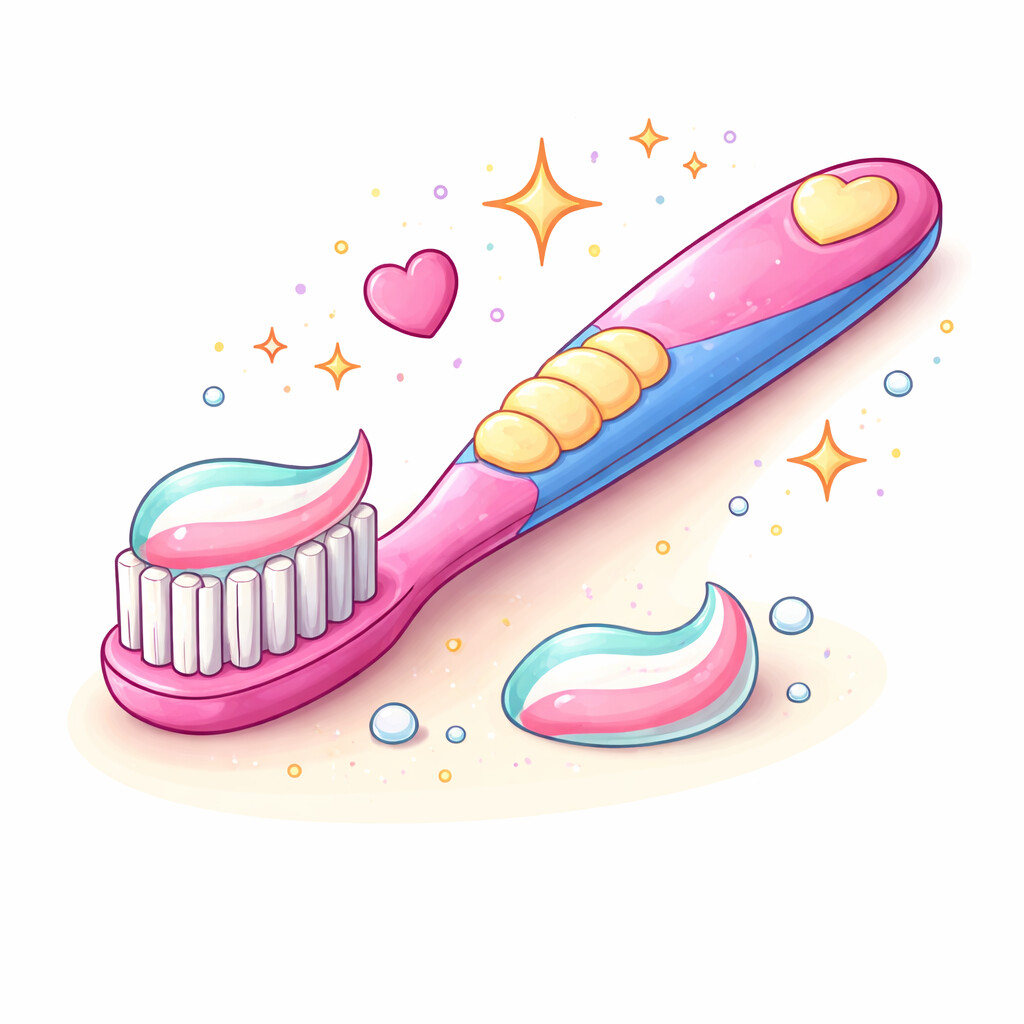
Toothbrush
|
|
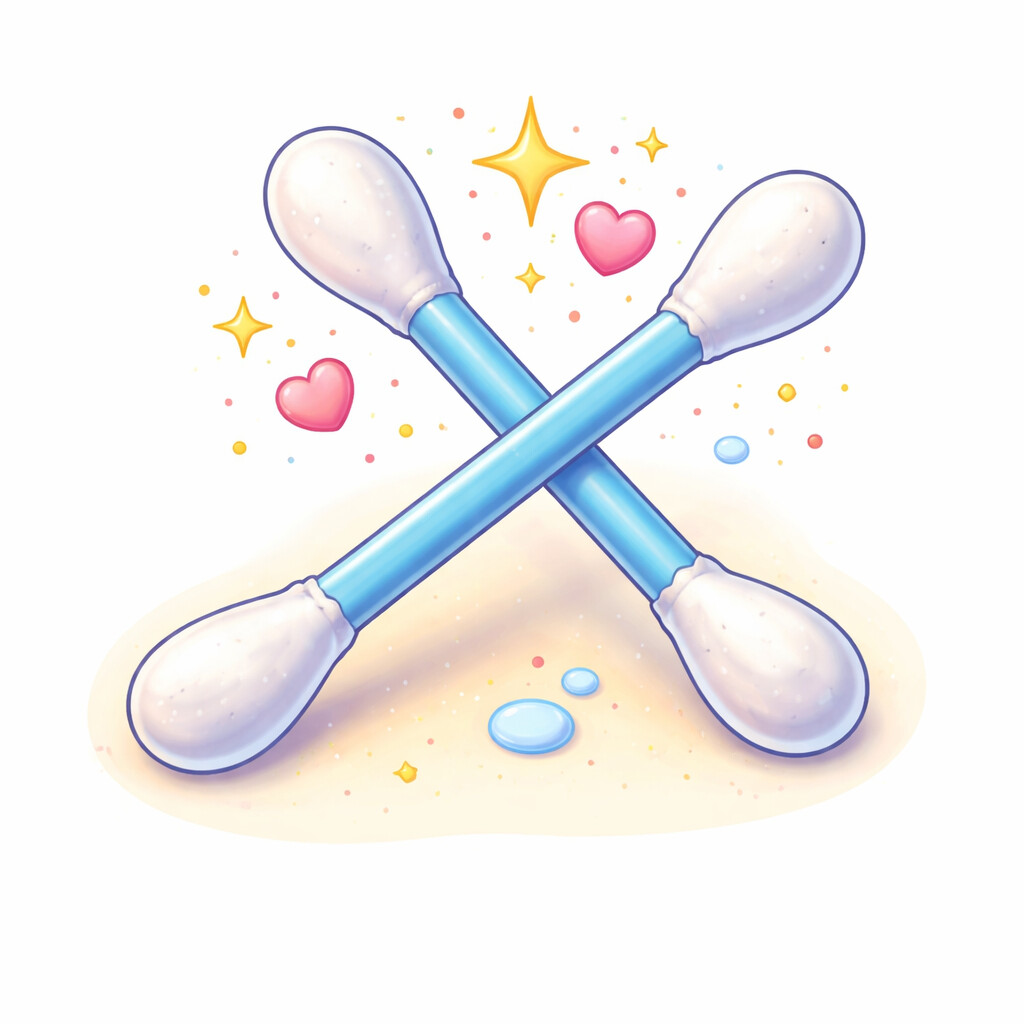
Cotton swab
|
Light bulb
|
|
Newspaper
|
Paper bag
|
Advertising leaflet
|
Cardboard box
|
|
Envelope
|
Cardboard
|

Funded by the European Union. Views and opinions expressed are however those of the author(s) only and do not necessarily reflect those of the European Union or the European Education and Culture Executive Agency (EACEA). Neither the European Union nor EACEA can be held responsible for them.

All contents, in particular texts, pictures and graphics, are protected by copyright. Unless expressly stated otherwise, copyright is held by sel.eduskills.plus and is licensed under Creative Commons Attribution - Non-commercial - Distribution under the same conditions 4.0 International license. They may be subject to the terms of the license.
© 2024-2026 sel.eduskills.plus | Impressum