| Napredna | |
| Dob: 4-6 | |
| 2 sesije po otprilike 1 sat | |
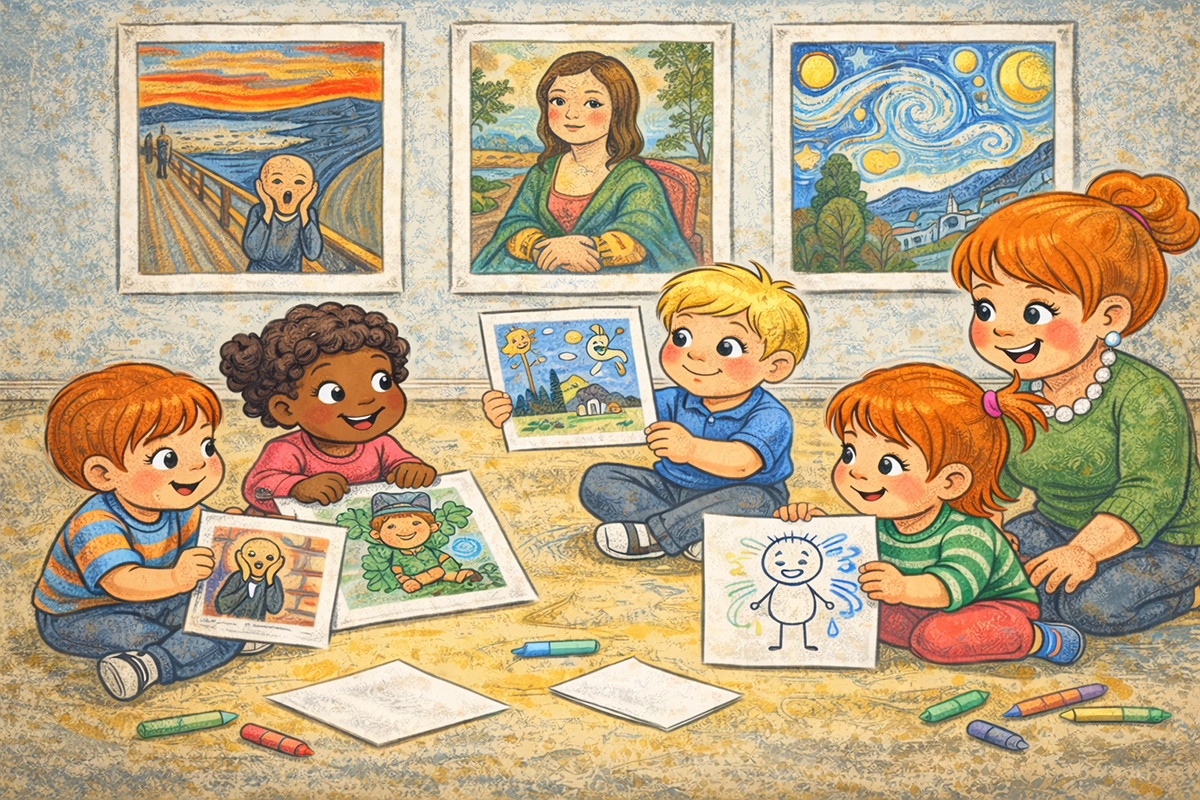
| Djeca istražuju umjetničko djelo, zamišljaju kako se prikazane osobe osjećaju i zašto, te ta osjećanja povezuju s vlastitim iskustvima. | |
| Upravljanje učenjem | |
| Razgovor Pričanje priče | |
|
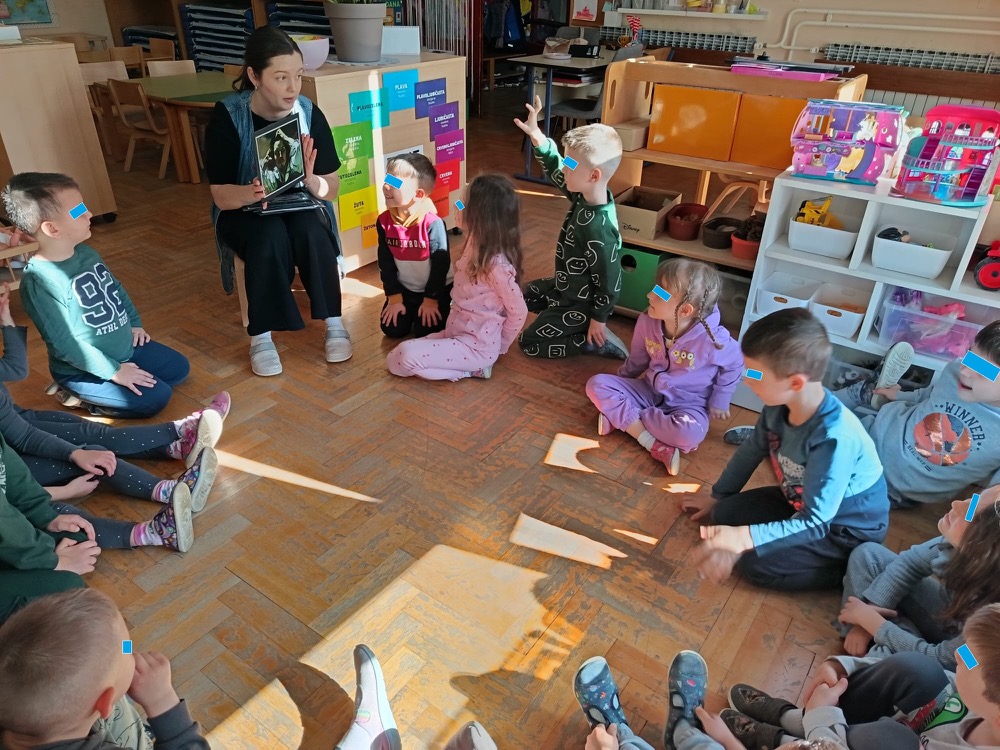
Postavite odabrane slike tako da ih sva djeca jasno vide — primjerice na zid, ploču ili stol.
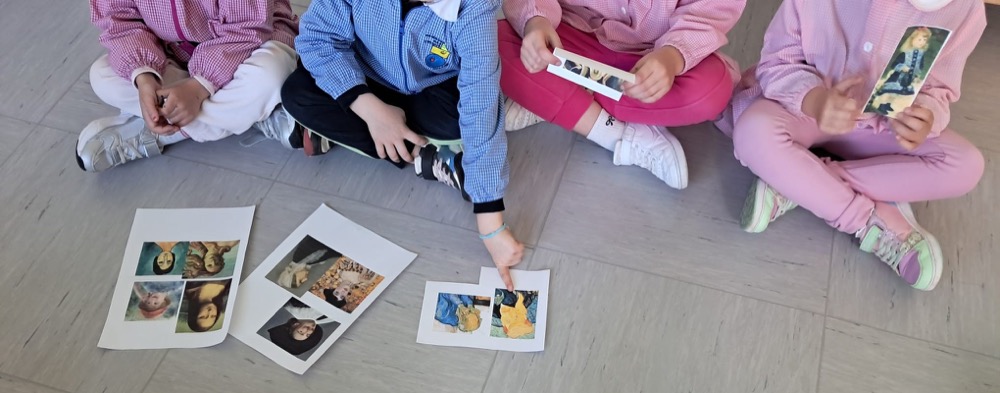
Pozovite djecu da pažljivo pogledaju slike ili umjetnička djela.
Pitajte što primjećuju kod likova: njihove izraze lica, govor tijela ili boje koje je umjetnik upotrijebio.
Svako dijete odabire jednu sliku.
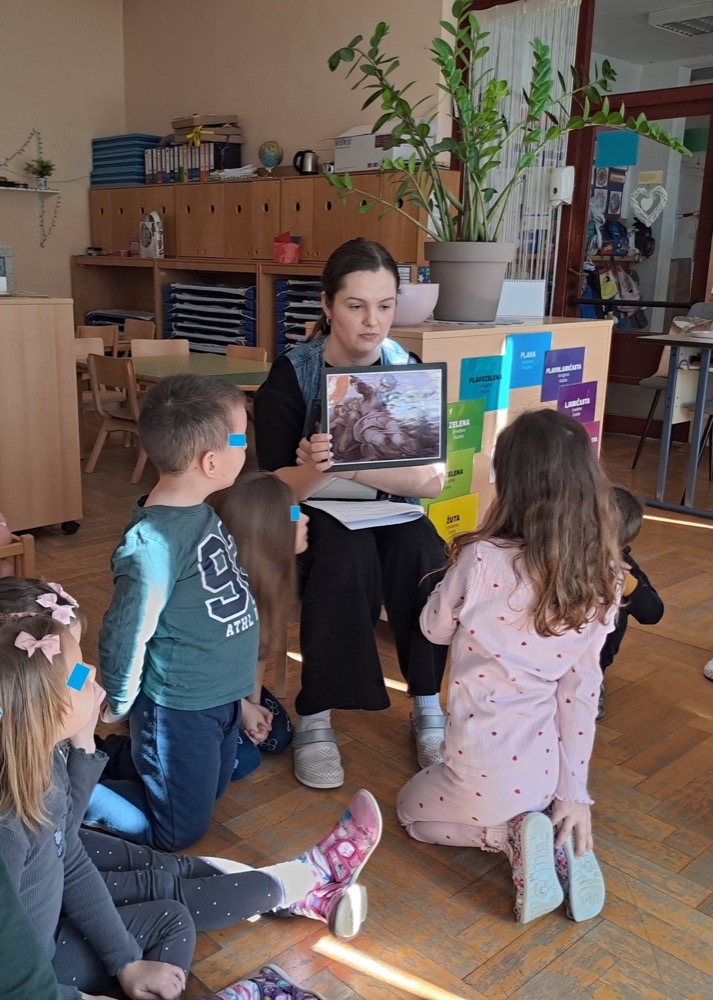
Odgojiteljica postavlja usmjeravajuća pitanja, kao što su:
Potičite djecu da opisuju što vide i da koriste emocionalni rječnik (tužan, sretan, zabrinut, iznenađen, smiren itd.).
Svako dijete ponovno bira sliku, a odgojiteljica pita:
Potaknite djecu da podijele osobna iskustva ili priče koje povezuju s emocijom prikazanom na slici.
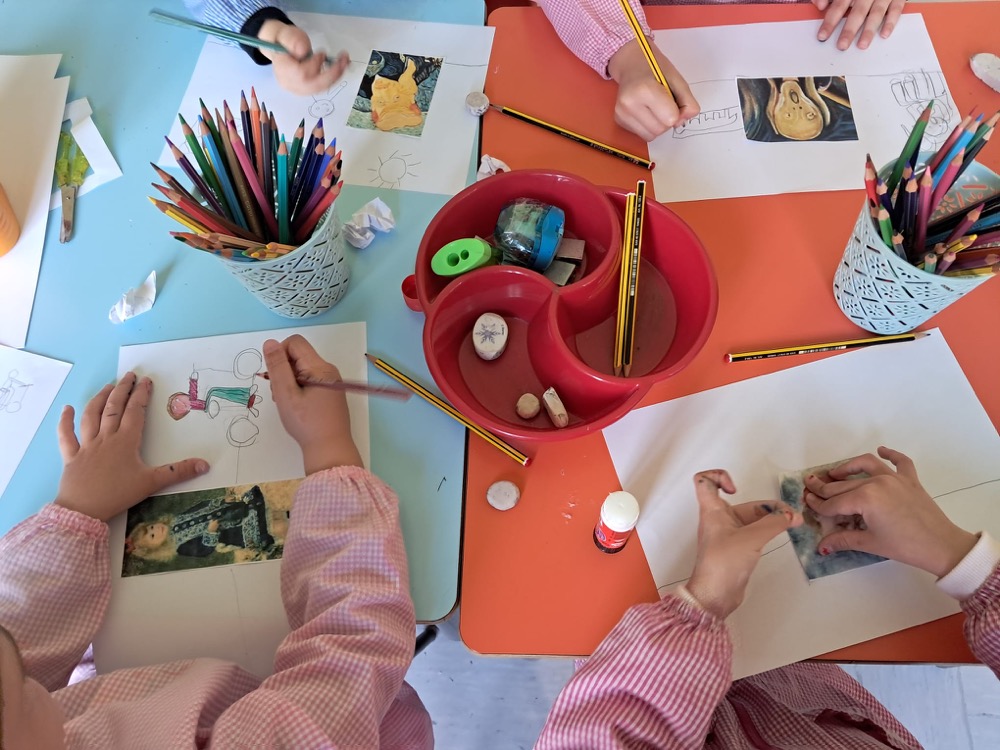
Dajte svakom djetetu kopiju odabrane slike.
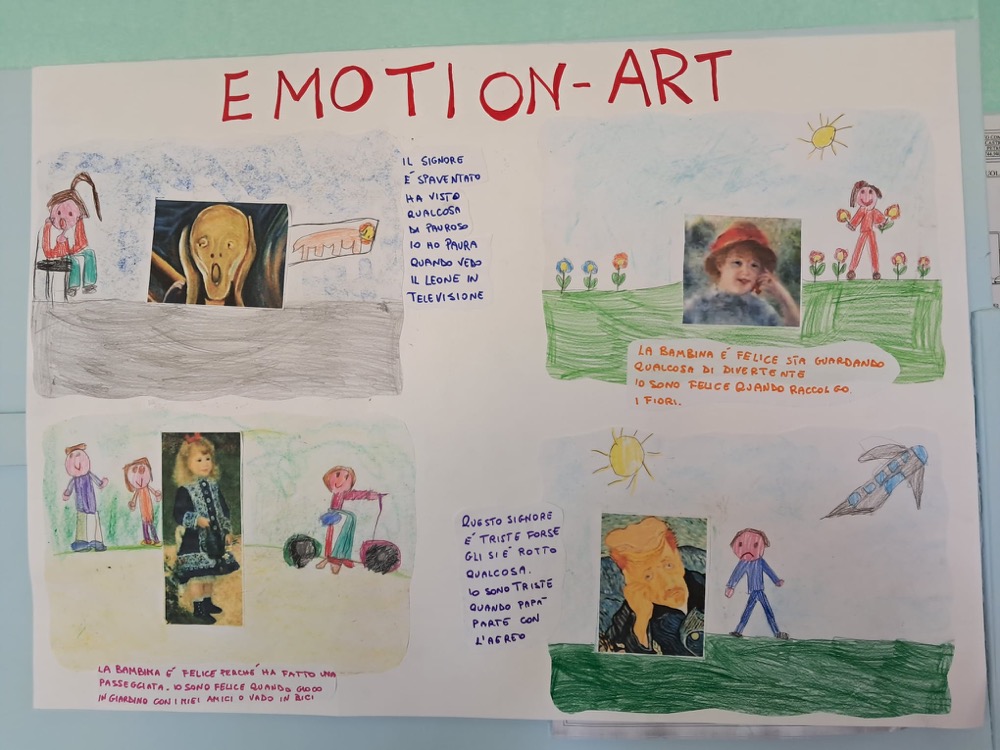
Djeca je izrezuju, lijepe na prazni list i dovršavaju sliku dodavanjem elemenata inspiriranih vlastitim iskustvom, primjerice, gdje su bili, tko je bio s njima ili što im je pomoglo da se osjećaju bolje.
Razgovarajte zajedno:
Djeca traže isti emocionalni izraz (na primjer, sreću, tugu, strah, iznenađenje) na različitim slikama, u časopisima ili na isprintanim kopijama.
Izrađuju kolaže koji prikazuju isti izraz lica u različitih ljudi ili u različitim situacijama.
Odgojiteljica vodi kratki razgovor prema istim refleksivnim koracima kao u glavnoj aktivnosti, pomažući djeci usporediti kako jedna emocija može izgledati malo drugačije na različitim licima.

Financirano sredstvima Europske unije. Izneseni stavovi i mišljenja su stavovi i mišljenja autora i ne moraju se podudarati sa stavovima i mišljenjima Europske unije ili Europske izvršne agencije za obrazovanje i kulturu (EACEA). Ni Europska unija ni EACEA ne mogu se smatrati odgovornima za njih.

Svi sadržaji, a posebno tekstovi, slike i grafikoni, su zaštićeni autorskim pravima. Vlasnik autorskih prava, ukoliko nije drugačije označeno, je sel.eduskills.plus, a autorsko pravo je definirano licencom Creative Commons Imenovanje-Nekomercijalno-Dijeli pod istim uvjetima 4.0 Međunarodna. Autorska prava mogu biti definirana uvjetima licence.
© 2024-2026 sel.eduskills.plus | Impressum