| Basic | |
| Age: 4-6 | |
| 5 sessions of approx. 20 min | |
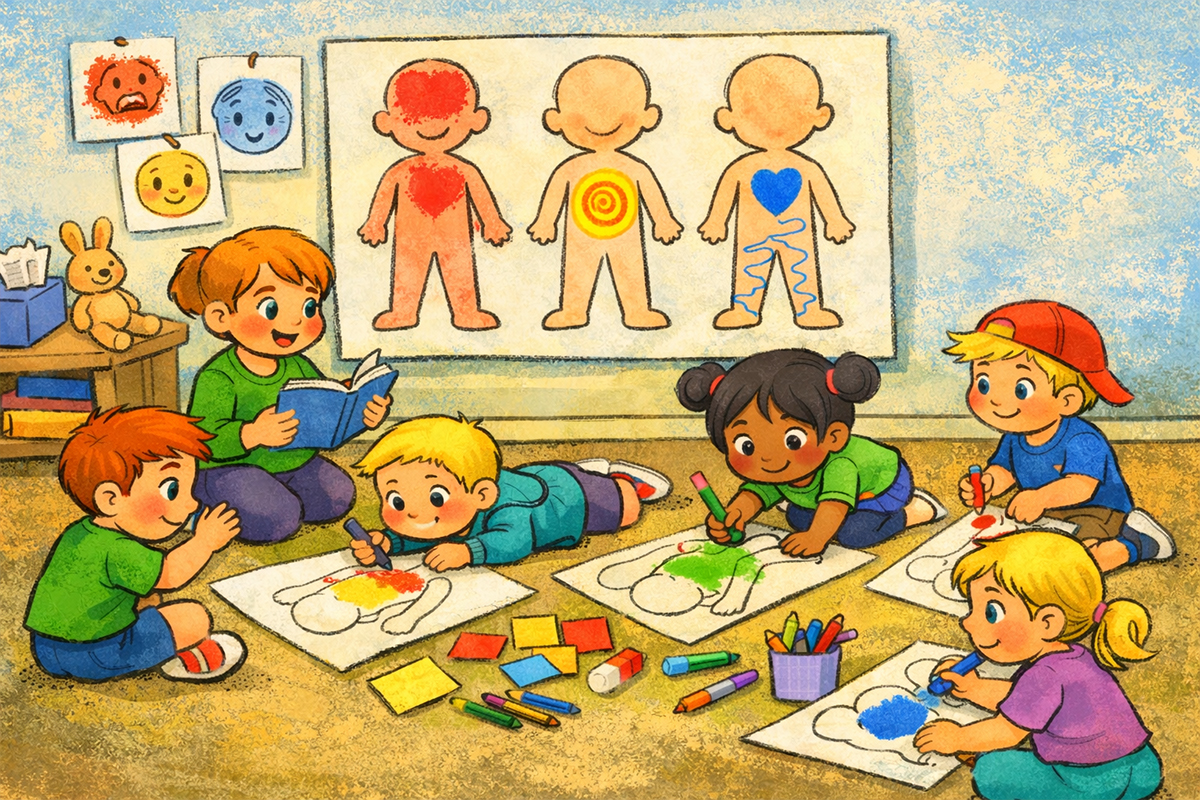
| Children listen to a story, share experiences, and map emotions on body outlines to explore how feelings show up in the body. The group, which should not be too large, is working on one emotion at a time, always presenting the same work pattern. | |
| Self-regulation | |
| Growth mindset | |
| Cognitive task Conversation Parents | |
|
Select a short story or several stories that describe different emotions.
This activity can trigger strong feelings. You can find selected strategies for dealing with them in the Guidelines. We recommend that you familiarize yourself with these strategies before implementing the activity in group settings.
Start by reading a short story that describes different emotions. Use simple questions to help children understand what happened in the story and how the characters felt. Encourage the children to think of times when they felt the same way.
Invite the children to share their own experiences of feeling these emotions. Focus their attention on how emotions don’t just stay in our heads but often send signals to our bodies, like a fast heartbeat, shaky hands, or a warm face.
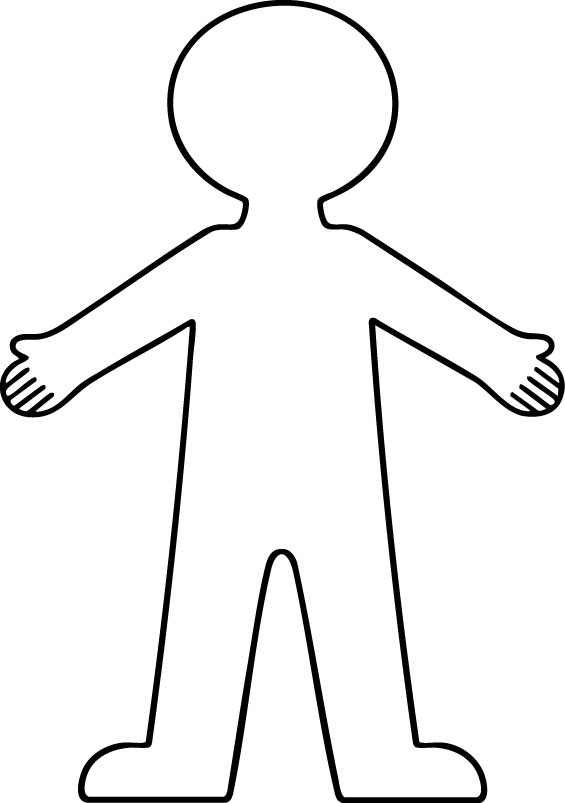
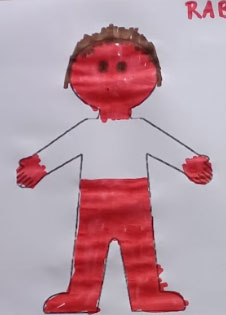
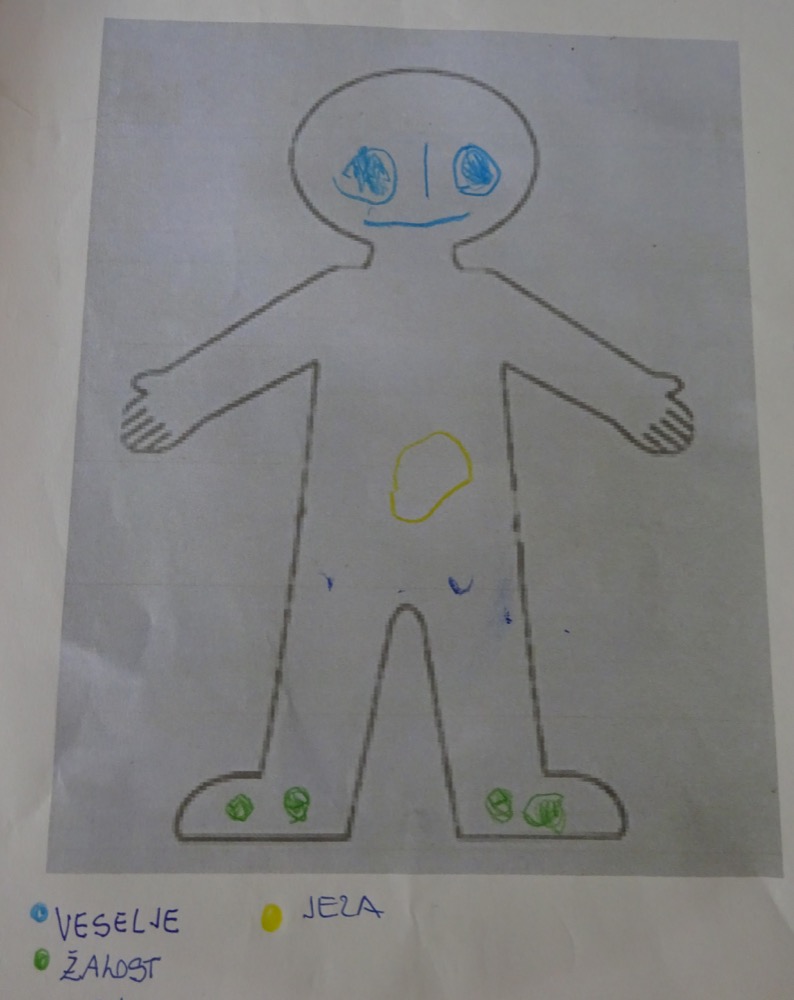
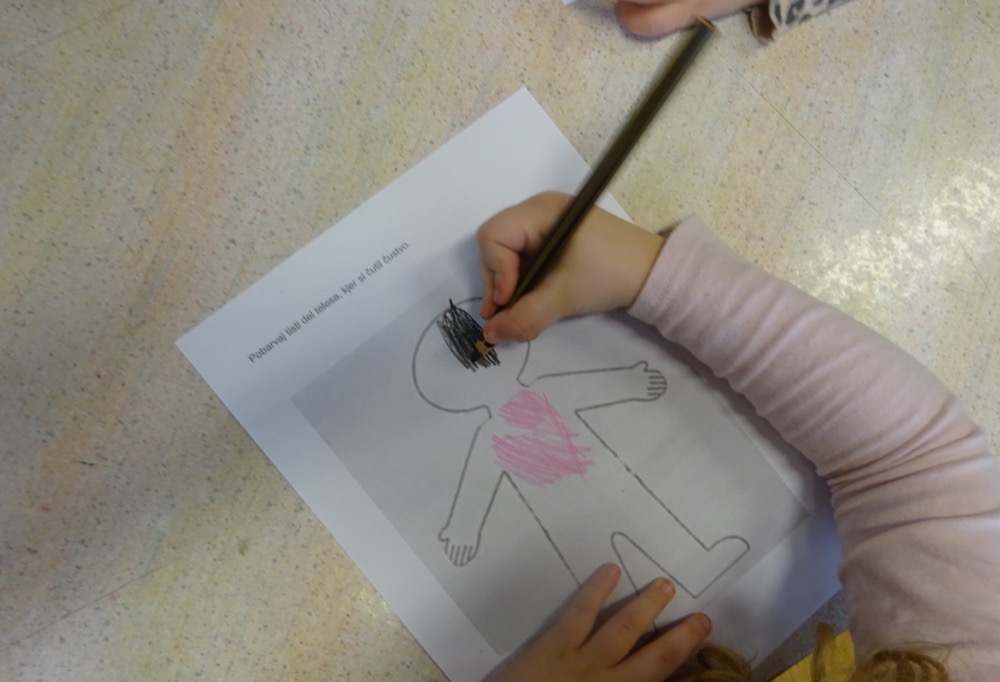
Give each child a blank body outline. Ask them to color or mark the part of the body where they remember feeling a specific emotion. Let them choose colors or shapes that feel right to them.
End with a short group conversation about how paying attention to these body signals can help us recognize and understand our feelings better. Remind children that learning to notice these signals is the first step toward managing emotions in healthy ways.
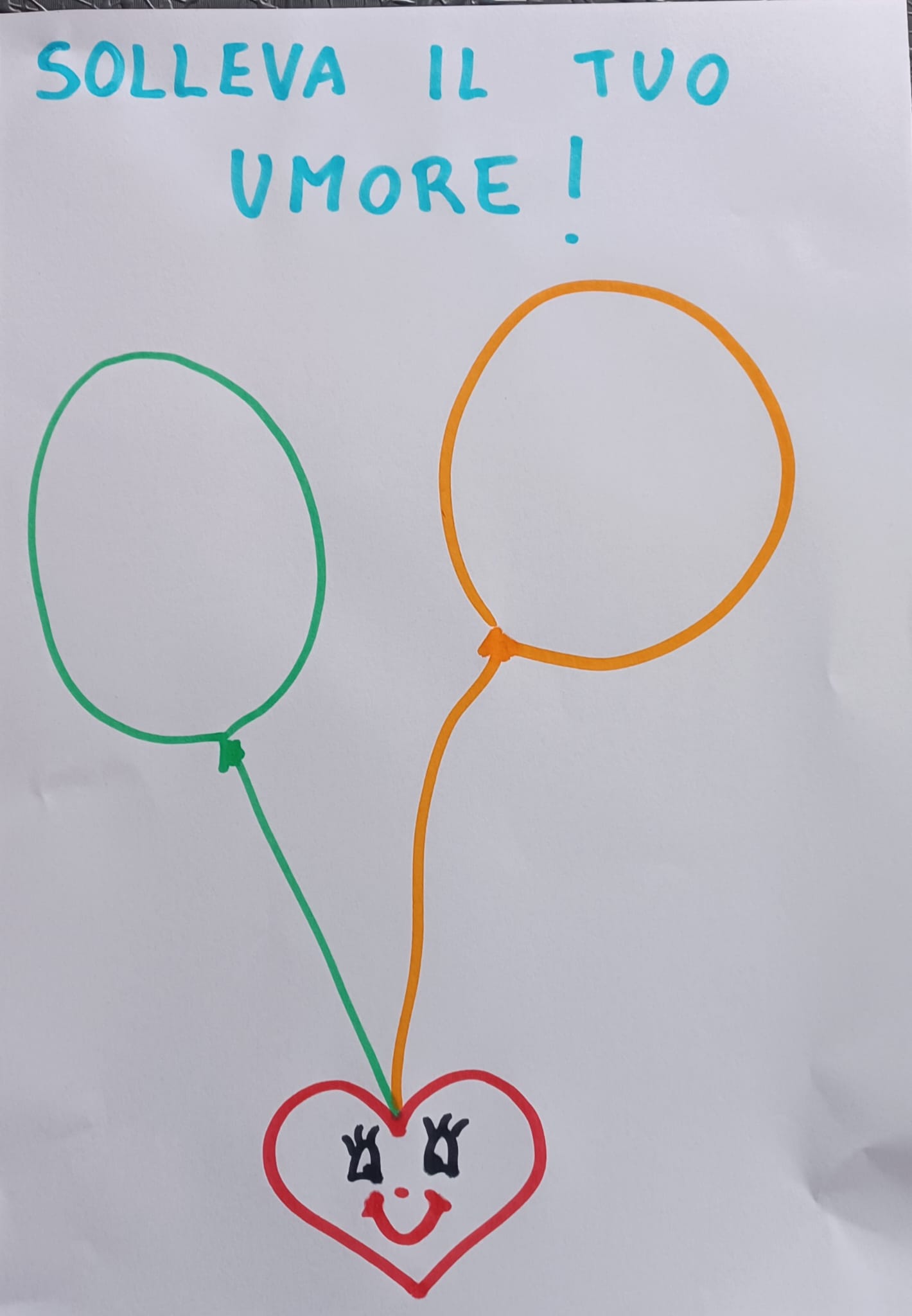
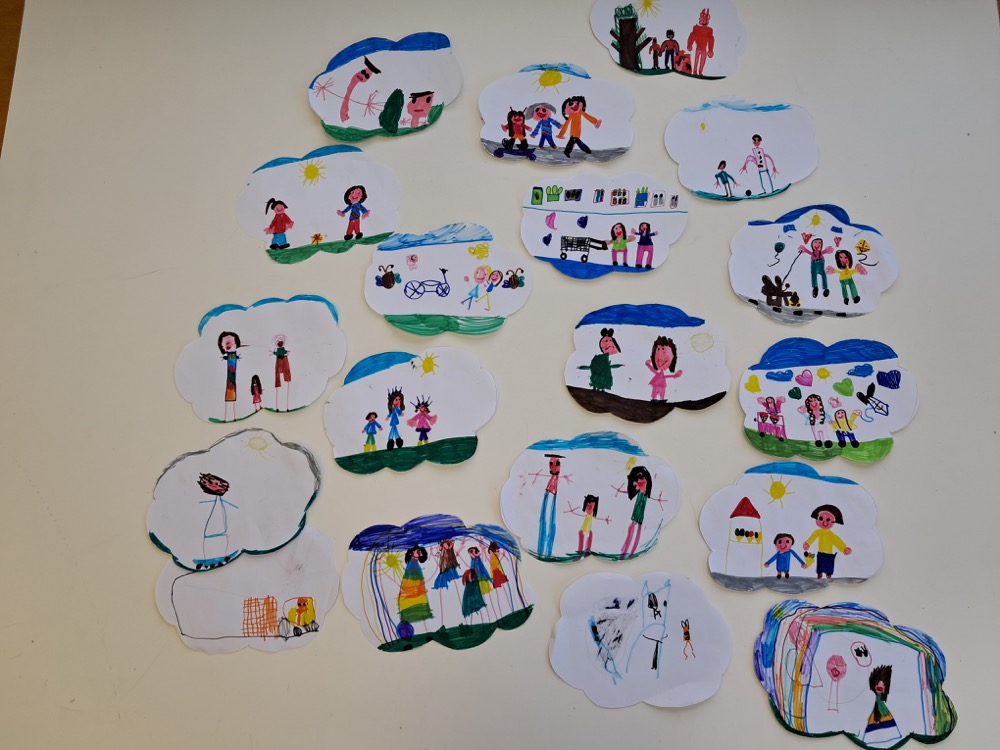
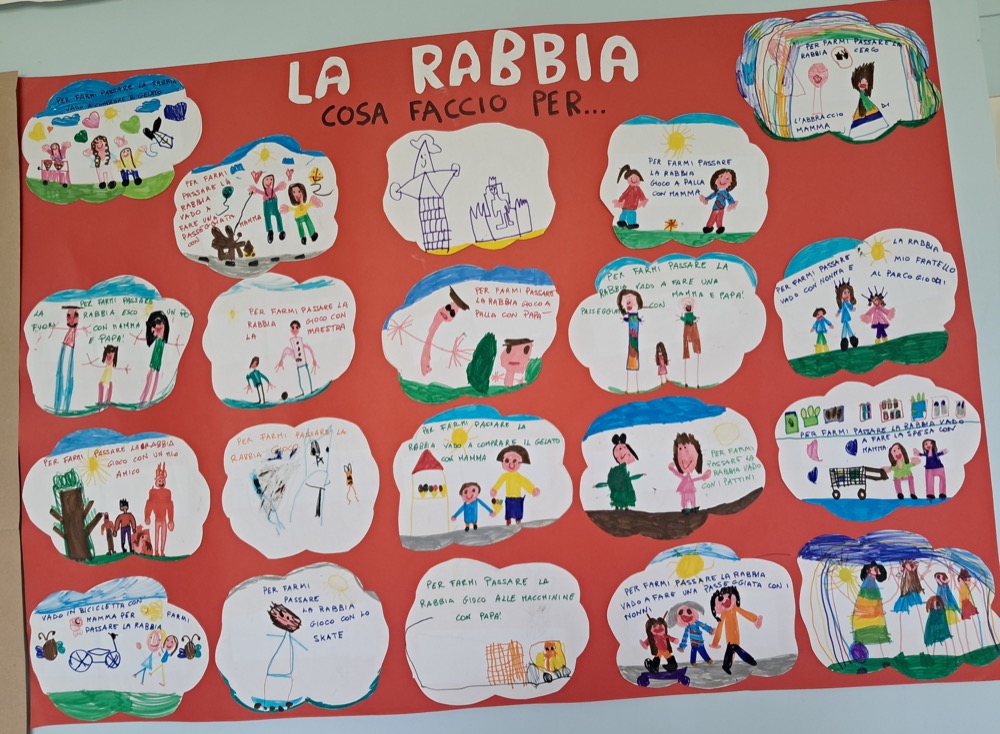
Prepare a large poster with several empty balloon shapes already drawn. The teacher explains that each balloon represents ideas that can help us deal with difficult emotions. Each child shares a personal strategy that works for them, and the teacher writes these ideas inside the balloon image.
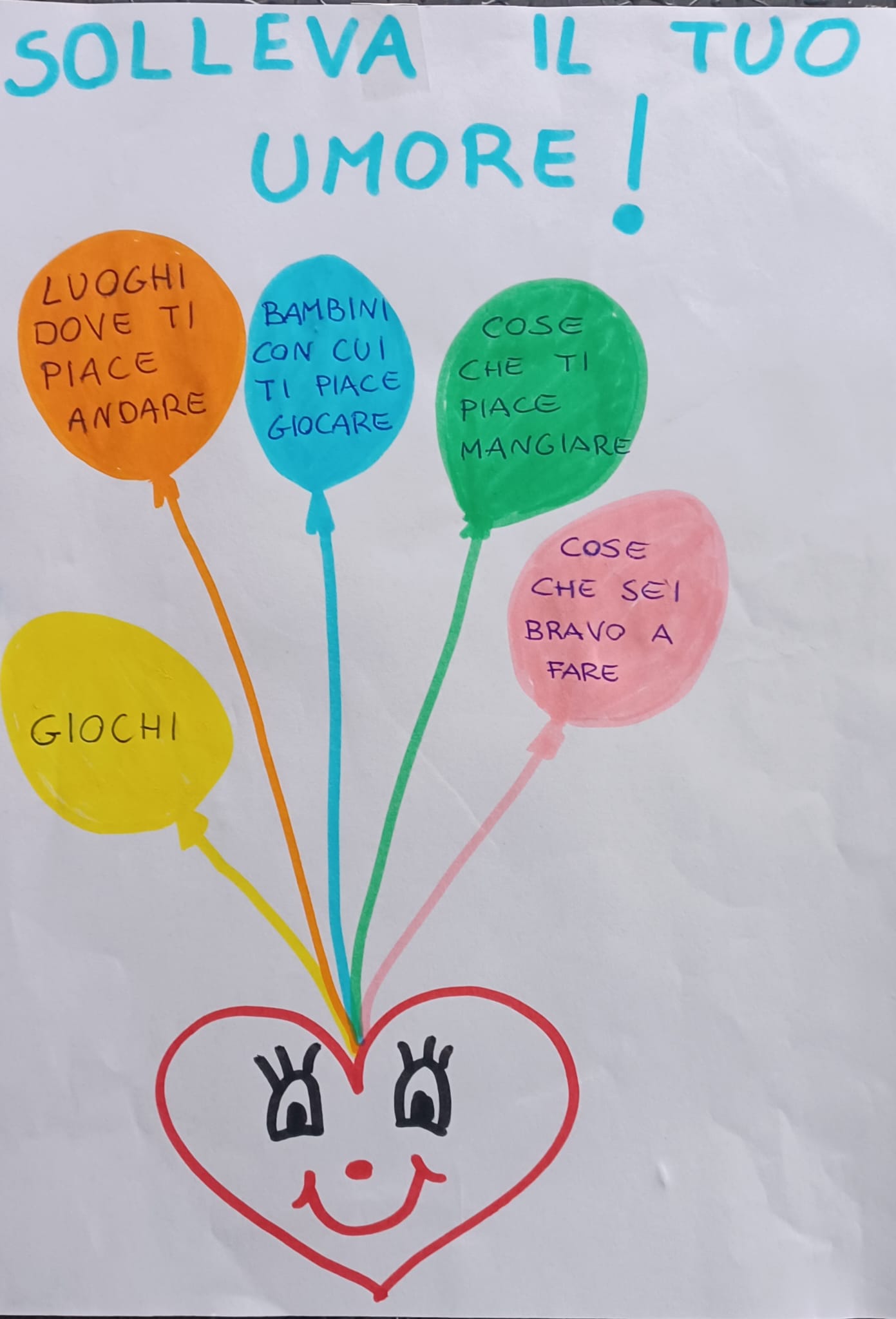
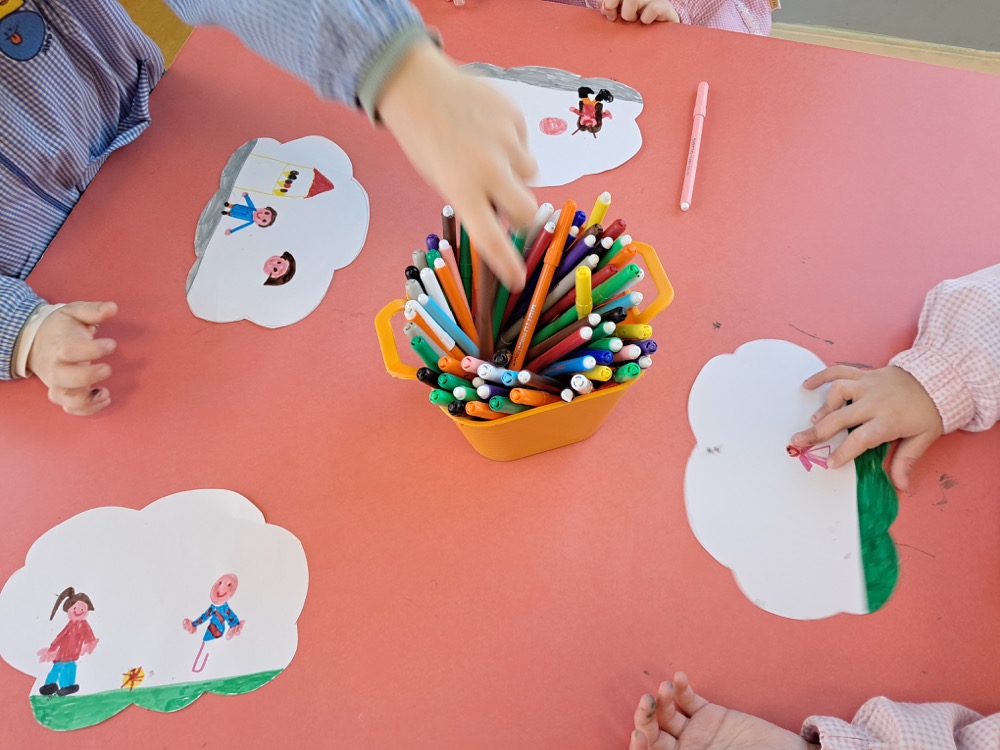
Children then choose the strategy they find most helpful, draw it on a small sheet of paper, and stick it to the corresponding balloon. The group gathers again to compare their ideas and talk about different ways to handle emotions like sadness, anger, or fear.
The teacher collects all the drawings and creates a large "Balloon Poster". Each balloon on the poster represents an action or solution, such as places children like to go, games they enjoy, or friends they feel good playing with. This poster stays on display as a helpful reminder for the children whenever they need support with strong feelings.
Color the part of your body where you felt the emotion

Funded by the European Union. Views and opinions expressed are however those of the author(s) only and do not necessarily reflect those of the European Union or the European Education and Culture Executive Agency (EACEA). Neither the European Union nor EACEA can be held responsible for them.

All contents, in particular texts, pictures and graphics, are protected by copyright. Unless expressly stated otherwise, copyright is held by sel.eduskills.plus and is licensed under Creative Commons Attribution - Non-commercial - Distribution under the same conditions 4.0 International license. They may be subject to the terms of the license.
© 2024-2026 sel.eduskills.plus | Impressum