| Basic | |
| Age: 4-6 | |
| 20-30 min | |
| Through playful mirroring, children activate mirror neurons - supporting the development of empathy, emotional awareness, and cognitive growth. This activity also fosters a sense of being seen and understood, and helps children develop the language of emotions. | |
| Flexibility Self-regulation | |
| Movement Music Outdoors Parents | |
|
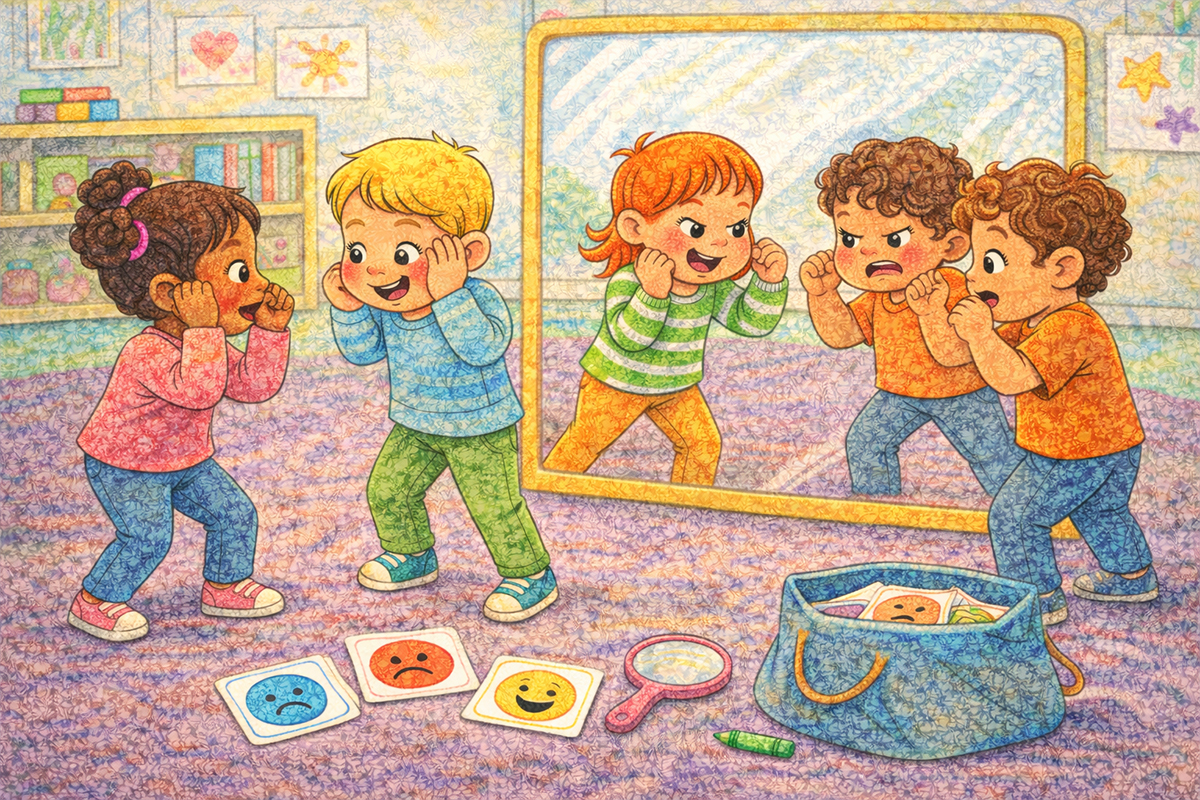
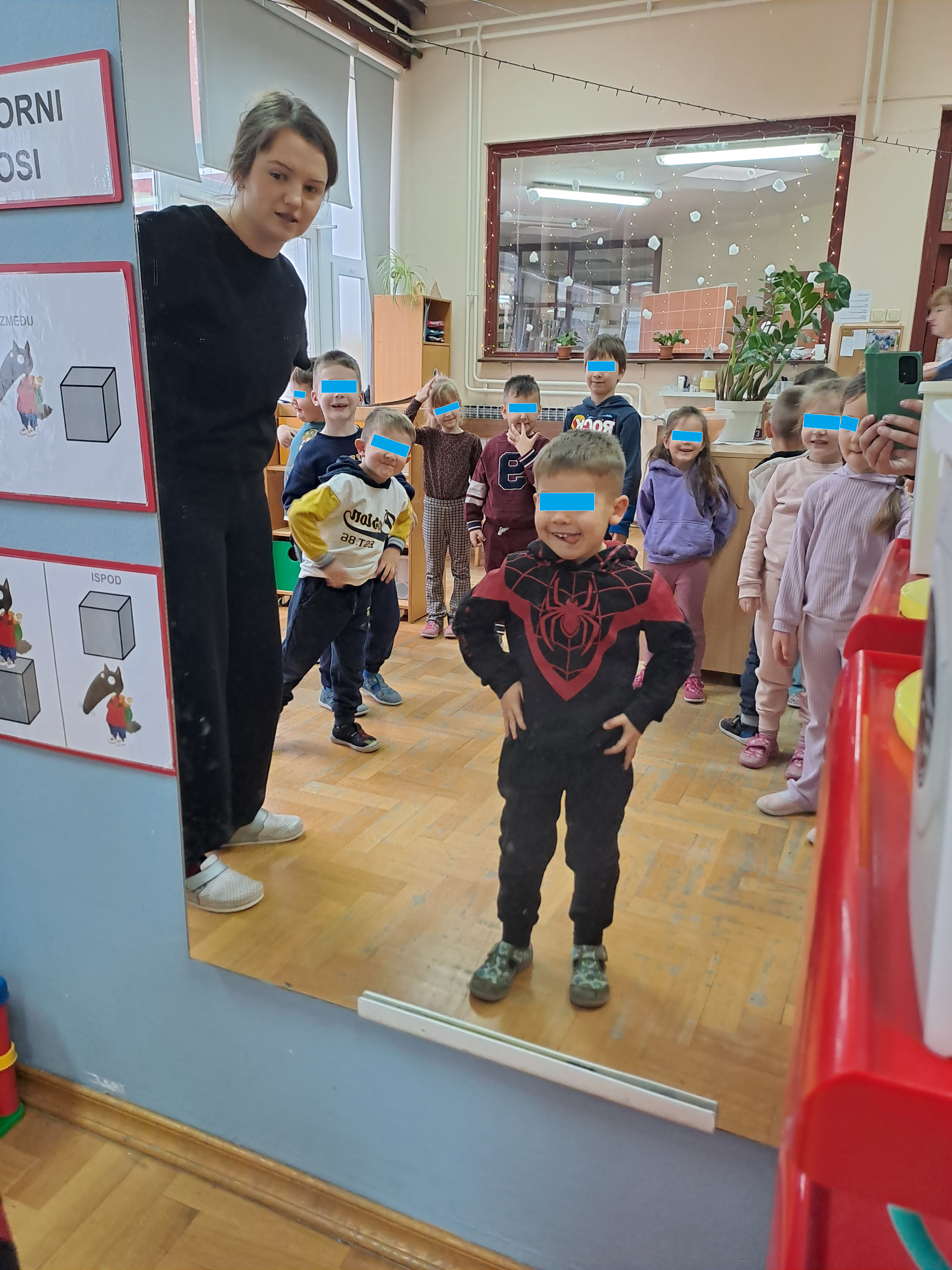
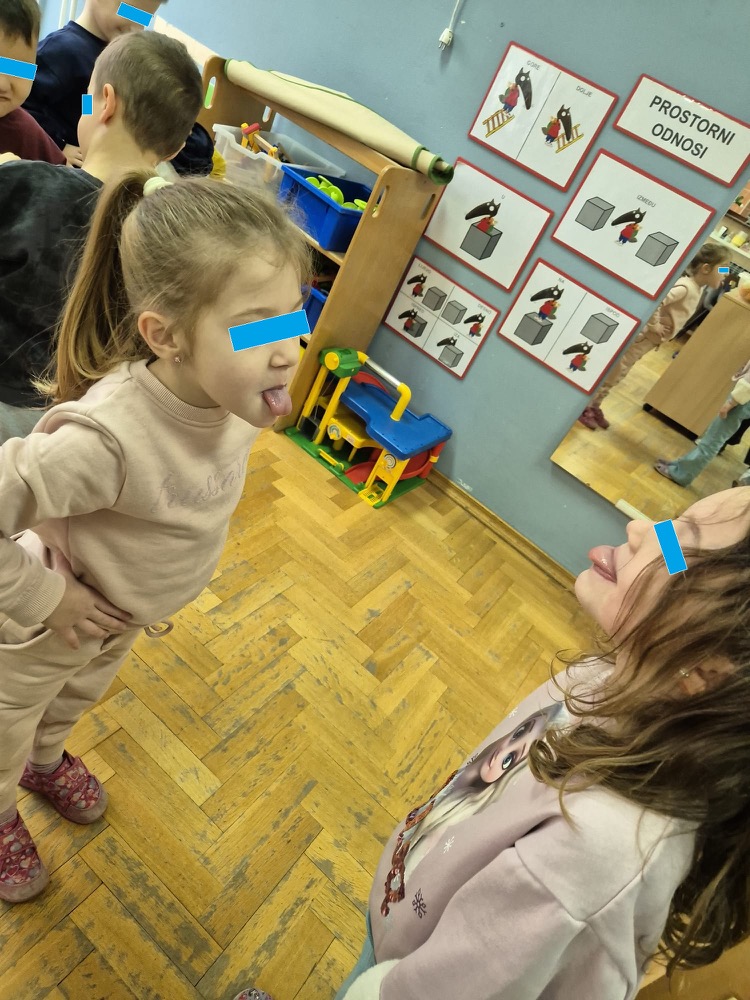
Begin by exploring the concept of mirroring with the children. This step of the activity is essential. Use real mirrors - hand mirrors or a wall mirror - so they can observe how their body and face are reflected. Start with big body movements, then guide them to explore facial expressions, especially those related to different emotions.
Important: Name body parts and movements.
Ask simple questions to explore what body part is moving or has moved and what is happening in the mirror.
Create a warm, relaxed atmosphere that invites playfulness, curiosity, and experimentation.
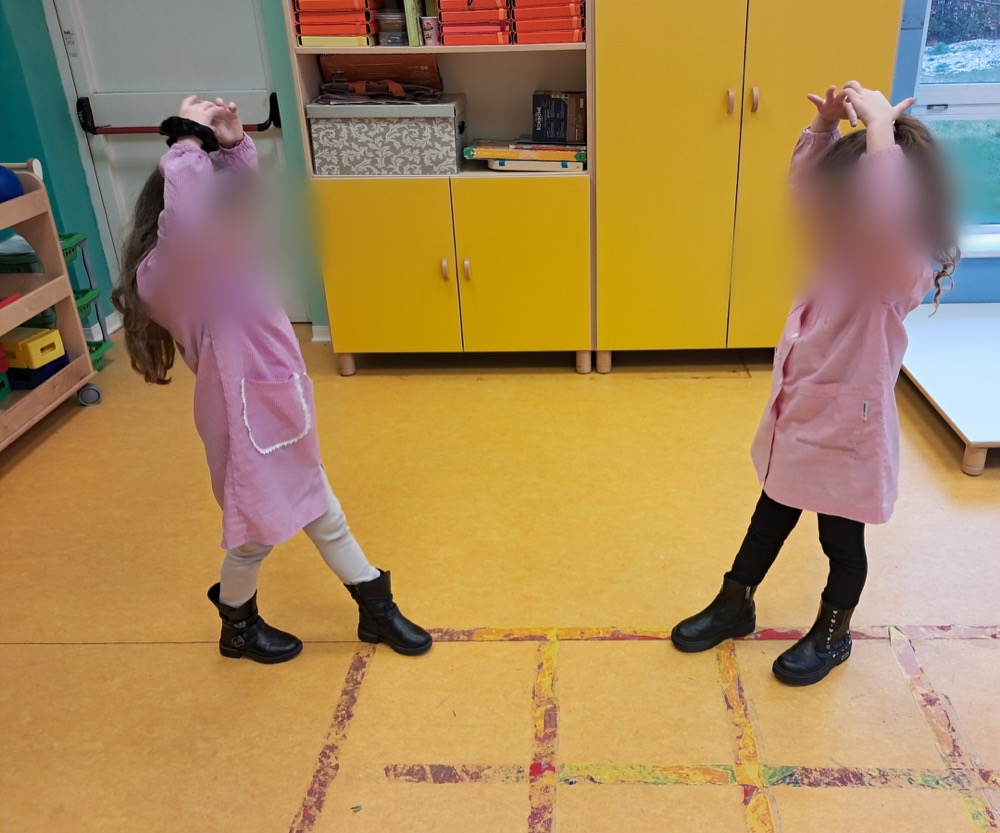
Demonstrate the next part of the game with a co-teacher or a child volunteer. Children pair up and decide who will be the leader and who will be the mirror first.
Make sure the children understand they should not touch each other and can choose to focus on hands, arms, or full-body movements, depending on what feels most comfortable.
Support children who may be shy or sensitive, especially around direct eye contact. Offer gentle adaptations, such as mirroring movements while looking at the partner’s hands or shoulders.
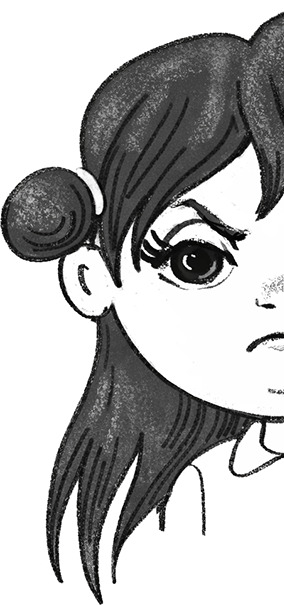
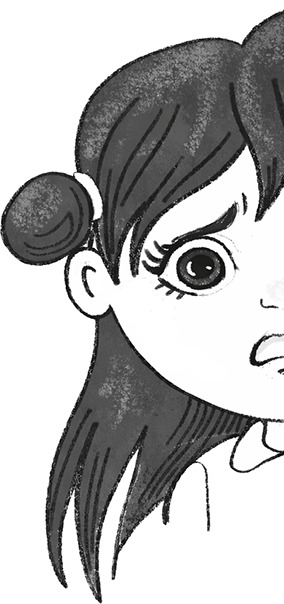
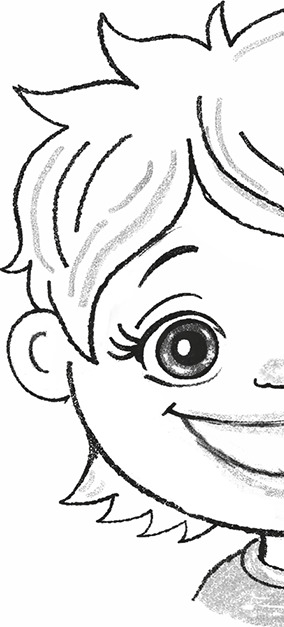
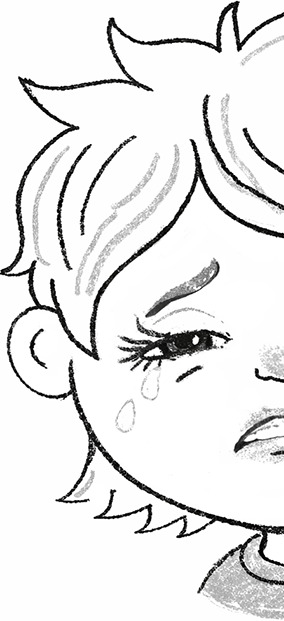
Once children are comfortable, introduce emotion mirroring. The leader uses both facial expressions and body language to act out different feelings (e.g., joy, fear, anger, sadness, surprise). The mirror copies and then tries to name the emotion.
Introduce the Mirror Game during a parent meeting. Play a short round with the parents and then discuss the psychological background of mirroring, especially how it helps children:
Encourage parents to try simple mirror games at home to strengthen connection and emotional awareness in everyday moments.
After each part of the game, take a short pause for group reflection. Use questions like:
Change the Mood of the Game
Add creativity and fun by changing the style of movement.
Try themes like:
Each variation brings a new emotional and sensory experience.
Group Mirroring
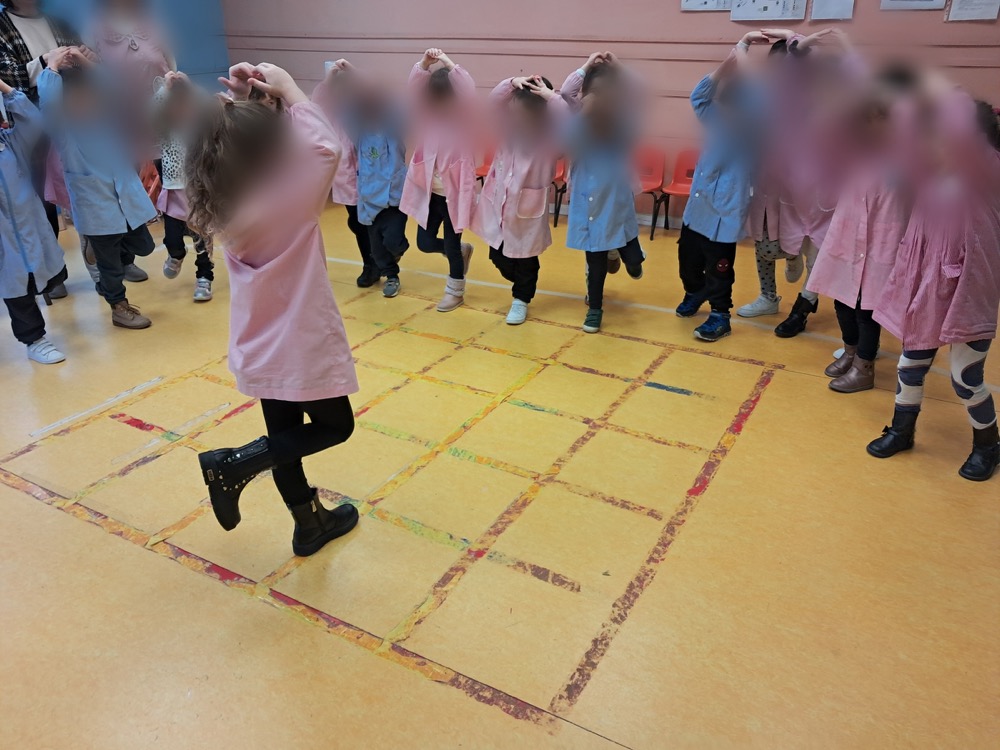
Instead of playing in pairs, one child or teacher leads while the rest of the group mirrors.
Play Side-by-Side
Children can stand next to each other rather than face-to-face.
Use Props or Toys
Add interest by introducing objects or small toys into the movement - children can mirror how their partner interacts with the prop.
Mirror Game with Music
Play background music to enhance rhythm and flow, encouraging expressive and imaginative movements.
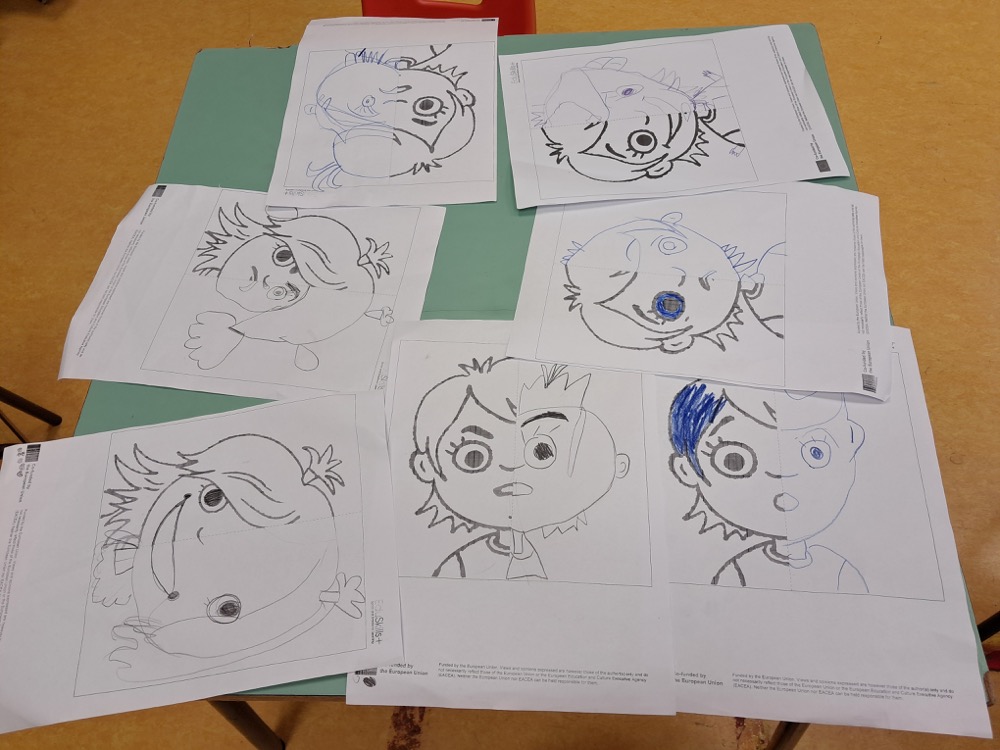
Drawing Reflections
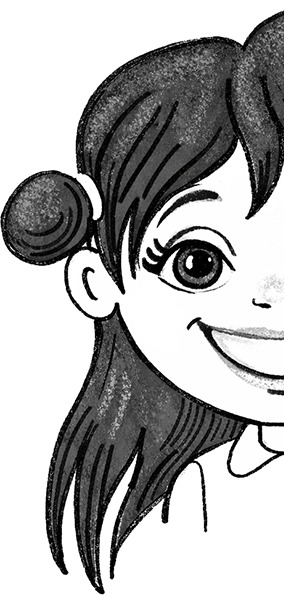
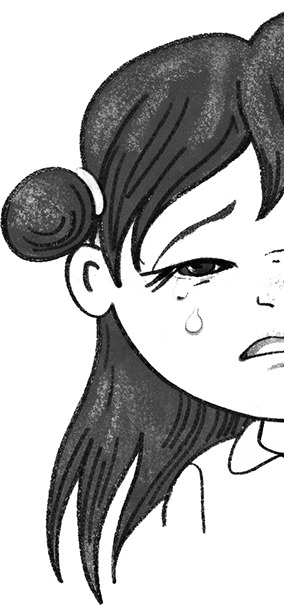
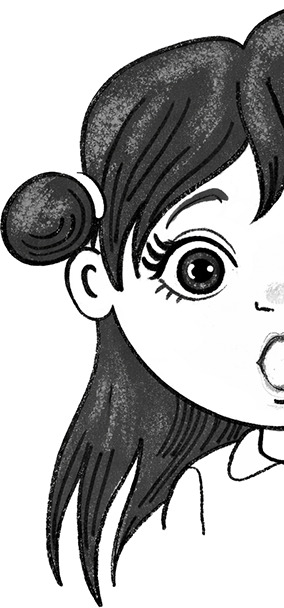
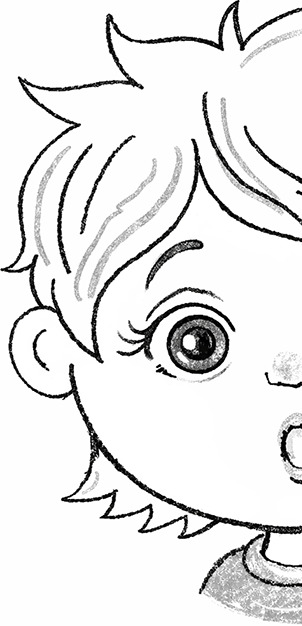
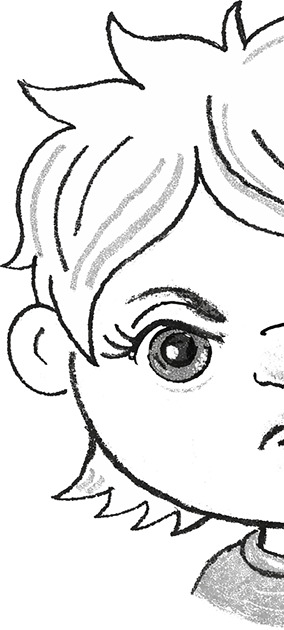
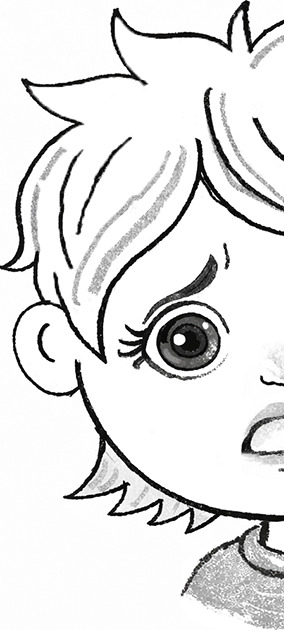
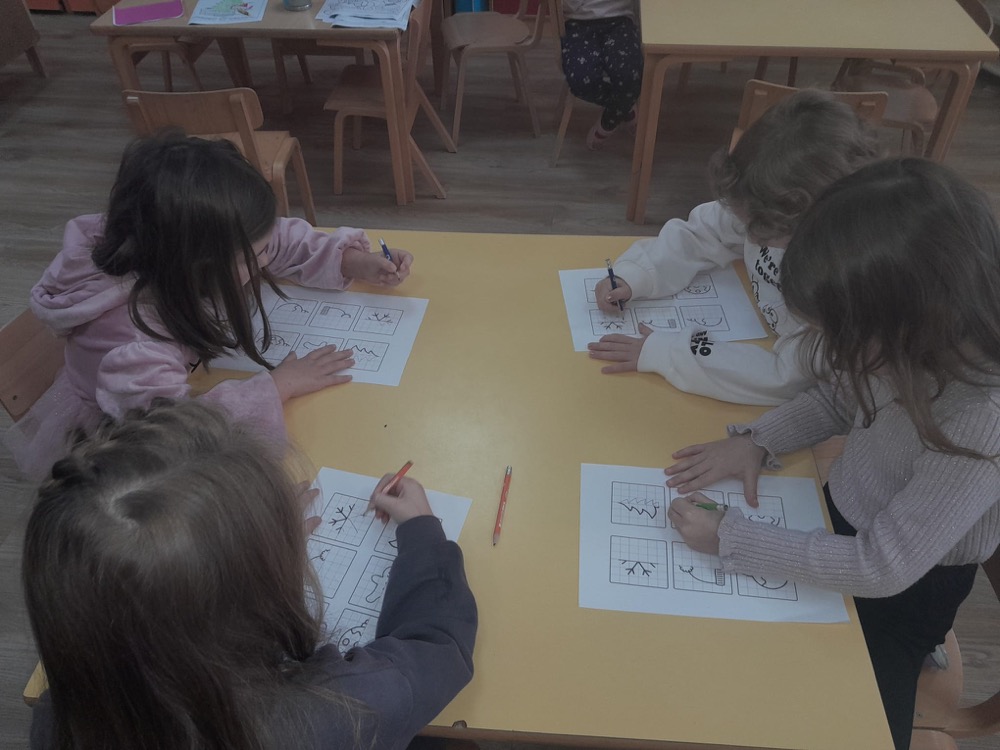
Use worksheets with half-drawn mirror images and invite children to complete the other half. This adds a visual art component and helps children think about symmetry and observation.

Funded by the European Union. Views and opinions expressed are however those of the author(s) only and do not necessarily reflect those of the European Union or the European Education and Culture Executive Agency (EACEA). Neither the European Union nor EACEA can be held responsible for them.

All contents, in particular texts, pictures and graphics, are protected by copyright. Unless expressly stated otherwise, copyright is held by sel.eduskills.plus and is licensed under Creative Commons Attribution - Non-commercial - Distribution under the same conditions 4.0 International license. They may be subject to the terms of the license.
© 2024-2026 sel.eduskills.plus | Impressum