| Napredna | |
| Dob: 4-6 | |
| 1 sat | |
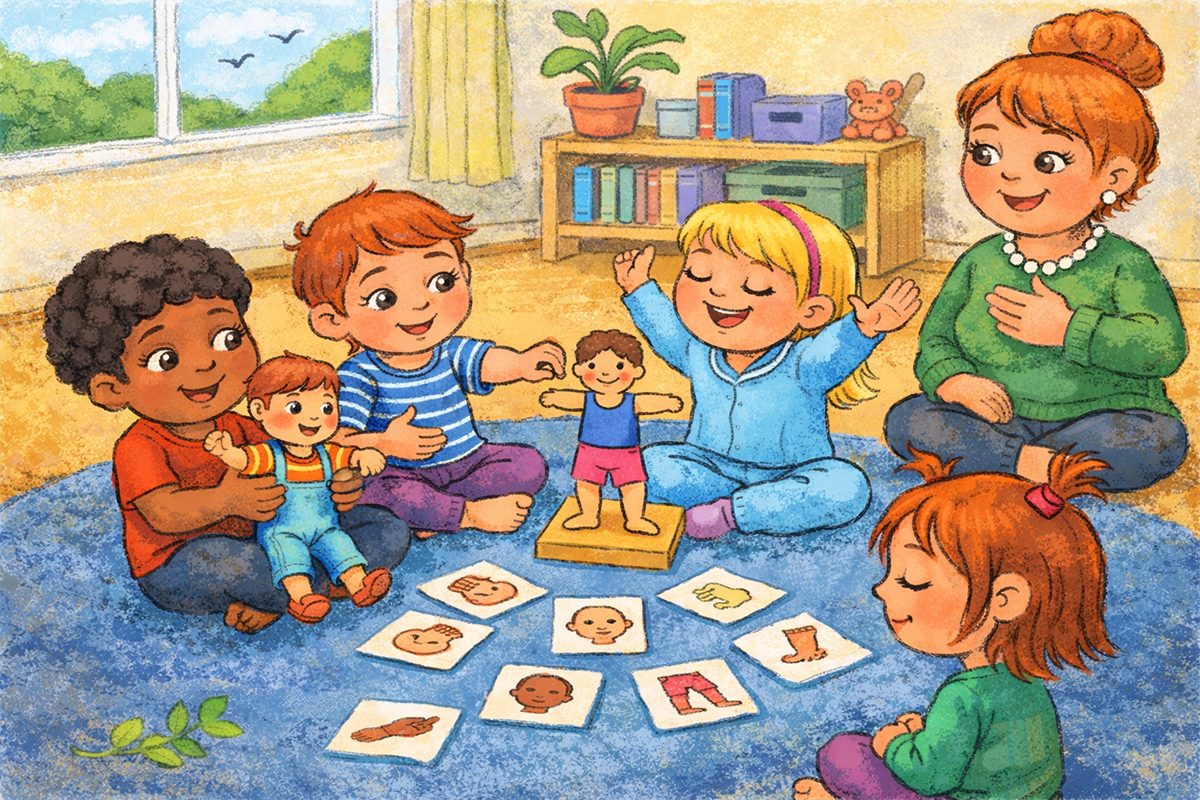
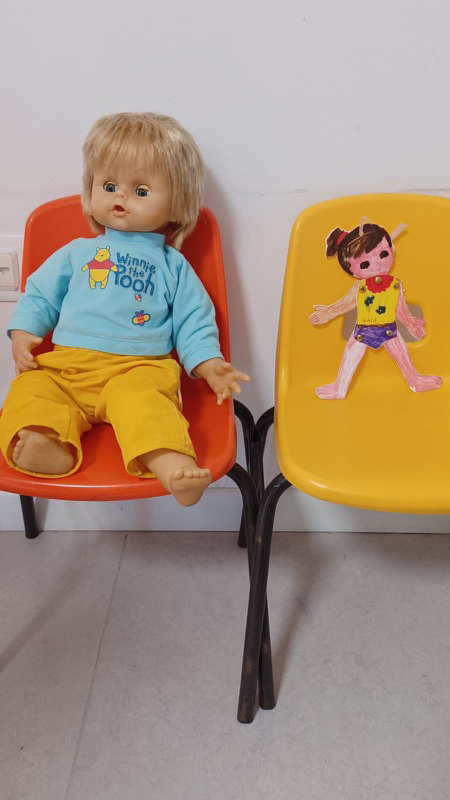
| Djeca istražuju kako se njihova tijela kreću koristeći pjesme, lutke i igre koje uspoređuju trodimenzionalno i dvodimenzionalno kretanje. | |
| Samoregulacija | |
| Kritičko razmišljanje Razvojni mentalni sklop Upravljanje učenjem | |
| Umjetnost Kognitivni zadatak Razgovor Pokret Muzika Na otvorenom | |
|
Odgojiteljica priprema didaktičke igre na stolovima.
Odgojiteljica okuplja djecu i započinje razgovor o tijelu, njegovim dijelovima i tome što svaki dio može raditi.
Postavlja pitanja poput: Što može raditi tvoja glava? Tvoje ruke? Tvoja stopala?
Odgojiteljica potiče kretanje i sudjelovanje pjesmama poput Glava, ramena, koljena, stopala ili Prste ima ruka svaka.
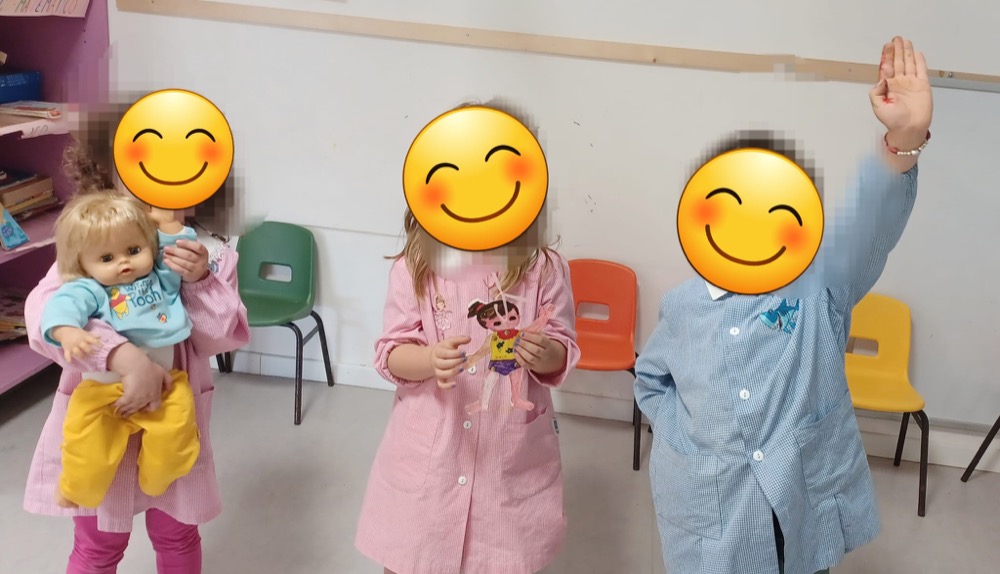
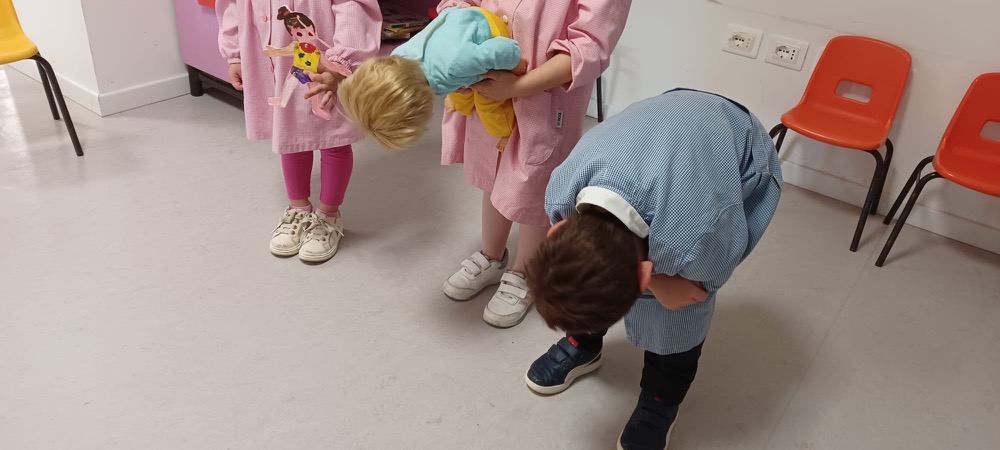
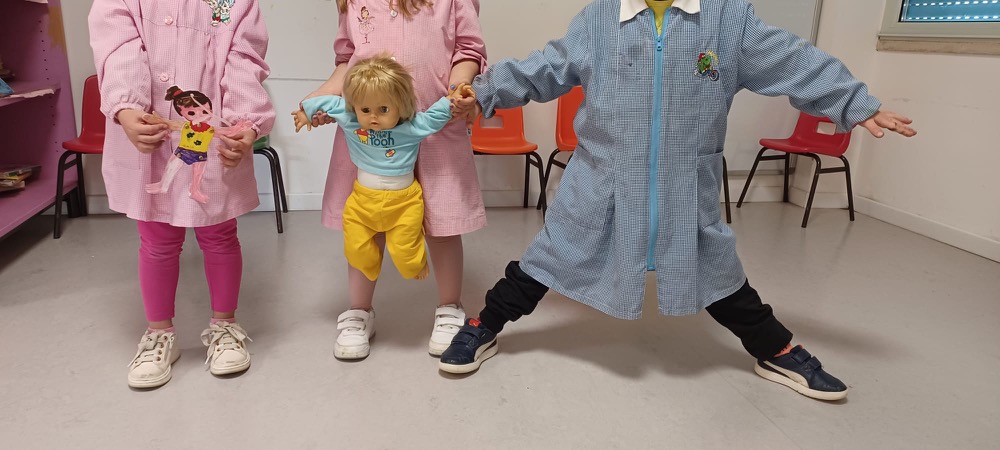
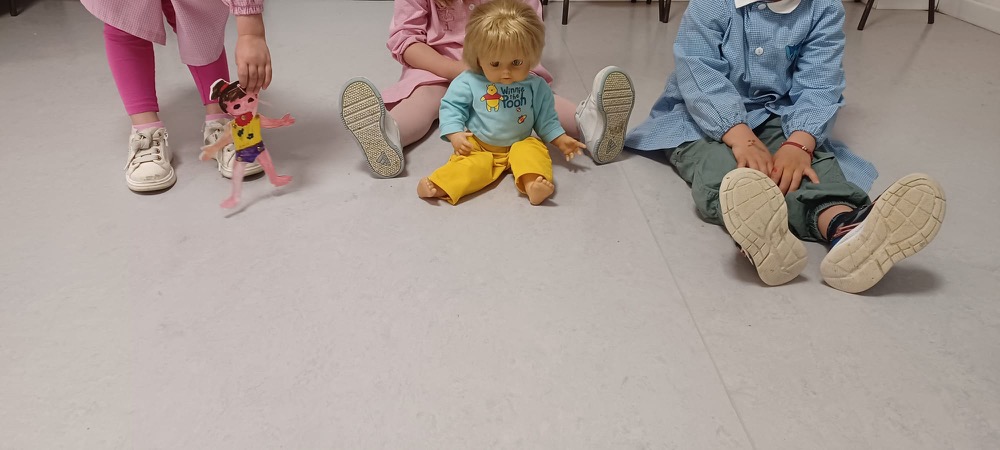
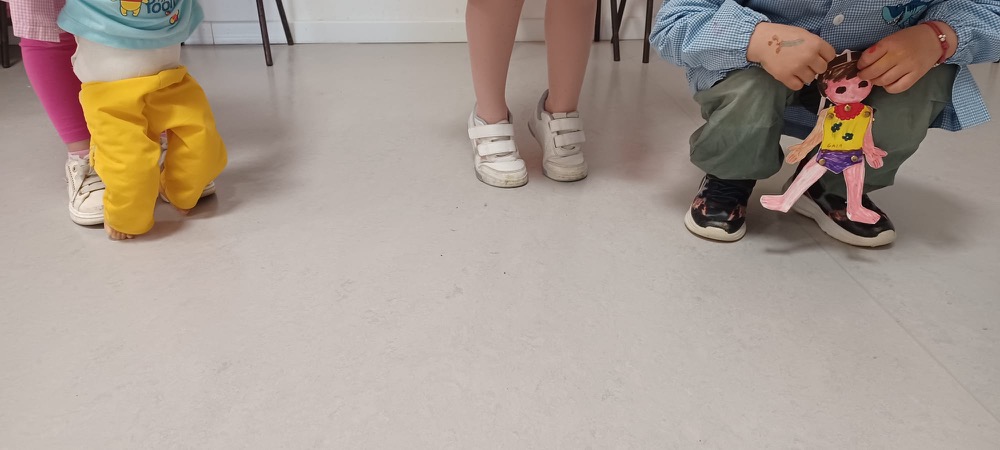
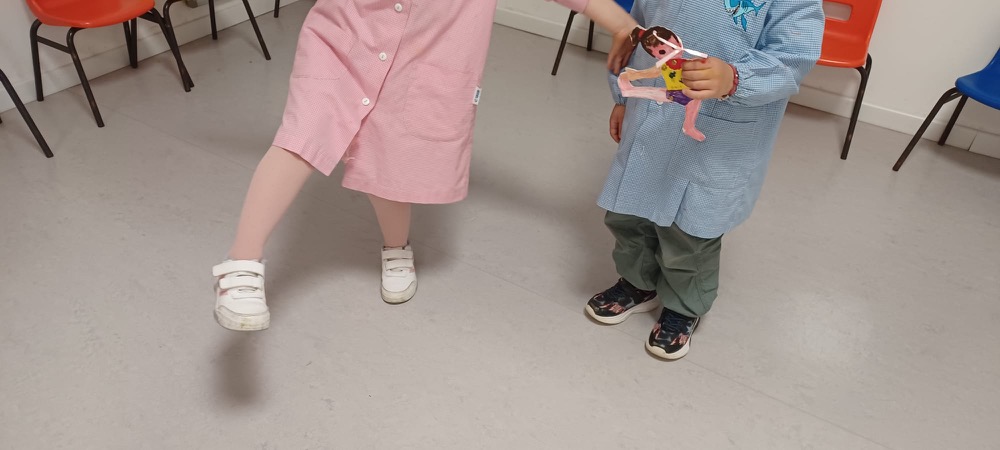
Nakon uvoda, djeca istražuju pokret pomoću poticajnih materijala:
Tijekom igre odgojiteljica postavlja usmjeravajuća pitanja:
Djecu se potiče na oponašanje pokreta i promatranje kako se njihova tijela mogu kretati u prostoru.
Skupina se na kraju okuplja i zajedno promišlja o iskustvu.
Odgojiteljica postavlja pitanja otvorenog tipa kako bi potaknula izražavanje:
Djeca se potiču da podijele svoja iskustva i što su naučila o kretanju i vlastitom tijelu.
Aktivnost se može proširiti igrom Ledenih kipova u kojoj se djeca zamrznu u različitim položajima tijela.
Možete započeti i grupni razgovor kako biste dodatno istražili kako se ljudsko tijelo kreće i što sve može činiti.
Ove varijacije obogaćuju aktivnost potičući kreativnost, komunikaciju i kritičko razmišljanje.

Financirano sredstvima Europske unije. Izneseni stavovi i mišljenja su stavovi i mišljenja autora i ne moraju se podudarati sa stavovima i mišljenjima Europske unije ili Europske izvršne agencije za obrazovanje i kulturu (EACEA). Ni Europska unija ni EACEA ne mogu se smatrati odgovornima za njih.

Svi sadržaji, a posebno tekstovi, slike i grafikoni, su zaštićeni autorskim pravima. Vlasnik autorskih prava, ukoliko nije drugačije označeno, je sel.eduskills.plus, a autorsko pravo je definirano licencom Creative Commons Imenovanje-Nekomercijalno-Dijeli pod istim uvjetima 4.0 Međunarodna. Autorska prava mogu biti definirana uvjetima licence.
© 2024-2026 sel.eduskills.plus | Impressum